Improving freight rates may have many trucking fleets ready to buy new trucks, but they’re struggling to figure out what those trucks will cost — or even when they’ll be available.
November 9, 2026
4 min to read
- Trucking fleets face challenges planning for 2027 equipment purchases due to uncertainty around emissions regulations.
- Despite an improvement in freight rates, fleets are hesitant on placing truck orders due to unknown equipment prices.
- Concerns over future operating costs contribute to delays in truck order decisions by fleets.
Uncertainty surrounding the Environmental Protection Agency’s 2027 emissions regulations is putting a damper on new Class 8 truck orders, despite improving freight rates and ongoing equipment replacement needs.
That’s the message from FTR Transportation Intelligence and ACT Research, which both reported disappointing preliminary North American Class 8 truck orders for October.
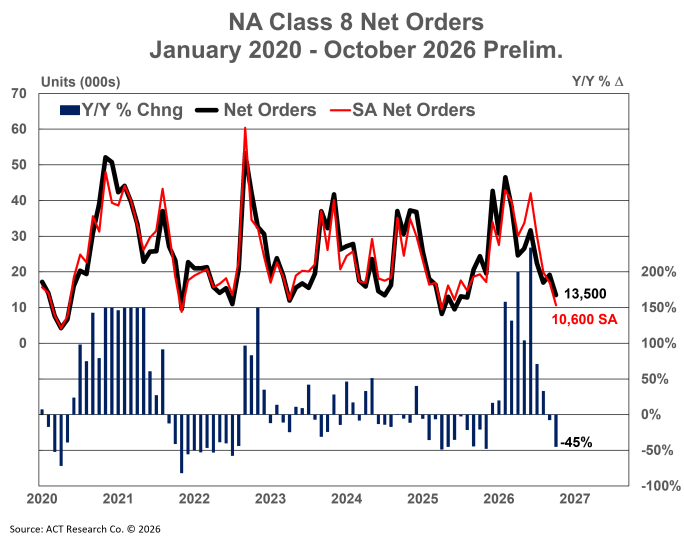
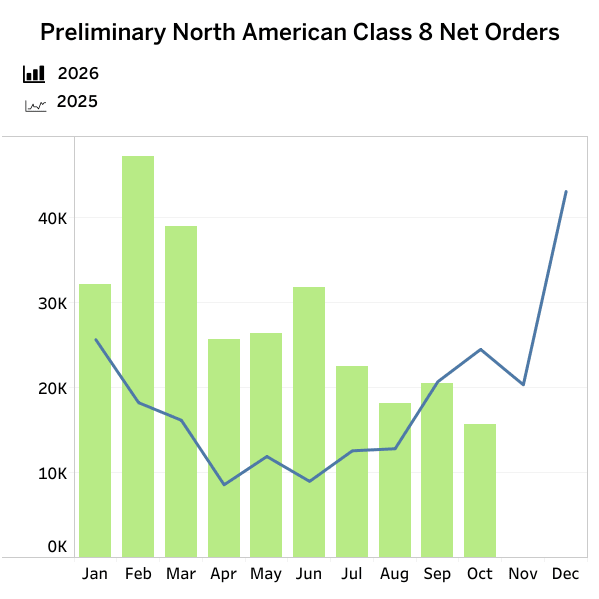
October is typically a strong month for truck orders as fleets plan equipment purchases for the following year. But this year, orders came in at roughly half the historical average
“While spot rates remain supportive of equipment demand, the lack of clarity around EPA 2027 rules and associated costs has left OEMs and fleets unable to plan for next year,” said Carter Vieth, research analyst at ACT Research.
“It’s not a lack of desire for new equipment holding fleets back, but rather the inability to make informed investment decisions in the face of regulatory and economic uncertainty.”

What Will 2027 Trucks Cost?
The EPA earlier this year proposed changes to its 2027 nitrogen oxide (NOx) emissions regulations, but the final requirements remain uncertain.
That uncertainty affects both truck manufacturers and their fleet customers.
According to FTR, truck makers have begun opening their 2027 model-year order boards, but some may not yet be releasing all their production slots or finalizing prices until they know exactly what the regulations will require.
Fleets, meanwhile, may be holding off on purchases in hopes of getting more favorable pricing once the rules are finalized.
And the potential cost differences are significant.
Under the proposed regulatory framework, nonconformance penalties could add an estimated $6,000 to $7,000 per engine if manufacturers pass those costs along to buyers That’s compared with an estimated $8,000 to $12,000 premium for engines that fully comply with the stricter emissions standards
Actual costs will depend on the final regulations and manufacturers’ pricing decisions.
Rising Costs Add to the Pressure
Emissions regulations aren’t the only thing holding back truck purchases.
Fleets are dealing withrising operating costs, even as freight rates improve. Higher diesel prices, insurance premiums, and labor costs are squeezing margins and limiting how much money carriers have available to invest in equipment.
“Fleet capital spending priorities may be shifting toward trailers rather than tractors in the near term,” said Dan Moyer, FTR’s senior analyst for commercial vehicles.
That shift may already be showing up in trailer orders. According to ACT Research, preliminary U.S. trailer orders jumped 311% year over year in September to 42,700 units, up 75% from August. Although the year-over-year comparison was exaggerated by unusually weak orders in September 2025, the seasonally adjusted total was the third highest in 55 months. ACT said the strength reflects both seasonal buying patterns and an unusual order cycle that saw purchases delayed last year.
Another factor is that the earlier rush to buy trucks ahead of anticipated 2027 emissions requirements has largely run its course.
That means future orders will depend more on fleet profitability, replacement needs, and confidence in equipment costs.
How Far Did Class 8 Orders Fall?
The two research firms reported somewhat different preliminary figures, but both point to a sharp slowdown.
- FTR estimated 15,600 Class 8 net orders in October, down 36% from a year earlier and 24% from September.
- ACT Research estimated 13,500 orders, down 45% year over year.
FTR’s October estimate was nearly 50% below the 10-year average of 31,089 orders for the month.
The weak October figures followed a relatively soft September. Combined orders for the two months were down 20% from the same period last year suggesting a slow start to the 2027 truck-order season
That contrasts with the stronger ordering activity earlier this year. FTR reported year-to-date Class 8 orders of 278,201 units, up 74% from the same period in 2025.
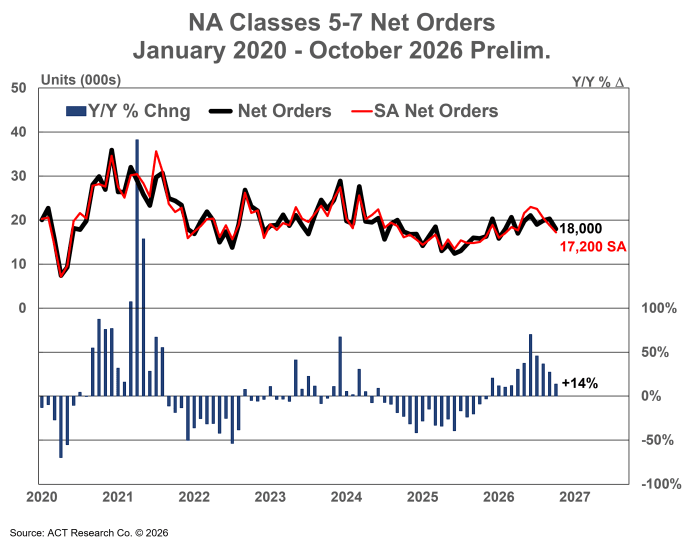
Medium-duty trucks, however, are showing a different trend. ACT Research reported preliminary October orders for Classes 5-7 of 18,000 units, up 14% from a year earlier.

Delayed Orders or Lost Sales?
Despite the weak October numbers, FTR sees reasons for optimism.
Fleets continue to need replacement trucks, freight rates have strengthened, and tighter industry capacity could help support equipment demand.
“Weak October results suggest that some purchases may be deferred rather than canceled,” Moyer said.

That could set the stage for stronger orders once the EPA finalizes its requirements and manufacturers provide more certainty about production schedules and prices.
For now, though, fleets trying to put together their 2027 equipment budgets have a significant unanswered question: How much will their next new trucks cost?
Both FTR and ACT Research expect to release final October order figures in mid-November.

Fleet Management•byDeborah Lockridge•October 30, 2026
Kodiak Lines Up Fleets for Driverless Trucking
An agreement for 75 trucks, a new Texas freight lane, and progress on safety validation move Kodiak closer to its planned driverless highway launch.

Fuel Smarts•byDeborah Lockridge•October 27, 2026
How GP Transco Builds Fuel Savings a Fraction at a Time
Aerodynamic specs, solar panels, and driver incentives help GP Transco turn small efficiency gains into savings it can reinvest in its people.
Safety & Compliance•byDeborah Lockridge•October 23, 2026
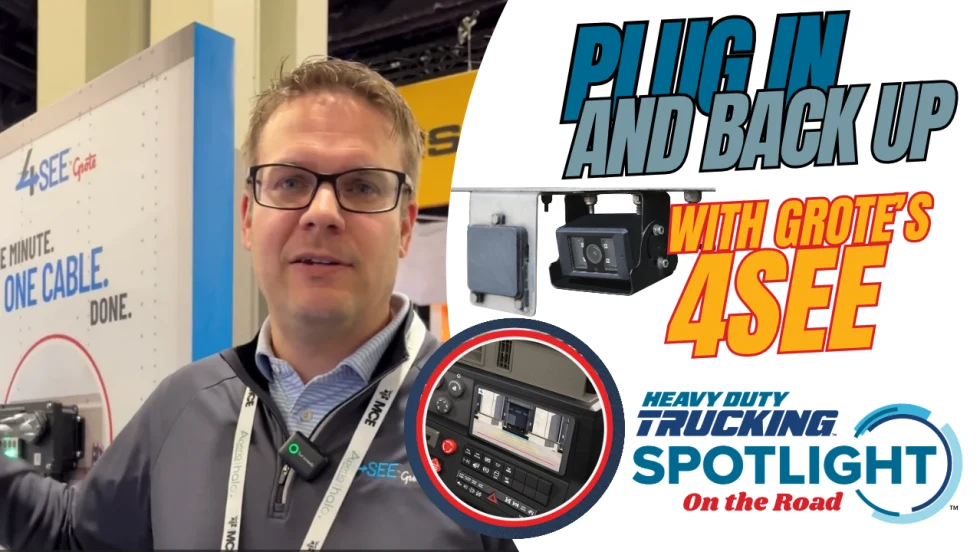
Can trucking’s standard seven-way connector handle more cameras and trailer data? Grote’s Adam Slade shows HDT how the company is using new technology with its 4See trailer system, not only to add a new backup camera but also to expand other capabilities — without adding another connection.
Equipment•byDeborah Lockridge•October 23, 2026
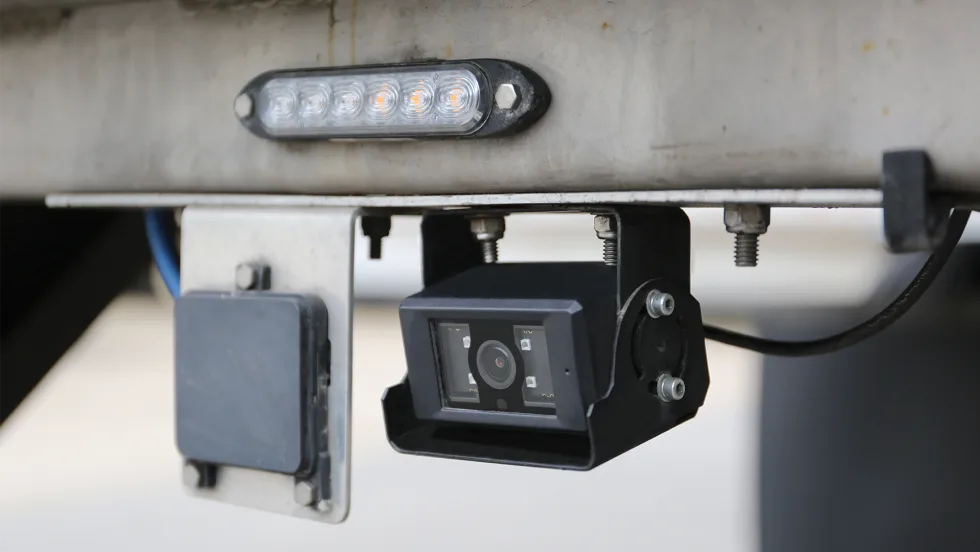
Grote: More Cameras, Same Seven-Way Connector
The next-generation 4See rear-view backup camera from Grote uses the standard seven-way connector and supports additional cameras and other trailer data.
Equipment•byDeborah Lockridge•October 20, 2026
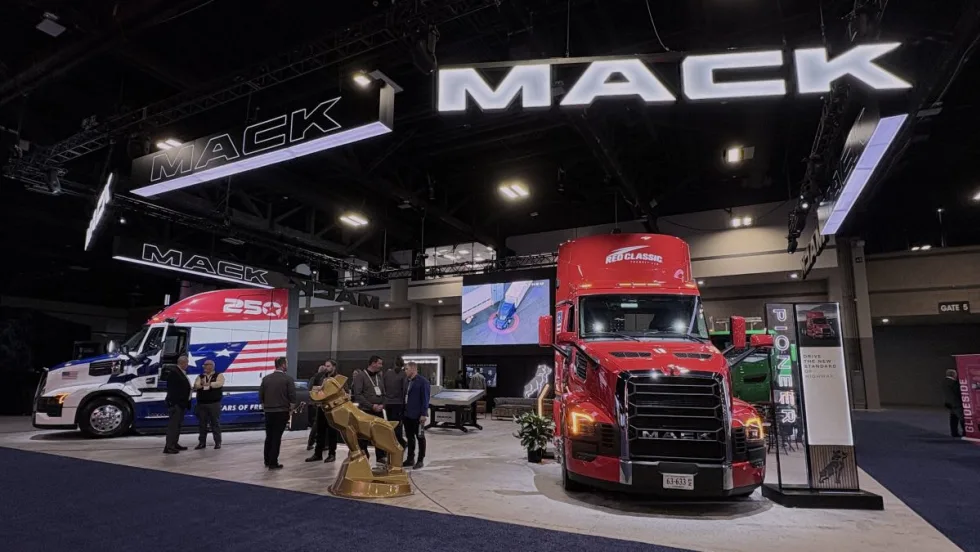
From rigs decked out in patriotic America’s 250 paint schemes to autonomous trucks and more, check out these photos from ATA’s 2026 Management Conference & Exhibition.

Equipment•byStaff•October 16, 2026
Help HDT Find Trucking’s Top Products
Have you come across a new product that could make a difference for trucking fleets? Nominate it for HDT’s 2027 Top 20 Products Awards by November 9.
Equipment•byWayne Parham•October 14, 2026
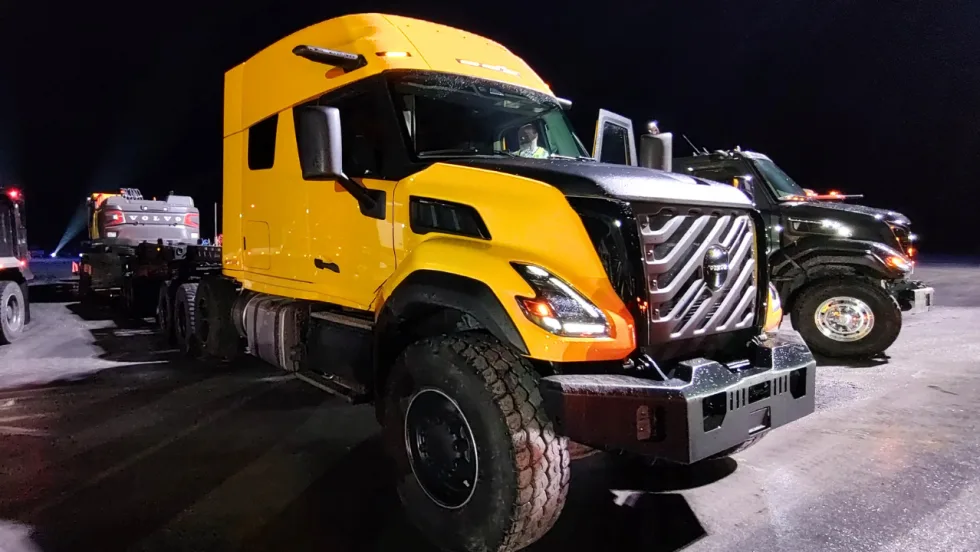
Volvo Unveils New VNX Heavy-Haul and Vocational Truck
Volvo Trucks has launched the VNX, a new vocational truck also available as a tractor in day cab and two sleeper configurations, with one heavy-haul model. The Volvo VNX is powered by Volvo’s D13 platform, which delivers up to 540 horsepower and 1,950 pound-feet of torque and is EPA 2027-compliant.

Fuel Smarts•byDeborah Lockridge•October 12, 2026
How GP Transco Cuts Trucking Fuel Costs, a Tenth of a Gallon at a Time
What’s another tenth of a mile per gallon worth? GP Transco shares how equipment upgrades and driver coaching turn small gains into meaningful fuel savings.

Equipment•byStaff•October 6, 2026
Electric Yard Tractors Move Beyond Pilots
Operating-cost savings have overtaken sustainability goals as the leading reason surveyed fleets are adopting battery-electric terminal tractors, according to new NACFE research.
Maintenance•byNews/Media Release•October 2, 2026
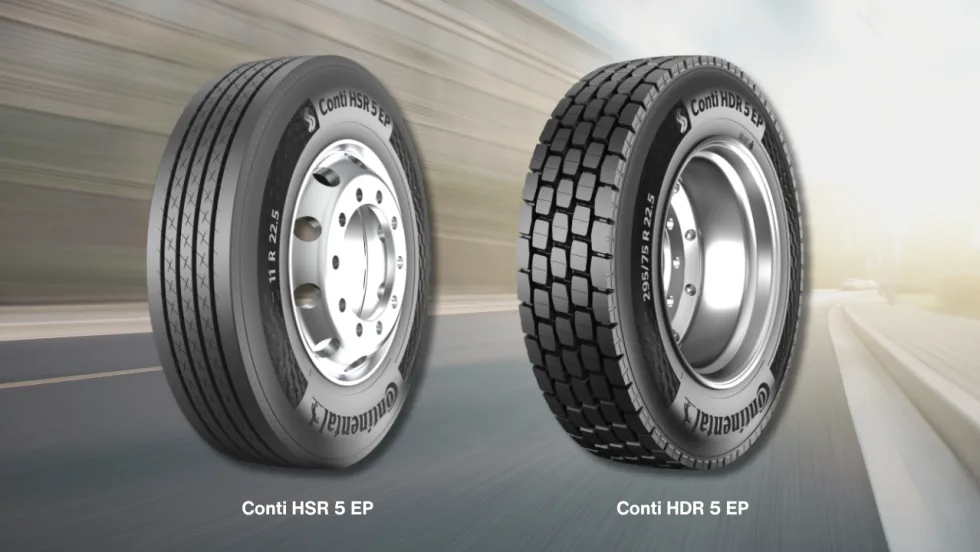
Continental Introduces New Regional Truck Tires
Continental says its new Generation 5 steer and drive tires for regional operations offer longer tread life, with estimated mileage gains of 22% and 19%, respectively.