Idling the vehicle after cold-starting was a useful technique in carbureted engines. Unless you wanted to stall the engine after putting it in gear, it was a common – and helpful – practice to let it warm up while idling. However, the advent of fuel injection and direct injection (along with more precise fuel management systems) has made that practice obsolete, and idling after starting has become an old maintenance myth that has been debunked many times.
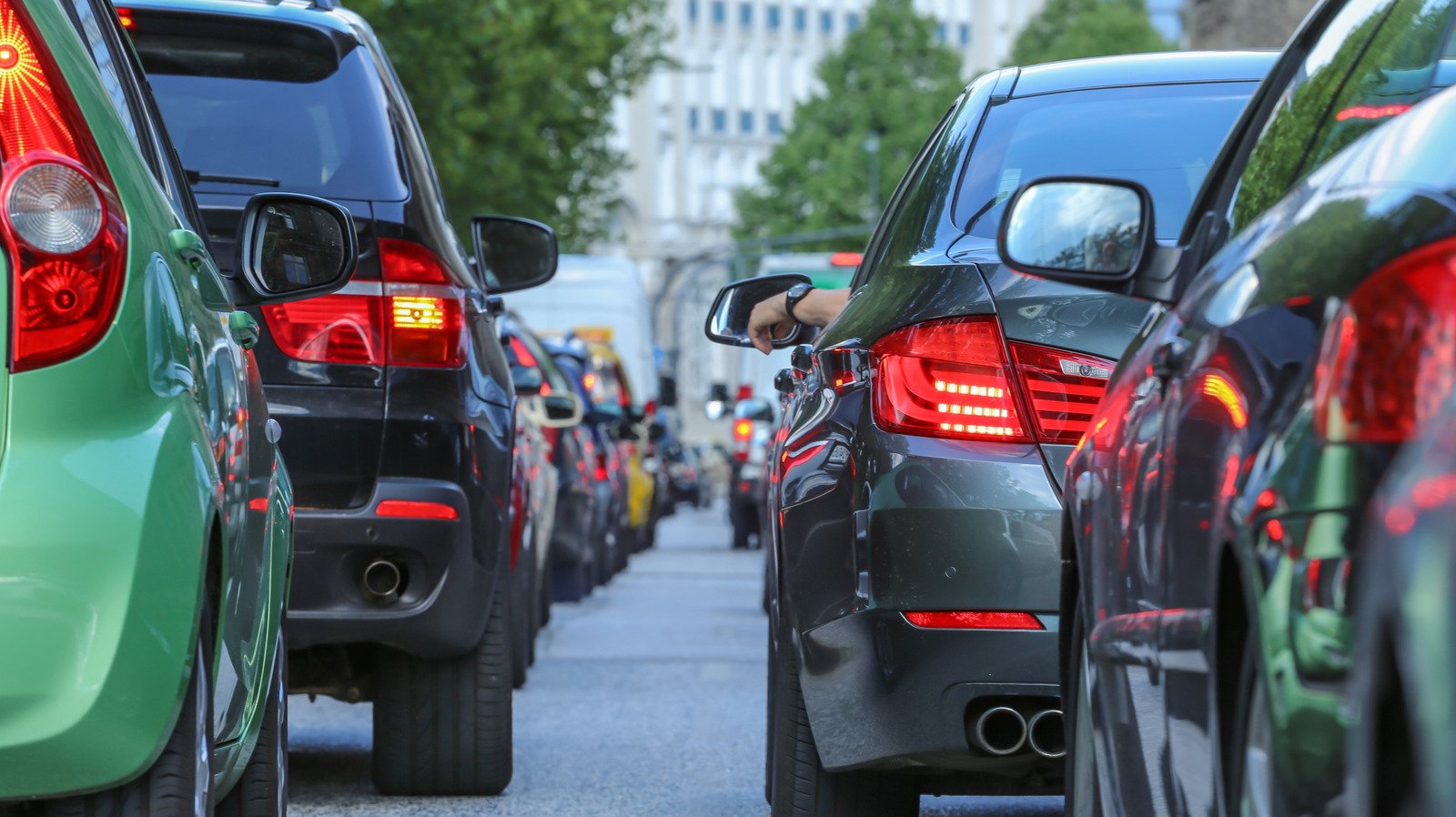
A similar rule applies to the myth that idling the engine saves more fuel than turning it off – especially when the vehicle is stationary, such as at a fast-food drive-thru, picking up the kids at school or waiting at a stoplight. The Massachusetts Department of Energy Resources published a youtube videos in 2015 To debunk the myth that vehicles consume less fuel when idling than when restarting.
Unless you’re behind the wheel of a carbureted engine that swallows more fuel during start-up, you’re wasting gas by leaving a modern, fuel-injected motor idling for as little as 30 seconds. The bigger picture is that American drivers are wasting 3 billion gallons of fuel each year by idling their cars for an average of six minutes each day.
Unnecessary inactivity also harms the environment
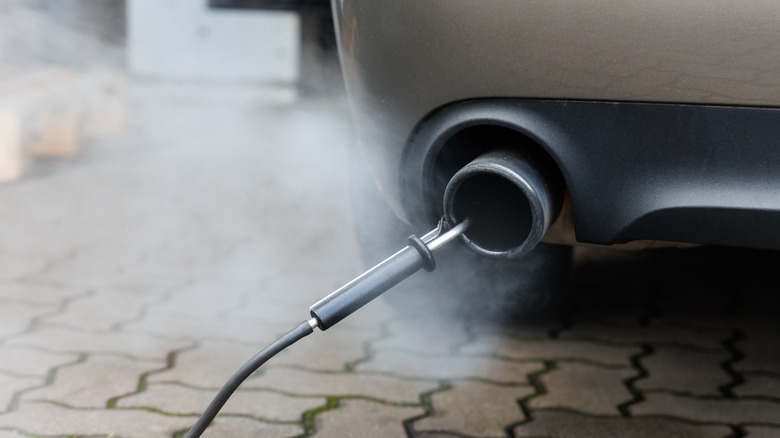
Idling for long periods not only wastes precious gas but also pollutes the environment. In a separate study by Argonne National LaboratoryIdling for at least 10 seconds uses more gas and emits more CO2 than restarting the engine. Since a modern vehicle heats up rapidly while driving, you are wasting gas and not doing the environment any favors by leaving the vehicle idle.
How much fuel can you save by not idling? This depends on the vehicle, engine size, idle speed, and other factors, but the average idle is 0.2 to 0.5 gallons per hour (0.75 to 1.8 liters per hour). This is why new cars have automatic start-stop systems to save gas and cut emissions when the vehicle is stationary, and it’s because the data doesn’t lie. Even without modern start-stop, turning off the engine makes more sense economically and contributes to cleaner air.
This raises the question: Doesn’t restarting the engine cause more emissions? The answer is yes and no. Argonne National Laboratory test results show that restarting the engine produces more nitrogen oxide (NO2) and hydrocarbon (THC) emissions than idling. Again, emissions are significantly lower than starting a cold engine. Tests show that the catalytic converter takes time to cool (catalysts require heat to operate efficiently, sometimes as much as 900 degrees to 1,600 degrees Fahrenheit), and shutting the engine off and restarting it produces less harmful pollutants than starting a cold engine.
If your car has auto start-stop then use it
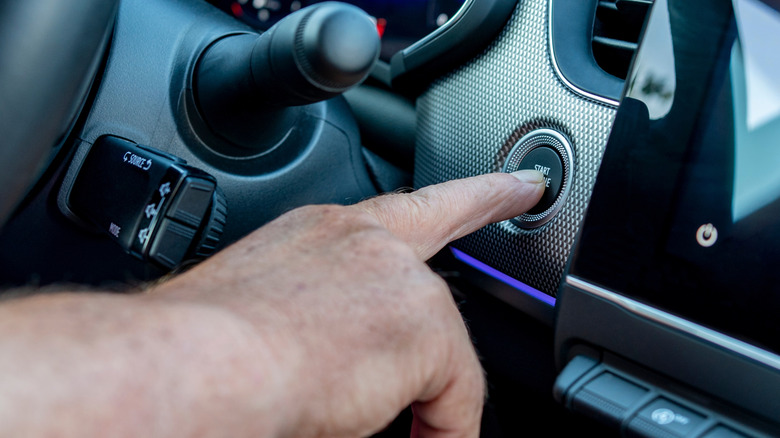
Automatic start-stop technology in cars can help save fuel and reduce emissions. according to Society of Automotive Engineers (SAE)Drivers can save between 7.27% and 26.4% in fuel by using stop-start. Variations in estimated savings come down to drive cycle, engine type, and idle percentage.
If you’re worried about premature wear of engine components when using constant stop-start, don’t worry. Automakers have dealt with the potential problem of wear and tear in stop-start systems by using more robust starters and special components, including AGM batteries. By using automatic stop-start you will not cause engine or system malfunction. However, repeatedly turning off and on the engine again may cause the 12V battery to degrade in older vehicles without auto stop-start technology.
The trick is to give the alternator enough time to recharge the battery between each restart. This means driving longer distances before stopping or restarting the motor as the alternator charges less efficiently while idling. Regardless of whether your car has an auto start-stop system or not, studies from various reputable sources have proven that turning off the engine and starting it again saves more fuel than leaving it idling.