This Movember, look beyond the mustache and discover how genetic consultations and testing are revolutionizing proactive care, early detection, and personalized wellness for men
Published 8 November 2026, 20:23
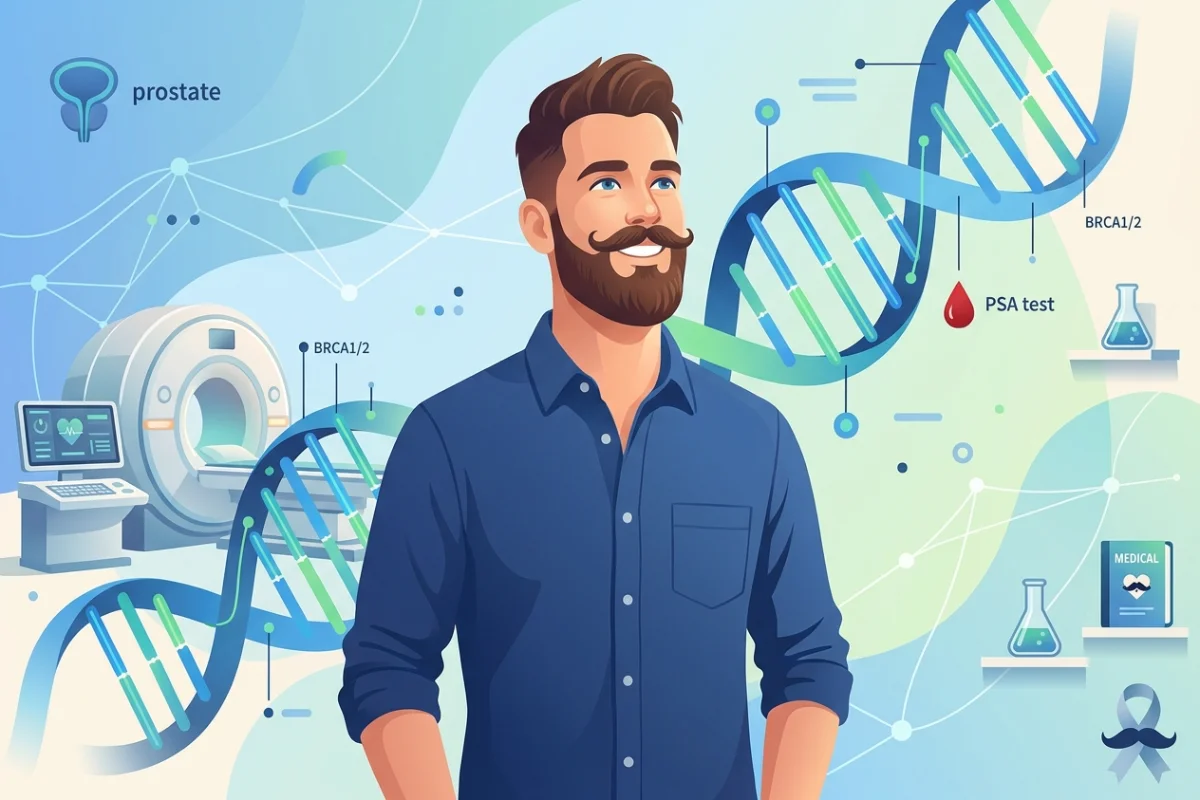
Every November, the global phenomenon known as Movember transforms faces with mustaches to spark vital conversations about men’s health. Traditionally, the movement has focused heavily on shifting public awareness toward mental health, suicide prevention, prostate cancer, and testicular cancer. While growing a mustache is a powerful conversation starter, turning that awareness into concrete, life-saving action requires looking deeper—specifically, into our biological blueprints. As modern medicine shifts from reactive treatment to proactive prevention, genetic consultations and testing have emerged as vital tools in safeguarding men’s longevity.
The Shift from General Awareness to Personalized Medicine
For generations, men’s healthcare has suffered from a culture of silence and late detection. Men are statistically less likely to visit routine medical check-ups, often waiting until symptoms become severe before seeking help. During Movember, the dialogue usually centers on standard screenings like blood pressure checks and physical examinations. However, these tools only tell us what is happening in the body at this exact moment.
Genetic testing and professional genetic counseling offer a powerful window into the future. They reveal what could happen, allowing men to stay steps ahead of hereditary diseases. Understanding one’s genetic predisposition shifts healthcare from a guessing game into a precise, individualized strategy.
Decoding Hereditary Risks: Prostate and Beyond
Prostate cancer remains one of the most diagnosed cancers in men worldwide. While age and lifestyle play significant roles, genetics account for a substantial percentage of risk. Inherited mutations in specific genes, most notably BRCA1 and BRCA2 (frequently associated with breast and ovarian cancers in women), drastically elevate a man’s lifetime risk of developing aggressive forms of prostate cancer, as well as pancreatic and melanoma cancers.
When a man undergoes a genetic consultation, a genetic counselor maps out his family history, looking for patterns that suggest hereditary cancer syndromes. If a pathogenic variant is identified, it completely alters his screening timeline. Instead of waiting until standard screening ages, high-risk men can begin targeted monitoring—such as earlier prostate-specific antigen (PSA) blood tests or advanced imaging—years in advance. Early detection remains the single most effective weapon against cancer mortality.
Breaking the Stigma of Family Medical History
Men are often discouraged by cultural expectations from discussing vulnerabilities, a barrier that extends to family medical histories. Many men simply do not know if their grandfather died of prostate cancer or if an uncle battled an aggressive malignancy.
Genetic consultations bridge this gap by emphasizing the value of lineage. A session with a genetic counselor encourages men to talk with their relatives, unearth hidden health patterns, and draft an accurate family pedigree. This process removes the mystery and fear surrounding inherited diseases, replacing anxiety with data-driven empowerment. Knowing your genetic risk is not a sentence; it is a shield.
Empowering the Next Generation
The impact of genetic testing extends far beyond the individual. When a man takes the step to get tested, he is not only protecting his own future—he is safeguarding his entire family. Because genetic traits are passed down through generations, identifying a hereditary mutation provides crucial insights for sons, daughters, and siblings. A proactive choice made during Movember can prevent a medical crisis for a child years down the road.
Integrating Genetics into Movember’s Mission
As Movember continues to evolve, our approach to men’s health must mature alongside it. Raising funds and growing mustaches successfully break the ice, but the conversation cannot stop at surface-level awareness. Integrating genetic literacy into men’s wellness means educating the public that healthcare is not one-size-fits-all.
This November, let us use the momentum of Movember to encourage the men in our lives to look past the mirror and examine their deeper genetic foundations. By normalizing genetic consultations, breaking down stigmas surrounding family health history, and embracing precision medicine, we can rewrite the narrative of men’s health—ensuring that men live longer, healthier, and more informed lives.
Dr. Mariam Fida
Dr. Mariam Fida is a Consultant in Medical Genetics and Preimplantation Genetic Testing (PGT). After finishing medical school, she received her PhD in Clinical and Molecular Medicine from the University of Edinburgh in Scotland. She then specialized in PGT in Chicago as the first GCC national to specialize in this rare field of Reproductive Medicine.
Upon her return, she founded Bahrain’s first PGT center, the oncology center laboratories and several medical genetics departments across leading institutions.
Having dealt with many patients diagnosed with cancer, genetic disorders and infertility, Dr. Mariam is keen on spreading awareness regarding the importance of genetic screening by giving talks throughout the year and educating people on social media regarding common syndromes and inherited genetic conditions. She is a member of many national and international societies/committees and have published many peer-reviewed articles.