

Getting your Trinity Audio player ready…
The post-pandemic transformation of global media consumption has produced an unexpected institutional shift: a massive, multi-generational boom in book clubs in Colombia.
From the independent bookstores of Bogota in Colombia to digital hubs across North America, Europe, and East Asia, readers are increasingly abandoning screen-driven algorithmic feeds in search of deliberate, structured spaces for intellectual exchange. Far from a passive leisure trend, the rapid rise of these reading communities represents a broader resistance against attention fragmentation.
Powered by cross-border digital platforms, accessible e-books, and seamless remote monetization, book clubs have evolved into vital centers for critical analysis, social connection, and the democratization of the global literary canon.
Colombia’s book club Paradigm: Curation, Craft, and Canonical Disruption
In Colombia, the book club boom illustrates how local communities are reshaping traditional reading habits into rigorous analytical forums. Initiated during the isolation of pandemic lockdowns, these groups have matured into sustained ecosystems serving diverse demographics.
A central driver of this growth is the demand for specialized curation. Projects such as Literatus, founded by communicator Federico Baraya Galán, focus on the short story, a genre designed to optimize discussion time while allowing participants to dissect complex narrative structures in single-hour sessions.
Operating across Bogota, Latin America, and Europe, Baraya’s methodology centers on craft mechanics, helping participants deconstruct an author’s stylistic decisions, dramatic pacing, and structural risks to inform their own writing or critical reading. The frequent integration of living authors, including prominent figures like Fernanda Trias, Piedad Bonnett, Maria Fernanda Ampuero, and Ricardo Silva Romero, has further bridged the gap between creators and their audiences.
Concurrently, the movement carries distinct political and institutional weight. Initiatives like Una mujer singular, directed by author María Antonia Leon, operate as intentional interventions against the historical biases of the publishing industry. Focusing exclusively on past and present Colombian female writers, the club actively seeks to challenge and feminize a historically patriarchal canon. By evaluating historical texts alongside contemporary works, the collective exercise functions simultaneously as cultural resistance and as a vehicle for intergenerational solidarity.
Economically, the expansion of reading groups provides a crucial revenue pipeline for independent bookstores and the creative sector. Independent shops frequently host internal reading circles to move inventory, drive foot traffic, and build loyal client networks. Monetization models vary across the ecosystem: while some groups condition entry on purchasing selected titles at partner bookstores, others operate via monthly digital subscriptions or per-session fees that compensate curators for their pedagogical labor.
The Global Horizon: Hybridization, #BookTok, and the Search for Depth
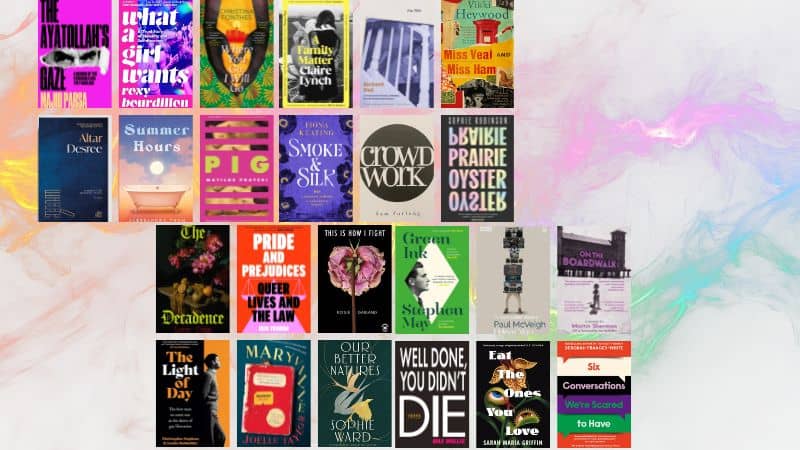
The dynamics unfolding in Colombia mirror a sweeping global trend. Across Europe and North America, event tracking indicates a sharp rise in book club activities, driven by a growing desire for physical and digital sanctuaries amid pervasive digital saturation. A major catalyst behind this international expansion is the unexpected convergence of social media and physical reading, largely fueled by Gen Z and the global #BookTok ecosystem. Rather than displacing traditional literature, short-form video platforms have turned reading into an aesthetic, highly social movement. Viral digital recommendations regularly translate into real-world reading groups, driving massive surges in library memberships, physical book sales, and local meetup registrations worldwide.
Furthermore, modern international book clubs are increasingly defined by strategic hybridization. The most successful global groups seamlessly blend online reach with offline intimacy—utilizing platforms like Discordor Fable for continuous textual analysis while hosting localized, in-person discussions in neighborhood cafes and public spaces. International reading lists have also increasingly prioritized diverse, historically underrepresented voices, making global book clubs active participants in reshaping the international literary canon.
Ultimately, the worldwide resurgence of the book club demonstrates that readers are actively seeking environments for slow, deliberate reflection. In converting the solitary act of reading into a shared social practice, these communities are not only preserving the value of literature, but also rebuilding essential human connection across an increasingly fragmented world.
See all the latest news from Colombia and the world at ColombiaOne.com. Contact our newsroom to report an update or send your story, photos and videos. Follow ColombiaOne on Google News,Facebook,Instagram,TikTok and subscribe here to our newsletter.



1 Comment