
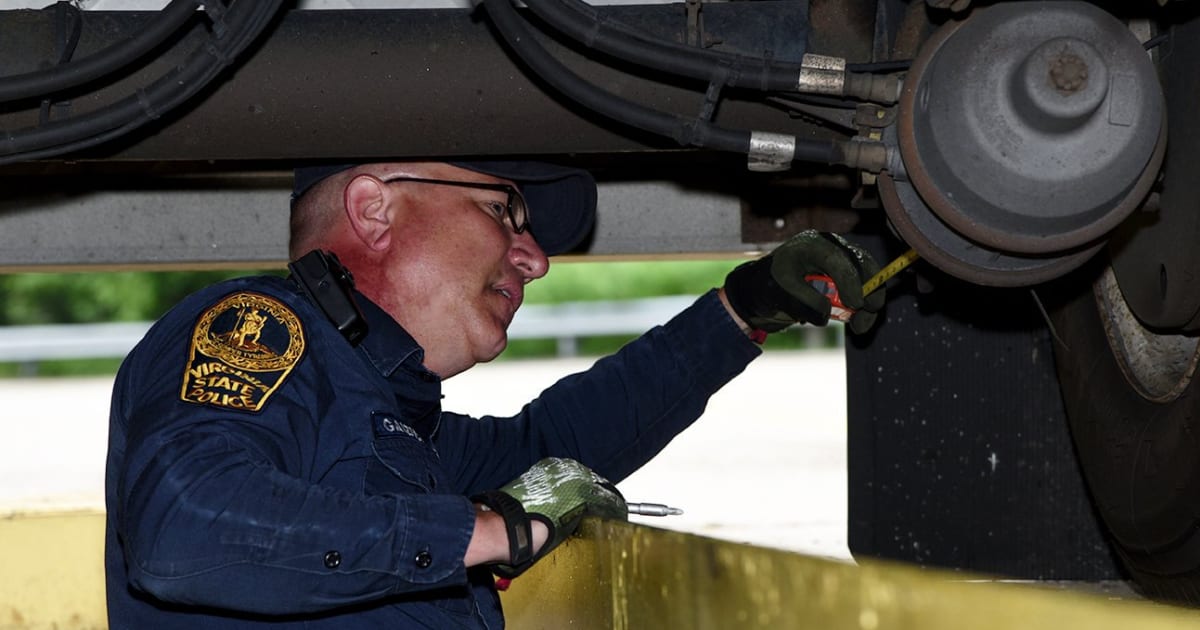
During CVSA’s 2026 Brake Safety Week, inspectors placed nearly 2,400 commercial vehicles out of service for brake violations, including problems with defective brakes, hoses, drums and rotors.
Staff Writer・Editorial
Read Staff’s Posts
November 9, 2026
3 min to read
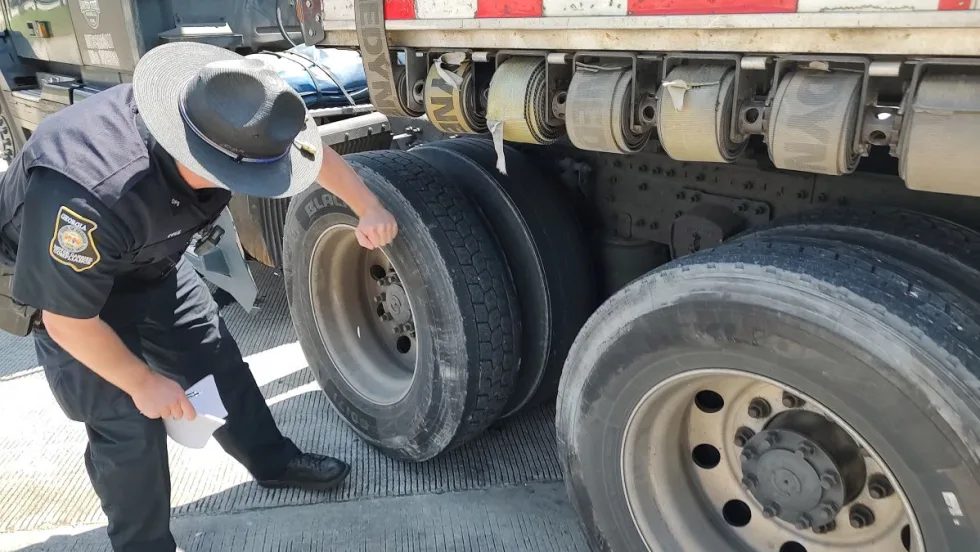
More than one in seven commercial motor vehicles inspected in the U.S. during the Commercial Vehicle Safety Alliance’s 2026 Brake Safety Week had brake problems serious enough to take them off the road.
Inspectors placed 2,134 vehicles out of service for brake-related violations during the Aug. 23-29 enforcement campaign. That’s 15.1% of the 14,165 vehicles inspected in the U.S.
The results were little changed from 2025 Brake Safety Week, when nearly 15% of commercial vehicles inspected in the U.S. were placed out of service for brake violations.
The seven-day campaign focused on identifying brake-system violations and educating drivers and motor carriers about the importance of properly functioning brakes.
Defective Brakes a Major Problem
Across the U.S., Canada and Mexico, nearly half of the vehicles placed out of service for brake violations — 1,176, or 49.6% — failed to meet the 20% defective-brake criterion.
Under that standard, a vehicle or combination is placed out of service when 20% or more of its service brakes have an out-of-service condition.
The findings echo the results of 2026 International Roadcheck, when brake problems again topped the list of vehicle out-of-service violations.
Inspectors also reported a range of other brake problems across North America, including:
- 600 out-of-service violations involving brake hoses or tubing.
- 145 violations involving excessive air loss.
- 119 violations for steering axle brake conditions other than linings.
- 92 violations involving steering axle brake linings.
- 759 other brake-related out-of-service violations, including problems with air tanks, tractor protection systems, parking brakes, and low-air warning devices.
Vehicles could have more than one violation.
Brake Drums and Rotors Under Scrutiny
As announced ahead of the campaign, inspectors paid special attention to brake drums and rotors during this year’s Brake Safety Week.
Across North America, inspectors reported 141 drum and rotor violations, resulting in 64 vehicles being placed out of service.
The most frequently reported problem was rusted rotors, with 48 violations, followed by broken drums with 36, broken rotors with 33, and metal-to-metal contact with 24.
Most of the rotor violations involved air disc brakes, while all 36 broken-drum violations involved S-cam brakes.
Testing Brake Performance
Inspectors in 12 U.S. jurisdictions also used performance-based brake testers to measure how effectively vehicles could stop.
Of the 657 vehicles tested using this equipment, 29 failed to meet the required minimum braking efficiency of 43.5% and were placed out of service. That’s a 4.4% failure rate.
Unlike a visual inspection of individual brake components, performance-based brake testers evaluate a vehicle’s overall braking performance.
Brake Safety Beyond Inspection Week
Most of the inspections conducted across North America during Brake Safety Week — 91% — were North American Standard Level I Inspections.
These 37-step inspections examine both driver qualifications and vehicle mechanical condition. Brake checks include adjustment, linings, pads, air systems, hoses, chambers, and other components.
CVSA emphasizes that brake safety requires attention beyond the annual enforcement campaign. Regular inspections, preventive maintenance, and prompt repairs can help fleets identify problems before they lead to roadside violations or equipment being placed out of service.
Brake Safety Week is part of CVSA’s Operation Airbrake program, which combines enforcement and education to improve commercial vehicle brake safety.
Next year’s Brake Safety Week is scheduled for April 18-24, 2027.
Unlocking the performance advantages of PC-12
2027 will mark the arrival of a new generation of heavy-duty engine oils. PC-12 reflects how far engine design has advanced and the demands that progress places on heavy-duty lubricants. Here’s what the transition means to your fleet.

6 Tips for Troubleshooting Cold-Weather Truck Problem: Don’t Guess, Diagnose it
Cold weather can expose hidden truck problems. Discover six practical troubleshooting tips to pinpoint the cause, avoid unnecessary repairs and keep trucks on the road.

Fuel Smarts•byDeborah Lockridge•October 27, 2026
How GP Transco Builds Fuel Savings a Fraction at a Time
Aerodynamic specs, solar panels, and driver incentives help GP Transco turn small efficiency gains into savings it can reinvest in its people.
From Our Partners
Sponsored byPetro-Canada Lubricants Inc


Maintenance•byDeborah Lockridge•October 23, 2026
Oil Crisis Squeezes Trucking Lubricant Supplies
Fleets report higher lubricant costs as Middle East disruptions tighten supplies of ingredients used in synthetic engine oils and some driveline lubricants.
Maintenance•byNews/Media Release•October 16, 2026
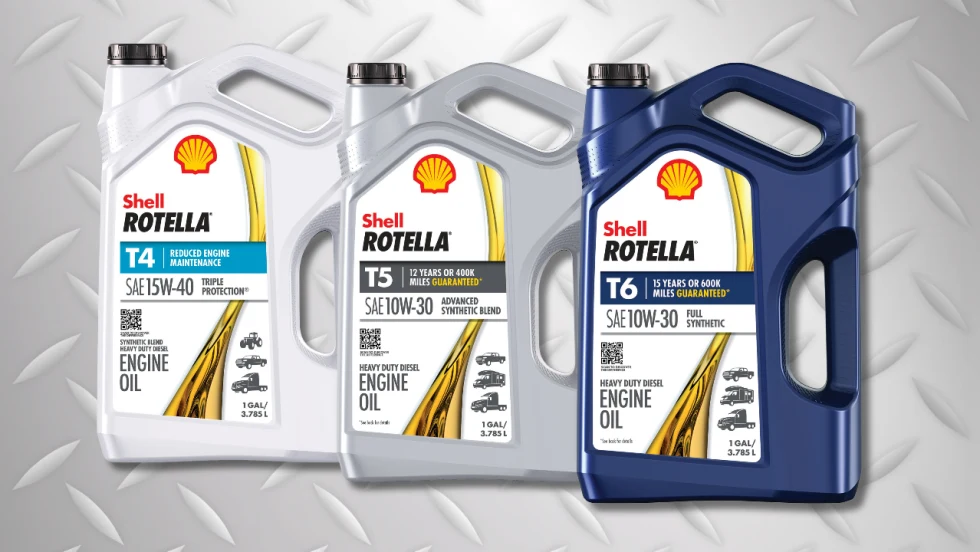
Shell Prepares Rotella Oils for 2027
New CL-4 and FB-4 formulations will begin arriving in early 2027, with improved protection against oil breakdown, wear and deposits

Maintenance•byNews/Media Release•October 6, 2026
Mack Expands Extended Coverage With Four Chassis System Plans
Mack Trucks’ new system-specific coverage options allow heavy-duty fleets to select protection for driveline, cab, HVAC, electronics, and advanced safety components.
What an Out-of-Service Order Really Costs, and How to Plan for One
The repair invoice is the first number you see — and often one of the smallest. Here’s what else an out-of-service order can cost a fleet, and how planning can reduce the damage.

International Launches Online Truck Parts Store
Fleetrite.com lets fleets and repair shops find OEM and all-makes parts, check prices and availability, and order without calling a parts counter.

Maintenance•byNews/Media Release•October 2, 2026
Continental Introduces New Regional Truck Tires
Continental says its new Generation 5 steer and drive tires for regional operations offer longer tread life, with estimated mileage gains of 22% and 19%, respectively.

Fleet Management•September 16, 2026
Color Match Smarter: Tools That Restore & Perform
For fleet managers and collision repair professionals keeping heavy-duty trucks on the road, getting the color right the first time isn’t just about appearance — it’s about efficiency, turnaround time, and bottom-line results. Discover how today’s digital color tools are transforming the repair process from guesswork to precision.





1 Comment