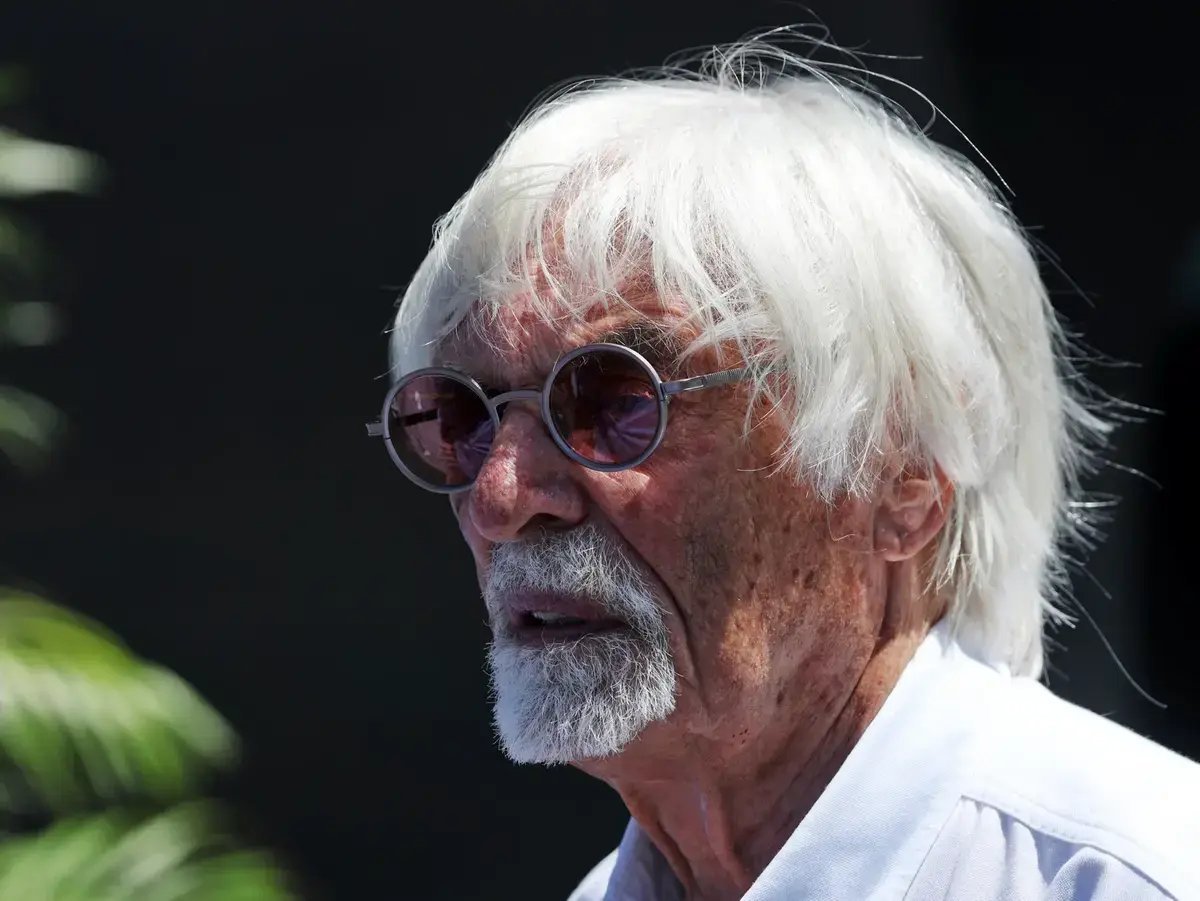
The roar of V8 engines may soon break Formula 1’s electric silence, as Bernie Ecclestone throws his tremendous weight behind a movement to bring back the roaring powerplants that once defined the sport.
Former Formula 1 boss Bernie Ecclestone has publicly backed an ambitious campaign led by FIA president Mohammed Ben Sulayem and F1 CEO Stefano Domenicali to re-introduce larger, more visceral engines into Formula 1, possibly by 2030 or 2031. This proposal, currently making waves through the upper echelons of motorsport politics, could see the hybrid V6 era sent to the scrapheap in favor of a return. The raw, high-revving spectacle of V8 engines – possibly even V10s or V12s – paired with streamlined hybrid technology and sustainable fuel.
This is not just a trip down memory lane. The pressure for bigger engines comes as F1 faces increasing criticism from fans and drivers alike over the current generation of ultra-complex power units. The sport’s governing body, the FIA, is committed to injecting new excitement and reducing rising costs by simplifying hybrid systems and adopting the latest advances in sustainable fuel technology. Industry insiders suggest that moving away from the pure electric hype, the automotive world is rethinking its EV commitments, making the case for a spectacular, noisy comeback more compelling than ever.
Ecclestone, never one to mince words or shy away from controversy, made his position clear during a media briefing at the recent Austrian Grand Prix. “That’s one of two things I hope (Ben Sulayem) is going to do in the future,” Ecclestone declared. “A three-liter engine. I don’t care if it’s a V8 or V10 or V12. I think you’ll probably all be happy with it. I think it’s the right thing to do.”
His support comes amid huge frustration from top drivers – none more prominent than reigning world champion Max Verstappen, who has repeatedly condemned the labyrinthine rules governing F1’s current power units. Verstappen has openly questioned whether he would remain in the sport if cars did not become more thrilling and less obsessed with energy conservation. Recent changes have slightly altered the balance between combustion and electric power, but for many purists, it is too little, too late.
Ecclestone was clear in his assessment of Verstappen’s criticisms: “He was right to be criticised. I think the rules were not necessary for what was done. And that’s what Max was complaining about.” The former supremo’s words echo a growing belief that F1 has lost its intrinsic appeal – and only a seismic technical overhaul can recapture the magic.
The political chess game now centers on manufacturers, whose buy-in is essential to any sweeping rule changes. Ecclestone remains bullish. He said, “(Ben Sulayem) would love it if all the teams raised their hand and said this is fantastic, and I’m sure they would if they weren’t controlled by a manufacturer.” “And I think producers will be on board with it, because it’s obvious.”
what happens next? Battle lines have been drawn. If Ecclestone’s vision becomes reality, Formula 1 could be on the cusp of its most radical transformation in decades – promising to reawaken the senses, cut costs and ultimately answer critics who are calling for a return to the drama and danger that made the sport famous. The next few years will be decisive. Will F1’s power brokers dare to bring back the symphony of V8s, or will the electric age continue its silent march? One thing is certain: the race for the soul of Formula 1 has begun again, and the stakes have never been higher.
Don’t miss a second with the new app where you can watch live timing of MotoGP, Formula 1, NASCAR, IndyCar and much more: just press – Here (Free for all users)