Updated June 26, 2026 10:33 am
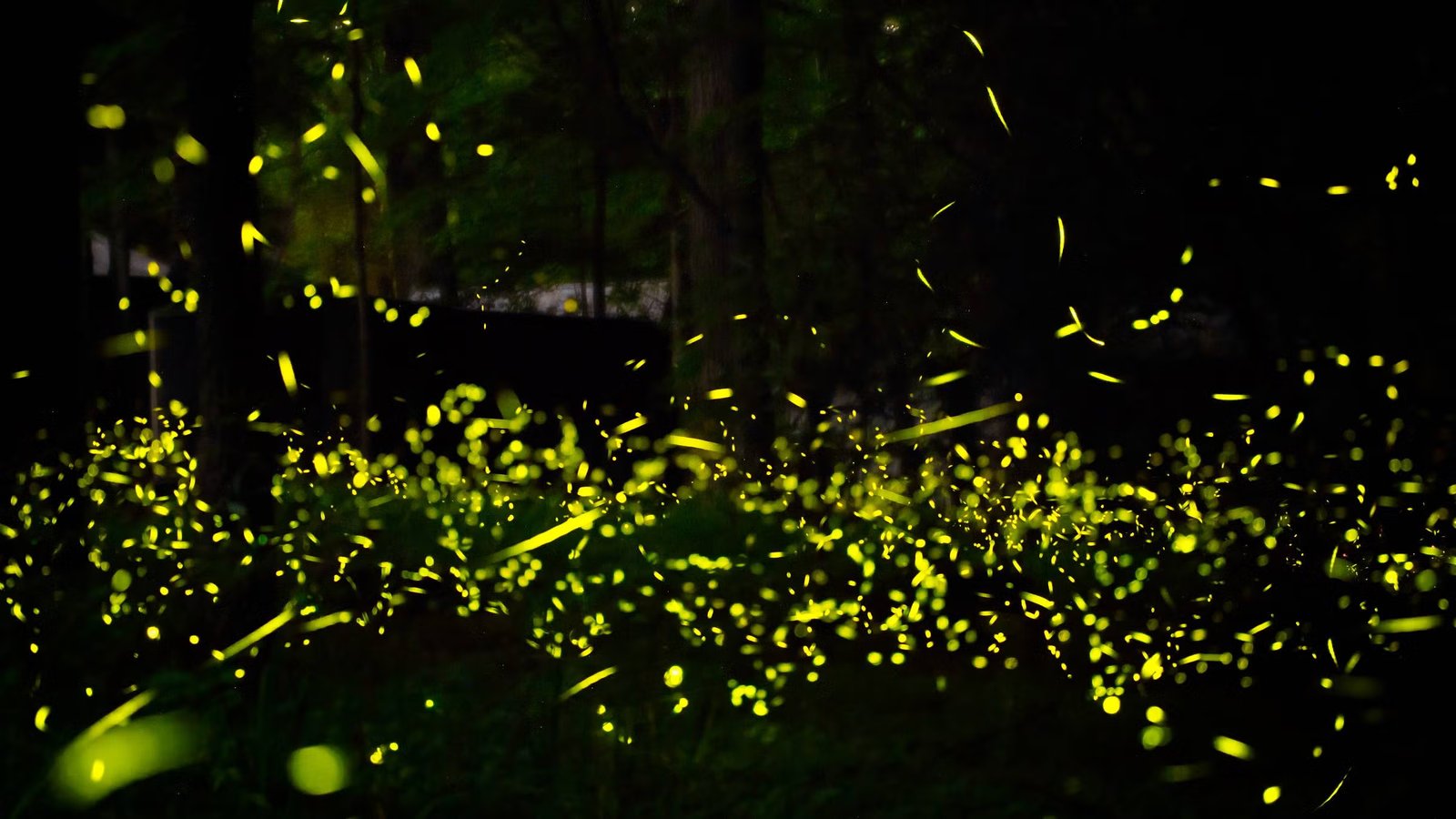
Late spring through summer brings one of nature’s most impressive displays as thousands of fireflies come alive in the wild forests, grasslands and river valleys across the country.
Growing up in southern Virginia, where fireflies were a staple of summer evenings, I have spent countless nights watching them light up fields and backyards after sunset. Over the past few years, I have continued to follow them everywhere from local trails to national parks. Still, as an adult, there are few experiences more magical than seeing hundreds of tiny lights twinkling in the night sky.
As temperatures rise and humidity increases, millions of what some might call “lightning bugs” appear in synchronized displays, such as in the peaceful grasslands of Cuyahoga Valley National Park, in the Great Smoky Mountains. National parks provide ample viewing opportunities due to their protected habitats and minimal light pollution, allowing fireflies to shine exceptionally bright in the dark skies.
The chance to see them may be coming to an end in some areas of the country, but here are five national parks where you can still experience firefly season at its peak — and the show is just as dazzling.
Shenandoah National Park
Shenandoah National Park The Blue Ridge Mountains of north-central Virginia are known for their beautiful scenery, waterfalls, and abundant wildlife, but its protected forests and grasslands also provide ideal living conditions for fireflies. Every summer, these glowing insects emerge throughout the park, creating one of the area’s favorite seasonal displays.
As a Virginia native, I’ve spent countless hours exploring the Shenandoah area, from beautiful autumn drives along Skyline Drive to hiking its most popular trails in the spring, but firefly season is always one of my favorite times of year to visit. One of the best places in the park to experience this Big Meadows CampgroundWhere the open fields provide ideal views after sunset. Warm summer evenings create a dreamlike atmosphere for the common eastern firefly, and after dusk visitors can begin to see the glow in the meadows against the backdrop of the mountains.
Tips for visiting: The best time to see fireflies in Shenandoah is between June and August. On hot, humid evenings, visitors can begin to see the glow about 30 minutes after sunset, with activity often continuing until about 10 p.m. Arriving before dark and allowing your eyes to adjust will give you the best viewing experience.
Kangri National Park
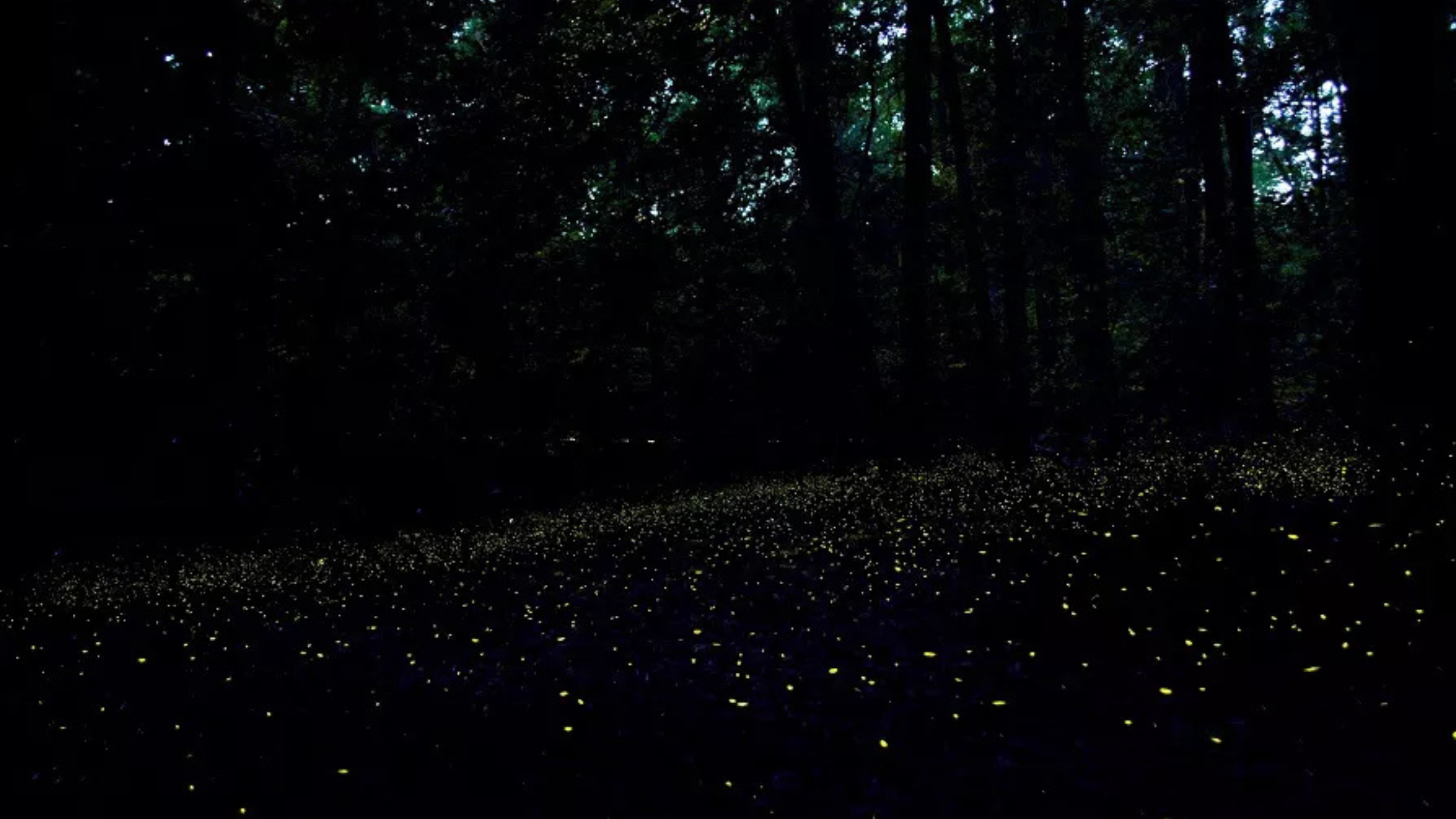
A lesser-known national park, but one of the best places in the country to see synchronized fireflies Kangri National Park In South Carolina. Each spring through summer, thousands of synchronized fireflies gather throughout the park, glowing together and creating a mesmerizing light show beneath the towering old-growth forest canopy. After spending several nights exploring South Carolina, I have seen firsthand how magical these fireflies can be.
While the phenomenon was once known only to scientists and local visitors, growing interest in firefly tourism has drawn national attention to the park’s annual display. The park’s humid climate, abundant waterways and protected forest habitat create a sanctuary for synchronized fireflies to thrive, helping support one of the most reliable displays in the Southeast. You’ll have to be quick to catch them, as viewing season usually lasts until early July.
Tips for visiting: Like the Smokies, Congaree manages peak firefly viewing through a lottery system due to high demand. Visitors can enter the lottery for a $1 application fee, and those selected must pay an additional $24 event fee to secure their reservation.
During the viewing period, visitors are required to remain in place firefly pathAn easy 1.8-mile trail that passes through some of the park’s best firefly habitat. The display is best viewed around 9-10 pm, using a red-filtered flashlight and avoiding bright light will help protect the fireflies and ensure the best viewing experience.
Cuyahoga Valley National Park
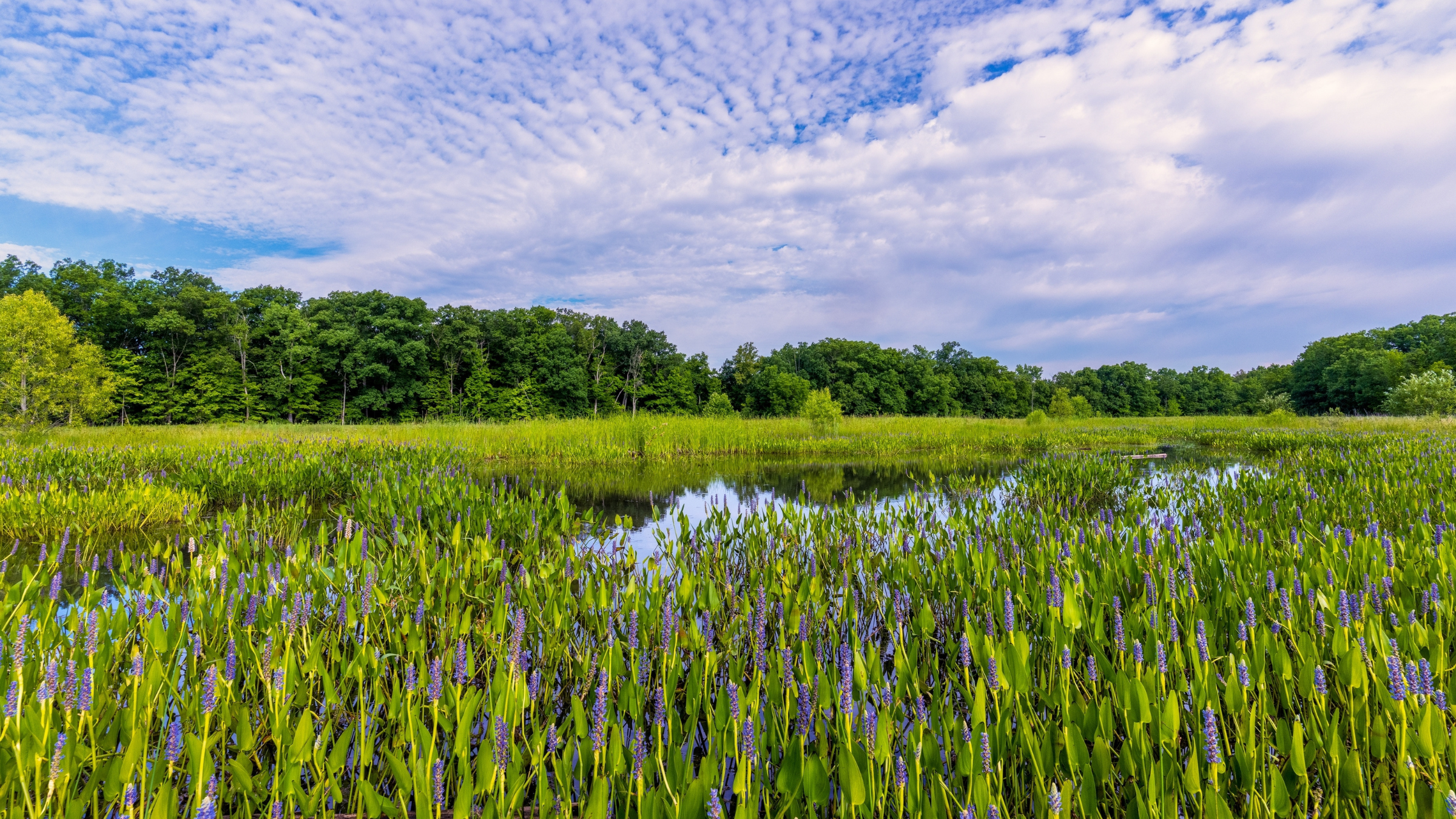
Located between Cleveland and Akron, Cuyahoga Valley National Park It is often celebrated for its waterfalls, scenic railroad and hiking trails. However, it is also home to an impressive diversity of fireflies (up to 24 species). The combination of wetlands, grasslands, and forested areas provides the conditions necessary for these insects to thrive, making the Cuyahoga Valley one of the best national parks in the Midwest for seeing fireflies during the summer months.
Tips for visiting: Fireflies are most commonly seen in June and July in the Cuyahoga Valley, especially in the lowland forests around Beaver Marsh and the open fields along the river. Ohio and Erie Canal Towpath Trail. Other accessible viewing areas, including Kendall Hills, are easy to reach from nearby parking areas for those who do not want to venture far from their vehicles.
Ohio and Erie Canal Towpath Trail
Mammoth Cave National Park
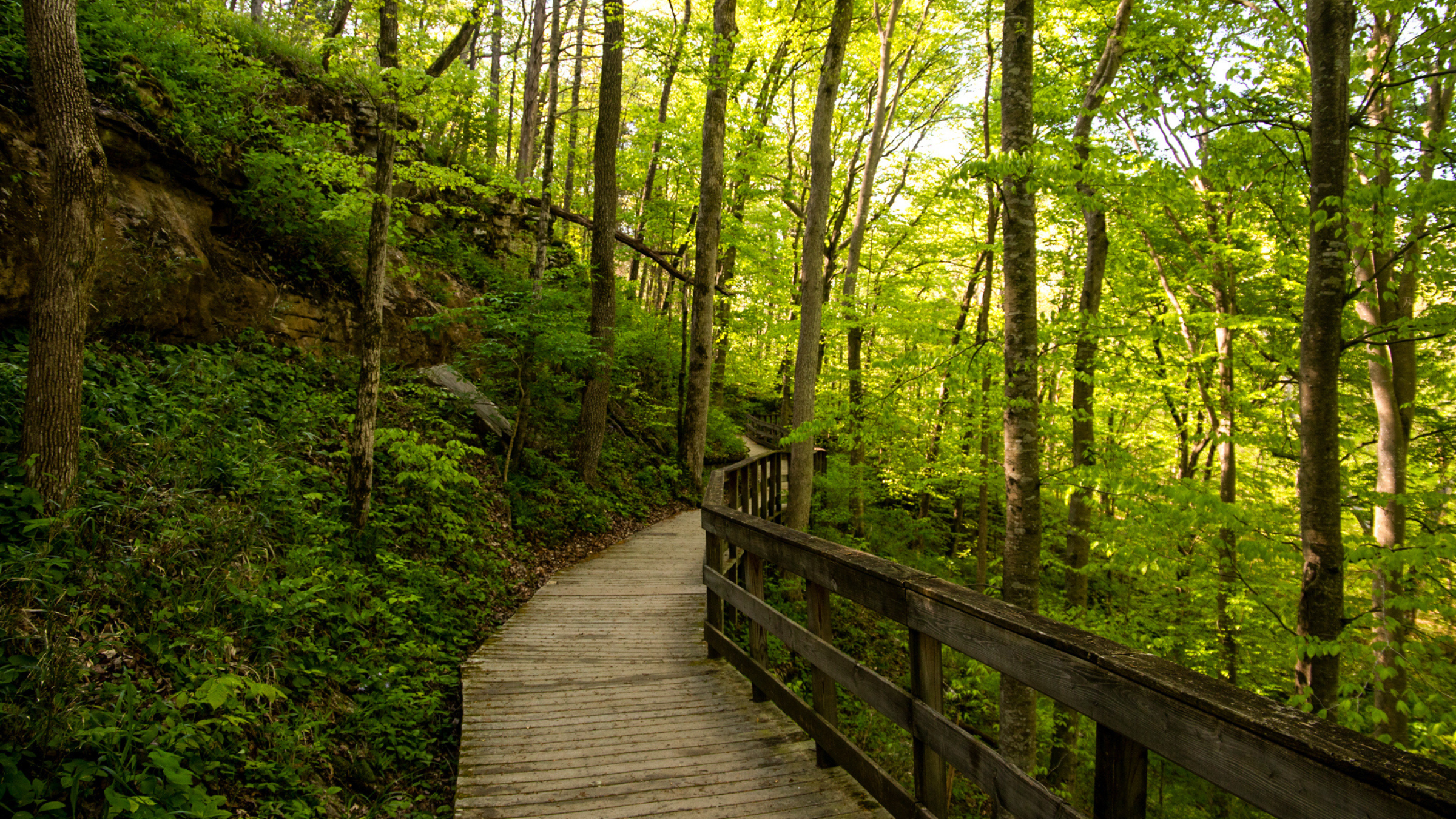
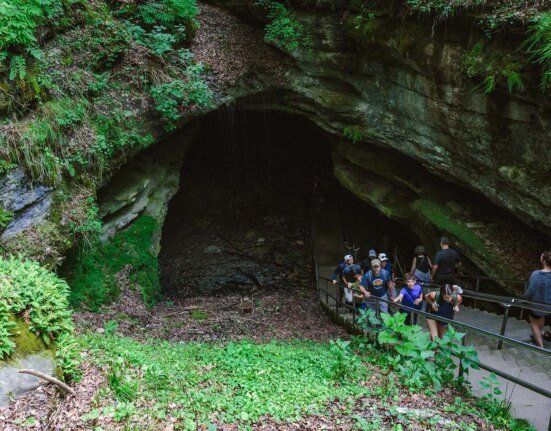
Whereas Mammoth Cave National Park Located in south-central Kentucky, home to the world’s longest known cave system, its above-ground landscapes offer another spectacular natural wonder during the summer months. As daylight wanes, the landscape of the national park begins to glow with countless fireflies.
Mammoth Cave’s protected forests, wetlands and river corridors provide an ideal home for fireflies and other nocturnal wildlife. In recent years, the park’s nocturnal atmosphere has received additional recognition due to its designation International Dark Sky ParkHelps preserve natural darkness and provides excellent conditions for viewing fireflies.
Mammoth Cave is known for its combination of truly dark skies with an amazing firefly display and its famous cave system, making it a unique and memorable place to visit during the warmer months.
Tips for visiting: Firefly activity at Mammoth Cave typically peaks from mid-June to mid-July, when summer evenings bring steady warmth and humidity.
Indiana Dunes National Park
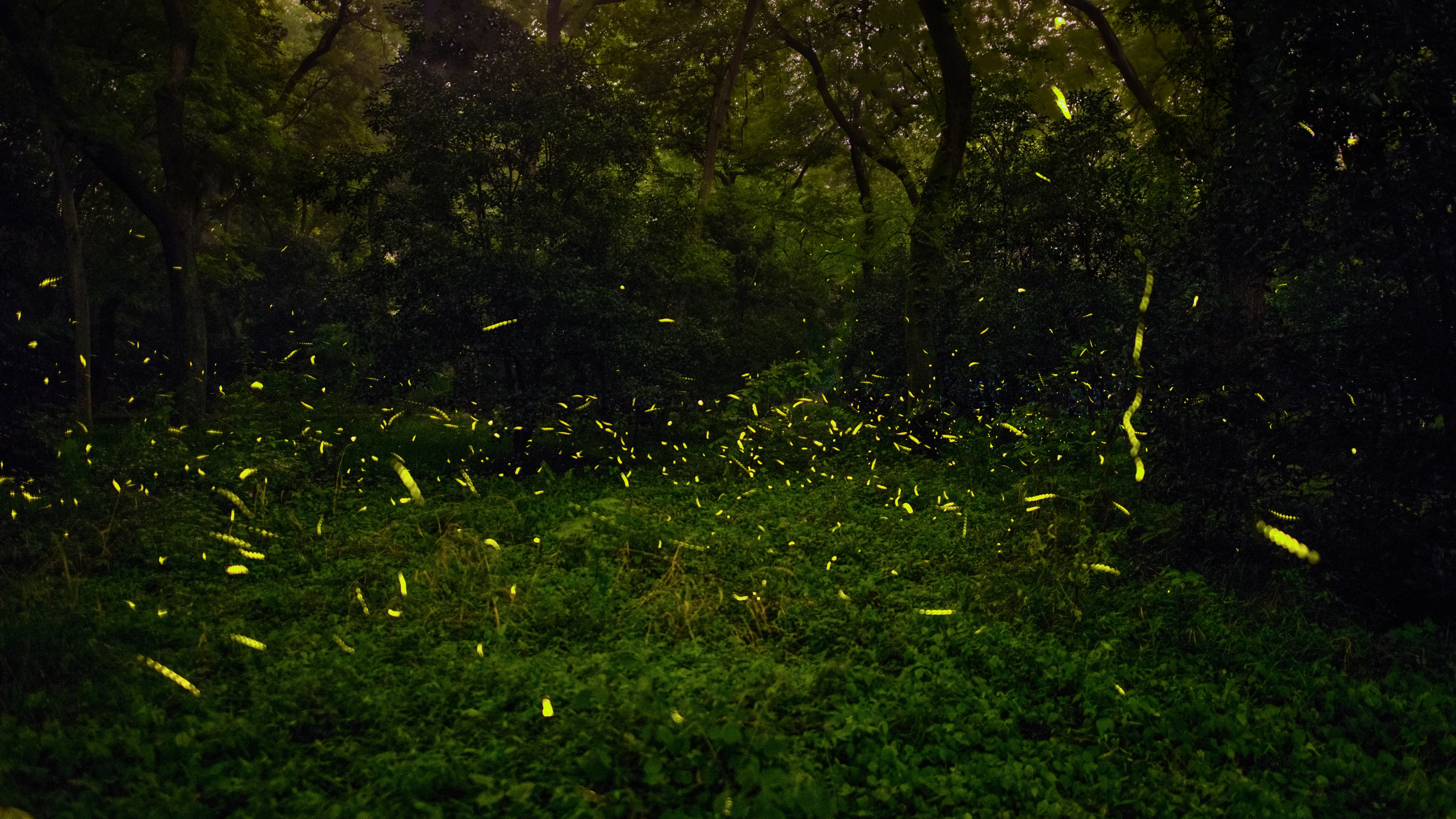
Located on the southern shore of Lake Michigan, Indiana Dunes National Park offers a stunning mix of landscapes where fireflies thrive in the summer. The park’s wetlands, savannas, and wooded areas make for prime habitat to visit after the sun goes down, especially in the quieter, less developed parts of the park. Additionally, its northernmost location in the United States adds an unexpected bonus on clear nights, when visitors may even catch a glimpse of the Northern Lights on the rare occasions when there is a solar flare.
Tips for visiting: The two best places to experience the fireflies in the park are Cowles Bog TrailA 4.7-mile loop through wetlands and forest, and Great Marsh TrailA 1.3-mile short trail that provides easy access to wetland viewing areas. Both trails provide excellent conditions for viewing fireflies after sunset, especially on warm, humid evenings with minimal wind.
Great Smoky Mountains National Park
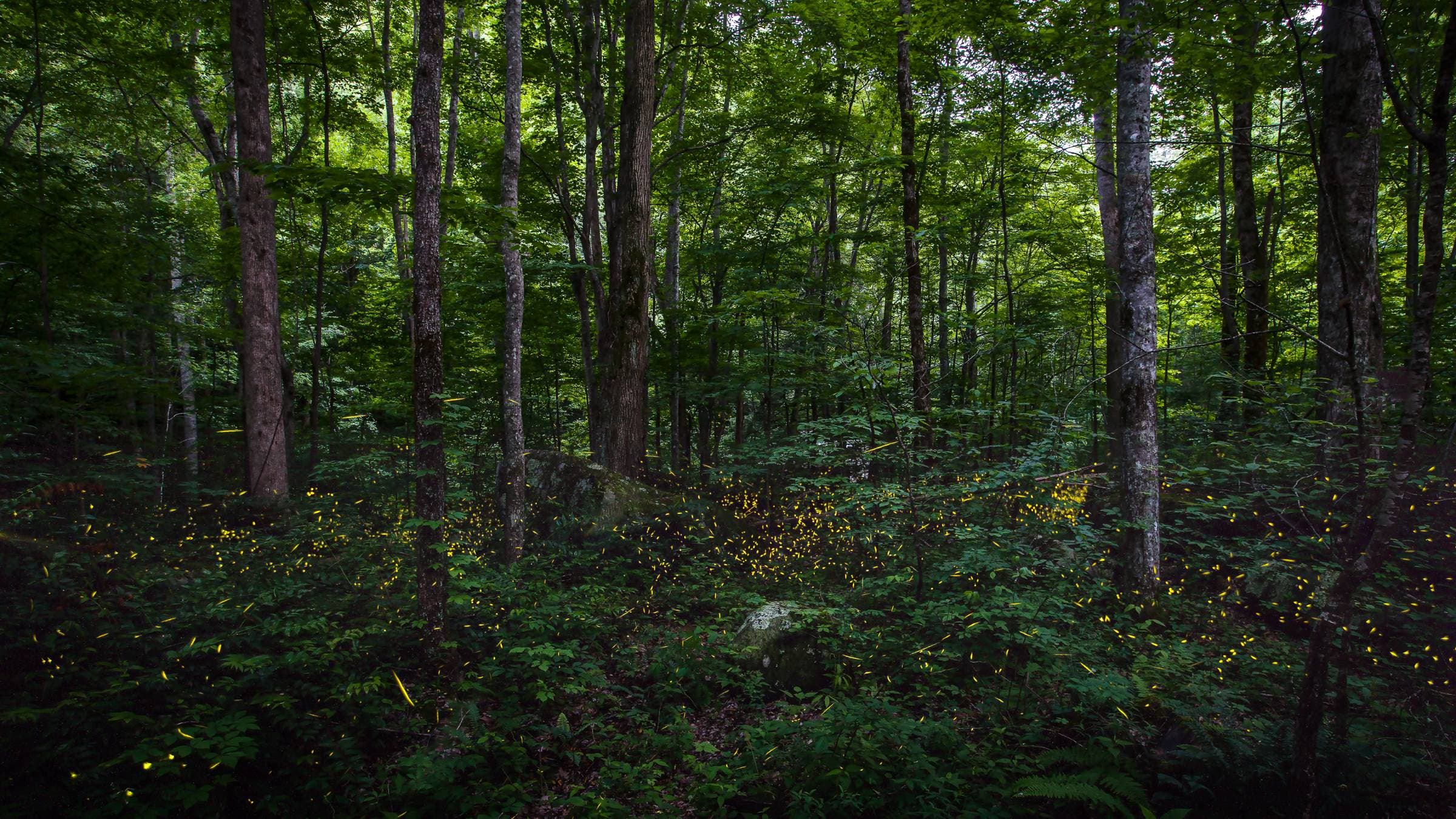
We’re on the tail end of one of the most remarkable firefly displays ever to occur in the National Park System great smoky mountain National park in Tennessee. Each year thousands of synchronized fireflies illuminate the forest in unison, found primarily in the Elkmont area of the park. These rare insects glow together in coordinated patterns, creating a natural light show unlike anything else in North America. Scientists are still studying why synchronous fireflies synchronize their glow, which adds an element of mystery to the spectacle.
Tips for visiting: Due to overwhelming demand, the Great Smoky Mountains National Park manages access to the synchronized firefly displays through an annual lottery system. Visitors can enter the lottery in April, usually for a $1 application fee. Winners are notified in May and must pay an additional $29 reservation fee to help cover staffing and operating costs for the program.
It’s never too early to set a reminder for next year’s lottery. The park designates an eight-night viewing window during peak firefly activity, allowing winemakers to select a preferred viewing date and alternative options. Visitors should arrive before sunset, use only red-filtered flashlights, and avoid flash photography or bright phone screens to help protect the fireflies and preserve the experience for others.