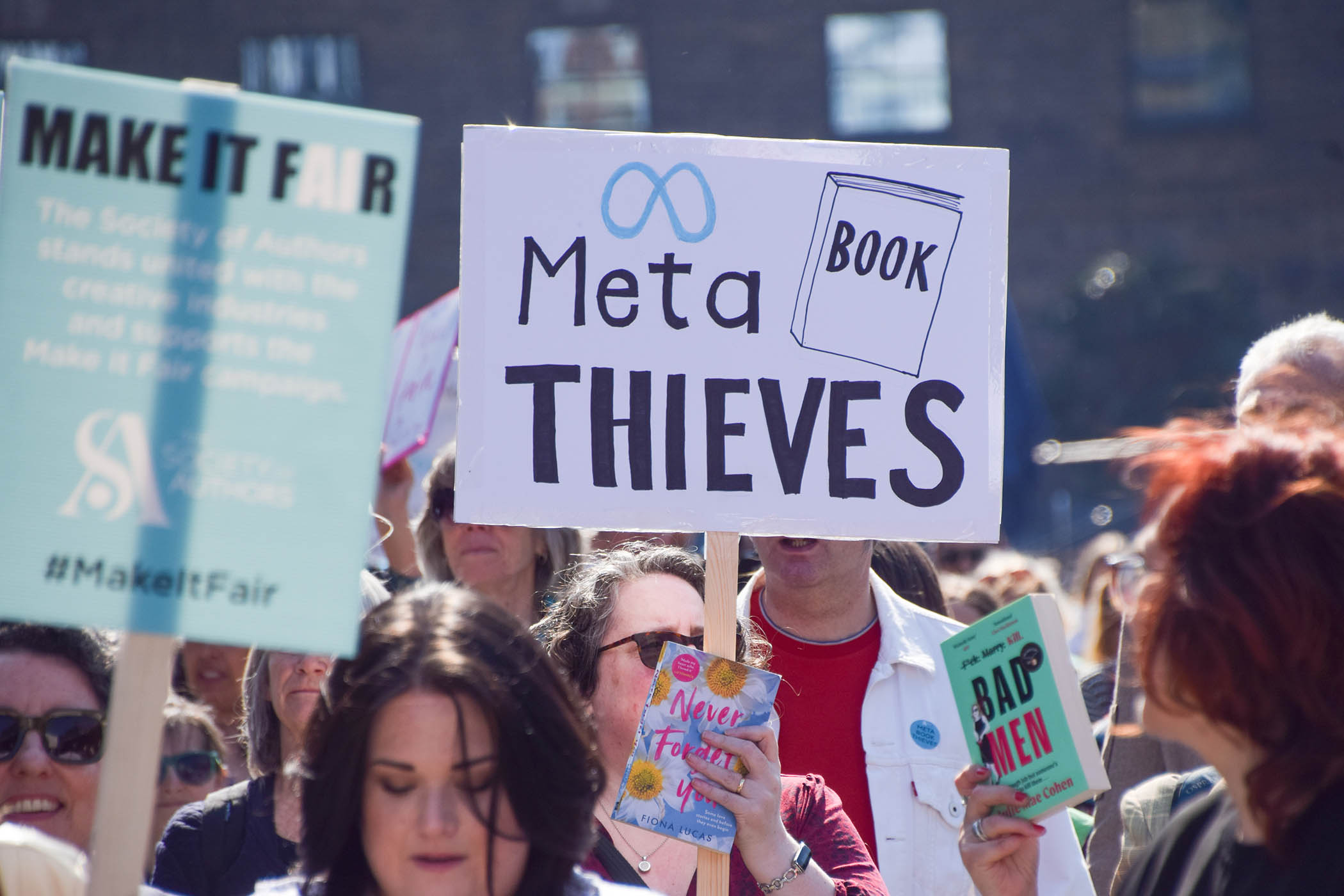
The news last week that the seven co-founders of Anthropic have each made about $20bn as a result of the largest IPO in history is devastating for writers but not unexpected. We all know that Anthropic used pirated copies of some 7m books to create its AI system and now the firm is cashing in.
While some writers in America are being offered small sums in compensation, authors in the UK will get nothing if their work isn’t copyrighted in the US. But who exactly is at fault in all of this? It is easy, and correct, to demonise Anthropic – but the bitter truth is that UK publishers have done nothing to help authors.
When the use of our work was first discovered on 25 March 2025, writers reacted quickly. It had been revealed that Meta allegedly downloaded terabytes of pirated books through the “shadow library” LibGen to train its generative AI system, Llama. Meta denies these claims. At the Hay Festival in May, I expected everyone to be talking about what would soon be described as “the greatest heist in human history”.
Instead, there was silence
Instead, there was silence. Were publishers simply too shocked to speak? After all, Meta’s huge breach of copyright had effectively destroyed the business model of the entire publishing industry. I expected formal communications from my publisher saying they would be seeking compensation and ensuring nothing similar could happen again.
Eighteen months later and I haven’t heard a word. Instead, after the revelations some publishers started to ask authors if they would like to license their remaining work. This is the equivalent of a burglar who, having just ransacked your house, knocks on your door to say that, unfortunately, he left a few bits and pieces behind. Might you want to sell?
‘My writing process is unusual,’ says prize-winning author accused of being AI
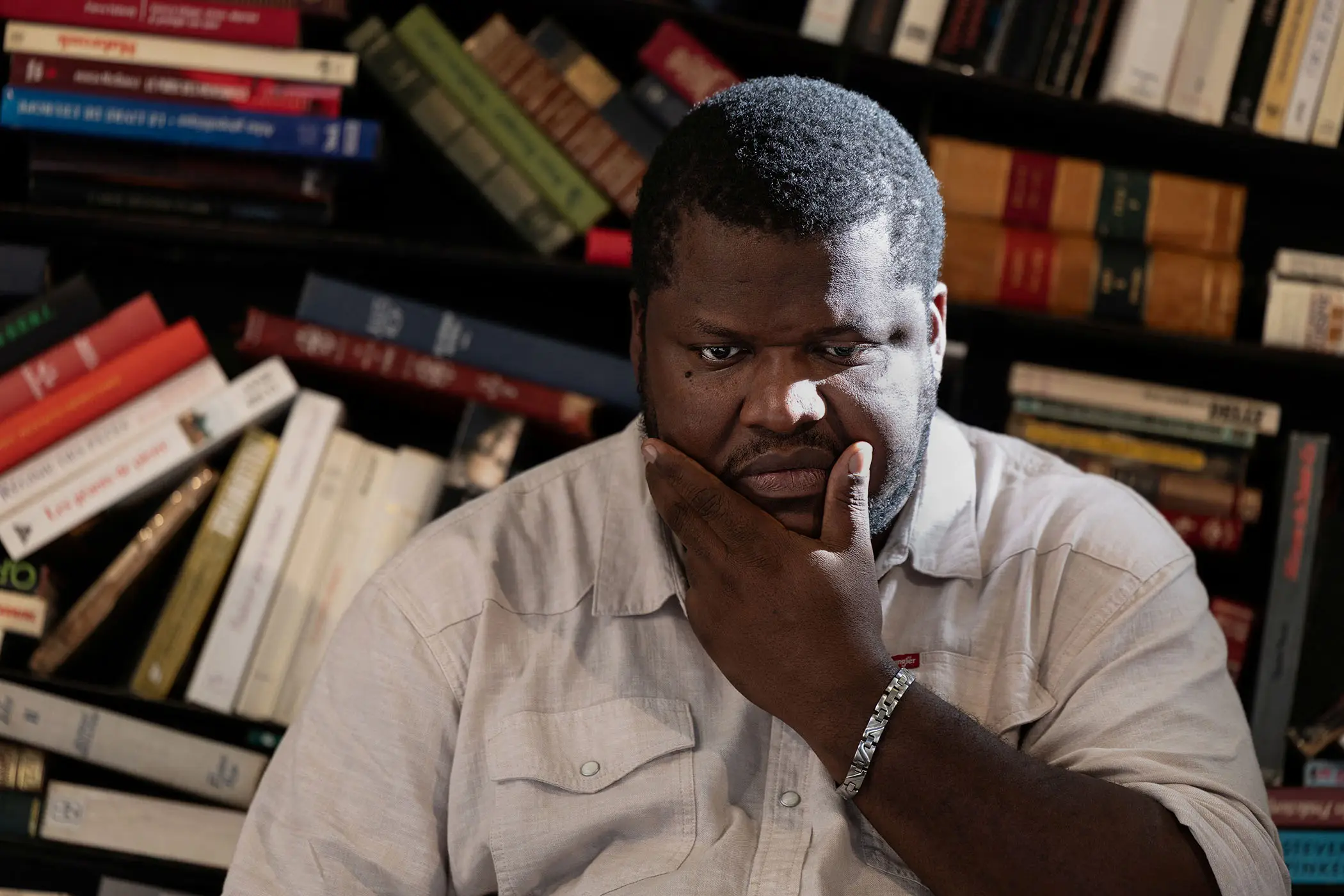
I’m ‘under threat’ because AI thinks Black writers aren’t human
Some publishers offered writers a 20% royalty for the remaining work (and kept 80% for themselves). The Society of Authors (SoA) made clear that no writer should be offered less than 50%. They were ignored. Writers who have been offered cash are the lucky ones. Some academic publishers licensed work and gave writers nothing.
Now, inevitably, the victim becomes the offender
Now, inevitably, the victim becomes the offender. Literary agents complain about authors submitting AI-generated work. Authors have been subject to witch hunts because systems that are known to be unreliable tell us they may have used AI. BAME writers are the key targets. Always best to go for those who may be less able to defend themselves.
I am certainly not excusing writers who conceal their use of AI. But let’s be clear: this is an ugly smoke screen being used to obscure the hypocrisy of publishers. Their websites tell authors what they must not do with AI. But mainstream publishers are using it widely – for cover copy and publicity and the like – themselves.
Tor (part of Macmillan) just withdrew a cover after it was discovered that AI had been used to create artwork for a fantasy novel by Ilona Andrews (the pen name of husband-and-wife team Ilona and Andrew Gordon). The writers were alerted to the issue by fans online who questioned the publisher, which then admitted the problem.
Now publishers are saying illustrators must provide evidence
Now publishers are saying illustrators must provide evidence they have not used AI. But why is the responsibility falling on human illustrators and not those who are using AI? Writers are also being asked to provide such evidence. Admittedly, any professional writer should be able to provide evidence immediately.
For most writers, the power imbalance between them and their publishers is so vast that they simply have to keep their mouths shut. Their only hope of financial survival is a contract for a new book issued by a mainstream publisher. But increasingly, writers are speaking up because they have nothing left to lose.
In 2022 the Authors’ Licensing and Collecting Society found that writers earn a median income of £7,000 per year (a drop of 33% since 2018). In 2026, a SoA report relating to AI found that 86% of authors reported reduced earnings. Recently, the SoA faced backlash when they signed a charter promoting the ethical use of AI. Many writers responded by saying unequivocally that generative AI has no role in the creative industries.
Publishers have perhaps failed to notice
Publishers have perhaps failed to notice that the tide of public opinion is moving decisively against the structures supporting the AI boom. In the US midterms, datacentres were a major issue turning voters away from Donald Trump. In the UK, planning applications for datacentres have also been defeated. The financial tide is also shifting amid fears of a bubble that must inevitably burst.
My message to mainstream publishers is this: you cannot continue to sit on the fence. Human authors are angry and desperate. You need to publicly assert your support for them now. Mainstream publishers will say that, of course, they do support writers. But actions speak louder than their words.
My hope is that publishers wake up before it is too late. At the very least, honest communication would help. Ideally, publishers will support writers because it is morally right to defend victims. If that fails, then they can surely see that without meaningful copyright protection their business is doomed?
Alice Jolly’s most recent novel, The Matchbox Girl, was the winner of the 2026 Walter Scott prize
Photograph by Vuk Valcic/SOPA Images/LightRocket