The auto industry has never stood still, but the shift from hardware to software has arguably been one of the biggest changes ever. Today’s connected vehicles contain millions of lines of code that control everything from infotainment to driver-assistance features and battery management. As a result, maintenance of a modern car is no longer limited to just changing the oil and replacing tired hardware, but it also revolves around updating the software.
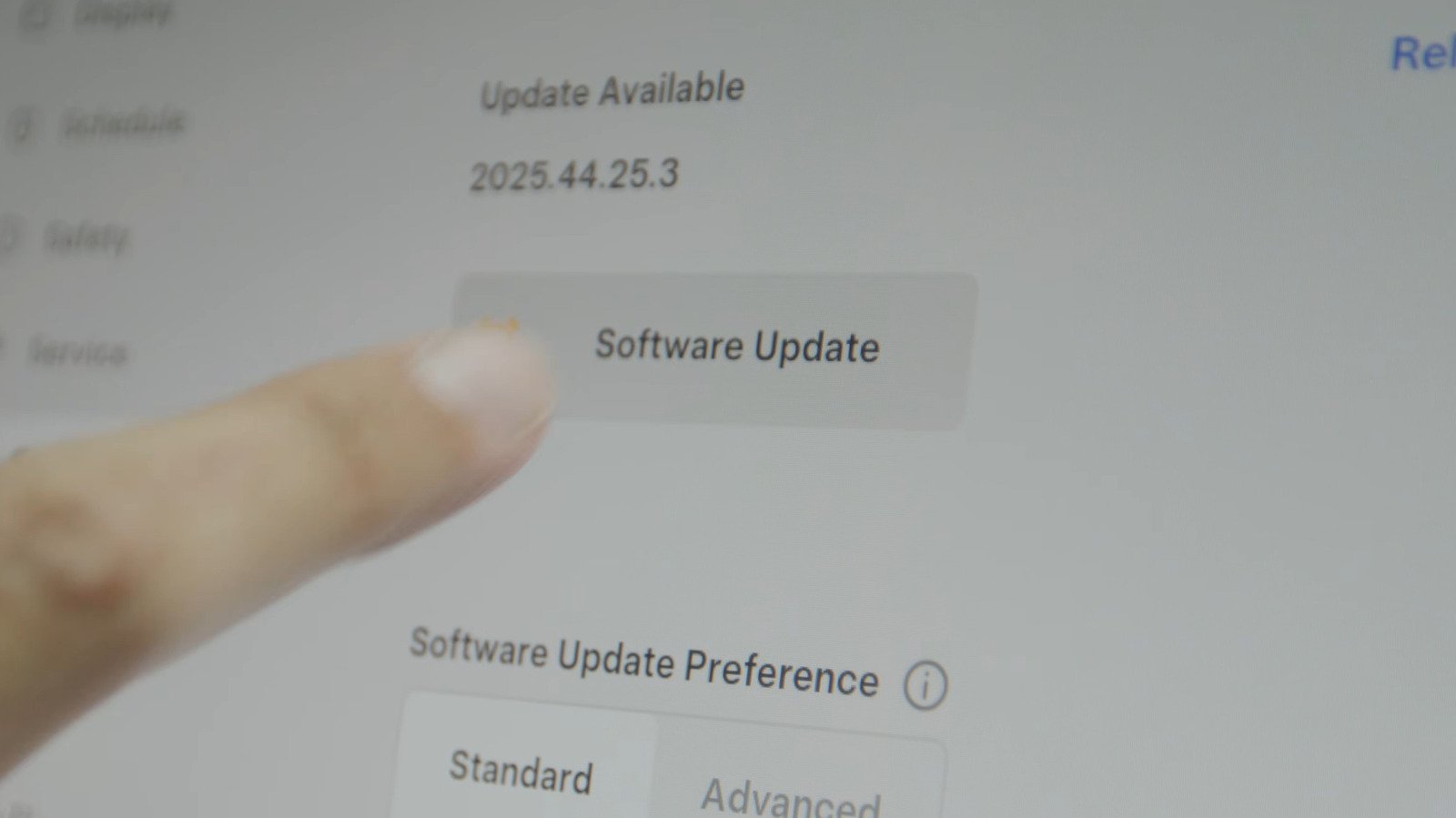
Over-the-air (OTA) updates have become a key part of this new approach, enabling customers to download fixes and improvements remotely, much like smartphone updates without the need for an in-person visit. The benefits of this new approach in the automotive world include eliminating the hassle of dealership visits, the opportunity to get new features after purchase and improved performance.
If this all sounds great, that’s because it usually does, but OTA updates aren’t perfect. Interrupted or failed updates can sometimes render the vehicle immobile, requiring vehicle systems to be reset or even replaced, as well as incomplete updates can result in battery drain, while rushed updates can sometimes bring in more bugs than they fix. Additionally, a connected vehicle also poses cybersecurity and privacy risks. Throughout this article, we explore the various pros and cons.
OTA updates save time and hassle
This should be the main appeal of OTA updates for owners of compatible cars, as taking time out of the week to go to the dealer for a safety recall is a frustrating prospect for many. The convenience of OTA updates has enabled more owners to keep their cars updated, with Renault estimating that 85 to 90% of its OTA-applied vehicles are fully updated, compared to an estimated 60% of its vehicles that require a visit to a dealership for updates.
Most often, OTA updates will require the vehicle to be frozen, which can be a source of frustration. However, fortunately, it is possible to install OTA updates overnight or when the vehicle is no longer needed. Typically, the update will also inform owners how much time it needs to install, so they can plan an appropriate time to schedule it.
Apart from saving dealer visits, OTA updates also allow faster rollout of recalls and repairs. While dealers can only handle so many cars in a day, and so such visits need to be scheduled carefully, OTA updates can be rolled out on a much faster scale, so there’s no longer any wait for glitches and other concerns to be resolved.
New features after purchase
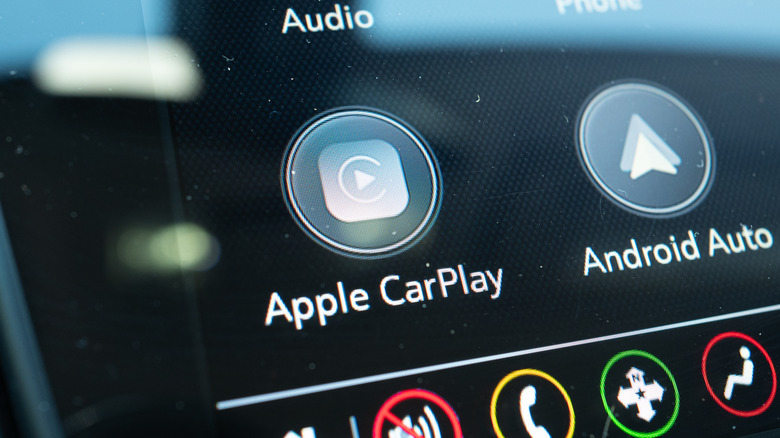
Many of us would love to download new features to our cars, and for owners of connected vehicles, this wish is a reality. Over the years there have been plenty of examples of updates not only fixing glitches and annoying bugs, but also actually introducing new features.
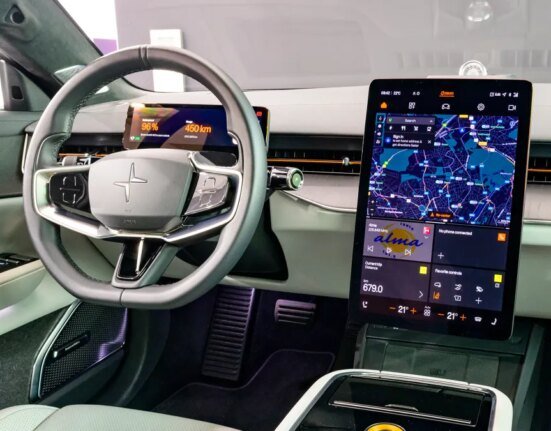
For example, when Polestar deployed its fifteenth OTA update for the Polestar 2, which we first tested in 2021, it included integration of the YouTube app. Sure, it’s hardly a life-changing update, but there’s no doubt that it has made lunch in the car a little more enjoyable for owners. Another example involves Lucid giving owners the chance to install an update that provides access to Apple CarPlay and Android Auto, which is an absolute must-have for many. The ability to simply wake up one morning, get in the car and find new features or a refreshed infotainment display is a fascinating aspect, and it’s a great demonstration of how OTA updates can be used to truly enrich the user’s ownership experience rather than just fixing bugs.
performance improvement
It’s not just useful apps and bugs that can be fixed through OTA updates, but they can also update how various aspects of the car perform. Such updates can get in the way of performance boost, such as Tesla’s Model 3 2019 update that increased horsepower by about 5%, or Polestar’s $1,195 Polestar 2 update, which introduced an additional 68 horsepower when installed.
Other types of performance updates released by automakers are equally beneficial. Examples include a 2018 update that reduced braking distances on Tesla models, and when Porsche updated early Taycan models, which saw the vehicle’s range increase, and improved battery thermal management.
Even the infotainment speed could be improved. Polestar 2 owners have noted online that their infotainment systems certainly seem to be more responsive after the recent update, so OTA updates aren’t just about fixes, they’re about improving the user experience without the hassle of swapping out hardware and scheduling dealer visits.
Privacy and Cyber Security Concerns
However, all is not well in the world of OTA updates, one of the biggest concerns is related to privacy and cyber security matters. Speaking to CNBCS in Singapore. “There is the possibility of a foreign actor sabotaging the controls of a moving vehicle,” said Gabriel Lim, a senior analyst at the Rajaratnam School of International Studies, highlighting the real risks posed to motorists through OTA updates.
As a result of the risks, The American Enterprise Institute recommends Additional safety reviews, in addition to restrictions on foreign-made hardware and software in vehicles sold within the US. Some outlets in the industry are less concerned about security and privacy threats, pointing out that automakers use encryption technologies to keep OTA channels secure, and have to comply with privacy regulations.
Yael Grauer, Consumer Reports program manager for cybersecurity research, he notes The risks are relatively low, and well-designed OTA systems have technologies in place to prevent harmful updates from being installed. She also clarifies that, if any owners are nervous about accepting updates remotely, they can always opt to take them to the dealer, so that each update can be verified by knowledgeable people as an added security measure.
Failed updates can be a real hassle
While the real appeal of OTA updates is convenience for owners, the fact that a failed or interrupted update can render the vehicle completely useless has come across as a fairly big downside. Just last year, several Jeep hybrids shut down completely after a disastrous software update, forcing owners to download another update to fix the problem, while many others had to tow their stranded vehicles to dealers.
Battery drain is another problem with OTA updates. If they are not completed cleanly, the affected module may be left in a power loop, sucking power from the car’s battery. So, when owners return to their vehicle expecting an updated car that is ready to go, instead, they are faced with a flat battery and a problem.
After hearing how problematic these updates can be, it’s fair to expect that some owners might want to postpone or avoid them altogether, but as it happens, delays in OTA updates can now impact warranty coverage. Effectively forced compliance would likely rub some owners the wrong way, making them wish they had simply kept their old cars, and simply lived with old-school dealer visits.