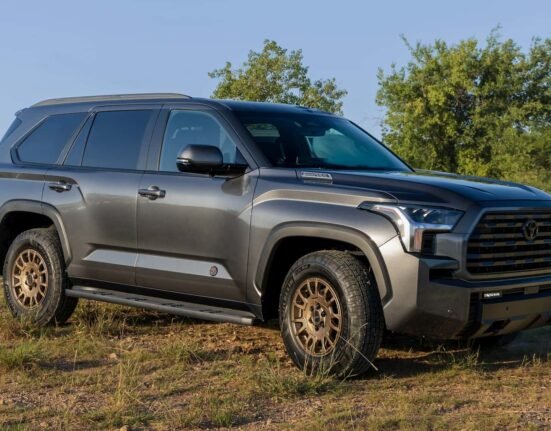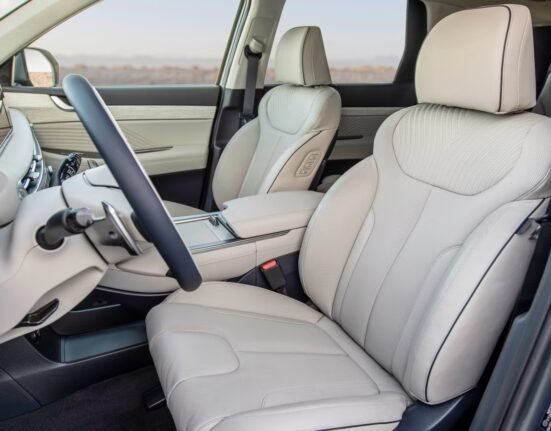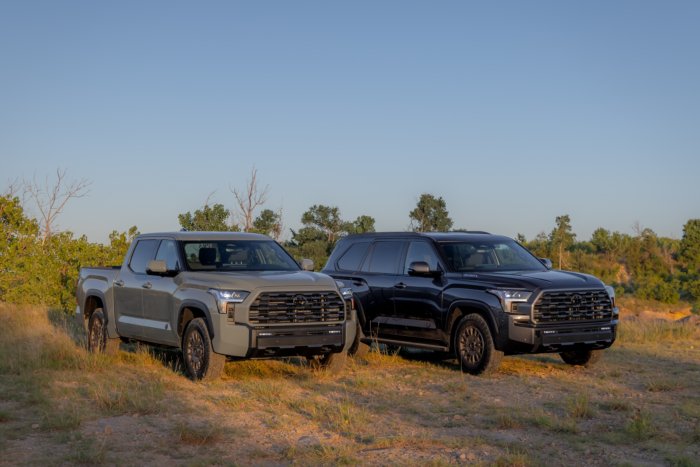
Toyota is pretty much synonymous with overlanding Around the world, some of the best platforms have been created. It has become so popular among overlanders that Toyota has even begun offering a sort of “Overland Starter Pack” trim level on the Tacoma and 4Runner, which it calls TrailHunter.
Now, thanks to announcements made by Toyota this week, we know that 2027 Sequoia and Tundra models will have TrailHunter trims for the first time.
What is TrailHunter?
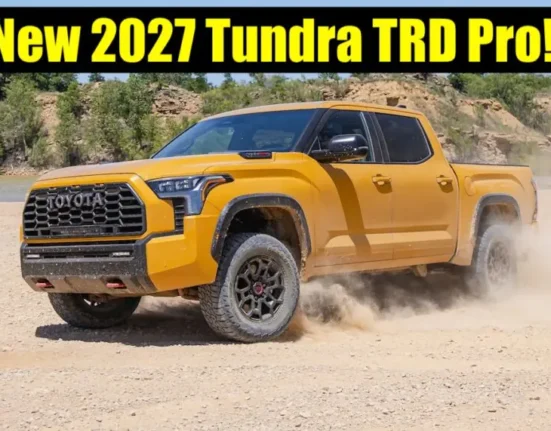
Trailhunter sounds like a cool name, but what do you get for shelling out the dough for one? Well, in the upcoming Tundra and Sequoia versions, it’s based on the SR5 trim and adds a factory suspension lift with Trailhunter-specific dampers from Old Man Emu. If you’re unfamiliar with Old Man Emu, it’s the suspension arm of renowned Australian overland outfitter ARB, and it’s been specializing in Toyota suspension for decades.
Also part of the Trailhunter spec is a set of 265/70R18-sized Michelin LTX Trail all-terrain tires mounted on Trailhunter-specific bronze alloy wheels, a full complement of metal underbody skid plates, and Toyota’s full suite of excellent off-road driver aids like Crawl Control and Multi-Terrain Select. You also get a locking rear differential as standard, which is great, and something that’s typically available as part of an option package on other trim levels.

Notably absent from the Tundra and Sequoia Trailhunters is the enlarged air intake (read: looks like a snorkel, but not sealed like one) that we saw on the 4Runner and Tacoma versions. We asked Toyota why this was the case, but did not receive a response at the time of publication.
Better than aftermarket?
While the aftermarket will certainly be able to replicate everything Toyota is throwing at these vehicles, does it make more sense to go that route, or pay for the Trailhunter trim, instead of the SR5 on which it is based, for example?
Without knowing how much the TrailHunter will cost, it’s hard to make a definitive argument for one option over the other, but without that, there are some key points for either route. For example, if you go the aftermarket route, you have more freedom to choose parts that will do what you want them to do. For example, you might want an air locker instead of the electronic locking rear differential that comes from the factory.
The downside of this, of course, is the cost of the part and the cost of installation, as well as the hassle you may get from your dealer if something goes wrong after you modify it. Although the stuff Toyota is fitting may not be the fanciest components, it’s all covered by the factory warranty – and when you have a new truck, that’s a great thing. Our thinking is that the TrailHunter will be a great base for further modifications, but most people won’t need to change anything.
coming soon
Full debuts for both the 2027 Tundra and Sequoia are scheduled for this fall, but looking at Toyota, most of the changes will likely be in the styling department. We fully expect the running gear to remain the same, with the drivetrain option being a twin-turbo V6 or a V6 with a hybrid system for more power and torque, the latter being the default in Trailhunters.
No word yet on pricing for these trims, given that the official launch is at least a few months away, but expect it to be at or near the top of the range for both models.