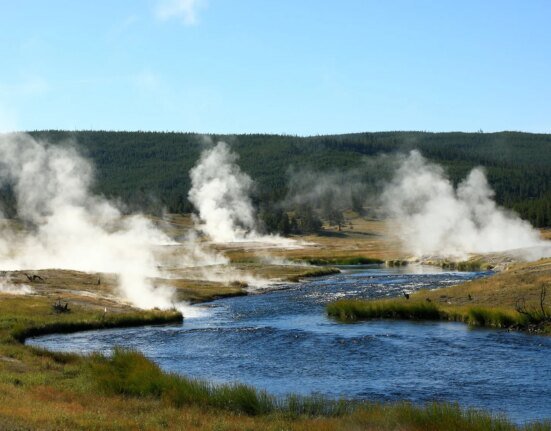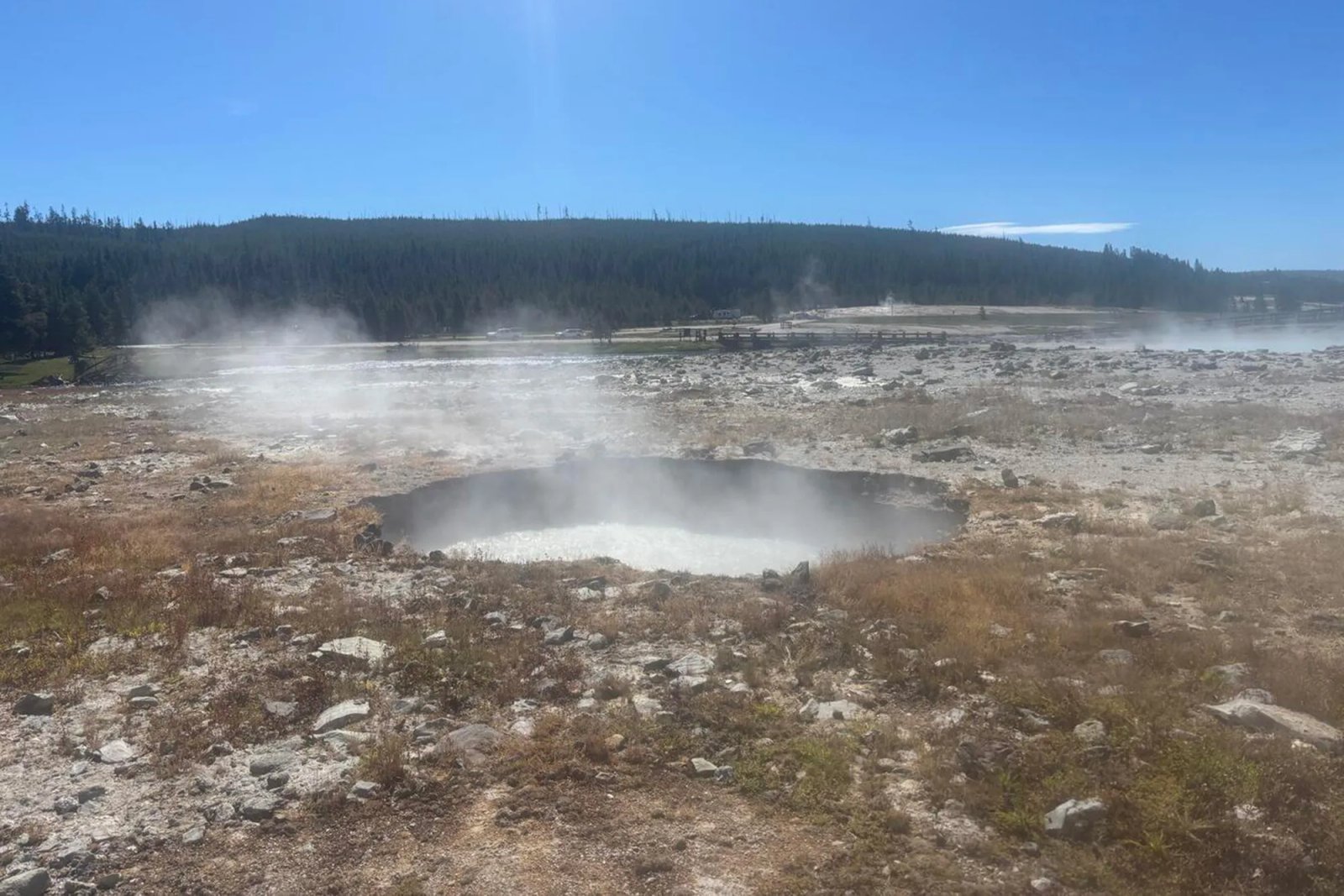
Yellowstone’s Biscuit Basin is closed after being damaged by a hydrothermal eruption Boardwalk near the Black Diamond Pool in July 2024. Less than 2 years later, the same basin is changing again.
On June 13 at 5:09 am MDT, monitoring equipment near Black Diamond Pool recorded Abnormal seismic energy and low-frequency acoustic signals. A research camera showed a dark plume of steam rising from an area north of the pool, where geologists found newly opened vents, broken ground and nearly boiling water flowing through the basin.
events One was a hydrothermal eruption, which occurs when hot water beneath the surface turns into steam and pushes water, mud, rock and debris upward. It was much smaller than the July 2024 eruption, but it still left a visible mark on an area that Yellowstone officials had already deemed unsafe for public access.
rapidly changing ground
When Yellowstone geologists inspected the site on June 14, they found three groups of holes north of Black Diamond Pool. Hydrothermal water had flowed from the area into the Firehole River, turning the river milky brown downstream toward the Midway Geyser Basin.
One crack measured approximately 61 feet long and up to 5 feet wide. The water inside it was 194 degrees Fahrenheit, close to boiling at that altitude. Another vent group close to Black Diamond Pool contained hot water in broken debris, while several smaller vents in the area were either steaming, flowing, or already beginning to close.
The most notable change came after a few days. Between June 14 and June 16, a pool of brown, silty, boiling water formed near the central vent group. The pool measures approximately 21 by 17 feet and appears to have been formed by a ground collapse, not by another explosion. Scientists noted that there was no fresh debris around the pool that would suggest another eruption had occurred.
That sequence is part of what makes the event remarkable. Geologists visited the area on June 14, but by June 16, part of the ground had become a boiling pond.
New pool sends water 30 feet high
The new pool later became active enough to throw water into the air. On June 18, camera footage showed several small water events, with boiling water rising about 20 to 30 feet. When the water was not gushing out, geologists said that the pond was still moving.
It is not clear whether this feature will continue to function like a small geyser system, cool down, dry up or keep changing. Yellowstone’s thermal characteristics can change rapidly, especially in areas of recent eruptive activity. The June 13 eruption also occurred in an area where there were no obvious thermal features on the surface prior to the eruption.
For visitors, this is a practical warning. In Yellowstone, unstable ground is not always marked by pools, waterfalls, or visible vents. Biscuit Basin is closed, and park officials continue to ask visitors to stay on the boardwalk and out of closed thermal areas.
Why are scientists keeping an eye on this?
No one was injured in the June 13 eruption, nor were any injured in the July 2024 eruption – although that larger eruption damaged the boardwalk and threw debris throughout the basin. Biscuit Basin’s continued closure when the eruption occurred on June 13 may have kept tourists away from the area.
For scientists, the small explosion could provide unusually useful data. The event occurred about 328 feet from the Biscuit Basin Monitoring Station, installed in 2025, close enough that the station would have recorded seismic and infrasound signals before, during, and after the eruption.
This matters because scientists currently have no reliable way of predicting hydrothermal eruptions. Data from this event could help researchers better understand what happens beneath the surface before one of these eruptions.
Biscuit Basin remains closed while Yellowstone officials and scientists monitor the vent, fissure and boiling pool. The park’s volcanic system remains at a normal background level.