America just opened the weather buffet and ordered winter first.
While much of the country is moving toward Fourth of July planning, some highland areas of the Northern Rockies are getting a reminder that summer doesn’t always have the final say. Snowfall is forecast again in late June in parts of Montana and Idaho, and hikers headed to the mountains may want to look at the calendar with a grain of salt.
The National Weather Service office in Billings, Montana warned that cold air would turn precipitation into snow on the Crazy Mountain and Beartooth/Absaroka Mountains. Snowfall was expected to continue at times through Monday, with around 1 to 3 inches of snow possible on Beartooth Pass and higher amounts of 5 to 9 inches possible elsewhere in the Beartooth and Crazy Mountains, primarily above 8,000 feet.
It’s not exactly beach-chair weather. It’s also not the type of forecast most people expect to read when planning barbecue menus, road trips or long weekends away. Part of the country is checking propane levels for grills. Others still may need to remember that winter tires aren’t just a personality choice.
The condition is especially important for anyone traveling through mountain passes or recreation in the high country. Wet snow, low visibility, cold night temperatures and high winds can make a casual nature trip much more serious. Even when lower elevations are dealing with most of the rain, higher elevations can still behave as if they have unfinished business with winter.
And because the American forecast has apparently decided to order the entire menu, the cold weather is not coming alone.
A dangerous heat wave is also underway across much of the central and eastern United States, where humidity may cause conditions to be much hotter than thermometers predict, with the heat index expected to reach 100 to 110 degrees Fahrenheit in many locations and as high as 115 degrees locally.
That kind of heat deserves respect. Anyone working outdoors, traveling, exercising, camping, or away from air conditioning for extended periods of time should plan carefully, hydrate frequently, and avoid the worst of the afternoon heat when possible. Leaving children or pets in parked vehicles for even short periods of time is also a bad week.
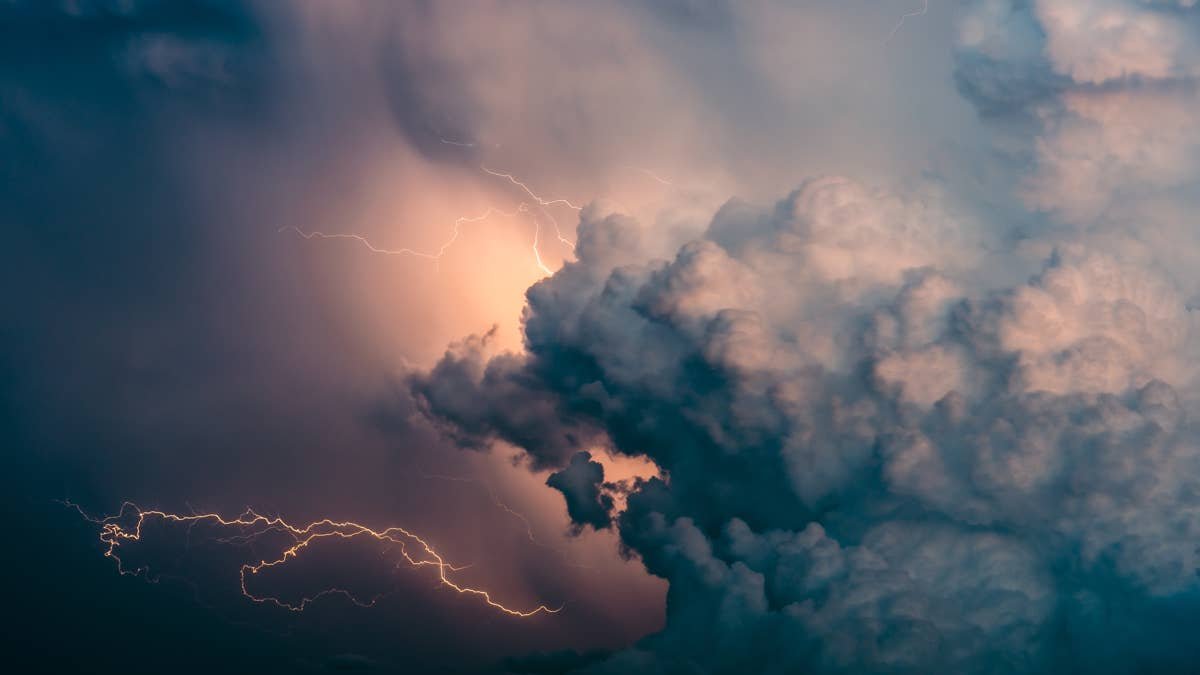
Severe storms are also part of the national system. Storm Prediction Center said severe storm is possible From parts of the Northern Plains to the upper Midwest, large hail and high winds are the main concerns. One or two tornadoes were also possible.
This may not be unusual for the Plains and Midwest this time of year, but familiar weather can still cause unfamiliar discomfort. The threat of severe storms still remains, and that could turn it upside down, especially for travelers who believe summer storms are just background noise.
Sergio Formoso via Getty Images
The practical solution is simple: check the forecast before you go, then check again. Mountain routes, airport connections, camping weekends and camper van getaways all require a little more planning when the same national map involves snow, heat, sleet and fierce wind.
If your long weekend somehow involves driving to the coast for a surf session, don’t be surprised if the packing list sounds ridiculous: sunscreen, bottled water, a rain jacket, and, depending on the mountain pass, at least one joke about winter tires.