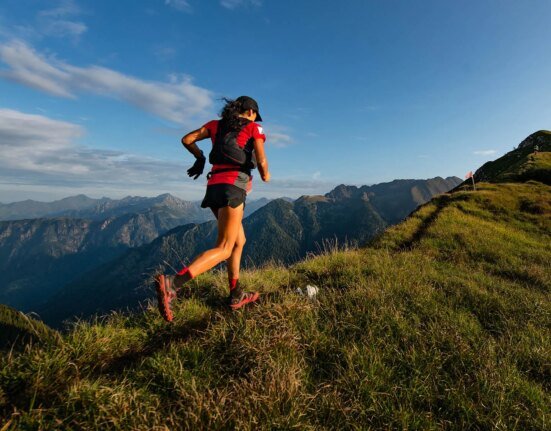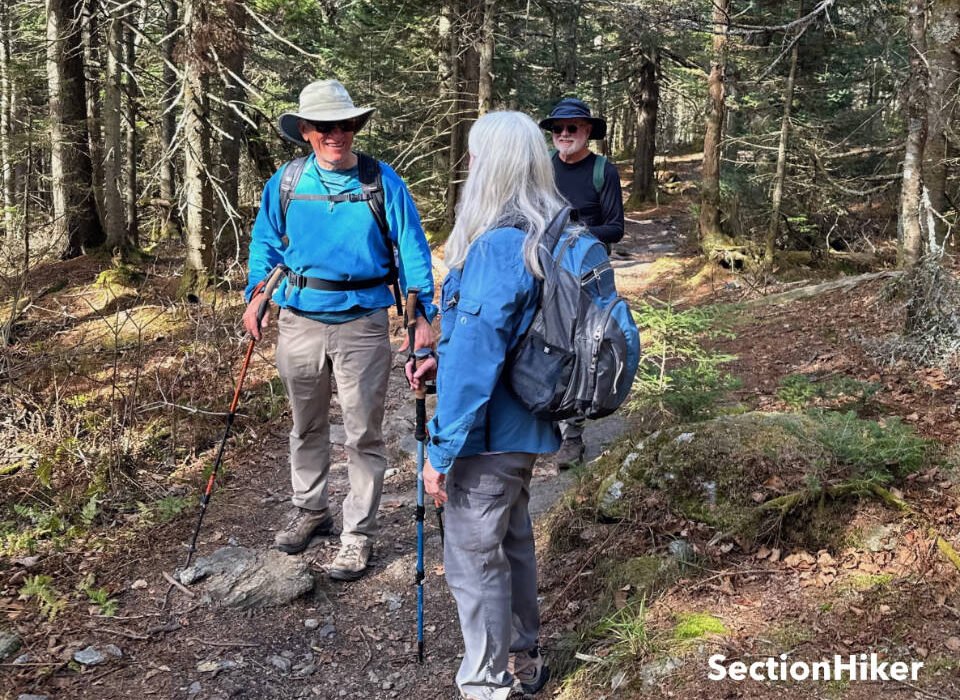
As people age, the benefits of hiking and backpacking, such as fresh air, scenery, and fitness, remain strong, but the body and medical needs change. Hikers and backpackers over the age of 60 face different risks than younger outdoorsmen due to changes in cardiovascular function, balance, thermoregulation, treatment, and medication effects. A clear, practical understanding of the most common wilderness first aid concerns, along with straightforward ways to reduce risk, helps older adventurers stay safer and enjoy more outings with confidence.
Here’s a list of the biggest health concerns that hikers and backpackers over 60 face, along with ways to mitigate and prepare for them. They are all quite manageable with adequate preparation.
cardiovascular events
- Why it’s important: Heart attacks, angina, arrhythmias, and sudden cardiac events become more common with age and can be triggered by exertion, altitude, dehydration, cold, or emotional stress.
- Mitigation:
- Know personal limits; Plan routes with conservative daily mileage and elevation gain.
- Keep a list of cardiac medications (including extra nitroglycerin or beta-blockers if prescribed) and medical conditions/medications in an easily accessible place.
- Monitor intensity using exertion or heart rate goals set by the physician; Rest frequently and avoid steep, sustained climbs despite hard effort.
- Avoid hiking alone when possible; Make sure someone knows your plans and check-in schedule.
- Consider carrying a pulse oximeter and/or AED if part of the group is on a high-risk hike (AEDs are uncommon in the backcountry but can save lives in group settings near trailheads).
Dehydration and Electrolyte Imbalance
- Why it matters: Aging reduces thirst perception and the kidneys’ ability to concentrate; Diuretics and some heart medications increase fluid loss. Dehydration increases the risk of heat injury, orthostatic dizziness, and kidney injury.
- Mitigation:
- Start getting hydrated; Drink small amounts regularly instead of waiting until you feel thirsty. A guideline: aim for 0.5-1 liter per hour in moderate conditions, more in heat.
- On multi-day trips or days with heavy sweating, replace electrolytes with electrolyte tablets, powders or sports drinks.
- Check the color of the urine (pale straw is good) and note darkness, low output, or dizziness.
- Plan water re-supply points and have a reliable filter or chemical treatment.
Falls, balance problems and musculoskeletal injuries
- Why it matters: Decreased bone density, slowed reflexes, arthritis, and decreased proprioception increase the risk of falls and the severity of falls (e.g., hip or wrist fracture).
- Mitigation:
- Use trekking poles to improve stability and reduce load on joints.
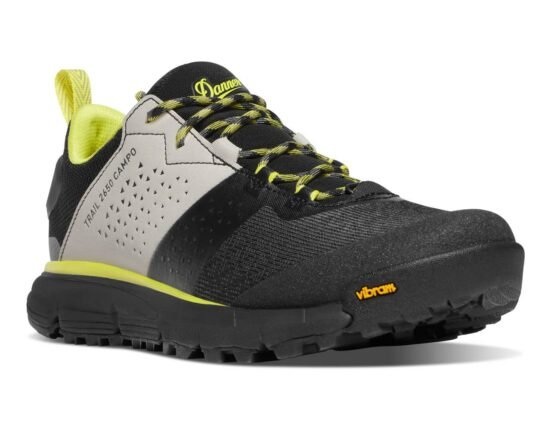
- Wear well-fitting, well-fitting walking shoes with good ankle support.
- Strengthen the lower body and core before trips (squats, lunges, single leg balances, resistance training) and include balance work (heel to toe walking, standing on one leg).
- Choose routes with stable base and less technical sections; Descent slowly and deliberately.
- Carry a light splinting kit and know basic fracture stabilization; There is a plan for assisted evacuation, including carrying a satellite messenger to more remote areas.
hypothermia and cold injury
- Why it matters: Older adults have decreased circulation and may be more susceptible to hypothermia; Some drugs (beta-blockers, sedatives) blunt thermoregulatory responses.
- Mitigation:
- Dress in layers and have extra insulation layers and a waterproof shell. Avoid placing cotton next to the skin; Use moisture-wicking synthetic or merino base layers.
- Carry an emergency bivy or lightweight sleeping bag liner for unexpected overnight stays.
- Keep hands and feet warm: use liners and insulated socks/boots; Bring chemical warmers if necessary.
- Avoid alcohol, which increases heat loss and impairs judgment.
drug issues
- Why it matters: Multiple medications increase the risk of drug interactions, side effects (for example, dizziness, orthostatic hypotension) and missed doses. Many medications increase sun sensitivity or heat intolerance.
- Mitigation:
- Review medications with physician before travel; Discuss whether to continue, stop temporarily, or adjust for altitude/effort.
- Pack medications in original labeled containers along with extra supplies and a written medication list that includes the dosage and reason for each.
- keep medicines dry
- Be aware of side effects such as dizziness or increased sensitivity to sunlight and adjust your behavior accordingly.
heat illness
- Why it matters: Older adults are more susceptible to heat exhaustion and heat stroke due to reduced sweating and cardiovascular reserve.
- Mitigation:
- Travel by foot earlier or later to avoid the peak heat of the day; Choose the shaded path.
- Increase fluid and electrolyte intake; Wear breathable, sun-protective clothing and a wide-brimmed hat.
- Recognize the early symptoms: heavy sweating, weakness, nausea, headache, confusion – calm down and seek help immediately if mental status changes occur.
altitude sickness
- Why it matters: The physiological response to altitude may slow with age; Pre-existing cardiopulmonary disease increases the risk of complications.
- Mitigation:
- Climb slowly, include rest days and keep daily climbing conservative.
- Consider acetazolamide only after consulting a physician; Start before climbing if recommended.
- Monitor for headache, nausea, shortness of breath, or decreased exercise tolerance; Disembark if symptoms worsen.
Wound infection and delayed healing
- Why it’s important: Healing slows with age, and certain conditions (diabetes, vascular disease) increase the risk of infection.
- Mitigation:
- Take careful care of feet: keep toenails trimmed, treat blisters early with appropriate dressings, and change socks regularly.
- Clean and dress wounds immediately; Pack sterile dressings, antiseptic, and antibiotic ointments if advised.
- Seek timely medical care for signs of infection (increasing redness, heat, pus, spreading streaks, fever).
Navigation, cognitive change, and emergency planning
- Why it matters: Even slight cognitive slowing or mild memory problems can hinder way-finding and timely decision-making in stressful situations.
- Mitigation:
- Use simple, well-marked routes and take unnecessary navigation with you: a map, a compass, and a GPS device with a charged battery and physical waypoints.
- Hike with trusted partners who know your needs; Share detailed itinerary and check-in times with a responsible contact.
- Carry a personal locator beacon (PLB) or satellite messenger and know how to use it.
Practical Packing Checklist
- Medication List + Additional Medications
- trekking poles
- Layered clothing, waterproof shell, emergency bivy
- Electrolyte replacement, snacks
- Basic first aid kit with blister supplies and splint materials
- Navigation equipment and PLB/satellite communicators
- Headlamp with extra battery
- Sun protection (hat, sunscreen, sunglasses)
- insulated water storage and water treatment
conclusion
Older hikers can continue to enjoy the backcountry safely by combining medical preparation, conservative planning, and smart gear choices. Regular pre-trip screening and medication review, realistic route selection and pace, attention to hydration and temperature control, balance and strength training, and carrying targeted safety equipment (trekking poles, emergency bivvy, PLB/satellite messenger, and a well-stocked first aid kit) reduce the likelihood and severity of emergencies. With preparation and common-sense precautions, most risks can be managed so that time spent outdoors remains beneficial and sustainable in later life.