Keith Lusher 07.09.26

It’s not often that an invasive species story comes with good news, but that’s exactly what’s happening on the Illinois River. Illinois Department of Natural Resources (IDNR) is monitoring the widespread die-off of invasive silver carp between Henry and Peoria, and biologists say the phenomenon appears to be a naturally occurring phenomenon, caused by reproductive stress and rapidly changing water conditions.
While the sight of dead fish floating downstream may concern residents and boaters, state officials say there is no evidence of chemical contamination or pollution. What’s even better is that no native fish species or other aquatic creatures have been affected.
According to the IDNR, the silver carp began dying off after recent heavy rains caused rapid changes in water chemistry during the species’ breeding season. Silver carp usually breed when river levels rise and water temperatures rise, causing large numbers of fish to spawn at the same time.
“These environmental cues trigger spawning activity, often resulting in large numbers of fish moving and spawning at the same time,” said IDNR Fisheries Chief Michael McClelland. “Spawning requires a considerable amount of energy and can place considerable physical stress on the fish.”

Officials don’t yet know how many silver carp have died, but the death has been so widespread that dead fish continue to drift downstream through the Peoria Pool. Residents living near the river may notice an unpleasant odor as the fish rots, although the IDNR says the odor is a normal part of fish mortality and should gradually disappear as river conditions improve.
For fishermen who have spent years battling the invasive carp, the death offers rare encouraging news.
silver carp Originally imported into the United States during the 1970s to help control algae in fish farms and waste water treatment ponds. After escaping into the wild during flood events, they spread throughout the Mississippi River basin and eventually established one of their largest populations in the Illinois River.
This species has become notorious for consuming massive amounts of plankton, reducing the food available for young native fish and other aquatic species. Silver carp are also known for their habit of leaping several feet into the air when startled by boat motors, creating dangerous situations for fishermen and recreational boaters.
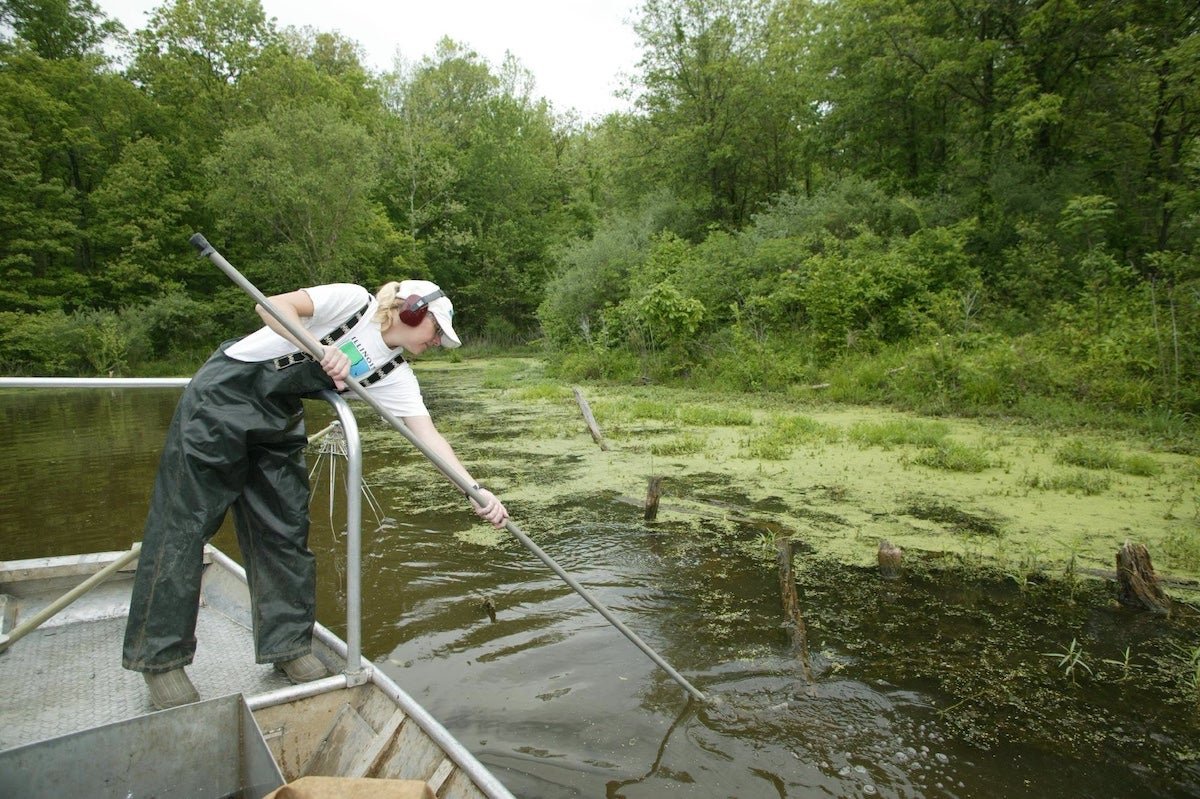
The Illinois River has become one of the nation’s primary battlegrounds against invasive carp. State and federal agencies have spent years funding commercial harvest programs that have removed millions of pounds of invasive carp from the river in an effort to suppress the population and reduce the threat to the fish reaching the Great Lakes.

Although this natural die-off is unlikely to dramatically reduce the overall population of silver carp, it represents an unusual occurrence involving one of the country’s most problematic invasive fish species. For once, the species making headlines is losing ground rather than gaining it.
IDNR staff continue to monitor conditions along the river and are asking anyone who sees large numbers of dead fish of the same species in an Illinois waterway to report the incident to the agency.

keith lusher
Keith Lusher is an award-winning outdoor journalist who lives in Covington, Louisiana. He owns and operates NorthShoreFishingReport.com and writes a weekly outdoors column for the Slidell Independent Newspaper. He also writes for the St. Tammany Parish Tourism Commission’s VisitTheNorthshree.com. He is the former host of The Northshore Fishing Report radio show and is on the board of the Louisiana Outdoor Writers Association. Keith contributes to numerous publications both online and in print and is proud to promote the unique fisheries of South Louisiana. To contact Keith email: keithlusherjr@gmail.com