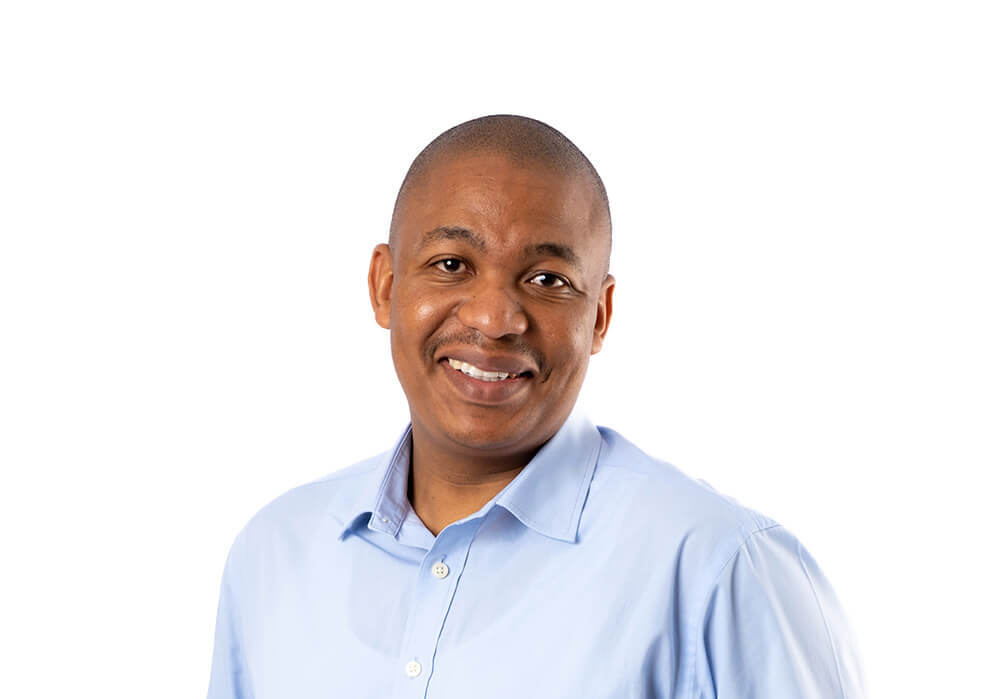
George Bell is a 34-year-old Londoner who, just over a decade ago, was on the verge of suicide.
He vividly remembers sitting at the dinner table with his mum, his dad, and his brother, and listening to them planning their next family holiday, whilst being utterly convinced that, by the time the summer came round, he would have taken his own life.
“It was really sad that at 20 or 21 years old, I was carrying those suicidal thoughts all on my own,” said George.
In his debut book, Be a Man About
In his debut book, Be a Man About It, George hopes to show men that the only version of men they need to be is their version and not someone else’s. He also hopes it will help women learn more about the men in their lives.
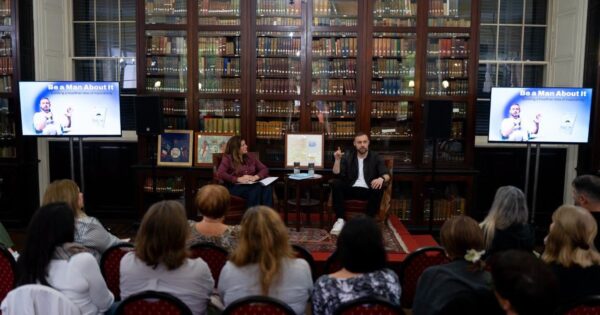
In his conversation with Marlene Dalli at the Garrison Library, George listed some of the many issues which men often find it difficult to talk about.
These issues included infertility, addictions, grief, problems at work, and perhaps the one that particularly affected George himself, his hair loss.
The early onset of baldness made him feel
The early onset of baldness made him feel less attractive – both to women and to potential employers, and he feared becoming the butt of jokes amongst his male friends. He has since had a very successful hair transplant.
Traditionally, a man who owned up to mental health issues might have been met with responses such as, ‘man up’, ‘get a grip of yourself’ or ‘take it like a man.’
Whatever words were used, the man in question was likely to experience feelings of shame. As a result, he bottled up these feelings inside and simply kept quiet.
Whilst women were seen as being the emotional
“Whilst women were seen as being the emotional sex, traditional men were seen as being tough,” said George.
“You weren’t a real man if you talked about your problems.”
So, what can be done to help these men to handle these mental health issues? How can men be helped to feel comfortable when talking about their struggles?
George stressed that men’s strength can take many forms. Whilst men are programmed not to seek help, they need to be encouraged to make connections.
There is lots of help online, there
There is lots of help online, there are many self-help groups offering a chance to talk with like-minded people and there are many spaces where men should feel comfortable to talk.
Marlene reminded the audience that most Premier League football clubs have Mental Wellbeing Coordinators who run community mental health initiatives and outreach programmes.
George added that men often feel at their ease in the setting of a pub so, in the UK, this is why local self-help groups often meet there where their members are encouraged to meet and open up about their issues.
Having spoken of these football-based and pub-based groups
Having spoken of these football-based and pub-based groups in UK, George also mentioned some which operate online. However, it might have been useful to have provided the audience with more information about relevant organisations, such as Just Ask a Question (JAAQ), Shoulder to Shoulder, Andysmanclub, Campaign Against Living Miserably (CALM), etc.
George ended the event by stressing that women tended to be much more open than men and much better at expressing themselves. He encouraged them to look out for any changes in their menfolk’s behaviour and then, if necessary, be very willing to open up a conversation.
But, he warned: “Be prepared for the men to be terrified about talking about their problems.”
A final point of interest – although George’s book is entitled Be a Man About It, most of his appreciative audience at the Garrison Library were women.