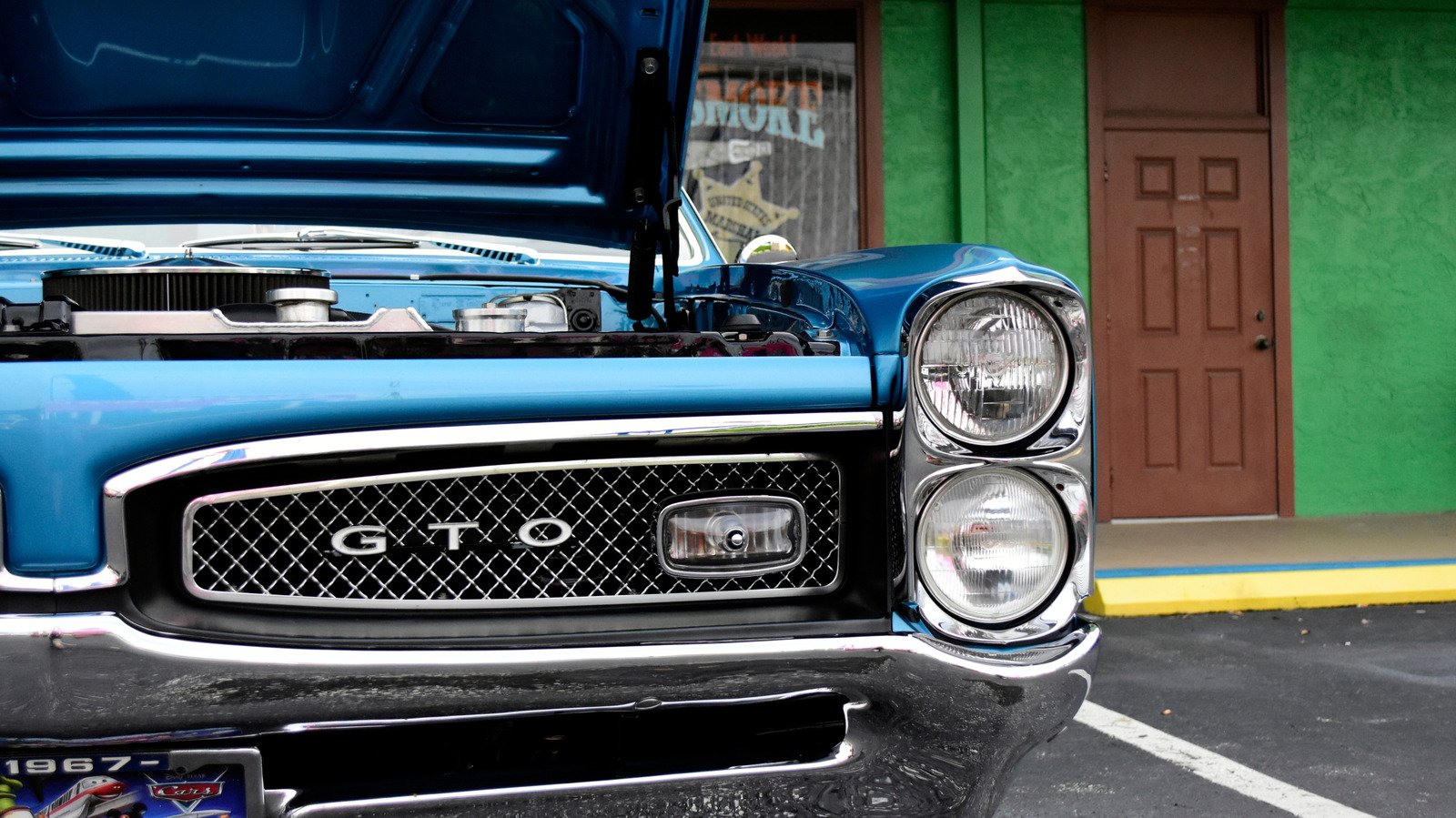
In the late 1960s, Pontiac had some serious V8 engines that ate large amounts of air, what the brand called “ram air” induction. Later Ram Air V8s used a round exhaust port design, allowing more airflow than the standard D-shaped port. However, Pontiac ran into a bit of a problem, as it also wanted to increase the size of the intake ports, to improve air flow and maximize power, but could not because the pushrods operating the intake valves in its ram air engines were in the way. Then he resorted to some questionable tactics to get rid of the problem.
Pontiac came across a Ford design that helped deal with the pushrod issue and decided to borrow it without asking, eventually creating the legendary Ram Air V. But even though the Ford-copied design served its intended purpose, it inadvertently robbed the engine of a large portion of the performance that Pontiac had hoped to achieve with the borrowed technology. This was a problem that engineers could not solve before corporate executives shut down the program. So while Pontiac almost built and sold one of the most formidable engines of the peak muscle car era, the Ram Air V was a disappointment and died before even getting into production.
Why did Pontiac need to steal anything from Ford? It’s all about Ram Air
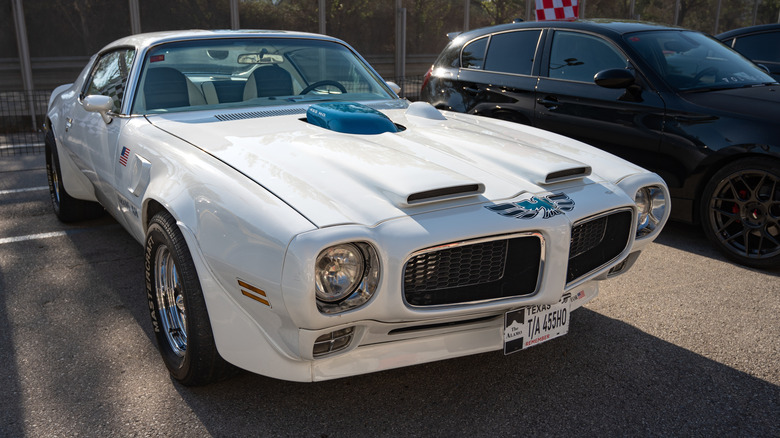
Pontiac’s “Ram Air” name has been around since 1965, and it’s still a name that makes classic Pontiacs extremely desirable. This was a dealer-installed performance add-on initially offered for the GTO’s 389-cubic-inch V8, consisting of a metal pan and foam gasket to surround the carburetor’s air intake. The foam gasket sealed the gap between the metal pan and the hood, so that only cool outside air could enter the intake through the two hood scoops. After the Ram Air IV, the Ram Air V8s went through three more iterations before Pontiac discontinued its airflow. This is where things got tricky.
Pontiac still wanted to increase airflow for their new HO and Super Duty engines, but their D-shaped intake ports were limited in size due to getting in the way of the engine’s pushrods. Then George DeLorean, brother of the famous John DeLorean, caught wind of something Ford was doing, so he took a cheeky look and let Pontiac copy Ford’s homework.
George DeLorean had a drag racing contract with Ford while he was doing some engine development work for Pontiac. After learning that Ford’s engine design was similar to Pontiac’s but had more power, he discovered there was one difference worth investigating – Ford’s round intake “tunnel port” heads. George pulled some strings with his Ford friends and ended up with a new Ford cylinder head. He told his brother John, who famously worked for Pontiac at the time, who then called Pontiac engineers Steve Malone, “Mac” McKellar, Tom Nail, and Bill Klinger and told them to go check it out.
What did Ford have that Pontiac so desperately needed?
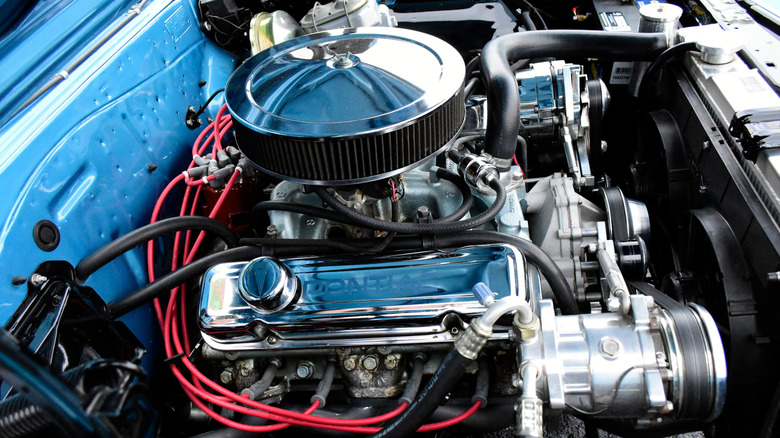
When they got there, they realized that Ford had solved the problem of the round intake ports. Instead of reducing the size of the intake port to fit around the engine’s pushrods, the Blue Oval ran the pushrods directly through the intake port. Before George had to return the head, Pontiac engineers took photographs and measurements, and even made a mold of it. When they created their own version for the Ram Air V, they internally named it the Tall Port Head.
The Tall Port system initially worked as intended. It forces far more air into the cylinders than any previous Ram Air V8. However, karma has a way of punishing unnaturalness, and a problem arose: there was simply too much air. At only 400 cubic inches, there wasn’t enough capacity to handle all the air, so some of it remained stagnant in the ports, draining the Ram V’s low-end power. The problem was even worse with the smaller 303-cubic-inch engine. In reality, the tall port intake will only work well on large displacement engines and at high RPM because smaller engines cannot draw air in fast enough. But by the time Pontiac engineers planned to build engines larger to accommodate it, Pontiac scrapped the program, and the Ram V was never produced.
The brand built a few hundred 303- and 400-cubic-inch Ram Air V engines, but they were all developmental and never reached road cars. The Ram Air V400 was considered the brand’s most formidable engine of the classic era, but despite all the excitement, promise and engineering flair, it was ultimately lost to history.