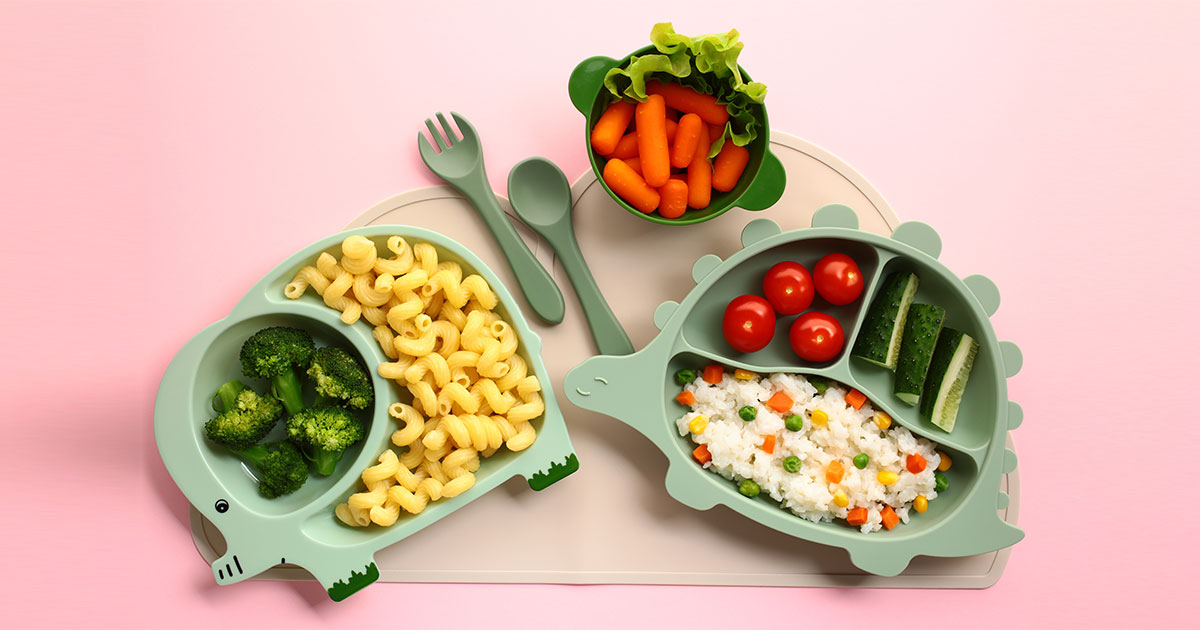
Good nutrition goes beyond eating to satisfy hunger. It provides the body with essential nutrients needed for energy, muscle development, immunity, hormone regulation and the proper functioning of vital organs. Together with physical activity, adequate sleep and stress management, healthy eating can help prevent disease and improve quality of life.
As the world marked International Men’s Day on November 19, attention turned to the contributions men make to families, communities and society. The day also provides an opportunity to reflect on issues affecting men’s health and wellbeing, particularly the importance of nutrition and healthy lifestyle choices.
For many men, the demands of work, family responsibilities and providing for their households often take priority over personal health. However, maintaining good health should not be treated as an afterthought. One of the most important investments a man can make is taking responsibility for what he eats and how he lives.
Dietary and lifestyle habits affecting men’s health
Modern lifestyles have exposed many men to health
Modern lifestyles have exposed many men to health risks associated with poor eating habits and physical inactivity. Long working hours, irregular meals, excessive alcohol consumption, smoking and dependence on processed foods can gradually contribute to preventable health complications.
Cardiovascular disease remains one of the major concerns. Regular consumption of fried foods, fatty meats, processed foods and meals containing excessive salt and unhealthy fats, particularly when combined with physical inactivity and smoking, increases the risk of hypertension, stroke and heart disease.
Men can reduce these risks by eating more vegetables, fruits, whole grains, beans, peas, nuts and fish while limiting fried foods and processed meats.
Overweight and obesity are also important health concerns
Overweight and obesity are also important health concerns. Sedentary working environments, large food portions, sugary drinks and frequent alcohol consumption can contribute to excessive weight gain. Abdominal obesity is particularly dangerous because it increases the risk of type 2 diabetes and cardiovascular disease.
Diabetes is another growing challenge. Regular consumption of sugar-sweetened beverages, refined carbohydrates and energy-dense foods, coupled with physical inactivity and excess body weight, increases the risk of developing type 2 diabetes. Adopting balanced meals, controlling portions and engaging in regular physical activity can help reduce this risk.
Alcohol and tobacco use also deserve attention. Excessive alcohol consumption can contribute to liver disease, high blood pressure, weight gain, certain cancers and nutritional deficiencies. Smoking, meanwhile, increases the risk of cardiovascular disease, cancer and respiratory illnesses.
Men should challenge social and cultural attitudes
Men should challenge social and cultural attitudes that associate excessive drinking and smoking with masculinity. Taking care of one’s health is a sign of responsibility, not weakness.
Eating healthy using locally available foods
Eating a balanced diet does not have to be expensive or complicated. Uganda has a wide variety of nutritious, locally available foods that men can include in their daily meals.
Beans, peas, groundnuts, silverfish (mukene), fish, eggs and lean meat are goodGreen leafy vegetables such as nakati, dodo and sukuma wiki provide essential vitamins and minerals
Fruits, including oranges, mangoes, pawpaw, avocados and passion
Fruits, including oranges, mangoes, pawpaw, avocados and passion fruits, provide fibre, vitamins and other beneficial nutrients. Sweet potatoes, millet, maize and cassava are important
Men should aim to eat a variety of foods and include fruits and vegetables in their daily meals rather than relying heavily on highly processed foods. Portion control is equally important because regularly consuming more energy than the body needs can lead to weight gain.
Water should be the preferred beverage, while consumption of sodas and other sugary drinks should be limited.
Lifestyle changes every man should embrace
Healthy eating alone is not enough
Healthy eating alone is not enough. Physical activity is equally important in maintaining good health. Men should make exercise part of their daily routines, whether through walking, cycling, jogging, swimming, dancing or gardening.
Regular physical activity helps maintain a healthy weight, strengthens the heart and improves blood glucose control. Even men with demanding work schedules can benefit from making time for movement and avoiding prolonged periods of sitting.
Adequate sleep is another important part of a healthy lifestyle. Men should establish consistent sleeping patterns and aim for seven to nine hours of sleep each night to support physical recovery and mental wellbeing.
Stress management should also be taken seriously
Stress management should also be taken seriously. Work pressures, financial responsibilities and family obligations can affect men’s eating habits, sleeping patterns and overall health. Exercise, social support, relaxation and spending quality time with family and friends can help manage stress.
International Men’s Day should serve as a reminder that men’s health is shaped by everyday decisions. The food we eat, the amount of physical activity we engage in, our alcohol and tobacco consumption, sleeping patterns and ability to manage stress all influence our long-term wellbeing.
Men should also make routine health checks a priority rather than waiting until they develop symptoms before seeking medical attention.
Choosing balanced meals, walking more, reducing alcohol consumption,
Choosing balanced meals, walking more, reducing alcohol consumption, quitting smoking, getting enough sleep and managing stress may appear to be small steps, but they can make a considerable difference over time.
Ultimately, taking care of one’s health is not only a personal responsibility but also an investment in family and community wellbeing. Men who prioritise their health are better placed to fulfil their responsibilities and enjoy longer, healthier lives.
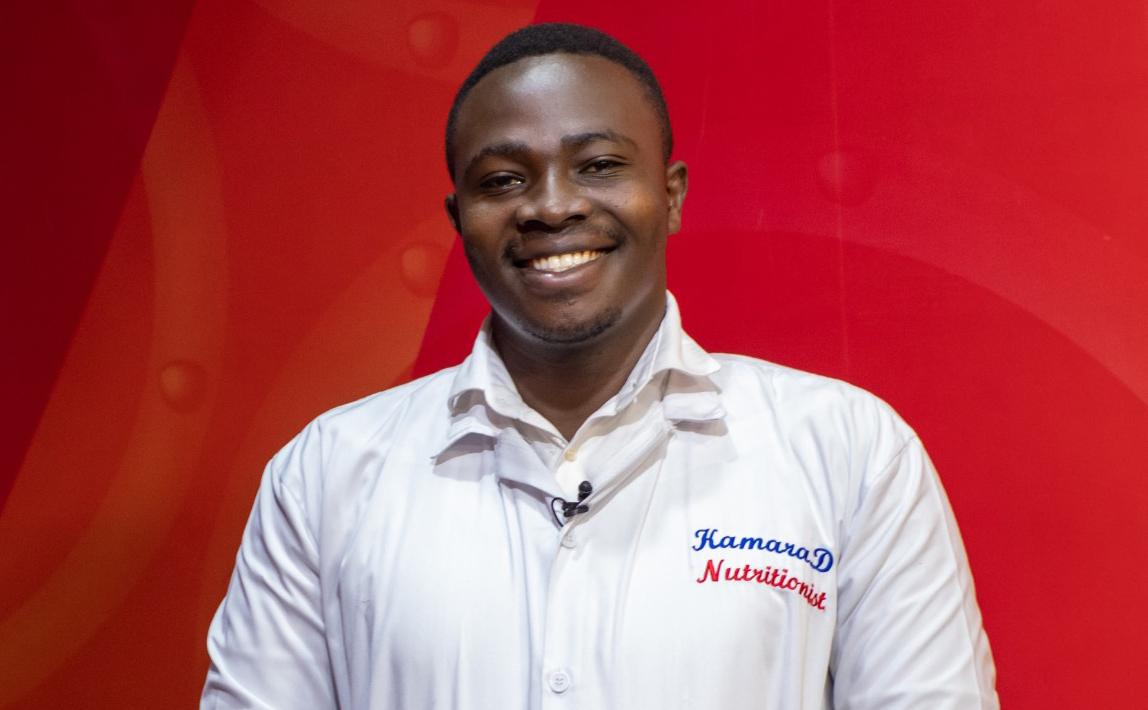
The writer is a Nutritionist at Bwindi Community Hospital.