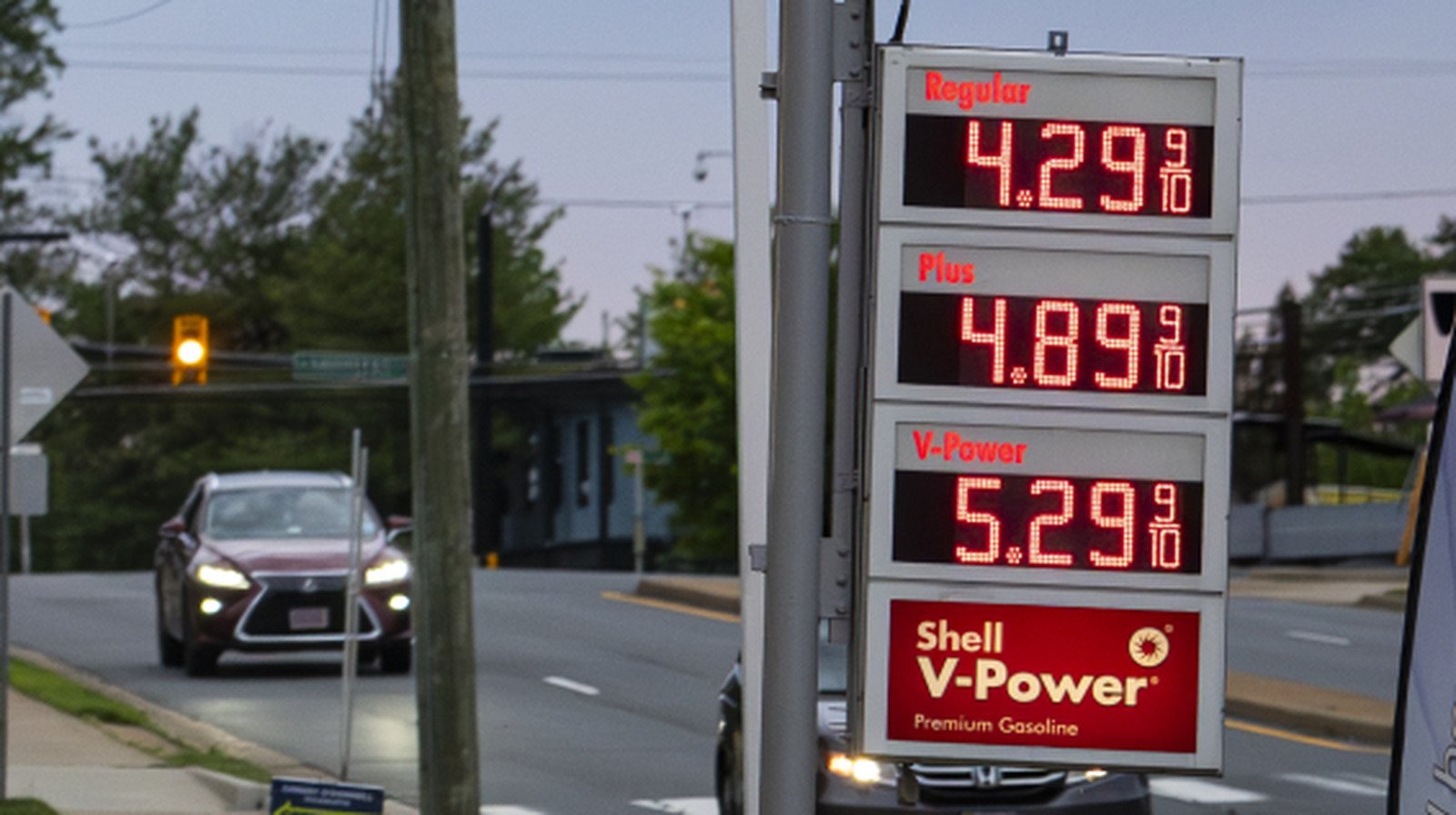
For decades states have used gas taxes to fund road repairs. But only kind of. Most states charge per gallon purchased, not per dollar spent, which means that as cars are becoming more fuel-efficient (and EVs are eating into gas purchases), this means gas taxes are not keeping up with the ever-increasing cost of road repairs.
The argument for taxing diesel higher than gas is based on the assumption that diesel is largely used by heavy vehicles, especially trucks, which cause more road damage than light-weight cars. States that have high taxes on diesel include California and Connecticut. The federal government also imposes a very high per gallon fee on diesel.
Most states have refused to fully finance road repairs through gas taxes, and cannot tax any fuel enough to meet rising infrastructure costs, according to Pew Research Center. In response, states like Michigan are using money from their general fund as well as taxes on other items like cannabis to make up the shortfall.
Speaking of cannabis, the state with the most forward-thinking ideas about taxing fuels – diesel and gas – is California. It apparently taxes diesel more because of its carbon output, so suppliers can clean up the fuel over time. Or so Sacramento says. Besides the huge burden California places on taxpayers, the problem is that the plan is less green than it seems.
On the other end of the fuel-tax spectrum is Kentucky. There the tax on gas is 15 cents per gallon and on diesel is 12 cents per gallon. Instead of focusing on fuel, Kentucky adds an additional tax on trucks’ miles driven, while those weighing more than 26,000 pounds pay an additional fee regardless of fuel — which could prove beneficial if there are more EVs and electric long-haul trucks.
Golden State strives to make diesel cleaner
California’s approach is far more inclined towards reducing pollution. California imposes a lot of taxes and fees on all fuels, so you get 61.5 cents per gallon of gas and $1.13 on diesel. That gas fee is nearly double the national average, and it’s more than three times the nation’s per state diesel tax.
In addition there is an excise tax of 61 cents on gasoline and 47 cents on diesel, which is assessed on wholesalers, not retail customers. But like President Donald Trump’s tariffs, these are still ultimately paid for by consumers. (By 2023, 42% of the gas excise tax and 16% of the diesel tax go to funding local government. Maybe a silver lining? But keep reading, because it means California isn’t doing so well when it comes to funding state roads.)
Why are California gas taxes so high? The state’s famously independent California Air Resources Board (CARB) created its own fuel standard more than a decade ago. The rules require reductions in emissions from transportation, which have made gas and diesel formulations more expensive, and adding more and more biofuels derived from agriculture, not fossil fuels, into that mix.
Californians use less dangerous gas. Perhaps?
By 2023, CARB’s reformulated fuel plan calls for swapping 25 billion gallons of petroleum fuel for biofuels. The state says more than 50% of diesel is now biomass based instead of fossil fuel. However, there is a fly in that oily soup.
Industry watchers have poked holes in CARB’s math, suggesting that, for one thing, diversion of crops for fuel drives up the cost of food. Furthermore, they point out that CARB’s math does not account for deforestation caused by increased demand for biofuels, which they say accounts for 10% of total global warming emissions. Union of Concerned Scientists CARB is turning its back on biofuels when it says in 2024 that “the actual climate or air quality benefits associated with unlimited use of vegetable oil-based fuels are very small and the harms outweigh the consequences.”
Furthermore, the Environmental Protection Agency already mandates the production of crop-derived gas and diesel at the national level. A University of Pennsylvania The study shows the state is sucking up much of that fuel because of California law, but it could have just as easily been consumed by a Miata guy in Dallas or an F-150 bro in Florida. And, you bet, Californians pay more for that privilege. But the Penn study says doing so doesn’t lead to an overall reduction in national greenhouse gases, just those produced in California.
Well, at least the roads are better, right? Umm, okay?
One benefit for Californians is that their fuel taxes buck the national trend of underfunding mass transit through road repairs and gas taxes. California’s 2017 Road Repair and Accountability Act increased fuel taxes on diesel as well as gasoline to improve road maintenance. Today California is unusual in the US in funding approximately 80% of road repairs through its fees on fuel, while only Maryland and New Jersey finance road maintenance through gas taxes alone. Yes, New Jersey, a state that is certainly famous for the excellent condition of its tarmac.
Well, if you live in the Garden State, you know what? Do a little dance. Because a recent study lending tree Shows that, per mile, New Jersey has the fifth-worst roads in the country. Rhode Island came in last, and California got the last dunce cap. Hey, don’t blame us. We are just messengers.
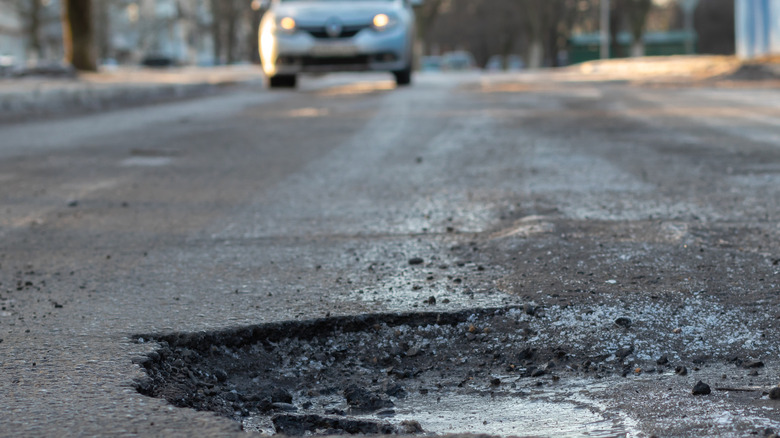
What could be worse than paying high gas taxes and still having bad roads? according to aaaThe average cost of car repairs due to damage caused by potholes is $600, and 10% of all drivers have to go through repairs due to poor roads, costing more than $26 billion in 2021.
OK, but why is diesel so expensive?
This is not your imagination. Diesel prices are increasing faster than gas or oil. And, federally, diesel is taxed more: 24.4 cents versus 18.4 cents. That doesn’t sound like much, but it’s a 33% difference.
Whatever you think of California’s efforts with crop-derived diesel, the petroleum-based fuel is less toxic than it used to be, and according to the Environmental Protection Agency, the human health benefits have yielded a return ten times the costs. However, clean diesel is more expensive, refiners cannot switch between refining gas and refining diesel without incurring expense, and it is not a fast swap. Also, US refineries export large quantities of diesel rather than selling it domestically. Furthermore, 10% of global supply comes from the Middle East, and that fuel is not flowing out of the Strait of Hormuz, driving up prices internationally.
And, yes, you’re affected even if your car runs on gas, because everything we consume, from food to building materials, bears the brunt of skyrocketing diesel as all these goods travel by trains and trucks. President Trump has teased a gas tax holiday, but you know what’s funniest about it? Even by cutting it, probably only a portion of the dough will actually go back into your wallet. A penn-wharton The study suggests a discount of about 13.2 cents (72%) on gas and 14.6 cents (60%) on diesel.
Why? Because you need gas. Like you need food. Which is known as inelastic demand in economics. So the Penn-Wharton study authors say gas suppliers will naturally take back a portion of this government largesse, and pocket a large chunk of the change as profits. Who loses? We See above excerpt about potholes. Hey, it could be worse. You can live in California!