The hot dog holds a unique place in American cuisine, playing a central role in our concept of summer. Hot dogs are found at Little League games and backyard cookouts, county fairs, and Fourth of July picnics. They have been sold from carts on city streets, cooked in suburban cul-de-sacs, and eaten in the stands of ballparks for more than a century.
Although the hot dog is often considered quintessentially American, the hot dog’s roots extend back to sausages brought to the United States by German immigrants in the 19th century. Early frankfurters were usually made with pork or a mixture of pork and beef, while all-beef versions became popular through Jewish cuisine and hot dog stands, especially in New York. Over time, regional styles emerged, brands rose and fell, and the humble hot dog became a cultural icon. Americans now consume billions of them each year, yet most of us give surprisingly little thought to what hot dogs actually are. Taste Best.
It seemed like a problem worth solving.
Methodology
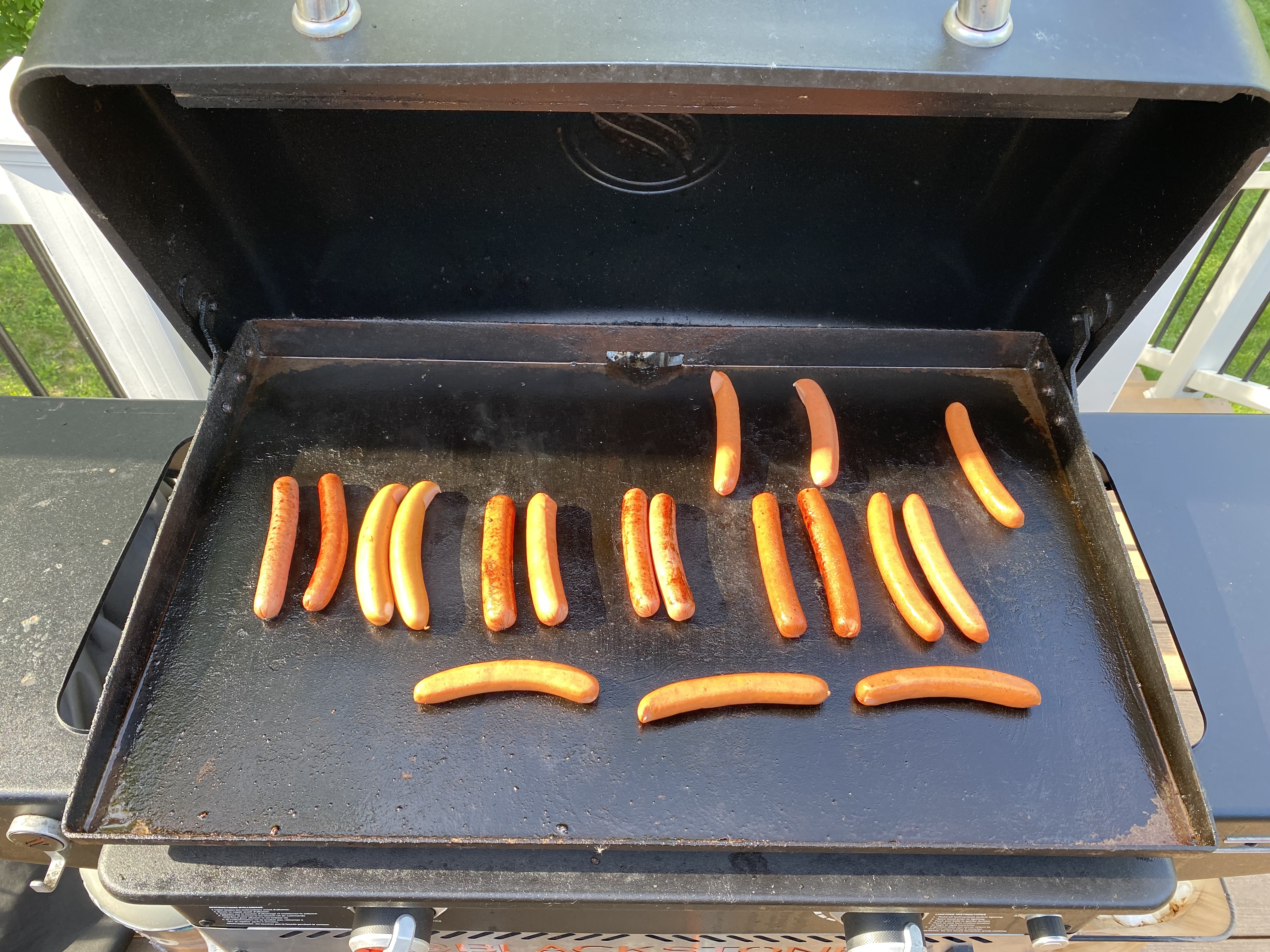
The number of hot dog options available at the grocery store was almost overwhelming. Even between brands, there were often 5+ varieties to choose from. “Original” vs. all beef, regular length vs. bun length, no added flavor vs. chili cheese. To my surprise, many of today’s options – especially budget dogs – actually list chicken and/or turkey as main ingredients. (Spoiler: none of these topped the rankings.)
I took an assortment and taste tested eight different hot dogs available nationally during a few different cookouts with friends. (It may take a year for my family to recover before they can eat hot dogs again.)
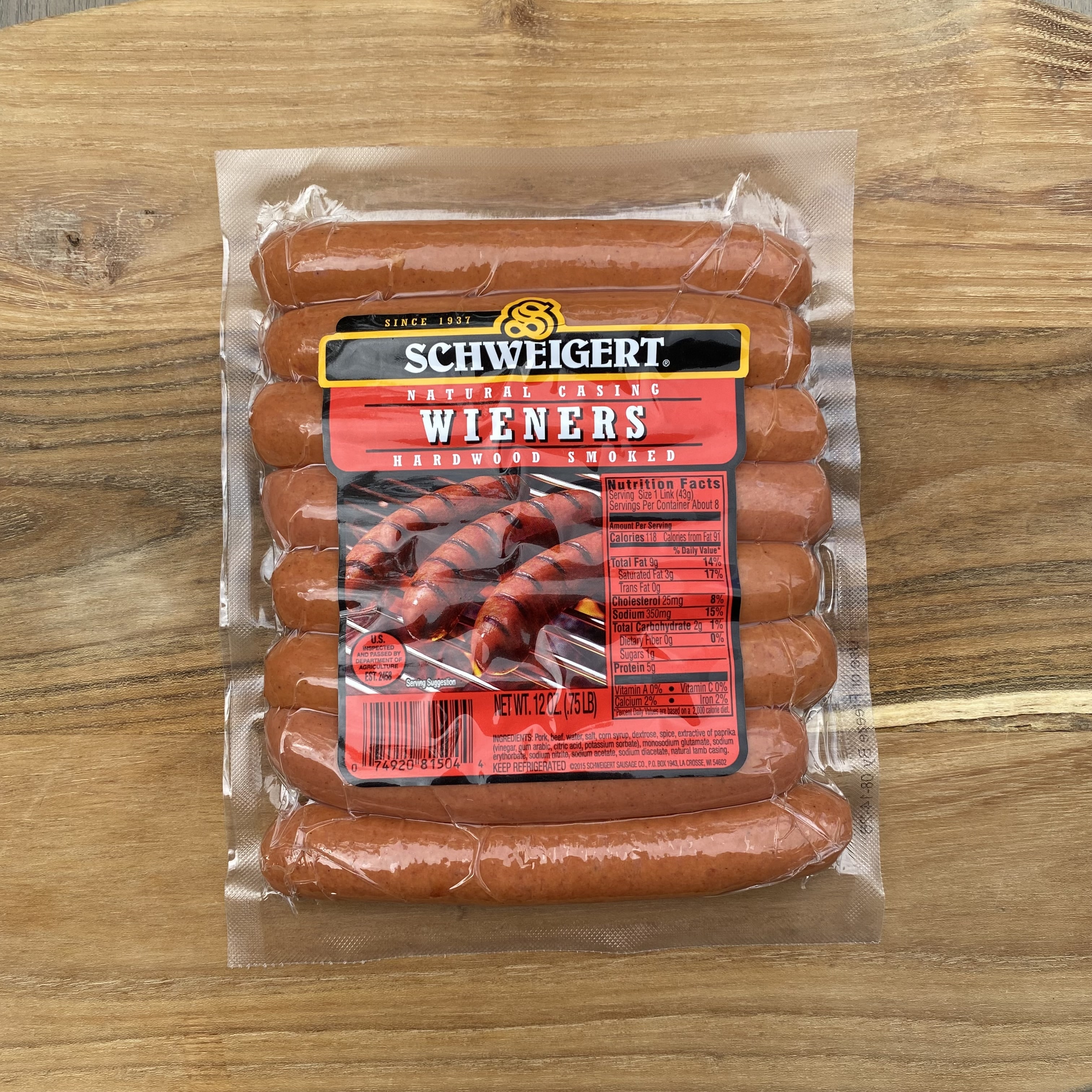
If you’re in the Upper Midwest, the Schweigert is a great dog.
We also tested some locally made hot dogs to see how they’d stack up; Two of them weren’t that good, but one really would have made the top three. All that is to say: it is very possible, but no guarantee, that your local/regional hot dog brand is the best choice for you. Do some testing of your own to make sure.
Our groups blind tested each dog – I knew where each was on the grill, then cut them into quarters for tasting. The scoring rubric was not scientific, but we generally paid attention to overall flavor (saltiness, deliciousness, meatiness, etc.) and texture (was there something fishy about it? Was it mushy?). Our first taste of each of these was without the buns or condiments, except for a little ketchup.
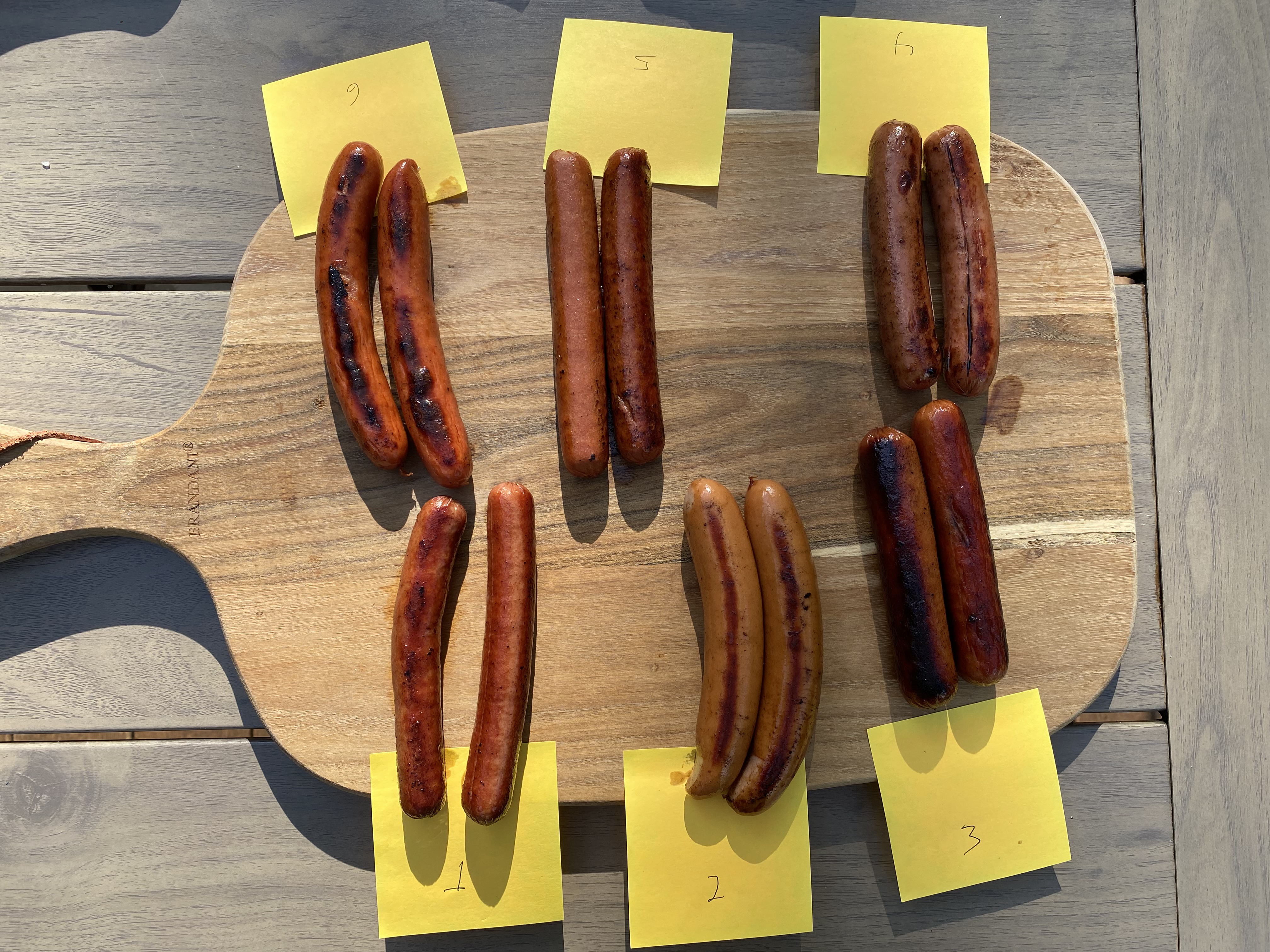
With so many dogs tested, I wasn’t sure the differences would be very noticeable. Will I remember the first one after doing ten more tests? Turns out, apart from a few dull and unforgettable choices, most were different enough to be able to tell the difference and form a fairly clear opinion on them.
Without further ado, below are the results. You’ll first find quick reviews of the five dogs that didn’t make it into the winner’s circle, followed by our top three picks.
remaining area
hebrew national
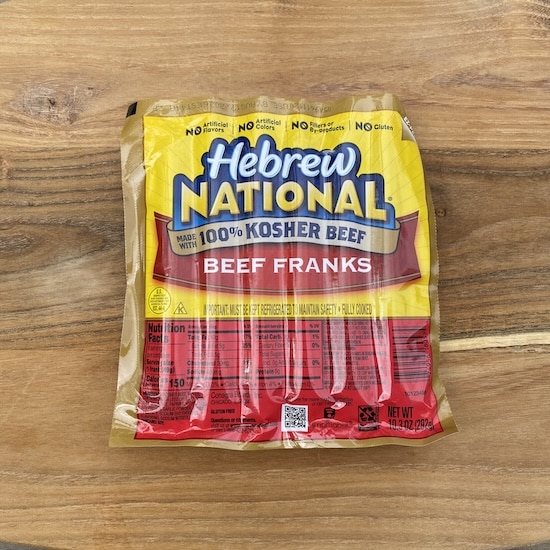
Hebrew National is known as a kosher hot dog (although its actual kosher qualities are, until recently, debated in Jewish circles). Thus, their frankfurters contain only beef and no fillers or artificial flavors. They also use a unique spice blend that gives the hot dogs a distinctive, almost spicy flavor. The flavor stood out from the crowd in our taste test, but in a way that placed it in the middle of the pack rather than at the top. And the children did not care much about them. They were okay overall, but I doubt I’ll buy them again.
Sugardale
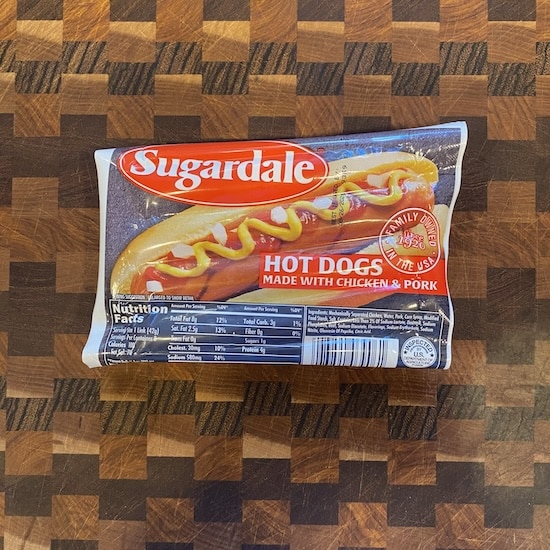
None of the adults in the taste test were impressed by the cheapest hot dog in the mix. Sugardale’s 8-pack of dogs costs just $1.99, and it shows. The taste was bland and the texture was no different. However, interestingly, all the children enjoyed the Sugardales; Softness can be beneficial for the youth.
Sugardale’s offering also had the distinction of being the ugliest looking baked product. This was the only hot dog that puffed up and exploded, then shrunk and even separated slightly from the casing. not tasty. That said, if you’re only buying for kids, this might not be a bad choice.
nathan’s famous
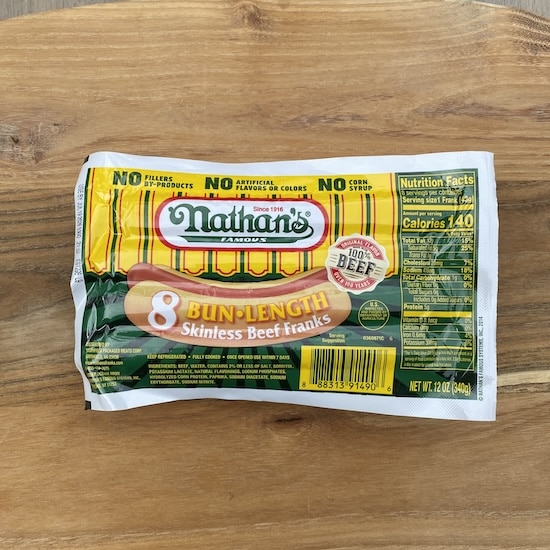
As a company that runs the world’s leading hot dog eating contest, you would think they would have some of the best dogs. Also, he was one of the first to promote the all-beef wiener. The taste was really good – in the top half, definitely. But those were some of the smallest and thinnest links – I guess it’s better to eat in bulk. It would take 2-3 dogs to feed someone, which is not ideal.
oscar mayer classic
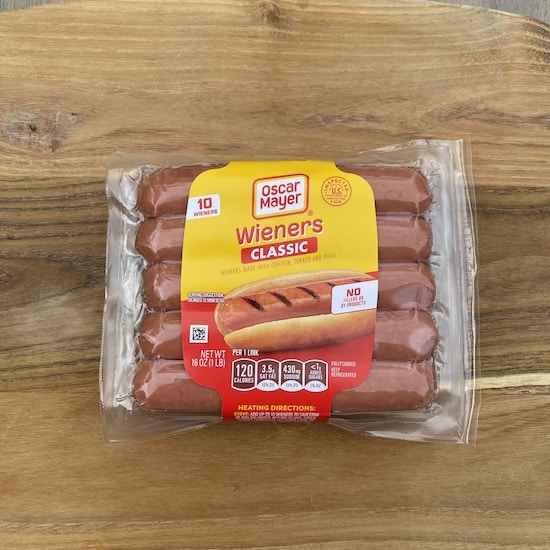
Despite being one of the most recognized brands in the world of processed meat, my expectations for Oscar Mayer’s Classic Dogs were low. And accurate, as it turns out. The texture was too crumbly – you want the hot dog to have some chew to it – and the flavor was basically non-existent. It didn’t taste good at all. Overall, it was a soft, smooth tube of meat paste. Nobody wants that. If you’re buying Oscar Mayer hot dogs, definitely choose the all-beef variety (see below).
bar s
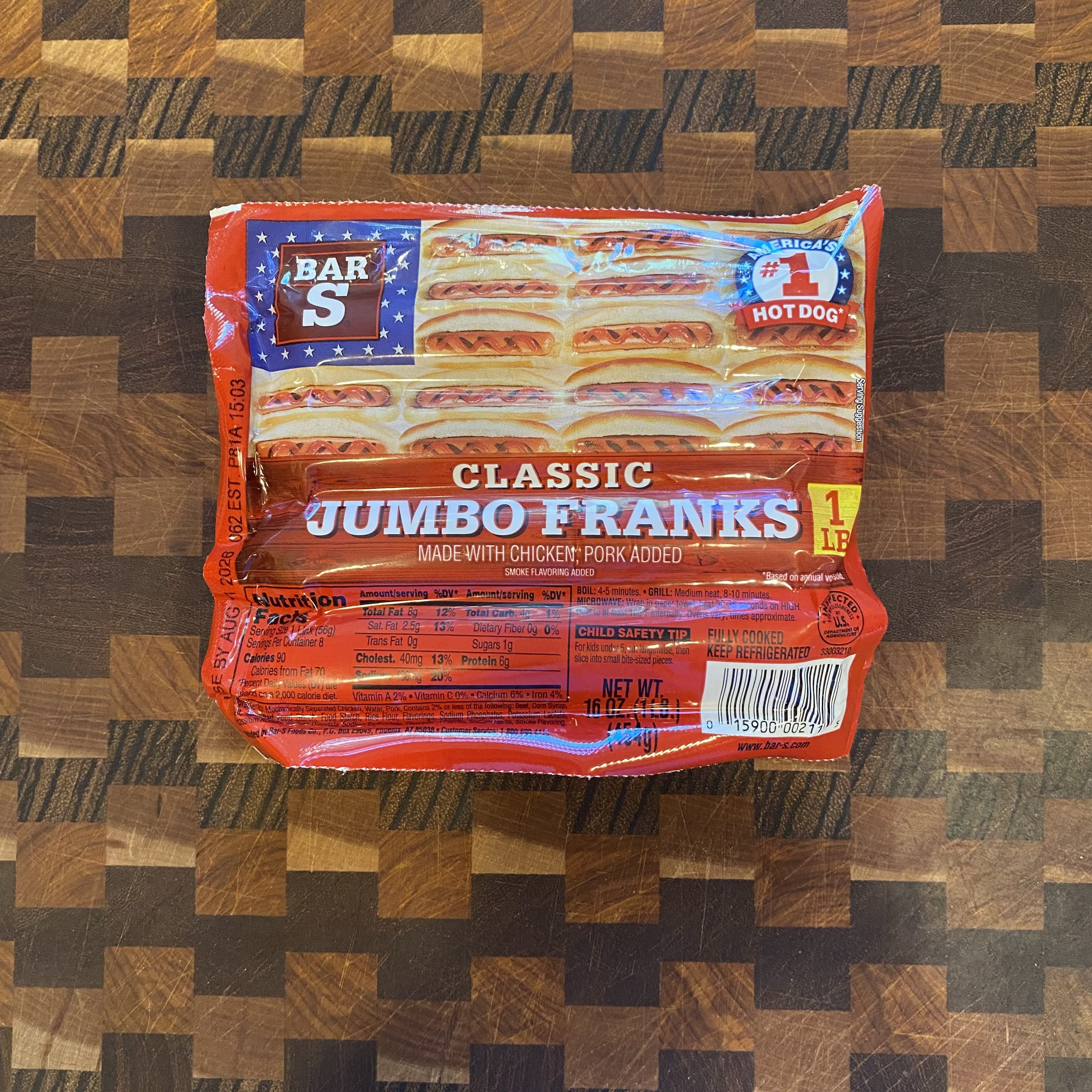
Like the Oscar Mayer, the Bar S is another best-selling budget hot dog. The flavor was amazing, the texture was mediocre, and this hot dog was completely unforgettable from start to finish. As I write this a week or two after testing, I have no idea what this hot dog tasted like. With other dogs on this list, I can remember the overall experience well, but bar S it’s just a blank screen. I cannot recommend this hot dog in good faith, especially with so many other better options on the table.
top three dogs
Although there were some general differences of opinion among the 6 adult testers and 8 child testers (ages 5-11), the three hot dogs below were universally well-regarded. Adults definitely preferred the all-beef options, while children were slightly less selective overall.
Oscar Mayer Jumbo Beef
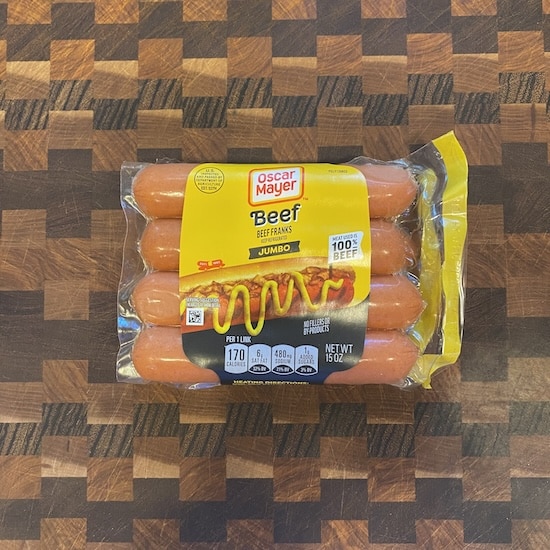
After the disappointing original Oscar Mayer, none in our taste testing focus groups had much expectations from an all-beef version of OM. To our pleasant surprise, it tasted like a completely different product – in the best way. The taste was great and the texture was just right, a little bit spicy and no dirtiness. A great hot dog for all ages!
kirkland
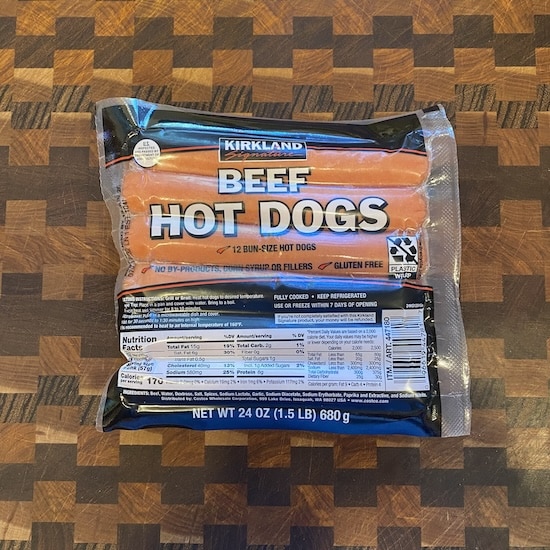
If you’re familiar with them, Costco’s hot dogs taste very different. And they are delicious. Even in a blind taste test, I could pick it out pretty easily. The Kirkland all-beef dogs you buy in the refrigerated section are the same ones you get in the food court for $1.50. (If it tastes different at home, This is due to the cooking method.) This was one of the larger hot dogs we tested, which can make a big difference, especially when feeding adults. You can’t go wrong with Kirkland.
ball park angus
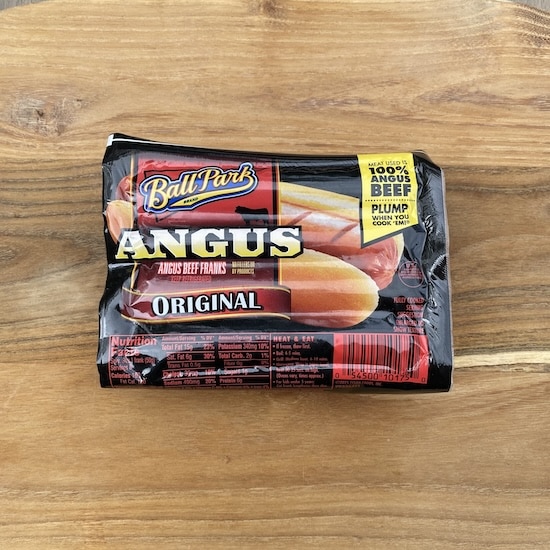
Every adult in our taste test had long-held expectations about what a hot dog should taste like. Whether it came from childhood or college cookouts, it was there. Turns out, the platonic ideal of a hot dog is a ball park. Created for the Detroit Tigers in the ’50s, this thick, juicy, all-beef hot dog is the best-selling frankfurter in America – and with good reason. Before our taste test, it had been a while since I’d tried Ball Park, but from now on it would be my favorite. It tasted exactly like a hot dog should taste, which is probably the biggest compliment I can give.
__________
If the above reviews make it seem like I’m now a hot dog snob, rest assured that I’m really not. If there’s a cookout with hot dogs, I can absolutely guarantee I’ll eat one, even if it’s one of the lowest brands on this list. It’s not like anyone is digging through the trash to see what brands are available or commenting on the details of a frankfurter’s flavor profile. Ultimately, hot dogs are more about the setting than anything else.
At the same time, there are many who argue that a hot dog is merely a meaty vessel for abundant seasonings and toppings. If you need some ideas, check out our guide to 8 of the most popular regional hot dog styles.