Published on July 15, 2026 11:43 am
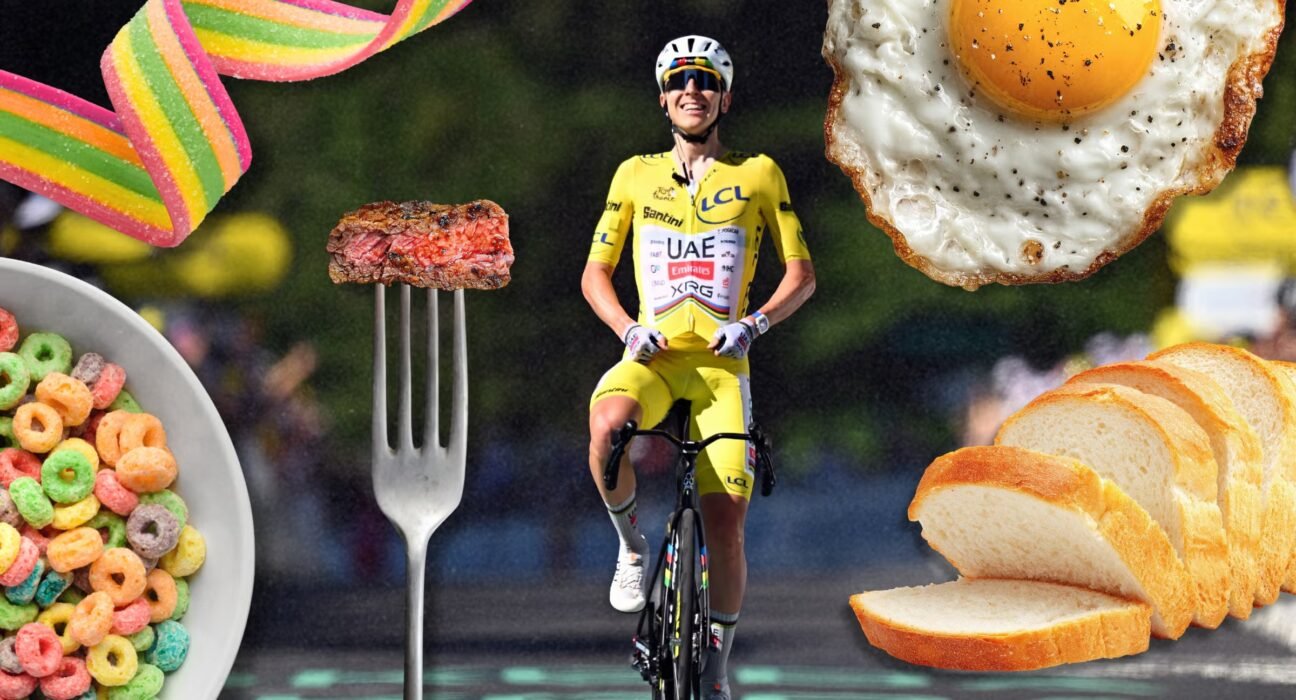
Tour de France riders are premier athletes who eat like a pack of wild animals. The world’s best cyclists eat between 5,000 and 8,000 calories a day on the Tour. This is two to three times more than the guideline intake for a sedentary adult. But this is not gluttony. this is survival.
Riders can burn more than 6,000 calories in just one stage of a race defined by superhuman acts of performance, requiring superhuman feats of fueling.
The enormous energy demands of a day at the Tour de France mean that winning and losing is often determined by what a rider has in his stomach.
The increased intensity and minimal margins of the Pogacar-era have fueled even more.
Carbohydrates have become an essential science in this high-speed modern tour. The energy-giving macronutrient king rules every meal in prescribed portions Precisely-calibrated food apps.
but it’s not like that All Carbs in the Tour de France.
To keep up with the three-week cycle of muscle repair and recovery, riders eat protein as if they were bodybuilders. Fat and fiber are expertly dosed to support overall health without stealing calorie space from carbohydrates or putting athletes at risk of “The Dumoulins.”
Yet, despite the nutritional sophistication of today’s WorldTour, a beautiful irony remains. The leading athletes of the professional peloton eat menus that look like they were inspired by both a child’s birthday party and a boutique restaurant.
Here’s what a Tour de France rider eats in a day and why.
Breakfast
- Buffet of rice porridge, traditional porridge, bread, pasta, rice, omelette, yogurt, avocado, nut butters
- Carbohydrate-centric, with moderate amounts of protein and fat
- Main goal: 20 grams of protein, depending on the stage, maybe more than 4 grams of carbohydrates per kilogram of body weight
Total: 1,000-1,500 calories
The morning menu at the Tour de France can consist of almost anything, as long as it is rich in carbs.
This meal, called “breakfast”, consists of rice, pasta, and sometimes potatoes by the kilo. Oatmeal, granola, and freshly baked bread are also available for traditionalists who can’t stomach eating “dinner” at 8 a.m.
Riders are tasked with downing a specific “load” of energy-giving sugars each morning to fuel the day ahead and support ongoing recovery.
These macronutrient targets are calculated by team nutritionists and special apps for each rider, every day of the race.
For the toughest stages of this year’s Tour, riders may have to snack on more than 4 grams of carbohydrate per kilogram of body weight. a rider of Tadej Pogakar’s A few minutes after getting out of bed, one may have to crush about 1 kg of cooked white rice.
Why use rice in this example?
Because it is the preferred energy source of the modern peloton.
White rice is rich in carbohydrates, low in fat and has a rapid effect on the gastrointestinal (GI) system. Pasta is now the preserve of Italian purists and those who can’t eat much rice.
The breakfast plate is packed with carbs, but there’s little room for some protein. An initial dose of protein from eggs and yogurt is necessary for the three-week recovery cycle.
immediate pre-stage
- Energy bars, gels, fruits
- all carbohydrates
Total: 200-400 calories
Riders aim to have breakfast approximately three hours before the start of the stage to ensure they have time to return to race weight. That period could be longer if they face a long transfer from their hotel to zero kilometres.
In almost all scenarios, riders replenish their energy reserves before rollouts with a carb-dense snack on the team bus.
When they do, the obligatory on-board espresso machine is kicked into overtime to provide the final kick of caffeine. The most powerful legal execution aid Of stamina.
during the stage
- Energy gels, beverages, chews, crisp bars (no, really)
- All carbohydrates, no protein or fat
- Main goal: 60-120 grams of carbohydrates per hour
Total: 1,500-2,500 calories
What a biker eats in the Tour de France depends on the demands of the day’s stage.
One thing that’s certain, no matter what? Riders are typically fueled by carbohydrates, the body’s preferred source of quick energy.
At the top end of the scale, a GC climber can eat around 120 grams of carbohydrates per hour on the toughest mountain stages of this Tour de France. This is 500 calories, or equivalent to 3-4 gels, per hour.
Many people go even further than this.
Pogakar has been known to go up to 130 grams per hour, while others move towards 150 grams per hour.
There is no free pass from sports nutrition in the Tour de France. Even riders doing soft-pedaling at the back of a snoozing sprint stage don’t go below 60-70 grams of carbohydrate per hour.
This high-carb “revolution” that transformed pro cycling in the 2020s came at a cost.
“Real Food” The Tour de France has been banished from jersey pockets and musettes.
The rice cakes and wraps of a decade ago have been almost entirely displaced by a flood of gels, drinks and chews. The only “real food” that allows the monotony to be broken is a reassuringly humble one: homemade crispy treats.
These cereal-and-marshmallow bars prevent flavor and texture fatigue without sacrificing the high-GI, low-fiber energy you need.
immediate post-stage
- Cherry juice, soda and candy at the finish line
- Packed-up meal of rice, pasta, chicken, fish, eggs and protein shake on the bus
- Carbohydrates at the finish line; Carbs and Protein on the Bus
- Main goal: 20-30 grams of protein, 1-1.2 grams of carbs per kg body mass
Total: 1,000-1,500 calories
Riders barely get a chance to save data on their head units for mass upload to their fitness apps at the end of a Tour de France stage. As they cross the border, enthusiastic foreigners toss bottles of cherry juice and soda at them.
Fast-acting carbs are priority No. 1 in the post-stage scramble. A handful of Haribos and Coke flakes kick-start muscle glycogen replenishment exactly when the body needs the sugar most.
cherry juice, Mysterious Red Drink it has become so popular le tour, Provides calories but also provides important antioxidants that speed recovery.
But wait… where’s the protein?
He can wait for the bus ride home. Contrary to popular wisdom, carbohydrates, not proteins, are preferred after a workout.
Lean protein is served on the team bus along with carbohydrates as part of a pack-up meal for the trip to the hotel.
Like all other parts of meal planning, portion sizes are calculated in advance based on the stage workload, estimated time until dinner, and the demands of the next day.
Riders often do not get their evening meal until 4–5 hours after a stage. Enjoy an afternoon tour of the Tour de France, hotel check-in and massage.
This long delay means that the “holdover” meal on the team bus can seem like a double helping of a typical evening meal at Regular Joe’s.
In hotel
- Breakfast of cereals, bread, yogurt, fruits
- Evening meal is soup and salad, followed by rice, pasta, vegetables, chicken, fish and sometimes beef. “Healthy” tops traditional sweets
- Main goal: Whatever is needed to meet overall daily macronutrient goals, ensuring that calorie intake matches daily energy expenditure
Total: 2,000+ calories
In the Tour de France, riders do not have the opportunity to remain hungry.
By the time they check-in to their hotel and do a little doomscroll, the staff has converted a spare bedroom into a “snack room.”
A spread of cereals, bars, fruits and breads, massages and then must be heaven for hungry bikers waiting for dinner.
It’s a quick-hit picnic of protein and carbs to keep the recovery process going which can be a long stretch between the end of the stage and a full evening meal.
dinner
During a normal day on tour, dinner time may not be until 9 pm or later.
But it’s worth waiting for.
Team chefs cook multi-course buffets that add flavor and color to nutrient-rich meals, designed to entice meal-weary riders to keep eating.
Mixed salads, lean meats and fish, and of course, a ton more carbs served fresh from hotel kitchens and team food trucks. Very thin riders also get a dessert – even if it’s low in sugar and fat.
Dinner is different every day on the tour. It’s a constantly rotating menu that many passing punters will pay for.
And like every other meal of the day, the exact menu depends on what the riders have just endured and what’s to come. For example, hot soups and sauces can be included after a cold, rainy phase.
With much of France in the heat of the moment, salads and steamed or grilled proteins will be a priority. Any salad offered to aid digestion will focus more on cooked vegetables rather than raw vegetables.
On which note – fiber intake is increased day by day.
Low GI greens and whole grains are harvested earlier in the high mountain stages. The so-called “low race diet” keeps riders light and bloat-free before a terrifying 6.5 W/kg climb.
Eating is part of the job for a Tour de France cyclist. There will be times when it seems as difficult as climbing the Tourmelet or speeding up the Champs-Élysées.
want more Outside Health stories? Sign up for the Bodywork newsletter.