One of the biggest days in the literary calendar arrives next week on 9 November, when the winner of what is one of the most prestigious literary awards, the Booker Prize, will be announced.
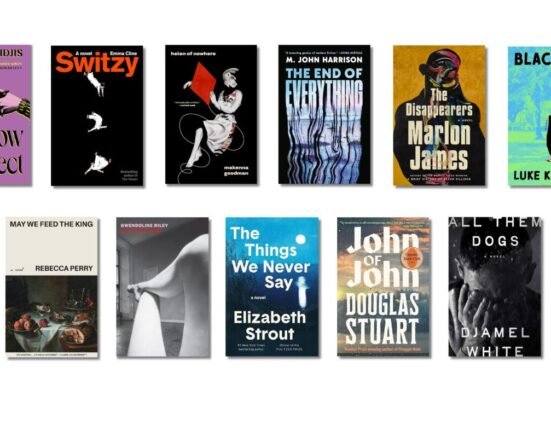
Six novels were shortlisted by a judging panel chaired by classicist Mary Beard, spanning historical fiction with May We Feed the King, contemporary realism with The Disappearers and near-future landscapes with The End of Everything. But if you’re looking for your next read, Douglas Stuart’s John of John is the one standout book we’d recommend.
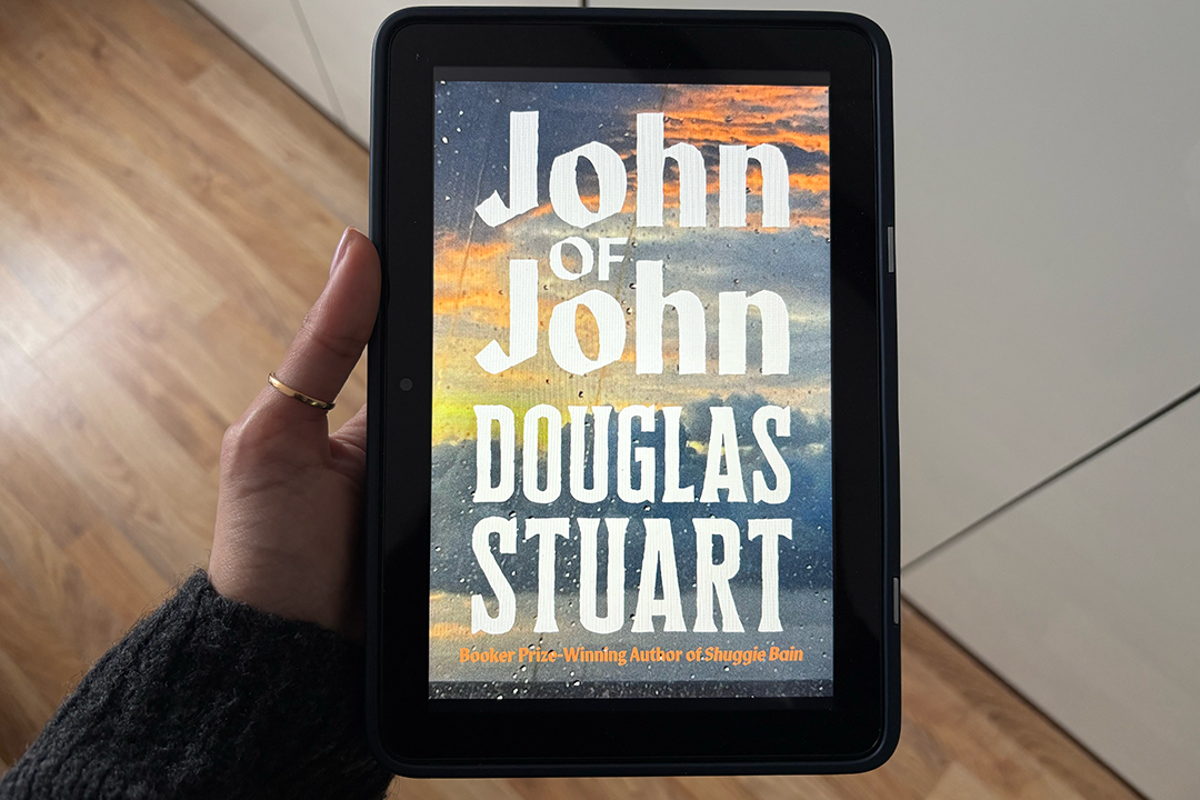
Set against the stark, insular backdrop of a deeply rigid Free Presbyterian community in the Outer Hebrides, John of John delivers an unforgettable, devastating exploration of identity and repressed sexuality between a father and son. Speaking on the novel written by Douglas Stuart, who previously won the Booker Prize for Shuggie Bain, the judges said: “We loved the rich, textural detail of the story, which is set in the 90s and examines young Cal’s fraught relationship with his domineering father.
There’s a vivid sense of time and place,
“There’s a vivid sense of time and place, as the island becomes the site of bristling tensions between secret lovers, feuding families, and a stand-off between tradition and modernity. This excavation of family, violence, and shame is woven through with beautiful imagistic detail, and – unexpectedly but wonderfully – shades of hope.”
Before the winner is announced, the IndyBest team and I pored over the entire shortlist, and while there is a contender for lovers of history, satire, and sci-fi alike, John of John stands out as the unmissable masterpiece of the year – here’s all you need to know.
Trading Glasgow’s streets for the Isle of Harris, previous Booker Prize-winner Douglas Stuart turns to the wind-battered Outer Hebrides for his third novel, John of John.
The story follows Cal, formally John-Calum Macleod, who
The story follows Cal, formally John-Calum Macleod, who retreats to his family’s home after his ambitions as an artist on the mainland hit a wall. Back on the island, he must navigate an uneasy homecoming defined by silence and scrutiny. Cal conceals his sexuality from his father, John, a sheep farmer and weaver steeped in the uncompromising codes of their strict Free Presbyterian community.
“It’s this father-son relationship that shines in John of John, depicted so thoughtfully and tenderly by Stuart, who gives readers a masterclass in writing about complex masculine relationships,” said IndyBest deputy editor Sabrina Sahota after reading the book.
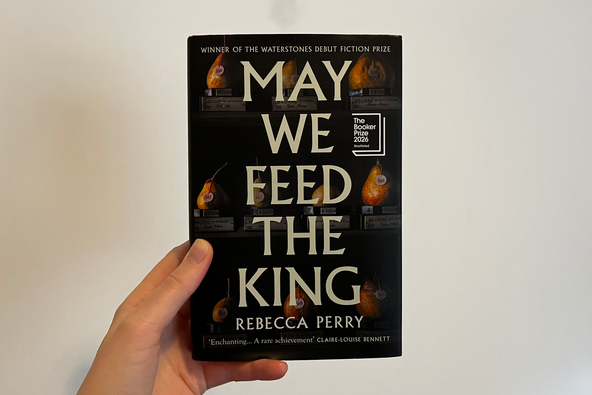
I also highly recommend the fiction debut from award-winning poet Rebecca Perry, May We Feed the King. It’s a luminous reimagining of historical narrative that strips away the familiar pomp of medieval courts to reveal something far more intimate.
The novel centres on a dedicated curator tasked
The novel centres on a dedicated curator tasked with staging an exhibition inside a historic royal residence. Through this quiet investigative work emerges the story of a monarch who actively resists his crown. Unwilling to claim sovereign power, his hesitation triggers court intrigue and whispers of unfitness, resulting in a profound meditation on agency, desire, and the true weight of duty.
Rich in material detail, May We Feed the King challenges how we assemble memory and reckon with the past, making it a quietly powerful standout for devoted history lovers and genre skeptics alike.
For more, here are16 best new books to read this autumn
Thank you for registering
Please refresh the page or navigate to another page on the site to be automatically logged inPlease refresh your browser to be logged in