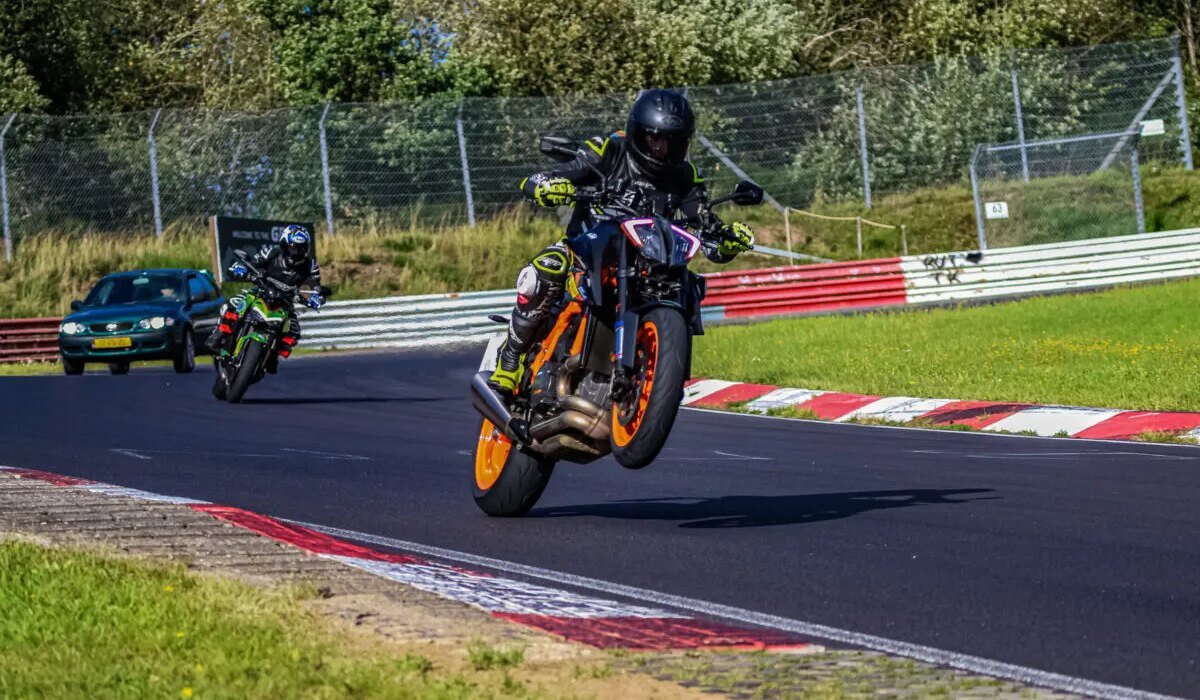
Looking for some high-octane inspiration? Here’s an overview of the racetracks we visited on our Weekend Pass tour…
Reims-Gueux Circuit – France
Nothing prepares you for the sudden appearance of the ghostly remains of the Reims-Gueux Circuit. Buried in the countryside of north-eastern France, about 8 km west of Reims, lies one of the most atmospheric and important tracks of motorsport antiquity. Formed from a triangle of everyday public roads linking the villages of Guex, Thillois and Muizon, the track first came to life in 1926 when the Grand Prix de la Marne moved there. What began as a simple loop of rural roads soon gained a reputation as one of the fastest circuits in Europe. And that reputation was well earned. Reims-Geux was basically a high-speed blast between two monstrous straights, each spanning two kilometres, connected only by a handful of corners and flat-out kinks. outcome? The cars (…and later the bikes) spent most of the lap in top gear, slipping past rivals at ridiculous speeds. Engines were hammered, brakes cooked and races often turned into full-throttle drafting battles decided on the line.
Enjoy all the MoreBikes by reading the MoreBikes monthly newsletter. Click here To subscribe, or read online for free.

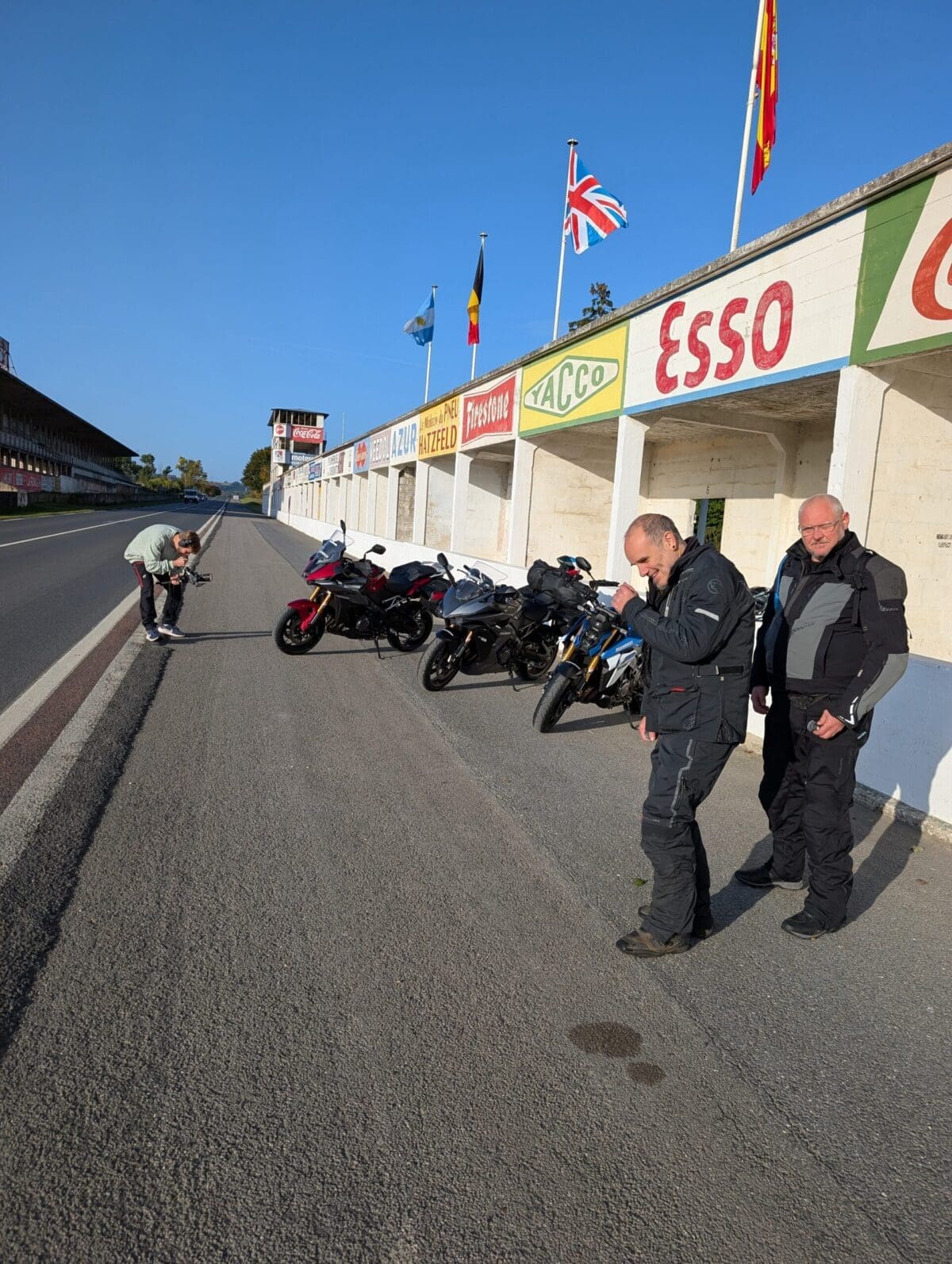
The circuit evolved in the 1930s and post-war era as organizers widened the roads and changed the corners to keep pace with the faster machines. By the 1950s it had grown into an 8.3 km monster and became a regular stop for the Formula One World Championship. It was a place where racing was raw, fast and appropriately heroic… where courage often mattered more than how many ponies they were packing.
But like many road circuits of its time, Reims could not meet the safety demands of modern racing. Formula One made its final run in 1966, sports car racing ran until 1969, and the motorcycle racing circuit ran until 1972 before closing forever.

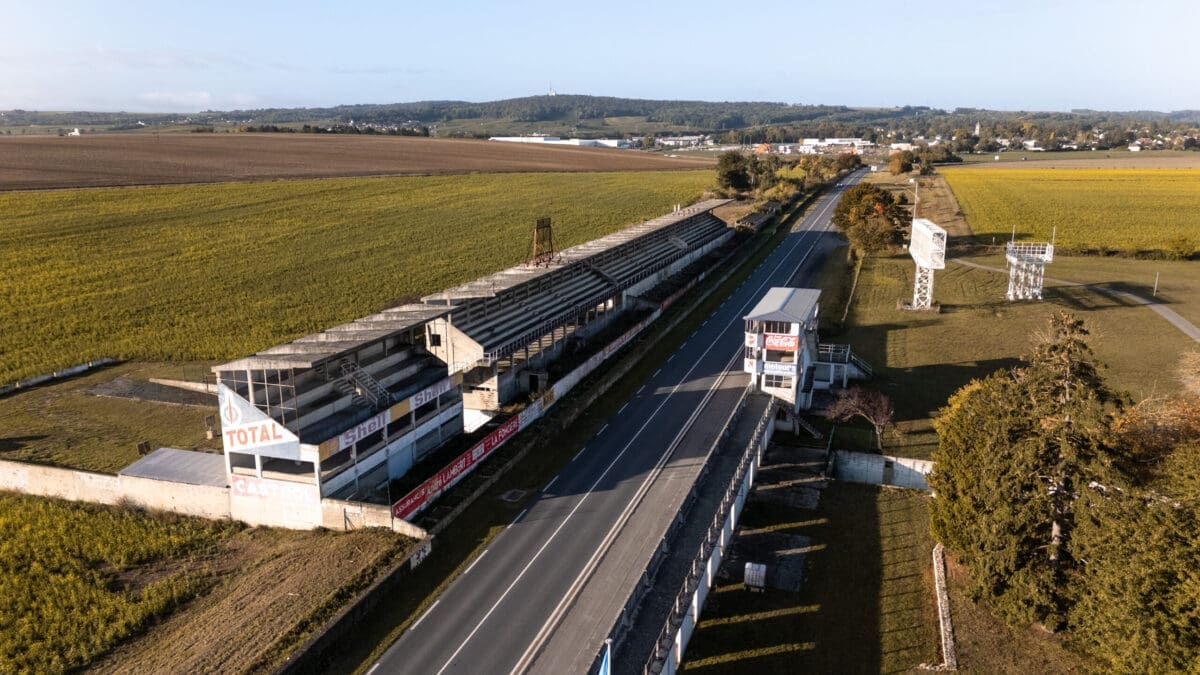
The fantastic thing is that Reims-Gueux never completely disappeared. Much of the old layout still exists as normal public roads, and the faded pit buildings and grandstands still stand upright along with the old start-finish. They are now looked after by the conservation group Les Amis du Circuit de Gueux, who have helped transform the place into a motorsport landmark. Seeing the scenes firsthand is really something special, and also surreal. From the concrete cast grandstand to the eerie race control block, from the pit garage to the historic hand-painted brands of the many sponsors of a lost era… it’s like stepping back in time to the days of fast fueling. This place has a real presence and is somehow able to penetrate the soul of any petrolhead. Without a doubt, it turned out to be one of the most unexpected and most valuable visits to any racetrack I can remember… which is even weirder considering there’s no actual racing happening there. Still, it’s worth a look. It’s also very easy to reach, and you can park right in front of the historic site – but beware of open roads and fast-moving traffic. And once you’ve finished exploring the site and its many fascinating elements, you can hop on your bike and take a whiz around the old circuit layout. We did, and riding across the grandstand was really something special. The feeling of speed must have been different when absolutely pinned. For bikers and motorsport fans, it’s basically a pilgrimage… a piece of racing history frozen in time.
Nürburgring Racetrack – Germany

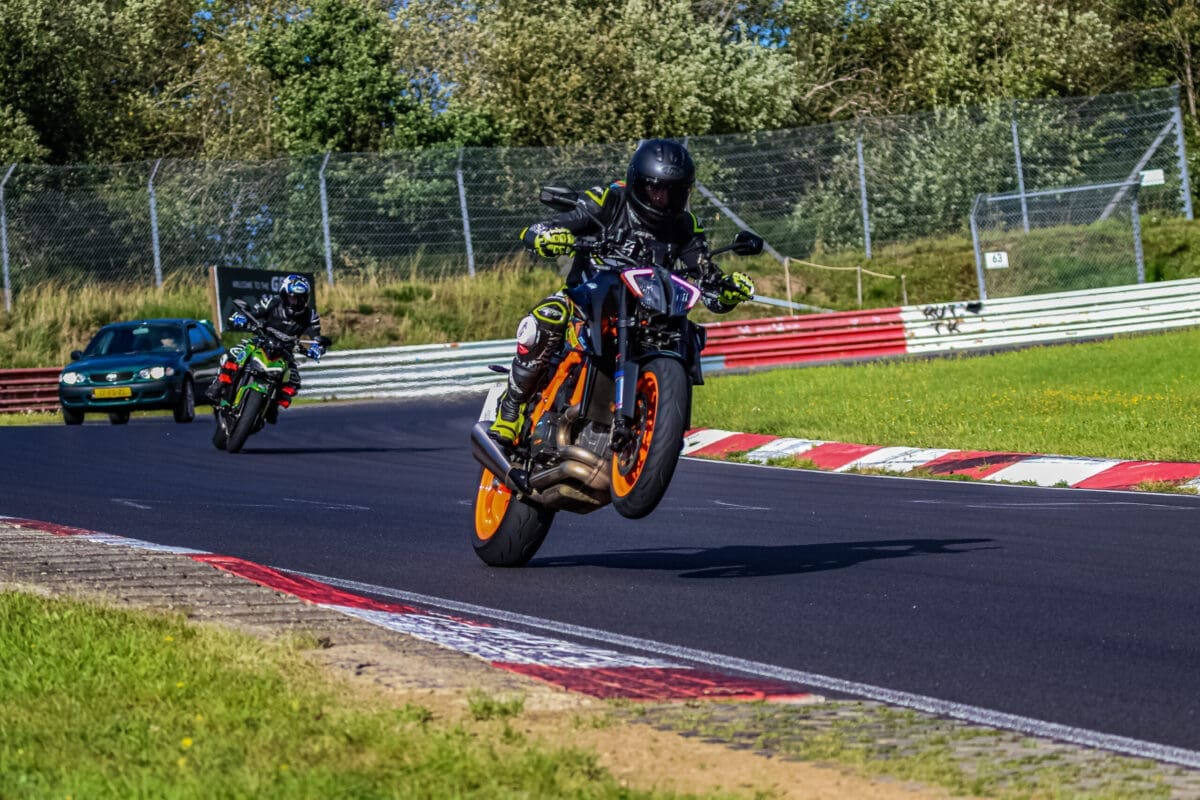
Few circuits in the world hold as much myth, fear and sheer prestige as the Nürburgring. Hidden among the wooded hills of the Eifel Mountains, near the city of Nürburg, the track has become a motorsport icon. It opened in 1927 as a vast complex of circuits designed to showcase German engineering and promote tourism in the area. The most famous layout, the Nordschleife, soon became the subject of legend. Over 20km long and packed with over 150 corners, it winds its way through forests, peaks and valleys in a continuous ribbon of tarmac that feels more like a rollercoaster than a racetrack.

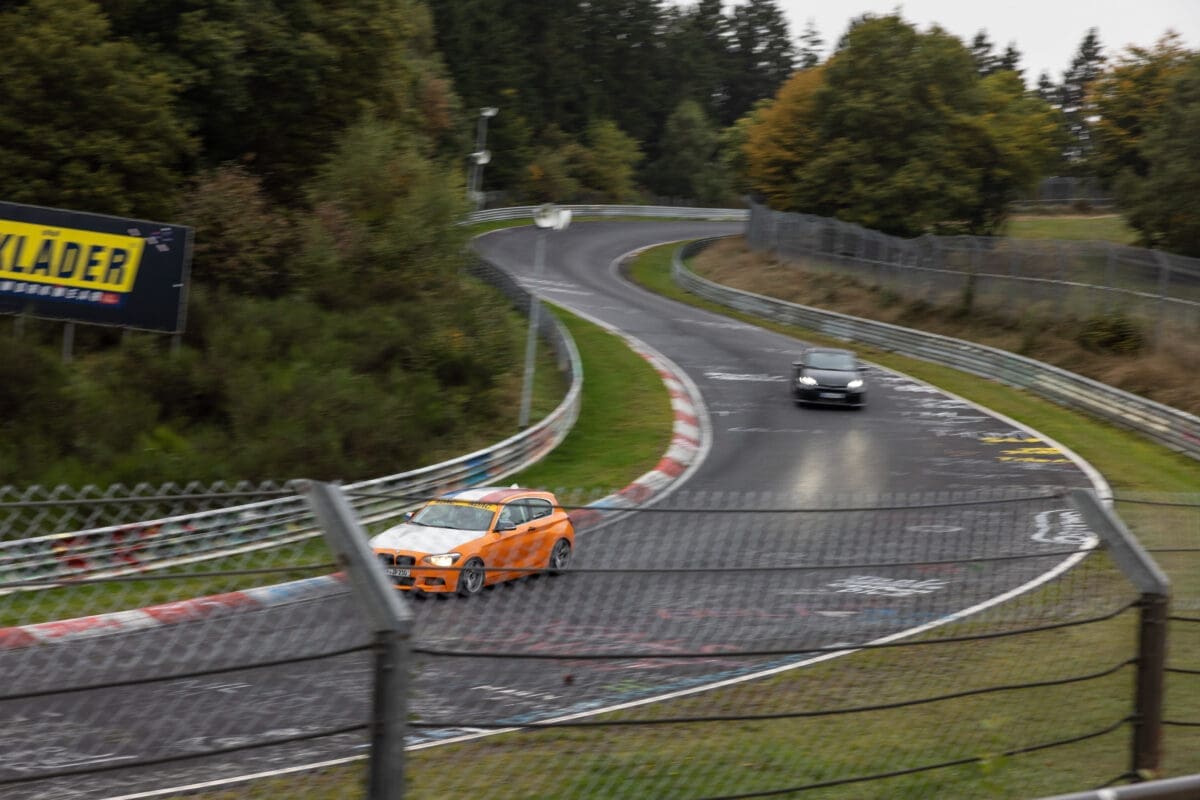
In the early days, the place was brutally unforgiving. Narrow, rugged and surrounded by grass banks, trees and obstacles, the Nordschleife became known as the ultimate testing ground. It hosted Formula One World Championship rounds for decades, but even the world’s best drivers regarded it with a mixture of respect and awe. Its reputation was best summed up by F1’s Jackie Stewart, who nicknamed it “The Green Hell” after battling fog, rain and darkness during the 1968 German Grand Prix. The name stuck and to this day it perfectly reflects the character of the track.

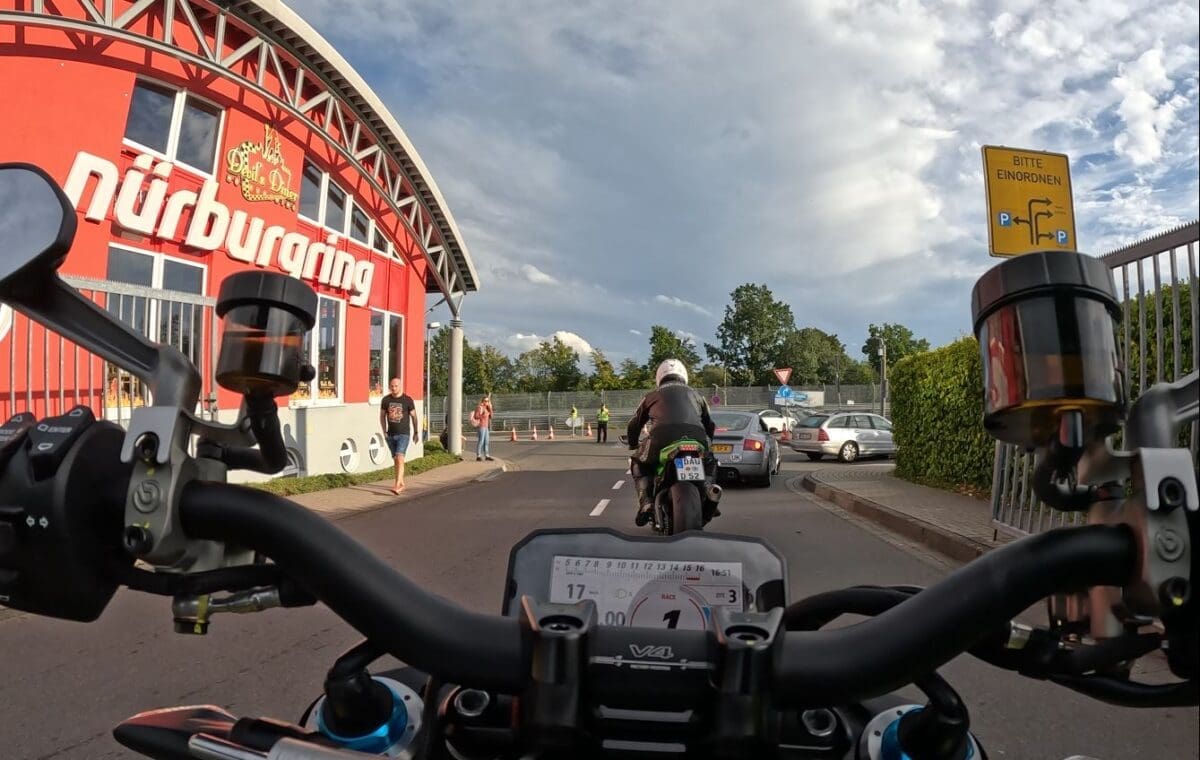
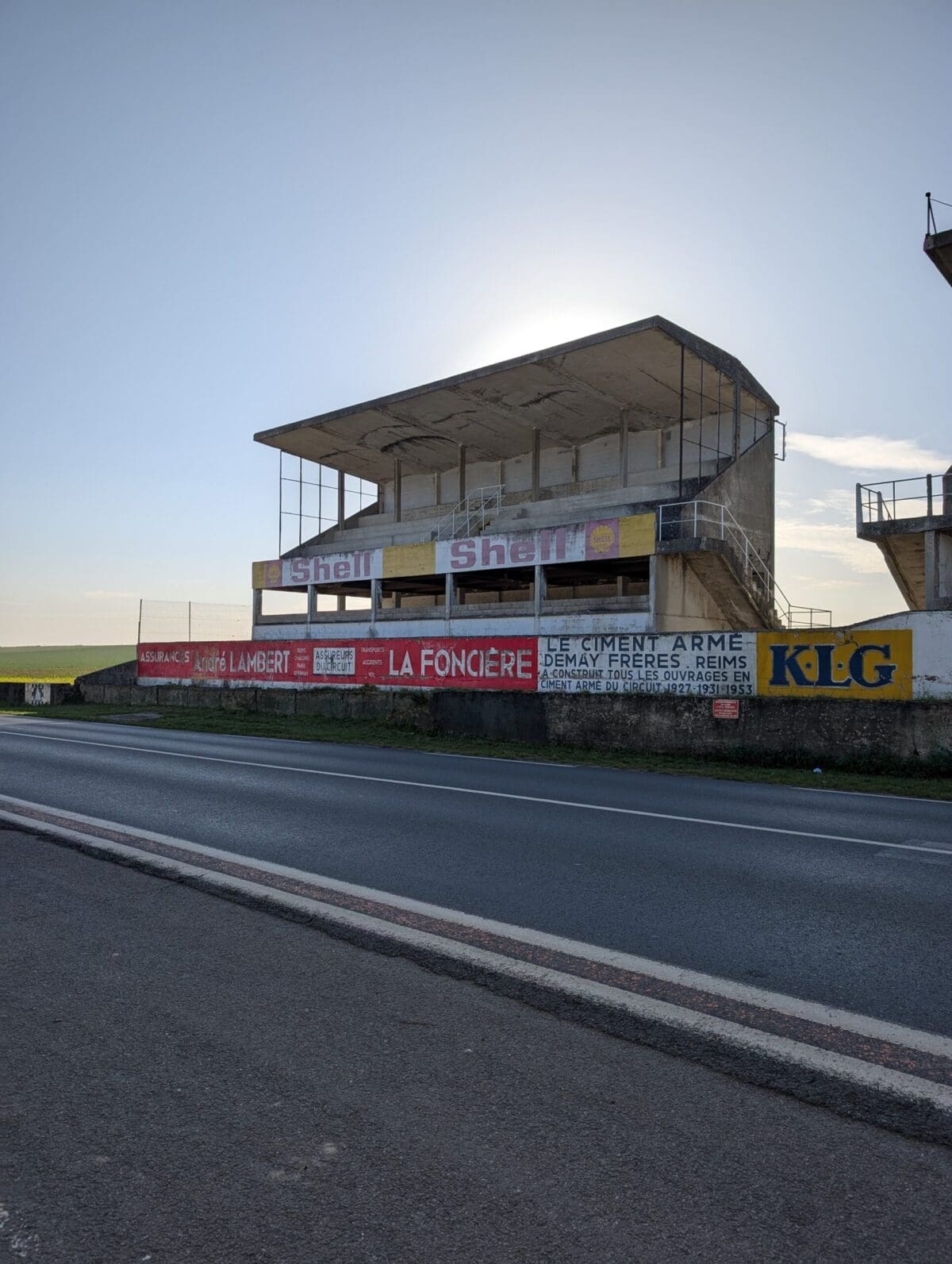
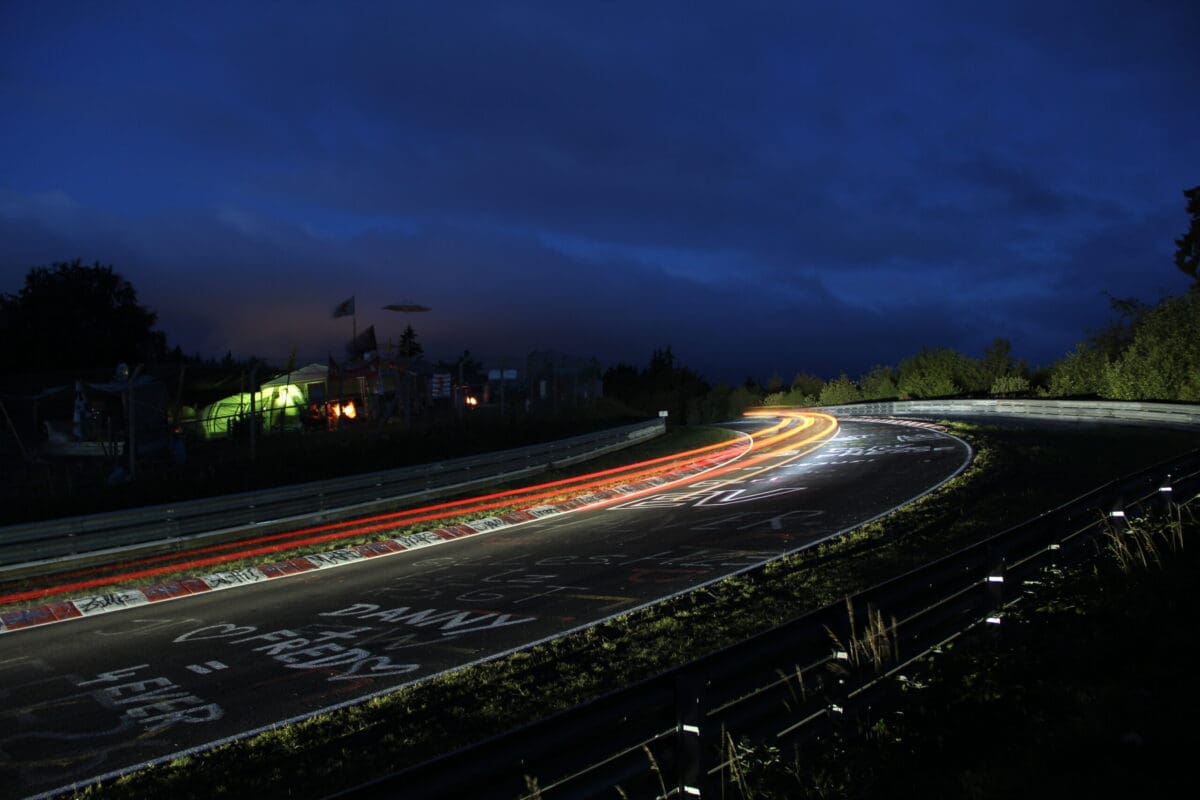
By the mid-1970s the Nordschleife had become too dangerous for modern Formula One machinery. After a serious accident with Niki Lauda during the German Grand Prix in 1976, the sport abandoned the old circuits. Later a new, smaller and safer Grand Prix track was built next to it… and it’s worth a ride if you’re in the area. But when the top level of racing went away, the Nordschleife never lost its allure. In fact, if anything happened, its legend only grew. Today, the Nürburgring is one of the most unique motorsport venues on the planet as the Nordschleife still opens to the public during special seasons called “Touristenfarten”. In 2023 we went there for a special supernaked test and took several laps around the mesmerizing track. Without a doubt, it proved to be one of the most terrifying and spectacular tarmac rides I have ever done, filled with over twenty kilometers of blind peaks, endless corners and fast-flowing forest roads. Add on top the graffiti, the odd camel and the craziness of sharing the track with cars, vans and the occasional bus, and you’ll probably start to appreciate why the owners made the heart-breaking decision to ban motorcycles from sharing access to the course with cars, as of last year. In such a situation, two trackdays for motorcycles only are organized at the venue. They’re not cheap, and spaces are limited, but the buzz of pulling the pin around the ring is bucket list level… so don’t miss this opportunity. Perhaps at some point in the future bikes will be offered traditional access again, or they might pull the plug altogether? There’s definitely no place like it, and even standing on the sidelines watching the prototype cars hammer around the track is really quite special. The atmosphere is electric… packed car parks full of wild machinery, fans from all over the world and the constant hum of engines through the trees. In a world where most circuits are immaculately clean and overly manicured, the Nürburgring still feels raw, intimidating and surprisingly old school. It’s not just a racetrack… it’s a motorsport landmark.
Circuit de Spa-Francorchamps – belgium
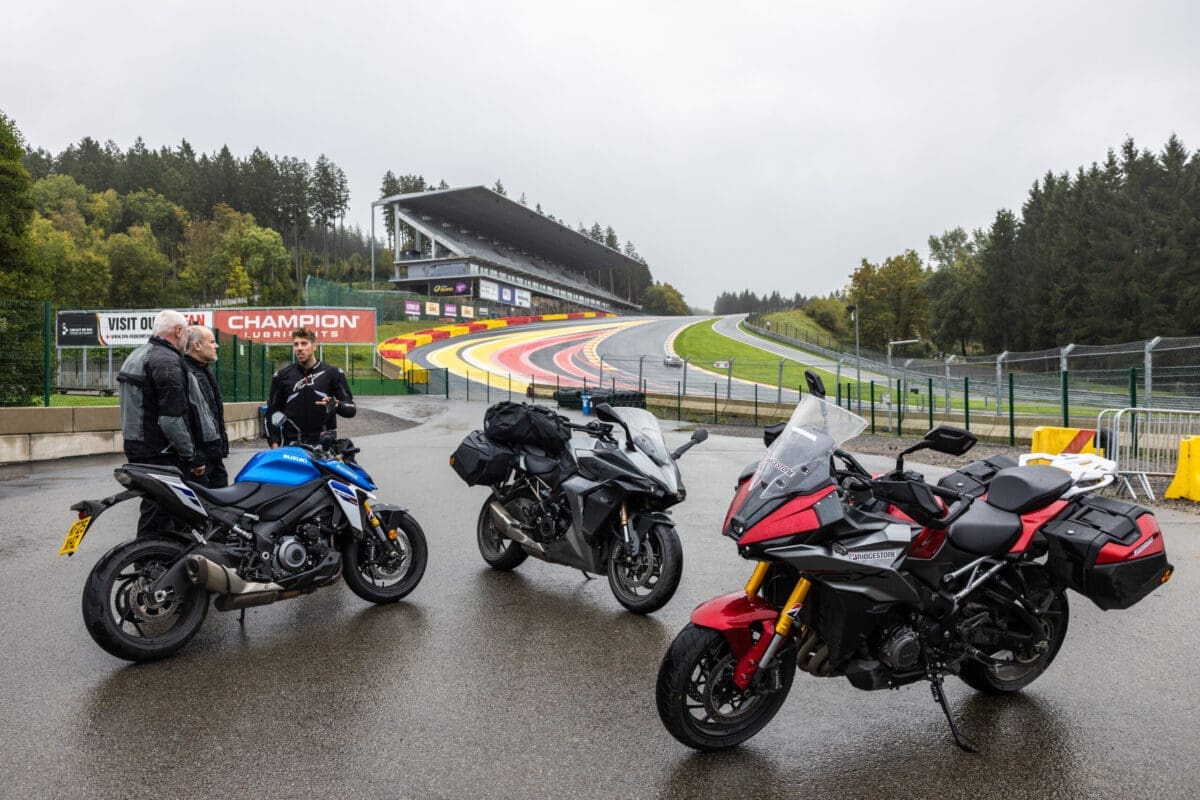
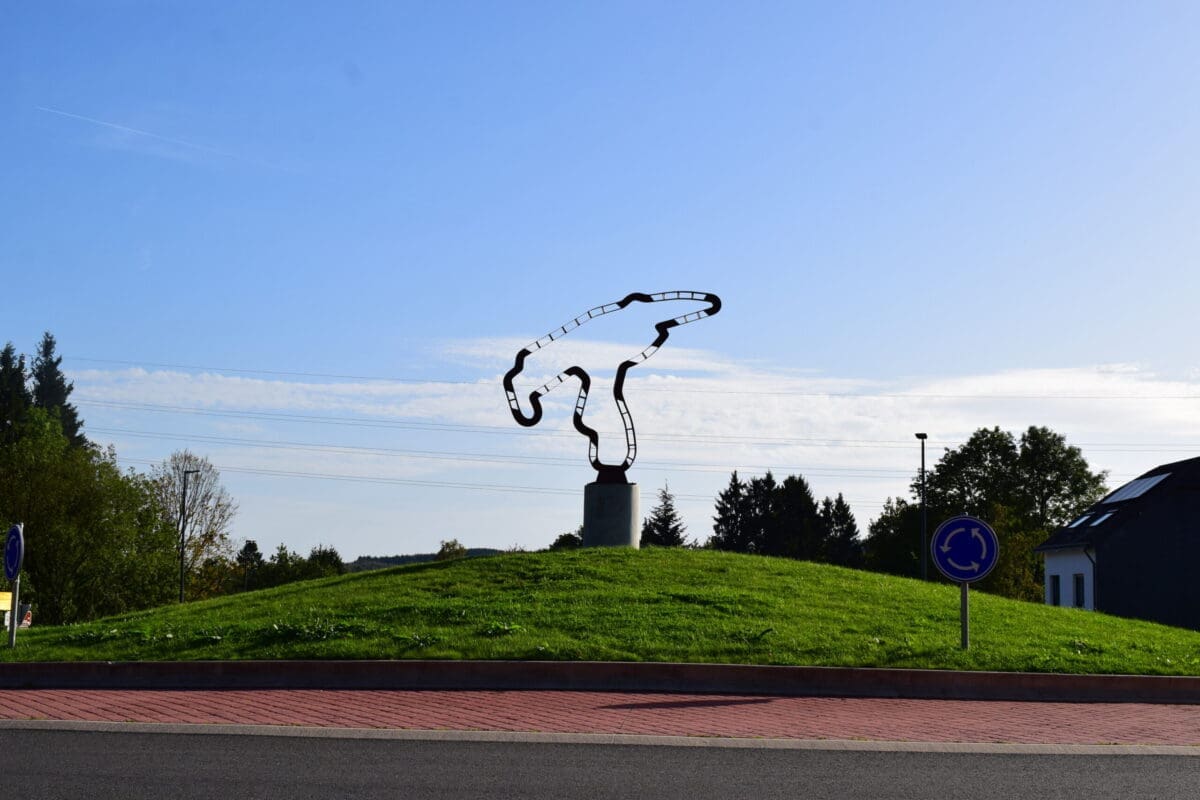
Hidden in the sleepy forests of the Ardennes is one of the most prestigious circuits in world motorsport. Located near the town of Spa in eastern Belgium, the track has built a reputation for fast, flowing corners, dramatic elevation changes and famously unpredictable weather. Spa first opened in 1921, originally using a notoriously quick triangle of public roads linking the villages of Spa, Malmedy and Stavelot. Approximately 15 km long, the original circuit was surprisingly fast. It soon became a staple of early Grand Prix racing and eventually a regular stop on the Formula One World Championship calendar. However, like many old road circuits, the original layout became too dangerous as speeds increased in the 1960s and 70s. In 1979 the circuit was dramatically shortened and rebuilt into the modern 7 km track we know today. Importantly, while the new version was far safer, it retained the character that made the spa special.
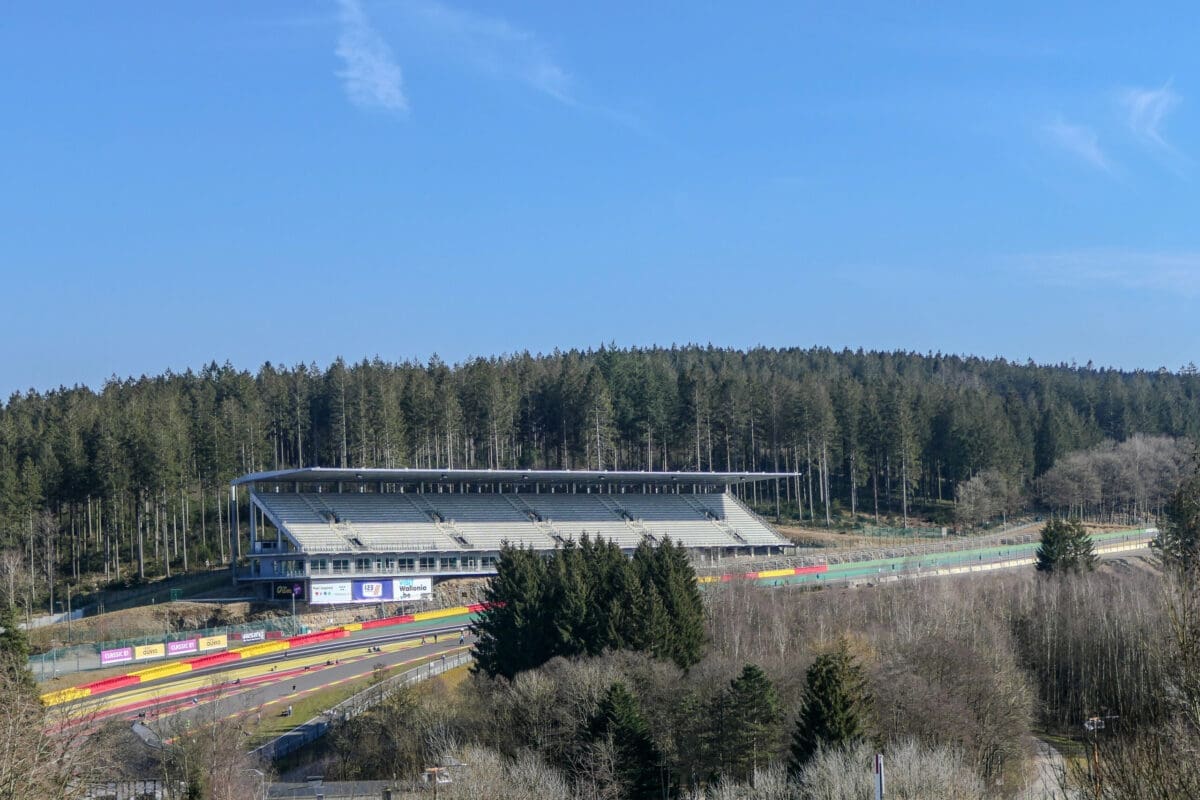
At the heart of that reputation is the famous Eau Rouge and the tough blast through Radillon. It is one of the most famous corners in motorsport: a flat-out slope, followed by a violent climb up through a blind left-right shock that takes you over the Kemel Strait. That combination of speed, altitude and commitment is what makes Spa so coveted among racers. Drivers and riders regularly call it one of the best circuits in the world because every corner feels as if it flows into the next, turning a spin through the trees into a long, high-speed rhythm. And then there’s the weather. Due to the size and location of the track in the Ardennes hills, it is not unusual for one part of the circuit to be wet and another part dry. As per Sod’s law, when we landed at the place, dense fog and heavy rain welcomed us. Strangely, this didn’t detract from our experience, which was of a static nature, watching the GT3 fight for traction on the Redillon. The sights and sounds whetted our appetite to return this year and tackle the track head-on. As venues go, this is the most accessible and traditional of the three we visited, with good facilities, viewing areas and access to most corners of the circuit. All this makes Spa a must-visit for motorsport fans, and reason enough for us to plan a return visit.