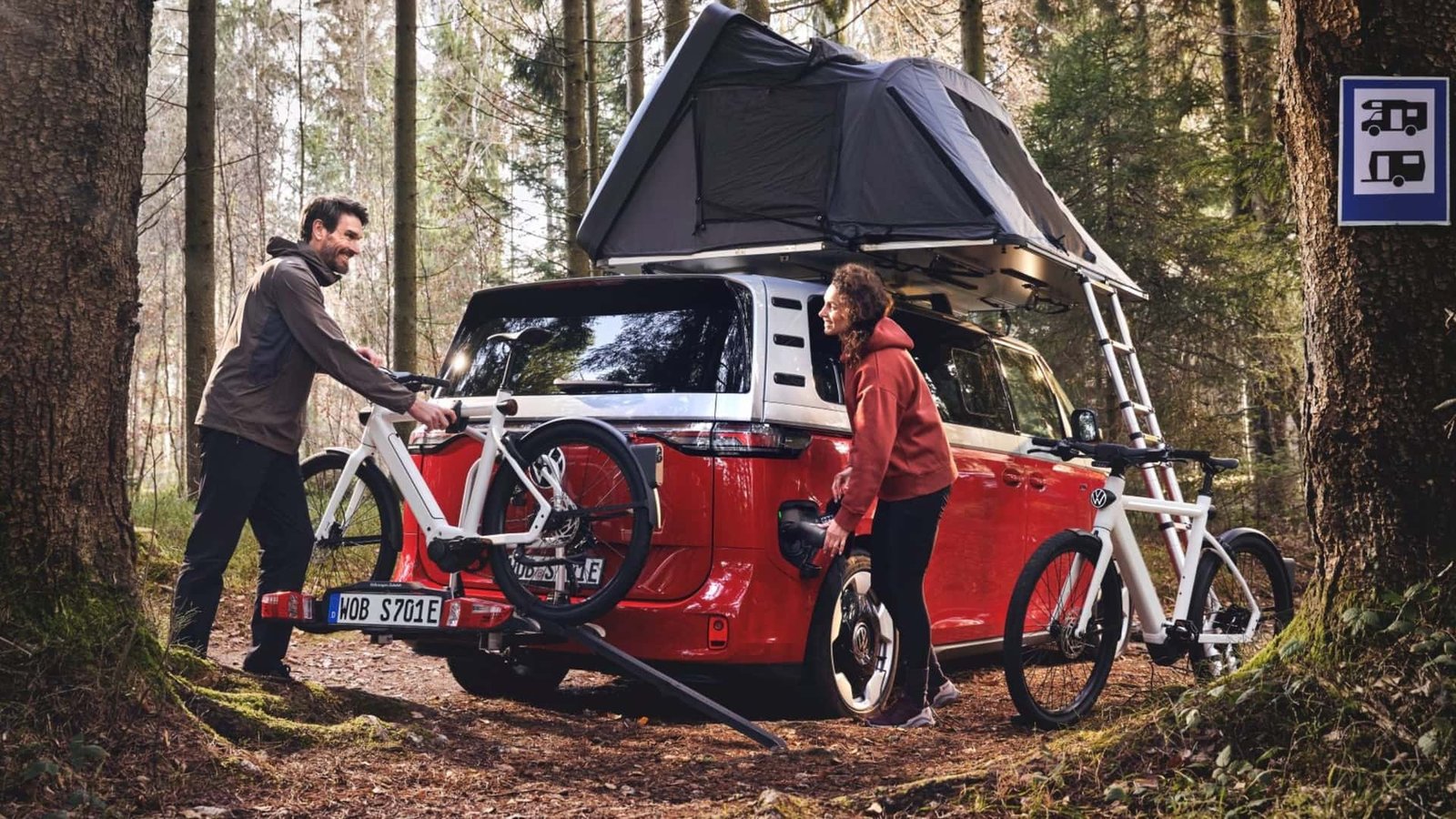
It is a good time to launch a premium electric bicycle. Then there’s whatever else is going on at Volkswagen right now.
The German giant has spent the last few years fighting battles on multiple fronts. Sales in China are no longer what they used to be. The electric vehicle transition has proven to be more expensive and complex than many expected. The company is restructuring, cutting costs, and trying to convince investors that it still has a clear path forward. Against that backdrop, Volkswagen’s latest announcement isn’t another affordable EV or a breakthrough battery one. This is a range of attractive new electric bicycles.
You almost have to admire the confidence.
From the outside, the move looks a bit like a roof is leaking and someone is remodeling a patio. Volkswagen is trying to simplify its operations while also offering a premium lifestyle product that costs several thousand dollars. Even if those projects have nothing to do with each other economically, most people won’t see it that way. It’s impossible to ignore the optics.
Volkswagen’s e-bikes aren’t exactly cheap, with prices starting at $3,999 USD.
Photo by: Volkswagen
The bike itself is not the problem. Premium e-bikes have exploded in popularity over the past few years, and many buyers are happy to spend serious money on one. The problem is one of scale. Volkswagen sells millions of vehicles each year and generates hundreds of billions of dollars in revenue. Even if this bike becomes hugely successful, it won’t suddenly eliminate the company’s biggest headache or turn around its balance sheet.
so why bother? Because it’s not really about the bicycle.
Look a little closer, and you’ll see that Volkswagen isn’t building an entirely new bicycle business. The bikes come through licensing partnerships mobility specialist n+Which means Volkswagen gets the chance to expand its brand into another transportation category without paying the hefty bill that typically comes with launching an entirely new product division. This is a very different proposition from diverting engineers away from cars to making bicycles.
More importantly, the company wants people to think of Volkswagen as nothing more than an automaker.
This has been a topic of discussion throughout the industry for years. “Mobility.” It’s a catchall term that covers everything from ride-sharing and charging networks to software, subscriptions and micromobility. Cars are still the main event, but automakers increasingly want a piece of every way people get from one place to another. An e-bike fits nicely into that picture, whether it’s replacing short trips, connecting to public transportation, or simply giving someone another reason to be inside the Volkswagen ecosystem.
In that context, the bike starts to make a little more sense. It is a branding process wrapped in a consumer product. If it sells well, Volkswagen earns licensing revenue and strengthens its broader mobility strategy. If this does not happen, the financial loss is much less than a failed vehicle program. This is a fairly favorable risk calculation.

Will Volkswagen’s pivot to “mobility” be enough to save the company?
Photo by: Volkswagen
Of course, none of this guarantees that people will embrace the idea. Consumers evaluate companies based on their biggest products, not their side quests. Right now, whether Volkswagen’s reputation will rise or fall based on the cars it makes, how successfully it competes against China, what decisions it makes with Ducati, and whether its restructuring provides turnaround management, it’s promising.
E-bikes won’t decide Volkswagen’s future. But it shows how the company sees the future. Volkswagen isn’t trying to be the next great bicycle manufacturer. It is trying to convince the world that transportation no longer begins and ends with four wheels. Whether that’s a smart long-term strategy or unfortunate timing depends entirely on where you stand.