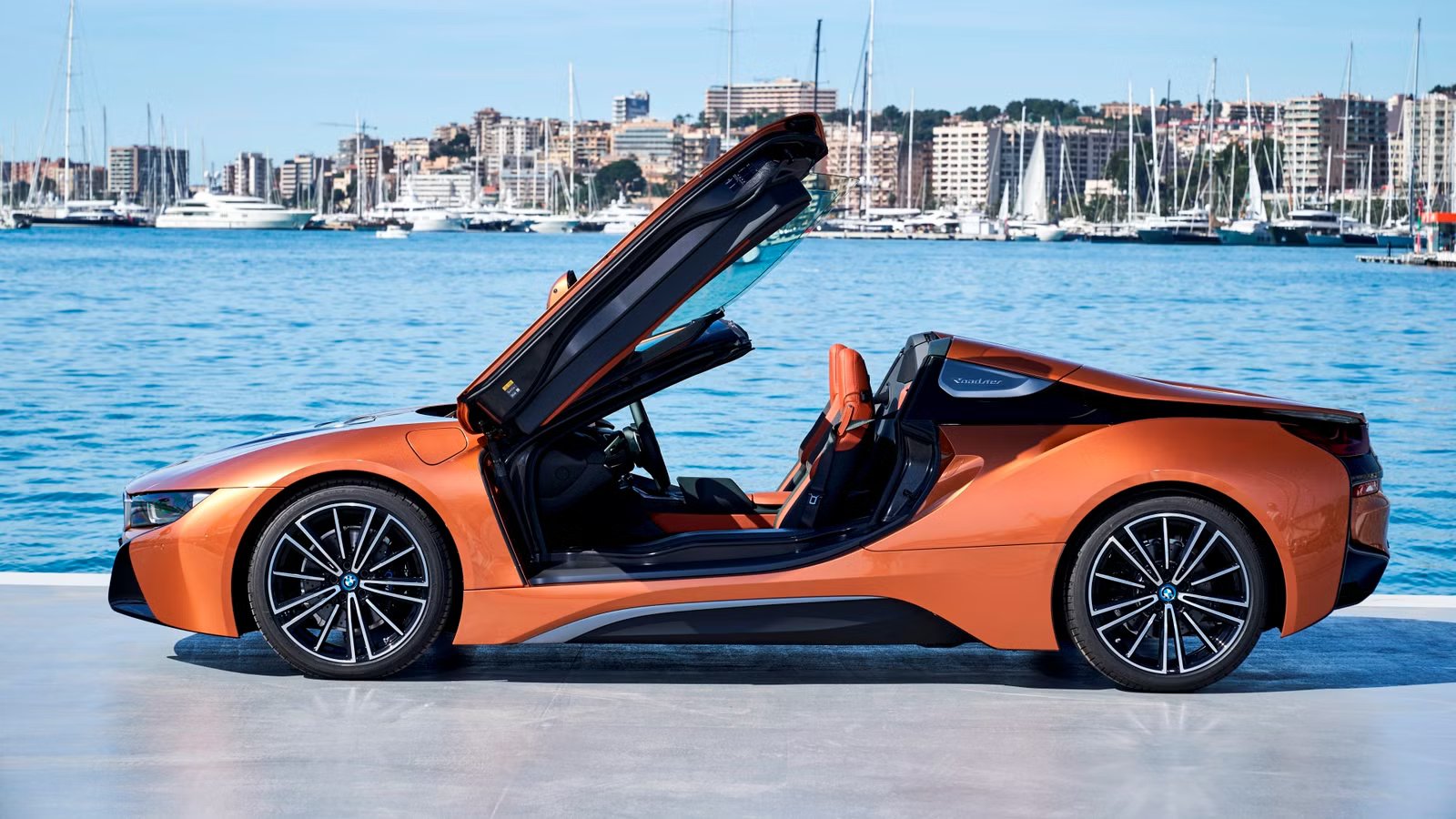
Five years ago, the BMW i8 sat firmly in six-figure territory – a carbon-fibre-bodied, butterfly-door hybrid that looked like it escaped from a concept hall and cost the same. Today, used examples are going for under $50,000, and that number is a real inflection point. It’s now the least expensive way to park something in your garage with scissor-style doors and a carbon-fiber tub.
The milestone matters because the i8 was never a cheap car to build or buy. It launched in 2014 with a base price of about $135,000, and even the late-production 2020 model – BMW’s final year before the move – topped $140,000. The depreciation curve has steepened, and right now it is completely working in favor of the buyer.
What does $50K really get you on the used market
Used listings currently show 2014-2016 i8s with mileage in the 30,000-55,000-mile range ranging from $42,000-$49,000. Low-mileage 2017-2019 examples cluster just above $50,000, although motivated sellers and higher-mileage units are pushing into the high $40s. The sweet spot for buyers who want the full i8 experience without huge depreciation risk appears to be a 2017 or 2018 car with less than 40,000 miles — which can still be obtained at or under the $50K range if you shop carefully.
The coupe is a more common find at this price point. The i8 Roadster, which arrived in 2019, carries a slight premium and is hard to find for less than $55,000. If the open-air experience matters, budget accordingly – but the drama of the coupe is largely in the doors and silhouette.
What else does $50K buy—and why the i8 still stands out

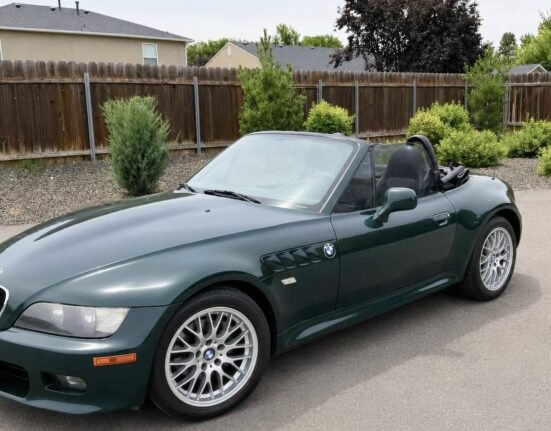
The honest comparison set at $50,000 is strong. Available in this range is a clean C7 Corvette Z06 or Grand Sport, which brings genuine supercar performance – 650 horsepower in the case of the Z06 – and a parts ecosystem that makes long-term ownership much less frustrating. A used Porsche Cayman (981-generation) sits comfortably here too, with the kind of chassis balance that earns its reputation on every single drive. Move towards the top of the budget, and a high-mileage 997-generation 911 becomes possible, although maintenance costs on an older 911 may be unaffordable. A used Shelby GT500 of the S197 era is another option – raw, fast and fast in a very American way.
None of them open up like the i8. This is not a simple matter. The i8’s forward-hanging doors, its low-slung carbon-fiber body, and the way it actually reads as futuristic rather than retro-inspired put it in a visual category of its own at this price. The Cayman is a better driver’s car. A Z06 is fast. But none hold up foot traffic in a parking lot the way the i8 does, and at $50,000, nothing else with this kind of presence even comes close.
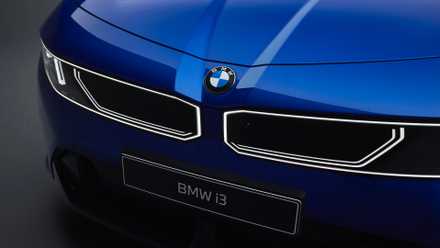
The BMW i3 is back, and it’s nothing to do with the old BMW i3
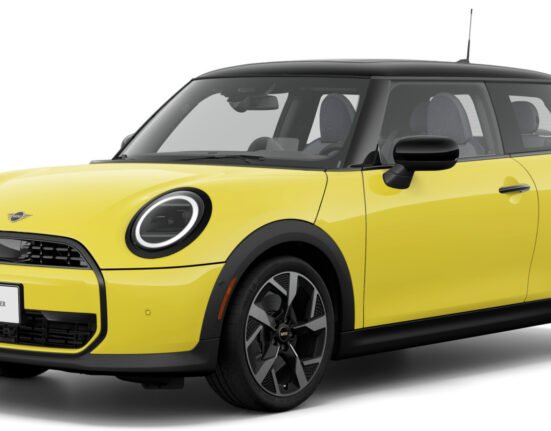
The BMW i3 name is back, but this time it’s a compact sedan that shares little with its quirky, experimental predecessor.
Ownership Reality Check You Should Read First

The i8’s hybrid powertrain combines a turbocharged 1.5-liter three-cylinder with an electric motor on the front axle, producing a combined 357 horsepower. That’s enough for a 4.2-second 0-60 mph sprint, but buyers expecting supercar thrust will get the feel of a grand tourer more than a track weapon. The real appeal of the powertrain was always efficiency and innovation – the i8 could return more than 70 mpg in mixed driving – not outright speed.
Battery longevity is the ownership question that deserves the most scrutiny. The i8’s lithium-ion pack in early examples is now more than 10 years old, and replacement costs are significant – estimates range from $10,000 to $15,000, depending on the source and condition of the pack. A pre-purchase inspection from a BMW specialist who has worked specifically on the i8s is not optional; This is the price of doing this deal safely. Insurance on a crossover-adjacent BMW will run higher than a comparable Corvette, and independent repair options are slimmer than on more common performance cars. Extended warranty coverage, if available, is worth pricing before you commit.
Carbon-fibre body panels are largely cosmetic and do not deteriorate, but they are expensive to repair after any impact. Treat the i8 for what it is: a low-production, technology-forward car that rewards careful ownership and punishes neglect.
The i8 was always a car that asked you to think differently about what a sports car could be. At $50,000, it’s asking a more accessible question – and for buyers who think clearly about ownership costs, the answer is really compelling.