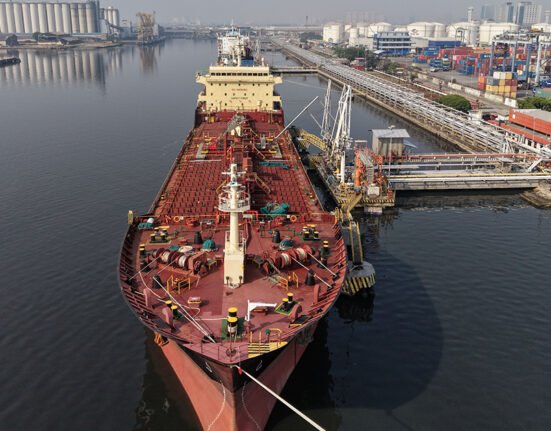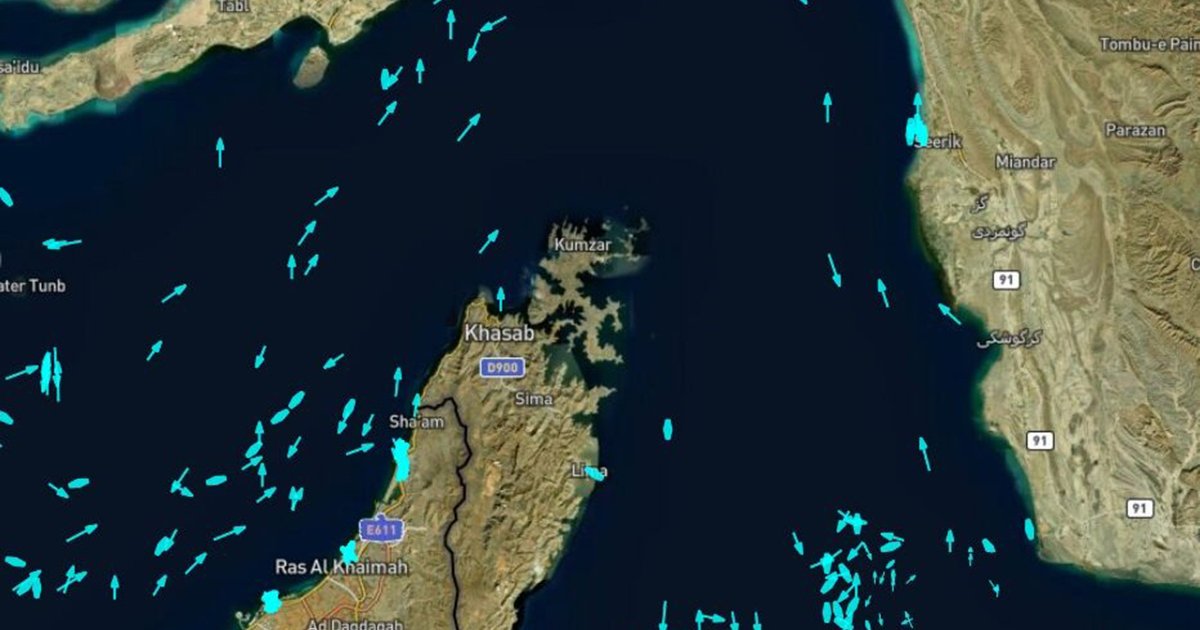
Traffic through the Strait of Hormuz remained light on July 15, hours after the US blockade of Iranian shipping was imposed. (Bloomberg)
key takeaways:
- Arsenio Dominguez, secretary-general of the International Maritime Organization, said the Strait of Hormuz remains too dangerous for commercial ships despite previous US-Iran peace efforts.
- Renewed Iranian attacks on commercial vessels prompted the IMO to cancel the seafarer evacuation program and contributed to the decline in observable transits.
- Dominguez said international law does not support mandatory transit tolls and the IMO continues to support voluntary safety measures as 6,000 seafarers remain stranded.
The International Maritime Organization said the Strait of Hormuz remains too dangerous for commercial ships to transit, in the most significant warning to the shipping industry about navigational safety since an interim peace deal between Washington and Tehran.
Shortly after the temporary agreement in June, the International Maritime Organization created a ship-evacuation program to rescue sailors stranded on ships inside the Persian Gulf.
But as Iran continued to attack commercial ships in the waterway, the UN agency quickly canceled the plan. More freighters have since been targeted.
Speaking on Bloomberg Radio, IMO Secretary General Arsenio Dominguez said the waterway remains unsafe.
He said, “I will maintain the message of upholding international law, countries should do the same, and for companies – at this stage, especially with the instability – not to take the risk of transit through the Strait of Hormuz.”
Traffic through the Strait of Hormuz remained light on 15 July. (Bloomberg)
His comments underscore how far Hormuz remains from returning to normal, despite U.S. efforts to secure transit on a route closer to Oman’s coast. The interim peace agreement saw a brief period in which oil began flowing through the waterway again, but new attacks have led to a noticeable decline in transit.
Dominguez also said there is no basis under international law for imposing tolls or mandating payments, comments that come just days after President Donald Trump briefly said he would do exactly that — only to shelve the idea.
Domínguez reiterated that IMO supports voluntary measures that improve navigational safety. He said, 6,000 sailors are still stranded.
Written by Stephen Carroll, Caroline Hepker and Alaric Nightingale