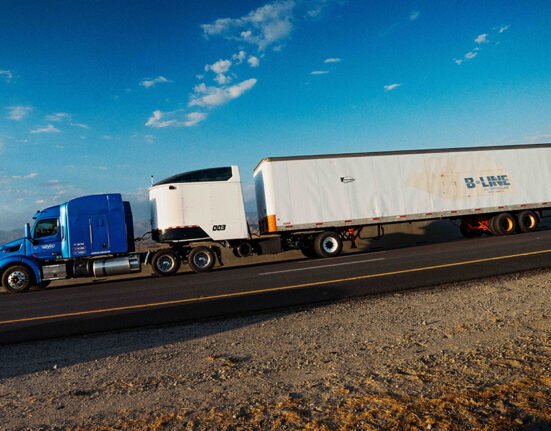
Iraq is using a huge fleet of trucks to move fuel oil through Syria and away from the Strait of Hormuz. (Peter Pencille/Getty Images)
key takeaways:
- Iraq rapidly expanded fuel oil trucking through Syria, helping make Syria the Middle East’s largest fuel oil export hub in June.
- The change matters because exports were threatened by regional conflict leading to the Strait of Hormuz disruption, and Syria accounts for 28% of Middle Eastern fuel oil shipments.
- Iraq, Syria and the US are supporting pipeline rehabilitation plans, while traders say trucking could continue to diversify export routes.
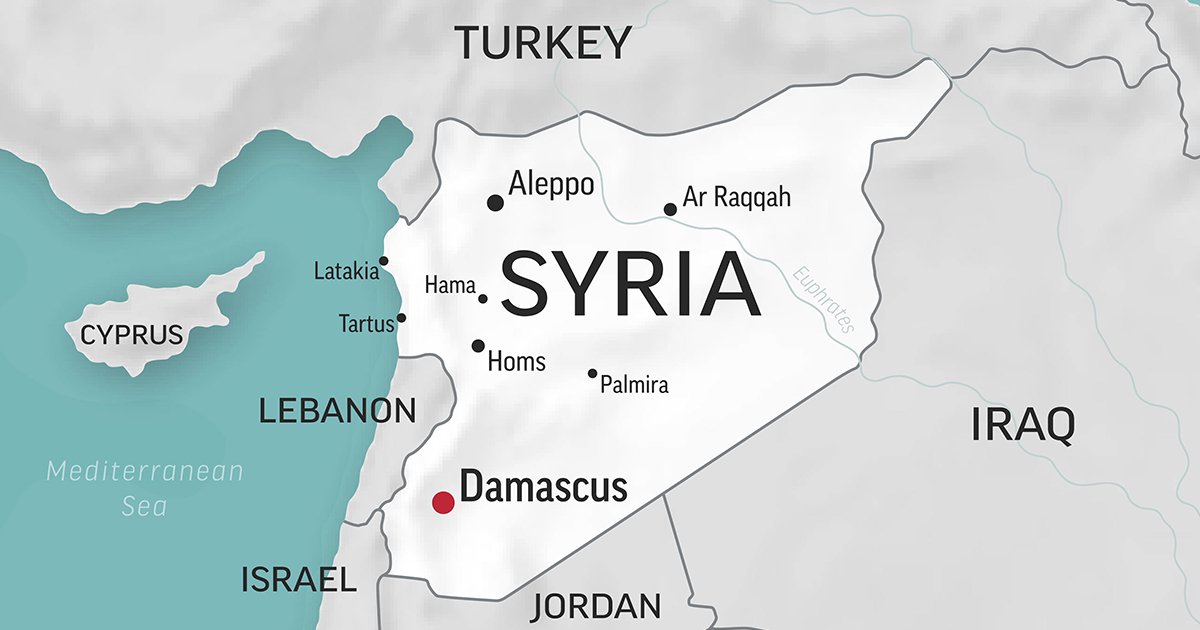
Iraq is using a huge fleet of trucks to carry fuel oil through Syria and reroute the flow through the Strait of Hormuz, rapidly turning its neighbor into the Middle East’s top export hub.
In just a few months, Syria has gone from shipping any fuel to more than a quarter of the Middle Eastern volume. The supplies are arriving on thousands of trucks, which could take about four days to reach Syria’s Mediterranean ports, and will highlight how Iran is reshaping the war zone’s energy flows.
Persian Gulf countries are considering how to reduce their dependence on the Strait of Hormuz for exports, including through existing or new pipelines and expanding infrastructure at ports located outside the waterway. A fresh flare-up of hostilities in the region is affecting the movement of fuel cargo.oesThis further underlines the importance of alternative routes. The strait normally holds about one-fifth of the world’s oil supply.
The sharp rise also underlines efforts to bring Syria into the global economy after the US lifted years of sanctions and supported transition in the country. The country is increasingly seen as a gateway to energy flows from Iraq, including plans for crude oil pipelines to weaken Iran’s dominance over the vital waterway.
Fuel oil, used in shipping and power generation, is the main refined fuel exported by Iraq. But with tensions in the Persian Gulf and limited capacity to operate around the Strait of Hormuz, the country is having to find other routes to prevent refineries from running out of storage space and being forced to shut them down. As a result, the supply of other fuels like gasoline and diesel will be affected.
The country is also looking to increase its oil revenues after the closure of the Strait of Hormuz took a huge toll on its finances. In addition to Syria, it is also sending fuel-oil-filled trucks through Jordan, and traders say small amounts of crude – a cornerstone of the economy – are being trucked the same way.
These flows could be important for Syria, which is seeking to emerge from the effects of civil war. President Donald Trump recently offered fresh praise for Syrian leader Ahmed al-Sharaa, while French President Emmanuel Macron recently paid a state visit and TotalEnergies SE CEO Patrick Pouyen touted it as a potential pipeline route.
“You have this confluence of things coming together — Iraq in particular is looking for ways to move product,” said Raad Alkadiri, managing partner of 3TEN32 Associates, a Washington-based political risk firm that focuses on the region.
While in the past there was state-led trucking when moving fuel to the Persian Gulf, “this time it is more commercially inclined, and it meets the political ambition of improving strategic relations with the US,” he said.
Elsewhere, the UAE is already able to partially bypass the strait by using an existing pipeline to maintain some crude oil movement through ports on its east coast, and is accelerating the construction of another pipeline while planning a major expansion of eastern ports outside Hormuz.
Saudi Arabia has also turned to a pipeline to Yanbu port on its west coast, and Kuwait is in talks with its neighbors about expanding its pipeline systems to handle its barrels.
Iraq is also working on plans to build new crude oil pipelines to bypass Hormuz and rehabilitate old pipelines. Iraqi fuel oil helped Syria export 720,000 tonnes in June, according to data from analytics firm Vortexa. This made it the largest shipper of the product in the Middle East with 28% of volume.
trucking fleet
A large number of trucks are required to match what a ship handles. Each truck carries about 20 tons, or 135 barrels, on the four- to six-day journey to ports in Syria and Jordan. In comparison, about 300,000 barrels can be loaded onto a ship that transports cargo to a larger tanker offshore that holds about 700,000 barrels.
Traders associated with the market estimated that the flow of Syrian trucks exceeded 600,000 tonnes of fuel oil last month, with the Mediterranean port of Baniyas receiving thousands of vehicles. Litton SA, a Geneva-based trading house with ties to Iraq, has handled most of the trucking, according to the people familiar with the matter, who asked not to be identified because the details are private.
Meanwhile, about 100,000 tonnes of fuel oil per month is being shipped through Jordan’s Red Sea port of Aqaba, with some volume being marketed by Iraq’s Rania Group, the people said.
Iraq’s oil ministry points to even larger flows, estimating that 1 million tonnes of fuel oil was exported to Syria and Jordan in June, up from about 500,000 tonnes in May.
Linton declined to comment. Rania did not respond to an email seeking comment and could not be reached over phone.
An important question is whether Iraq is also able to export meaningful amounts of crude again. Before the war the country was OPEC’s second-largest oil producer and its crude exports are far larger than its fuel oil shipments.
“This potentially signals the long-term movement of crude,” said 3TEN32’s Alkadiri, although better pipeline infrastructure would be needed to reduce Iraq’s dependence on Hormuz.
One possibility is the Kirkuk-Banias pipeline which has been closed for more than two decades. Thomas Barrack, the US special envoy for Syria and Iraq, discussed reviving the pipeline with officials from both countries as well as companies including Chevron Corp, Bloomberg reported on July 14.

Alex Fraser from Cox Fleet discusses how fleets should respond when a roadside breakdown occurs, testing their safety, compliance and customer service systems simultaneously. Tune in by going above or RoadSigns.ttnews.com.
A State Department official confirmed that the US government is supporting efforts by Iraq and Syria to increase trade routes through the rehabilitation of the pipeline and expects US companies to play a role in its construction. However, building the pipeline in Syria will take time and face challenges, including navigating areas where Islamic State cells remain active.
In the short term, even if the Middle East conflict ends and Hormuz traffic returns to normal, Iraq’s trucking flows could continue as the country diversifies exports, traders say.
“The war has focused attention on the importance of diversifying export routes,” Alkadiri said. “And really in a sense the Iraqi thinking has returned to what was prevalent in the 1980s, which was ‘If the Strait of Hormuz is unsafe, what are the other options?’ ”
Written by Archie Hunter, Anthony Di Paola, Khaled Al-Ansari and Nicholas Lua