Flying cars have spent decades occupying that strange space between science fiction and technology that is reportedly “just a few years away.” CoolFly is taking a slightly different approach. Instead of trying to build another airborne taxi, the company wants to put one person in the small electric plane and let them fly it themselves.
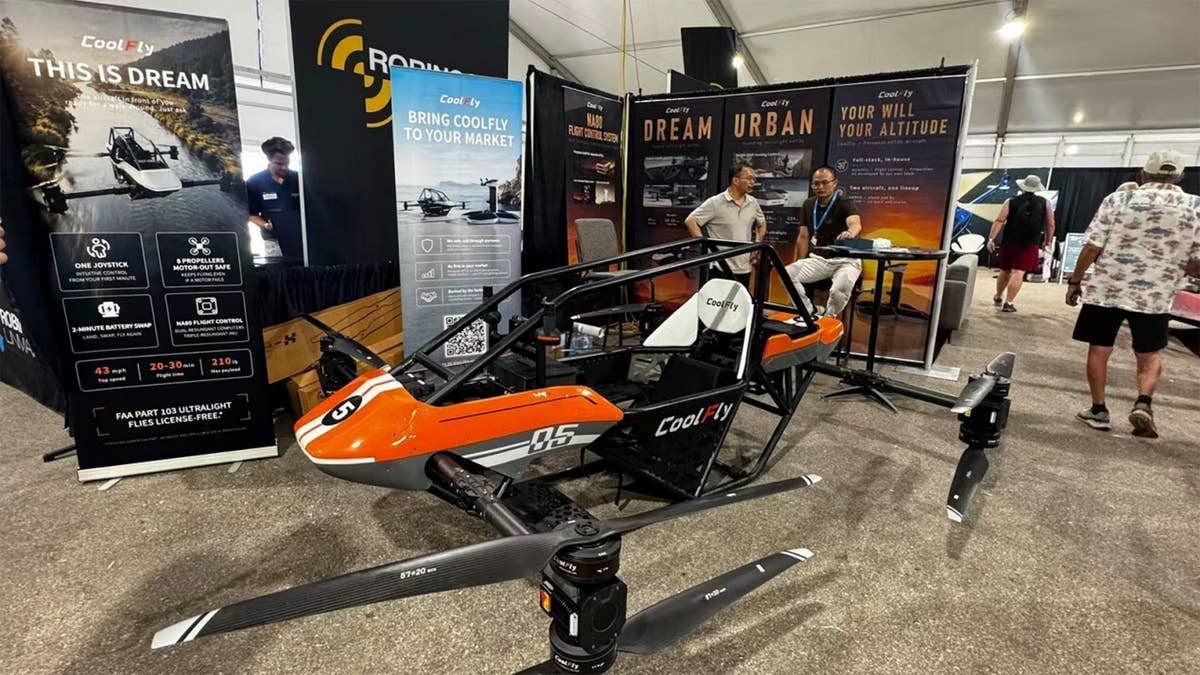
CoolFly recently brought its Dream ST Personal eVTOL to EAA AirVenture Oshkosh 2026, showcasing the aircraft for the first time at the massive Wisconsin aviation gathering. More importantly, the company says it is developing the Dream ST with the goal of meeting the definition of an ultralight vehicle under FAA Part 103.
That doesn’t mean it’s eligible yet. The final configuration of the Dream ST will determine whether it can actually operate under those rules. Still, that goal may be more important than its future form.
The Coolfly Dream ST is built for one
Unlike many eVTOL projects designed around multiple passengers and ultimately the air-taxi business, the Dream ST is undoubtedly personal. It has one seat, vertical takeoff and landing capability, and an all-electric propulsion system. Its top speed is currently limited by software to about 43 mph, while CoolFly estimates a flight time of 20 to 30 minutes depending on the pilot’s weight, weather, and how the plane is flown. Both figures may change as development continues.
Twenty to 30 minutes of flight time won’t be replacing United Airlines any time soon, but it should be enough to make your neighbors seriously reconsider their weekend hobbies. Fly to your favorite campground, and suddenly the question of whether the TSA allows tents on planes becomes someone else’s problem. Of course, flying there means losing the massaging seats of the Mercedes-Maybach GLS, but every transportation revolution requires sacrifices.
Part 103 could be a really interesting part
The Dream ST uses CoolFly’s proprietary NA80 flight-control system. The setup consists of two redundant flight-control units, each using three aviation-grade inertial measurement units. According to the company, this allows the system to detect failures within milliseconds and switch to its backup hardware.
However, the real trick of CoolFly isn’t flying the thing. Lots of companies can do this. It’s trying to make personal flying simple enough to legalize that ordinary people can actually consider buying it. We’re still a long way from the Jetsons, but apparently not as far as we used to be.
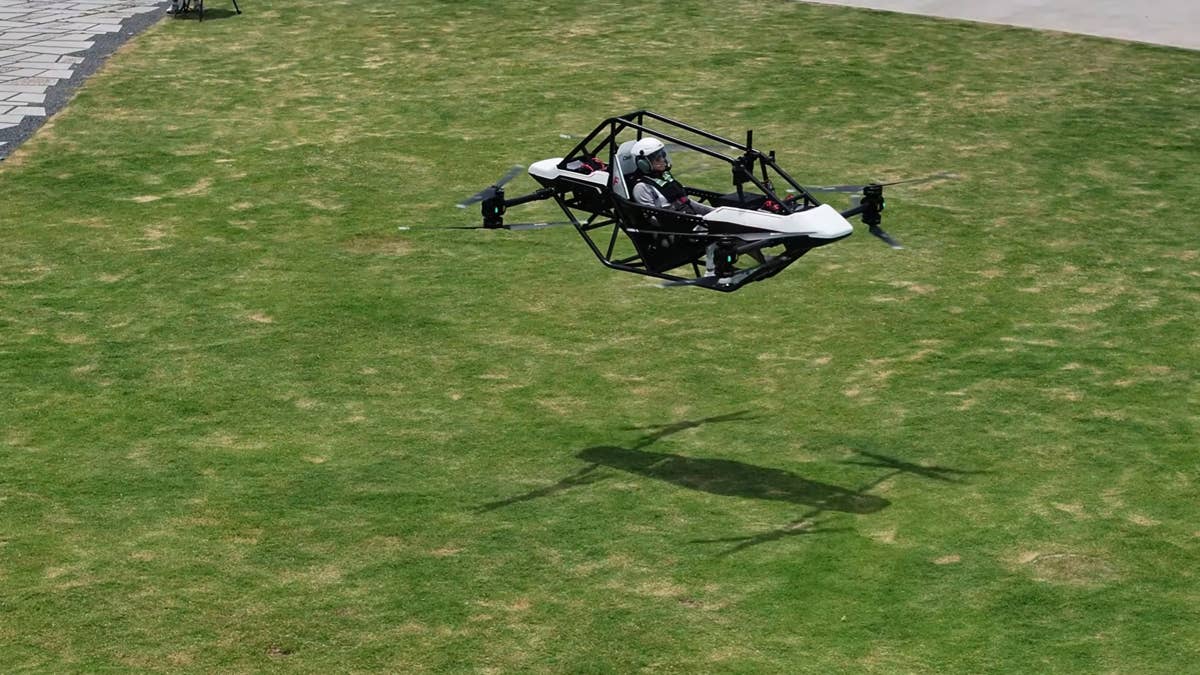
FAA Part 103 covers certain single-occupant ultralight vehicles used for recreation or sport. In addition to other restrictions, a powered vehicle must remain below specified weight and performance limits. CoolFly says the Dream ST is being developed with those requirements in mind, but emphasizes that eligibility will depend on the final production configuration.
In other words, no one should start cleaning the helipad next to the backyard grill just yet.
More details coming on August 10th
The Dream ST also isn’t CoolFly’s only idea for personal aviation. The company is developing the Urban, another single-person electric aircraft that holds its pilot in a standing position and uses body motion as control input. CoolFly used its Oshkosh presence to meet potential US dealers, distributors and aviation partners as it explores sales, training, servicing and owner support in the US.
The next important date is 10th August. CoolFly says it will then hold a product event and reveal additional information about its individual aircraft lineup and flight-control technology. For now, the Dream ST remains an evolving machine rather than an air commuter vehicle parked in your garage. but if coolfly can rotate As 43-mph electric eVTOLs can realistically be owned and operated by some of the most common recreational fliers, the Jetsons comparison may hopefully stop sounding like a joke sooner than later.