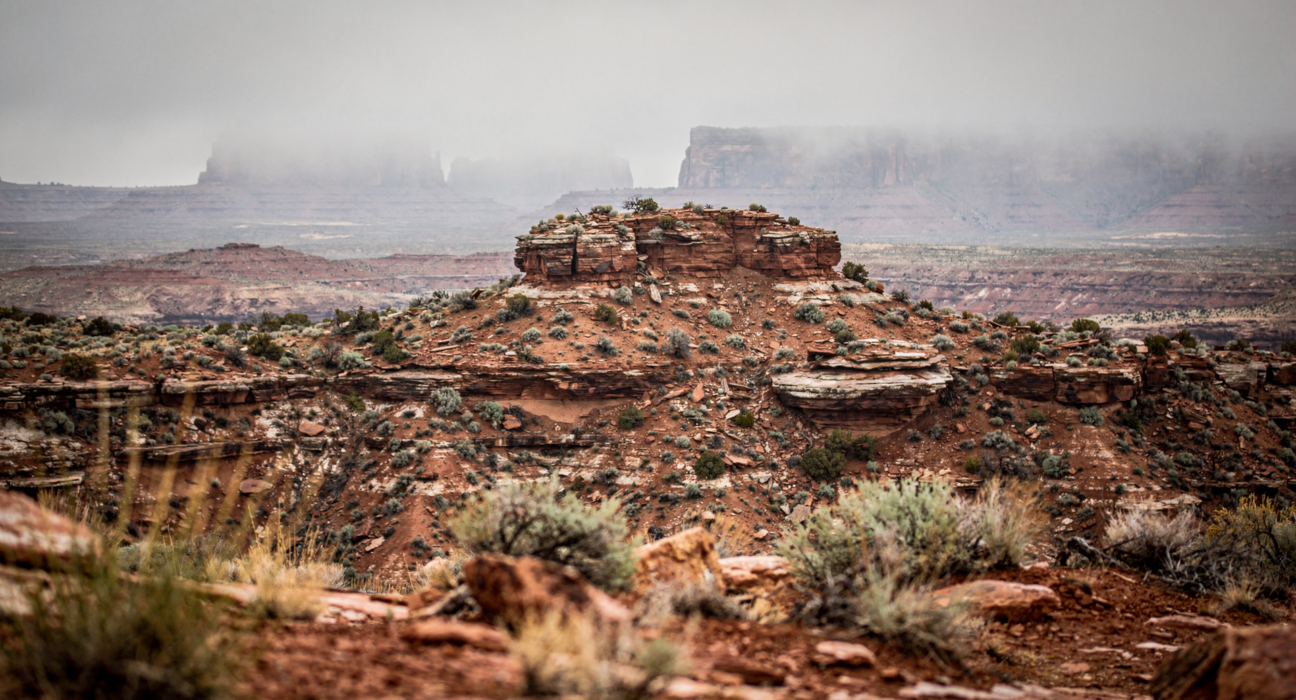


The Utah School and Institutional Trust Lands Administration Board approved a major land transfer this month. It authorized the sale of approximately 50,000 acres of land in the Book Cliffs area to the Utah Division of Wildlife Resources. The transaction is one of the largest wildlife habitat acquisitions in state history. It opens extensive big game country to permanent public access.
Details of 50,000 acre land transfer
The board unanimously approved the sale during its regular meeting. This triggers a transfer that consolidates the scattered trust land parcels into a single wildlife management area. This acreage is located within the Book Cliffs, a plateau region straddling the Utah-Colorado border. The area is known for its remote terrain and healthy populations of elk, mule deer, and desert bighorn sheep.
Trust lands generate revenue for Utah’s public schools and institutions. The sale structure allows the Wildlife Resources Division to purchase property at fair market value, thereby preserving the financial returns that would otherwise come from resource extraction or leasing. This arrangement meets both educational funding needs and conservation goals. Trust land managers to maintain this balance with each transaction.
The parcels being transferred were previously landlocked or accessible only through neighboring private property. This limited the financial capacity of the trust. Under state wildlife management, lands become part of the public access network, removing barriers that previously required permission or trespass to access huntable terrain.
Location and significance of the Book Cliffs area
The Book Cliffs extend for approximately 200 miles from east to west. The rocks rise 2,000 vertical feet above the Uinta Basin floor. They form a wall of Mesaverde sandstone that separates the basin from the Tavaputas Plateau above. The newly acquired parcels are located in the heart of part of Utah. Canyon systems cut through layers of sandstone and shale, creating broken topography. The altitude ranges from 5,000 to 9,000 feet.
This landscape supports one of the largest migratory elk herds in the state. Bulls spend the summer in high-elevation aspen stands and move into lower pinyon-juniper areas when snow accumulates. Mule deer follow similar seasonal patterns. Desert bighorn sheep live on rocky ranges year-round. The area also provides habitat for mountain lions, black bears, and sage grouse.
Hunters familiar with the Book Cliffs describe the area as physically demanding. Limited road access forces backcountry trips of several days for those serious about reaching productive areas. Adding 50,000 acres to the public inventory expands options for hunters willing to work hard. Previously, access issues had prevented many hunters from key areas.
Financial terms and funding sources
The purchase price was not disclosed in the board meeting materials. This reflects standard practice during negotiations involving multiple parties. According to the Trust Lands Administration, appraisals determine fair market value based on comparable sales, mineral potential, grazing potential and development restrictions.
The Wildlife Resources Division finances land acquisitions through several sources, including hunting and fishing license revenues, federal Pittman-Robertson grants, and partnerships with conservation organizations. Pittman-Robertson’s funding comes from an 11 percent excise tax on firearms, ammunition and archery equipment. Congress allocates these funds to states based on hunting license sales and land area.
Utah’s wildlife agency has been making strategic land purchases for decades. The agency targets parcels that provide access to migration corridors, breeding habitat, or existing public lands. The Book Cliffs acquisition fits into a pattern of securing properties where private ownership limits the utility of surrounding state and federal holdings.
The Wildlife Resources Division will likely make the payment in installments over three to five years. This includes making the initial deposit and covering the remaining balance when Pittman-Robertson grant and license revenues are accrued. The specific terms of this transaction remain undisclosed pending final documentation.
Wildlife and conservation implications
The Book Cliffs represent important habitat for species that require large, connected landscapes. Elk herds migrate more than 50 miles between summer and winter. Any gaps in that corridor fragment the population and reduce genetic diversity, whether from evolution or access restrictions.
Mule deer populations throughout the West have declined from historic highs. Utah’s 2023 statewide mule deer population was estimated at 314,850. This figure has dropped from 500,000 in the 1990s. Biologists track pregnancy rates, monitor whether deer fawns survive their first six months, document cougar and coyote hunting, and measure the availability of forage on winter ranges. Adding 50,000 acres to protected status relieves future development pressure that might otherwise degrade land areas or migration routes.
The desert bighorn sheep faced near extinction in Utah in the early 20th century. Between 1966 and 2010, the Division of Wildlife Resources transplanted bighorns from strong populations in Canyonlands National Park and the San Rafael Swell to the Book Cliffs. This species requires escape terrain with steep cliffs and minimal human disturbance. Permanent public ownership ensures that those conditions persist.
Beyond game species, the area supports raptors, songbirds and small mammals that depend on intact shrub-steppe and woodland ecosystems. Grazing allocations can continue on parts of the property under wildlife management, balancing livestock use with habitat needs.
Public access and recreational opportunities
Current access to the Book Cliffs consists of a network of unimproved roads maintained by the Bureau of Land Management and private landowners. Some routes require four-wheel-drive vehicles with high clearance. The gates are closed from November to April. Rain and snowfall during this period transforms the clay-rich soil into impassable clay.
The Wildlife Resources Division will evaluate existing access points. Staff will determine whether improvements are necessary to accommodate increased usage. New trailheads, designated parking areas and improved signage typically come with major land acquisitions. Due to shortage of staff and equipment, most of the infrastructure work is delayed in the second or third year.
Hunters draw limited-entry elk tags for Book Cliffs through Utah’s lottery system. Demand exceeds supply by a wide margin. Accumulating points takes years for non-residents and several years for residents. Additional acreage may not immediately increase tag numbers, as wildlife managers base quotas on population objectives rather than available land.
In addition to hunting, the area attracts shed antler hunters, wildlife photographers, and hikers seeking solitude in remote country. Rules prohibit shed hunting before May 1 to avoid disturbing winter wildlife. The Wildlife Resources Division enforces this rule with citations and seizures.
Background on Utah’s Trust Land System
Congress granted more than 3.3 million acres of land to Utah when the territory gained statehood in 1896. Those lands generate revenue through mineral leases, grazing permits and sales. This income funds public education and institutions, including schools for the deaf and blind.
The Trust Lands Administration manages these holdings as a fiduciary. Financial returns are given priority over other values. This mandate sometimes conflicts with recreation or conservation goals, especially when mineral extraction provides more revenue than conservation.
Land exchange provides a mechanism to resolve these tensions. The Trust trades parcels of property with development potential in areas where resource extraction can proceed without access disputes. The transaction involving Book Cliffs represents a direct purchase rather than an exchange. This requires the Wildlife Resources Division to compensate the Trust at full market value.
The trust must benefit financially from the sale of trust land. If wildlife management generates less revenue than the alternative use, the transaction may not proceed. In this case, the Board determined that the purchase price satisfies fiduciary obligations while furthering public access goals that indirectly benefit Utah residents.
Timeline and next steps for transfer
Board approval begins a process that includes title review, boundary survey and final contract execution. According to the Trust Lands Administration, closing typically occurs within 90 to 180 days of board authorization. Complex transactions involving multiple parcels can extend beyond that window.
The Wildlife Resources Division will begin management planning once the translocation is complete. This process identifies priorities for grazing management, habitat improvement projects, access development, and enforcement. Public input opportunities typically occur during the planning stages. These sessions allow hunters and other stakeholders to comment on the proposed management direction.
Hunters planning a trip to the Book Cliffs should verify current access regulations and property boundaries before visiting the area. Until the transfer is finalized and the Wildlife Resources Division updates its maps, some of the acquired parcels will remain under trust land jurisdiction with different use rules.
This acquisition adds to Utah’s portfolio of wildlife management areas, which now exceeds 400,000 acres statewide. Each property serves specific conservation objectives while providing public recreation opportunities. The purchase of Book Cliffs is one of the largest single additions to that system, ensuring that a vital block of wildlife habitat remains in public hands for future generations of hunters and outdoor recreationists.


ben rider
Ben currently leads the editorial staffs of OutdoorHub, All Outdoors, and The Firearm Blog. He is an avid outdoorsman and has hunted big game throughout the United States, including Alaska, Texas, and his home state of Michigan. Ben also has a deep knowledge and passion for firearms and has attended various civilian courses focusing on precision rifle shooting, carbines, pistols, ammunition reloading and hunting focused firearms applications. Outside of work, Ben enjoys many water-based activities, spending his free time in Northern Michigan boating and fishing on Charlevoix Lake and Lake Michigan.