Modern litre-class sports bikes have taken performance to levels that border on the absurd. They can produce nearly 200 horsepower, accelerate enough to rearrange the rider’s sense of distance, and use sophisticated electronics to keep all that anger roughly directed in the desired direction. The engineering is brilliant, but when the racetrack disappears from the mirrors it raises a strange question. How much meaningful use can one make of that performance on a normal road?
Sports bikes have become more powerful than most road bikes
The old sports bike ladder was quite easy to understand. Riders can start with a smaller machine, move up to the high-revving 600 cc Supersport, and eventually move up to the 750 cc or 1,000 cc classes as their confidence and skills develop. Each step added performance without completely changing the nature of the motorcycle. Today, that middle rung has all but disappeared, leading to a toss-up between the focused 600s and the power figure-making superbikes that once dominated professional racing.
Why doesn’t more horsepower always mean more fun?

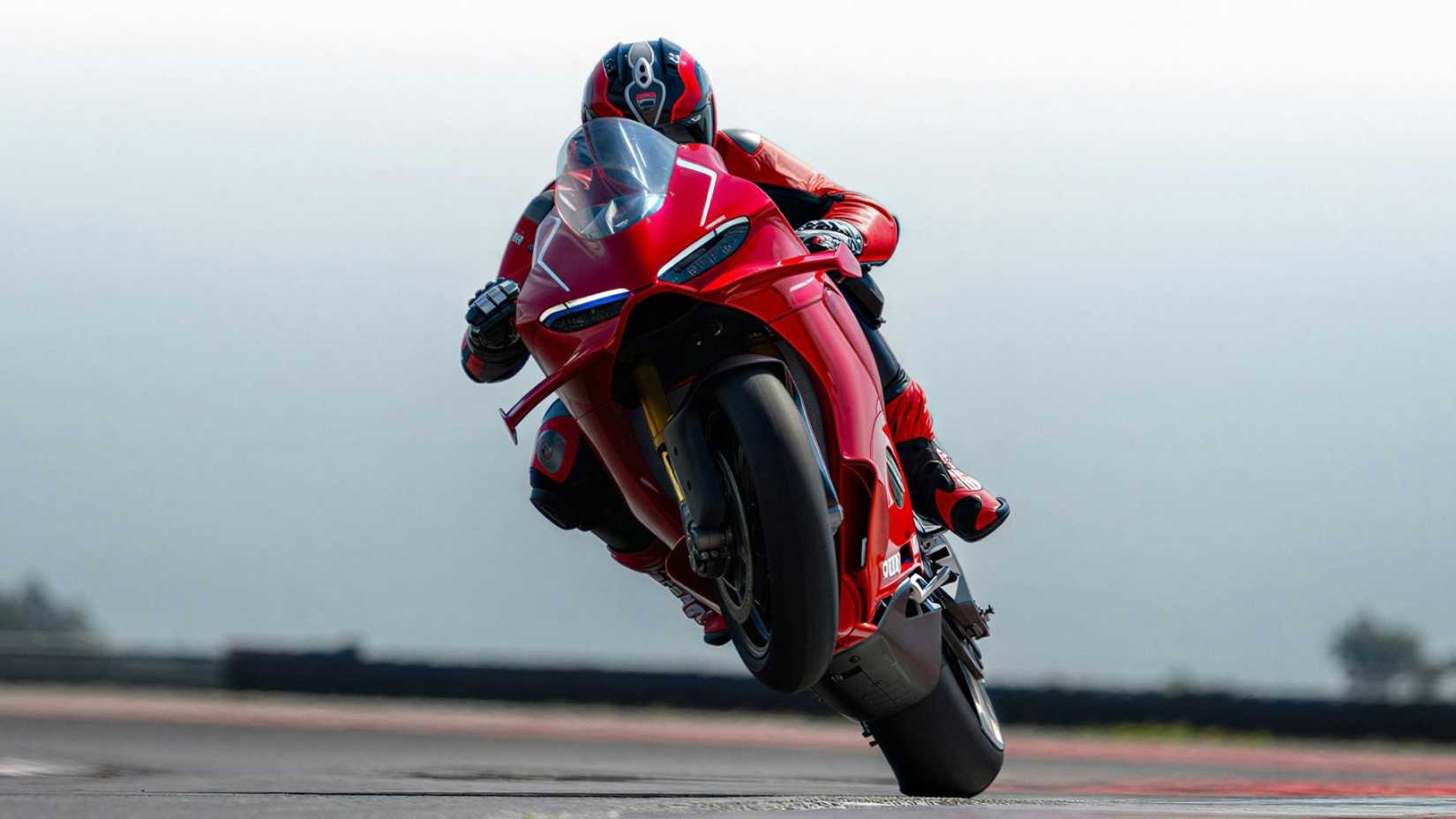
Peak power is only one component in a satisfactory motorcycle. Throttle response, gearing, weight distribution, steering precision, braking feel and the way the engine makes power matter equally. A bike that encourages its rider to work through multiple gears, carry corner speed, and use a large portion of the tachometer can create a more inclusive experience than one that demolishes every straightaway before the second gear shift is finished.
The best road-going performance machines make the rider an active part of the equation. They still require concentration and mechanical empathy, but they provide enough space to learn your reactions and progressively explore your limits. Speed should come with some sense of opportunity rather than appearing as an inevitable side effect of touching the throttle. This leaves a clear opening for something faster than the road-biased middleweights but more accessible than modern liter bikes.
The missing middle ground between 600 and 1000 cc superbikes
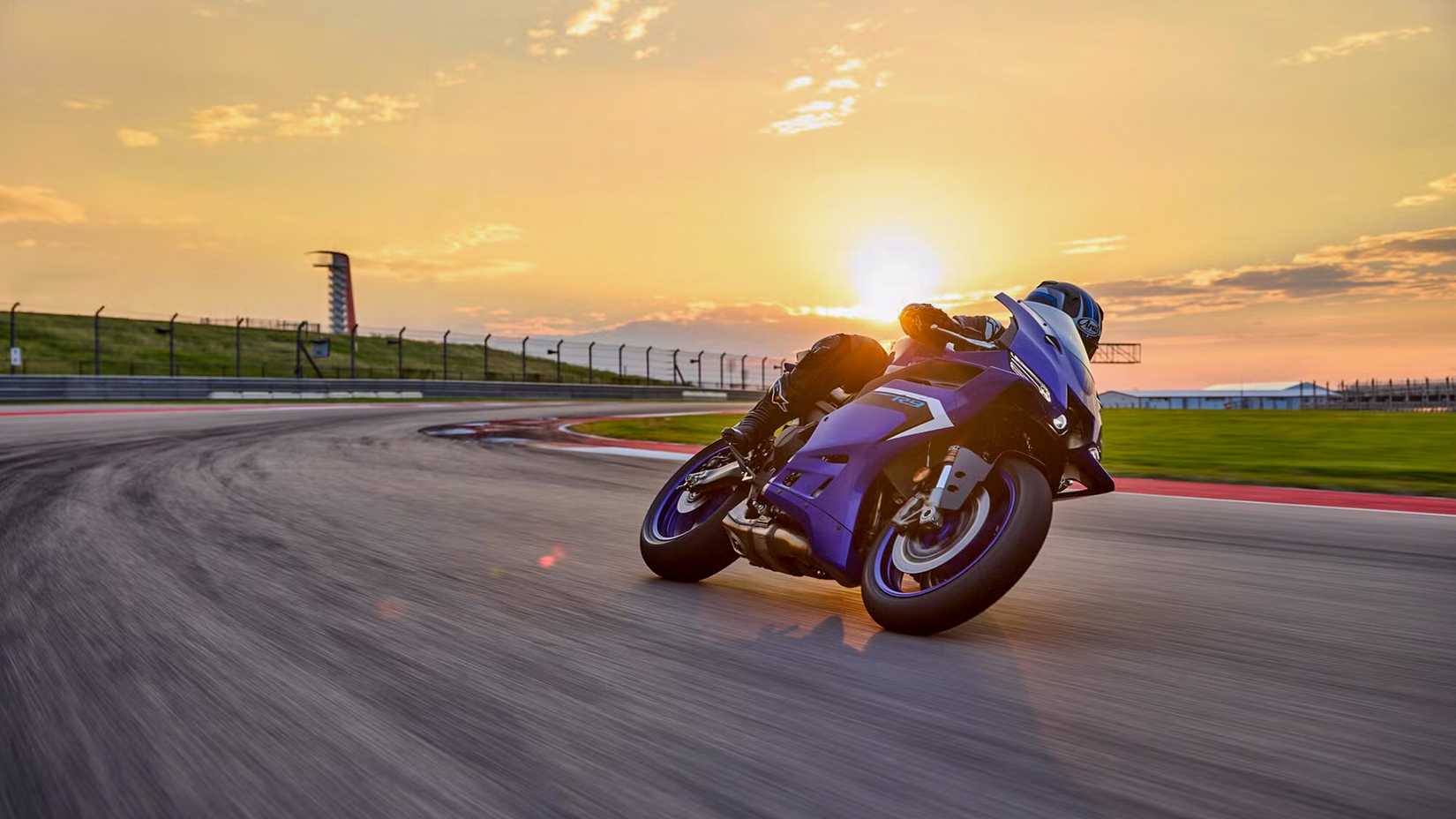
Traditional 600cc supersports remain great when driven in the environments they were built to dominate. Their compact dimensions, light steering and high-revving inline-four engines reward precise input and aggressive commitment. The trade-off is that most of their performance resides near the top of the tachometer. Extracting meaningful acceleration may require frequent downshifts and enough open road driving to keep the engine running where it becomes most energetic.
A litre-class superbike solves that problem with massive torque and effortless acceleration, but it creates a different problem. The rider gets an equally concentrated chassis that carries considerably more power, much of which may be difficult to utilize outside the circuit. The 750cc inline-four offers a more natural compromise, maintaining the rpm appetite and compact ratios of the 600, while adding strong drive early in the rev range. This seems obvious, which makes the category’s disappearance strange.
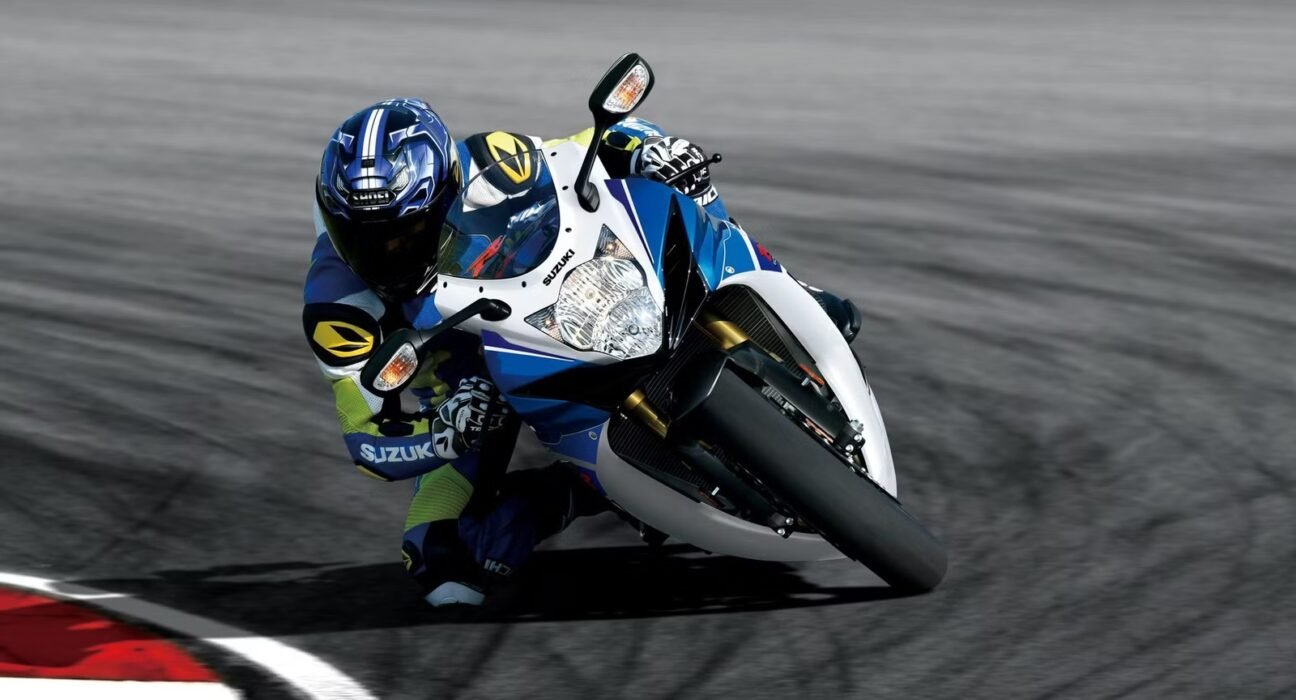
The Suzuki GSX-R750 doesn’t need superbike power to impress
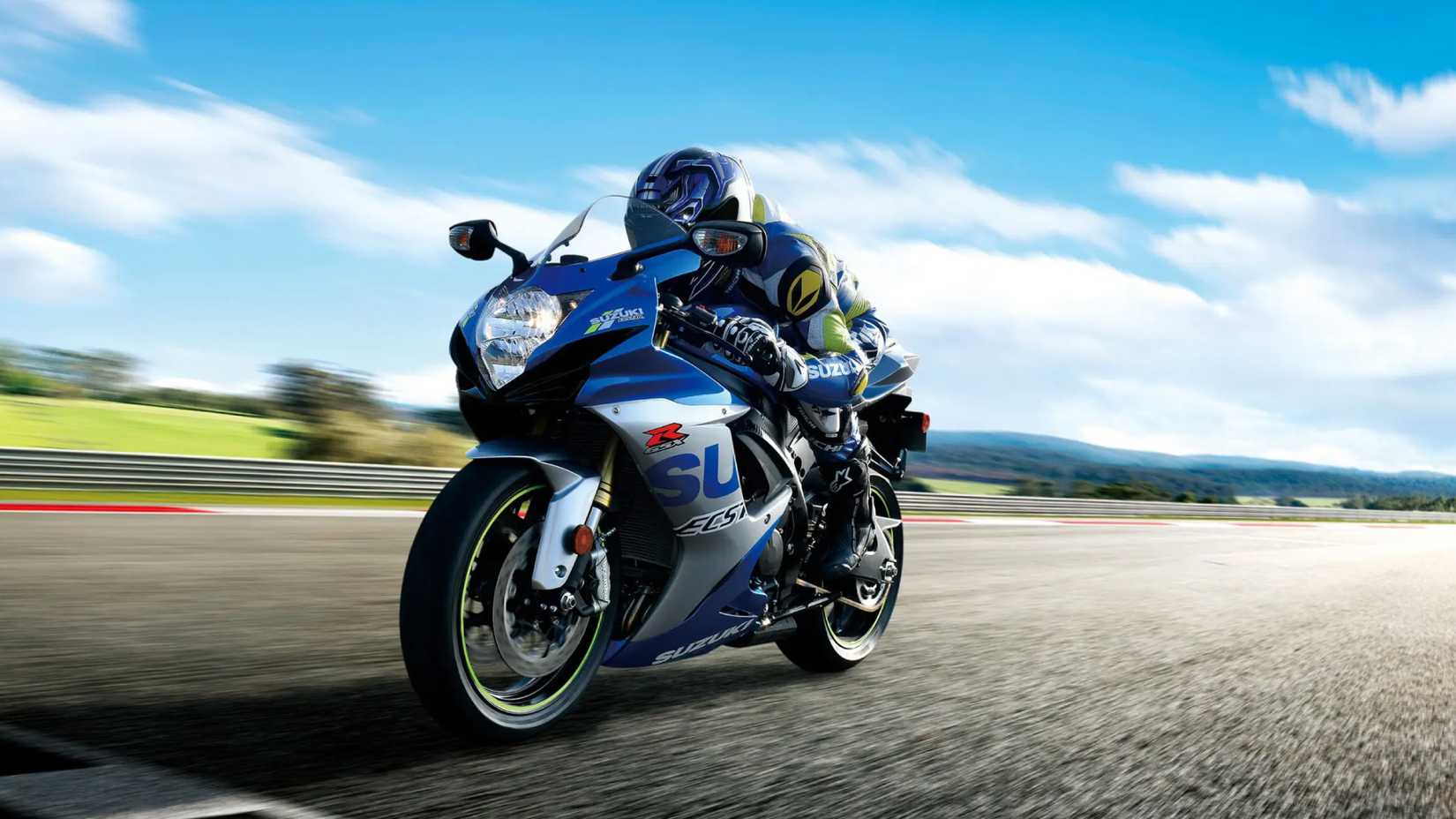
The Suzuki GSX-R750 is effectively the last production motorcycle to keep that formula alive. Its liquid-cooled, DOHC 750cc inline-four sits inside a lightweight 600-class chassis, creating a motorcycle with stronger low- and midrange response than a conventional 600 without crossing over into liter-bike excess. With 148 horsepower and 64 pound-feet of torque, it’s a lot of fun both on the track and on the open road.
Fuel delivery is via Suzuki dual throttle valve injection with eight fine-spray, eight-hole injectors. The four-into-one stainless steel exhaust terminates in a titanium muffler and incorporates Suzuki’s SET valve to improve throttle response and torque delivery at low engine speeds. Power is delivered to the rear wheels via a close-ratio six-speed transmission, wet multi-plate clutch and chain final drive. The back-torque-limiting clutch helps settle the chassis during aggressive downshifts.
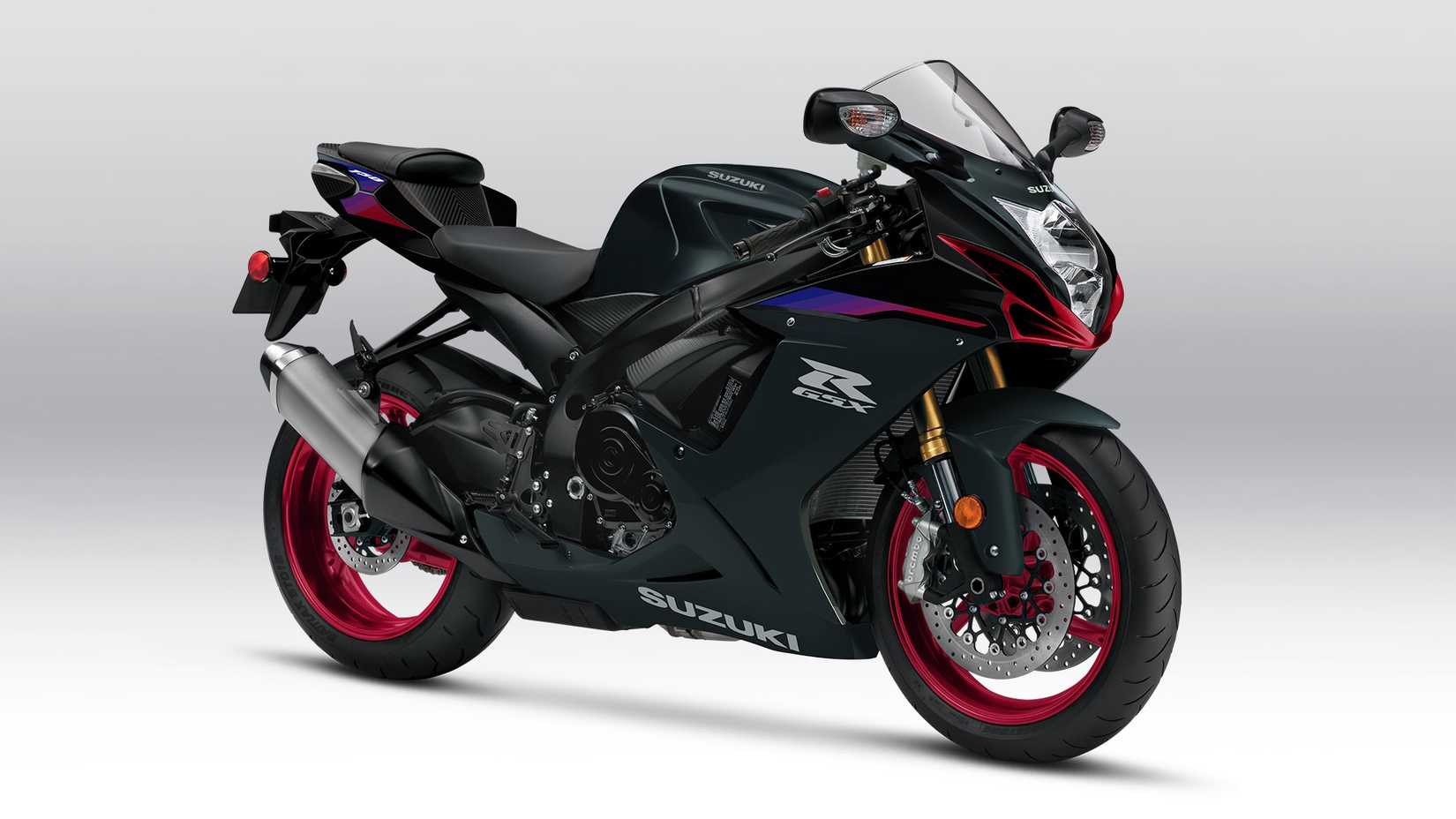
The base MSRP sits at $13,249. That puts it about a thousand bucks above the GSX-R600, whose price starts at $12,199. Suzuki also offers a GSX-R750Z 40th Anniversary Edition for $13,449, but the standard motorcycle offers the same core mechanical package. For riders who want more accessible engine performance without paying for a full-on superbike, the relatively modest premium over the 600 is easy to understand.
Hardware still follows a proper supersport formula
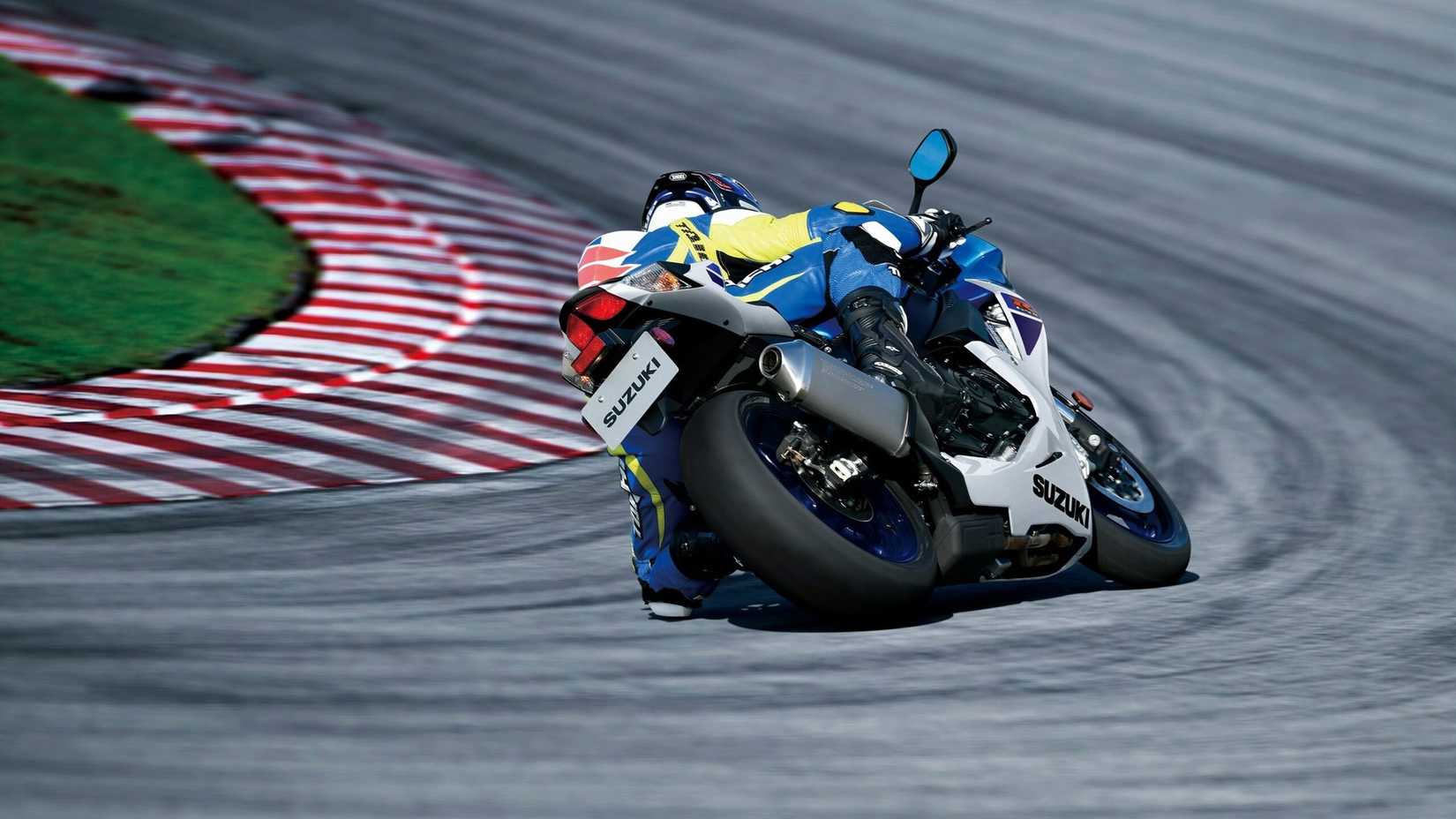
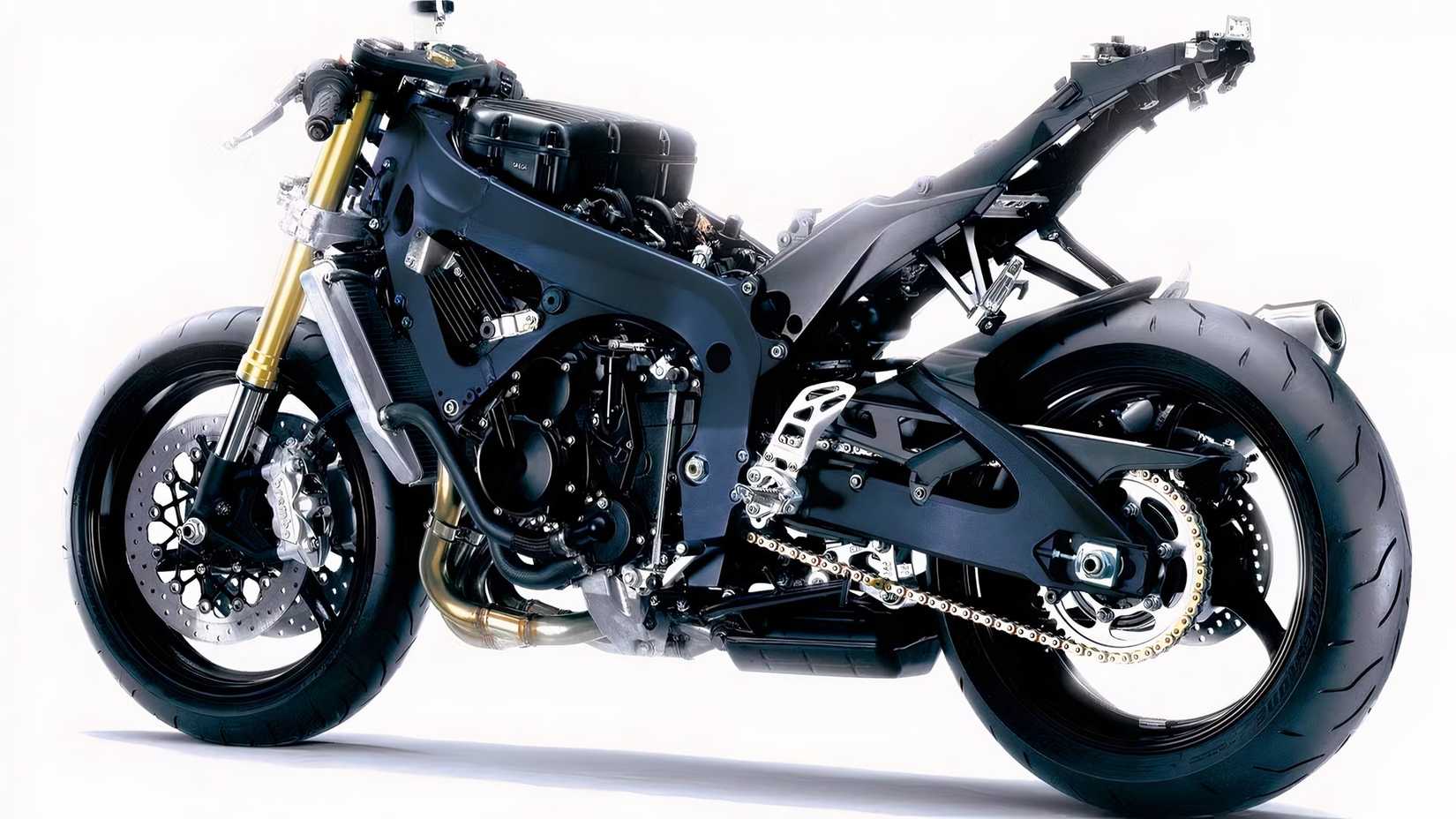
Its twin-spar aluminum frame connects the steering head directly to the swingarm pivot area, prioritizing stiffness without unnecessary weight. Up front, an inverted Showa Big Piston fork provides adjustment, while the link-type rear suspension utilizes a remote-reservoir Showa shock with externally adjustable compression and rebound damping, as well as adjustable ride height. An electronically controlled steering damper reduces resistance at low speeds and adds damping as speed increases.
Braking is handled by twin 310 mm floating front discs with radial-mounted four-piston Brembo monobloc calipers. The rear disc employs a single-piston Nissin caliper. The bike runs on a 120/70ZR17 front tire and a 180/55ZR17 rear tyre, while three-way adjustable foot pegs, an adjustable shift lever and a small fuel tank give riders more freedom to customize their position and move around during tight turns. This isn’t a street bike wearing racetrack cosplay.
Its age is both its biggest weakness and its strongest point.
There’s no hiding the age of the GSX-R750. Its compact LCD cluster includes a lap timer, stopwatch, gear-position indicator and programmable shift light, but there’s no color TFT or smartphone connectivity. The Suzuki Drive Mode Selector offers two engine maps, yet the motorcycle lacks modern traction control, cornering ABS, launch control and the factory quickshifter. The vertically mounted high- and low-beam bulbs are halogen, although the taillight uses LEDs.
It’s hard to defend that outdated equipment list at a price over $13,000, especially when the new middleweights offer sophisticated rider aids for less money. Plus, simplicity is at the heart of the GSX-R750’s appeal. There are fewer electronic layers between the throttle, engine and rear tire. Its established platform also has heavy aftermarket support and decades of accumulated mechanical knowledge, making upgrades, replacement parts, track preparation and maintenance less mysterious than more recently introduced models.
The GSX-R750 makes useful performance easy to appreciate
The GSX-R750 doesn’t need superbike output as its appeal comes from how fully a rider can engage with the performance already available. It offers enough engine power to pull cleanly from low revs, accelerate with real urgency and challenge experienced riders on the racetrack. Yet it rewards gear selection, speed and commitment rather than flattening every road with endless reserves of torque and electronic intervention.
Perhaps that’s why this long-lasting machine remains worthwhile despite looking ancient compared to newer rivals. It combines the 600’s compact chassis and rev-hungry character with the strong drive that many riders really want on the road. The wider industry may have abandoned the 750cc supersport, but Suzuki’s refusal to follow the crowd left something valuable: a sports bike that impresses through balance, involvement and usable speed rather than the horsepower figures most owners will spend their entire rides trying not to uncover.
Source: Suzuki Cycles