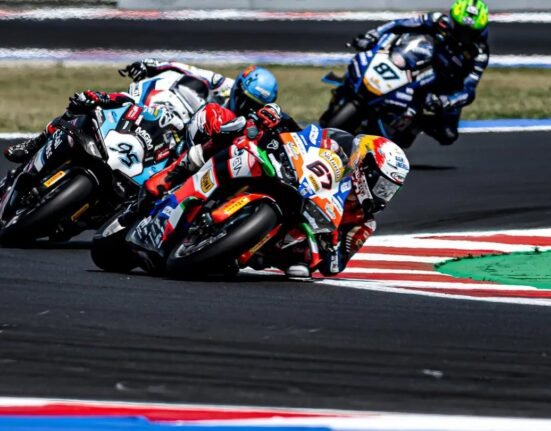
Luxury motorcycles traditionally equate themselves with first-class travel due to their comfort, craftsmanship, and ability to make long interstate journeys. Performance bikes typically move in the opposite direction, shedding weight and unnecessary comfort in exchange for components designed to tolerate sharp reactions, hard acceleration and riders who consider the recommended corner speeds to be a beginner proposition.
Luxury motorcycles don’t get a pass for being boring anymore
There was a time when an expensive touring motorcycle could justify itself with a huge engine, deep paint, acres of chrome and enough luggage capacity to move a small house. No one expected it to change direction with such enthusiasm. The owner bought a rolling tribute for comfort, status and torque, while sharp handling and severe braking were considered someone else’s problem.
That system doesn’t work so well when the asking price gets closer to $40,000. Buyers in this segment of the market are expecting the full experience their money can buy. Heated grips, audio, navigation and weather protection still matter, but also predictable cornering, powerful brakes, electronic rider assists and an engine that does more than create pleasant vibrations as you pass the RV.
Performance baggers have changed the game

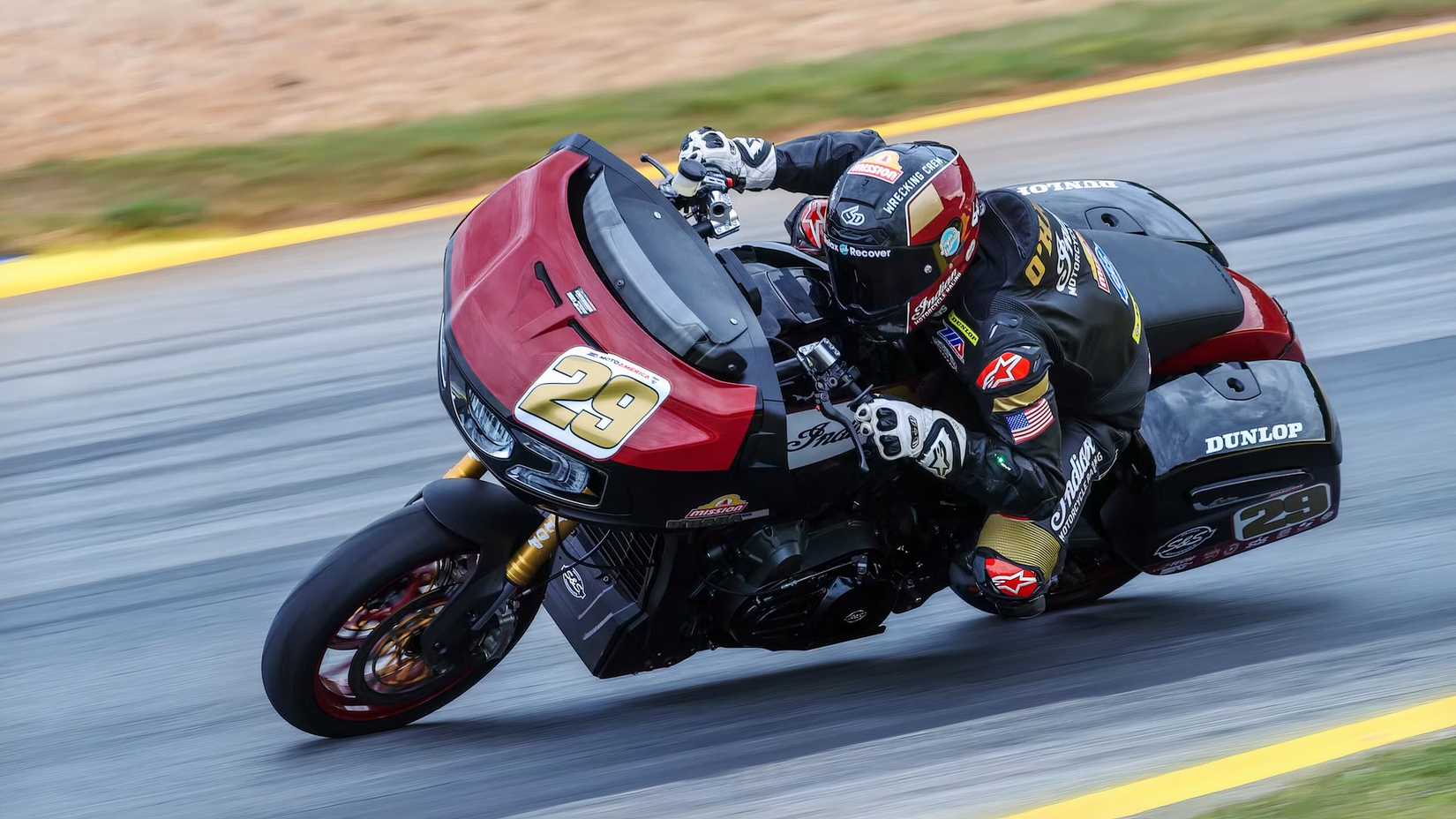
The rise of MotoAmerica’s King of the Baggers series turned that technological change into a very loud public spectacle. Suddenly, huge American touring motorcycles were scratching rough patches, tailgating in corners, and fighting for position on racetracks where no one expected to see saddlebags. The racing seemed a little ridiculous, which was part of the charm, but the engineering behind it was completely serious.
Indian Motorcycle became one of the dominant forces in the series, using its liquid-cooled PowerPlus platform to capture several championships. The lessons were not limited to huge wings and just race engines. The competition helped reinforce the value of rigid chassis, strong brakes, predictable torque delivery and stable high-speed handling in motorcycles that still retained the basic silhouette of a cross-country bagger.
The hardest part is making the speed expensive
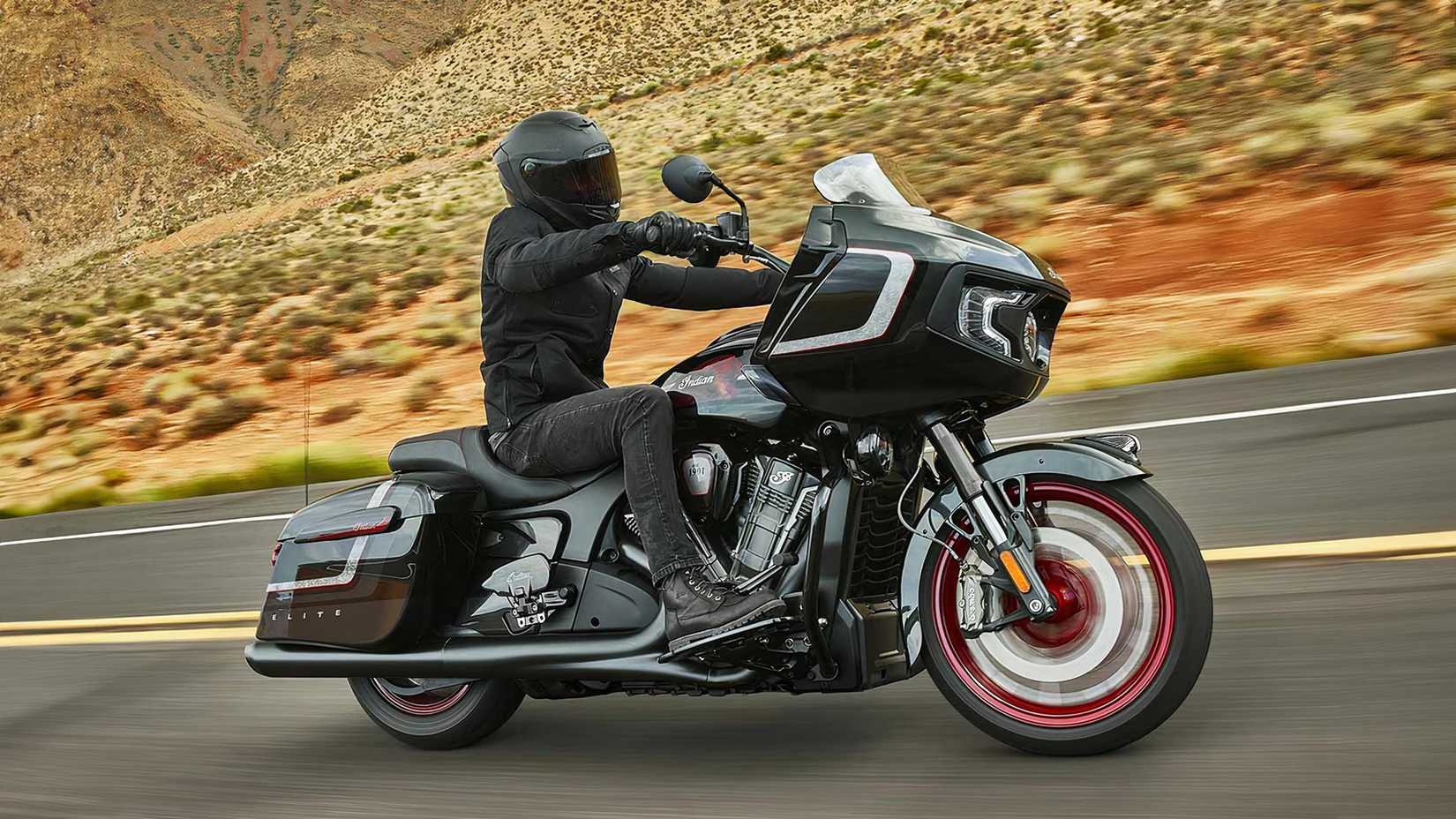
Building a fast touring motorcycle is only part of the assignment. If the manufacturer is willing to accept stiff suspension, aggressive ergonomics, limited wind protection and an exhaust note that announces departure every morning to the entire neighborhood, plenty of machines can produce impressive acceleration. A luxury motorcycle has to provide speed without causing discomfort or constant attention to the rider.
A traditional sports bike will always offer a better power-to-weight ratio. It will also lack the commanding seating position, integrated storage, passenger compartment, audio system and long-range wind protection expected from a premium bagger. The difficult engineering challenge is to preserve those advantages while adding enough performance to keep the motorcycle going once the highway turns into winding roads.
Indian Challenger Elite is a combination of luxury and performance
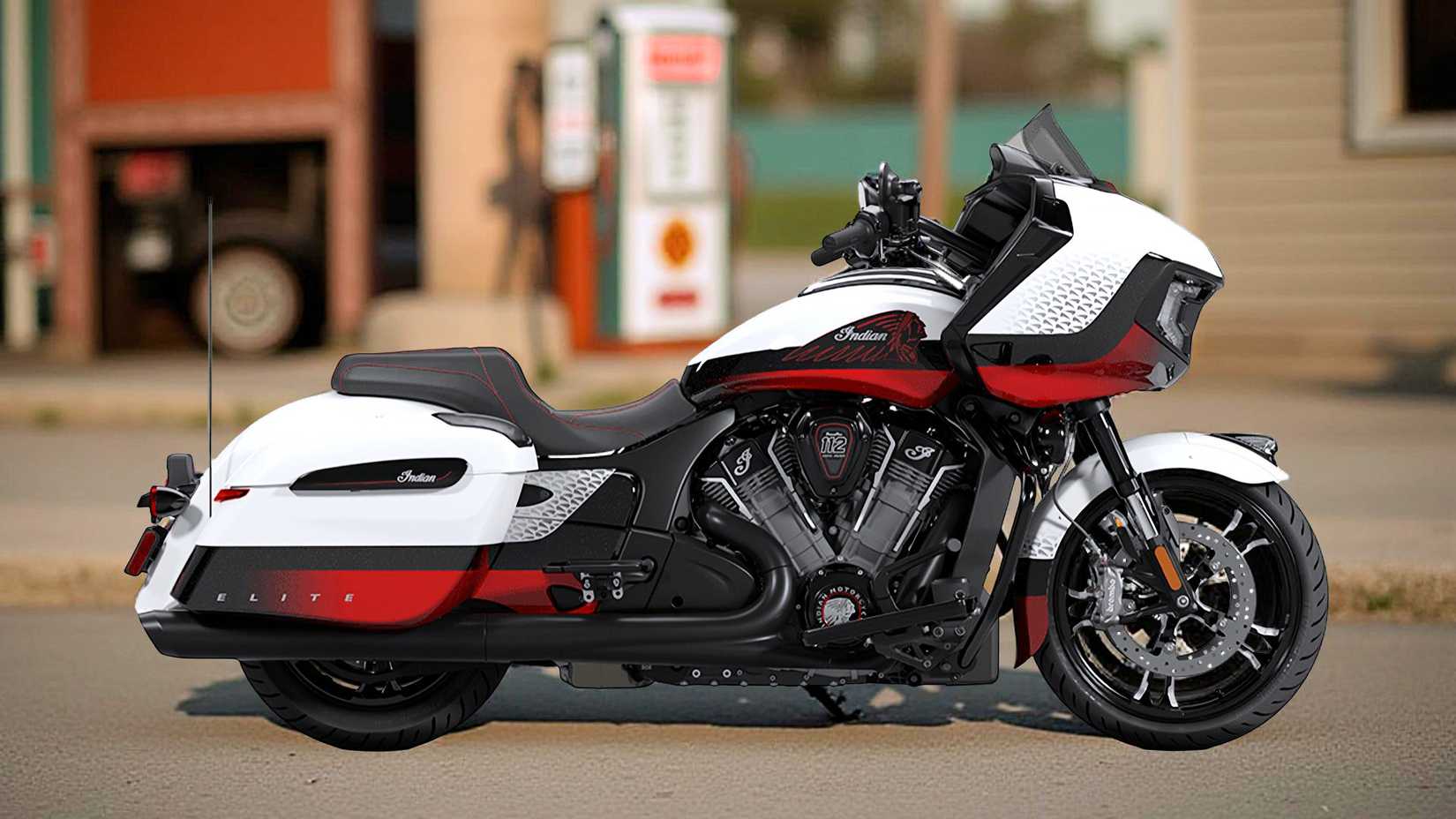
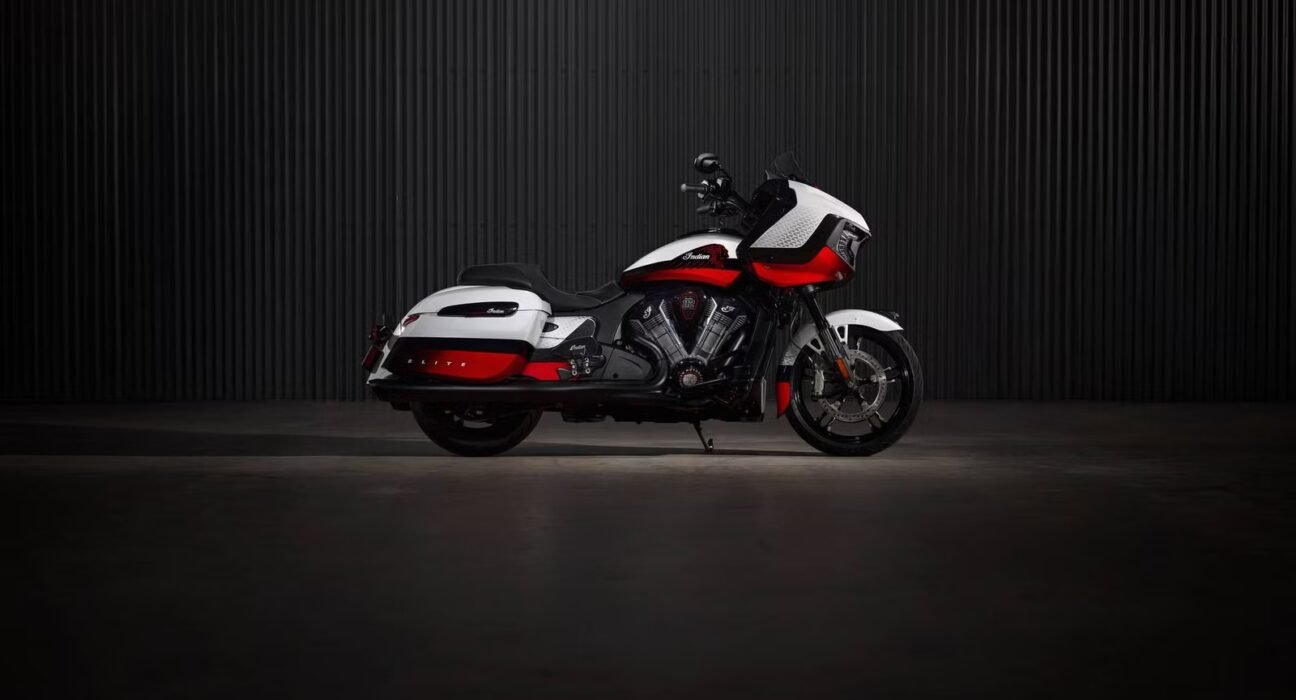
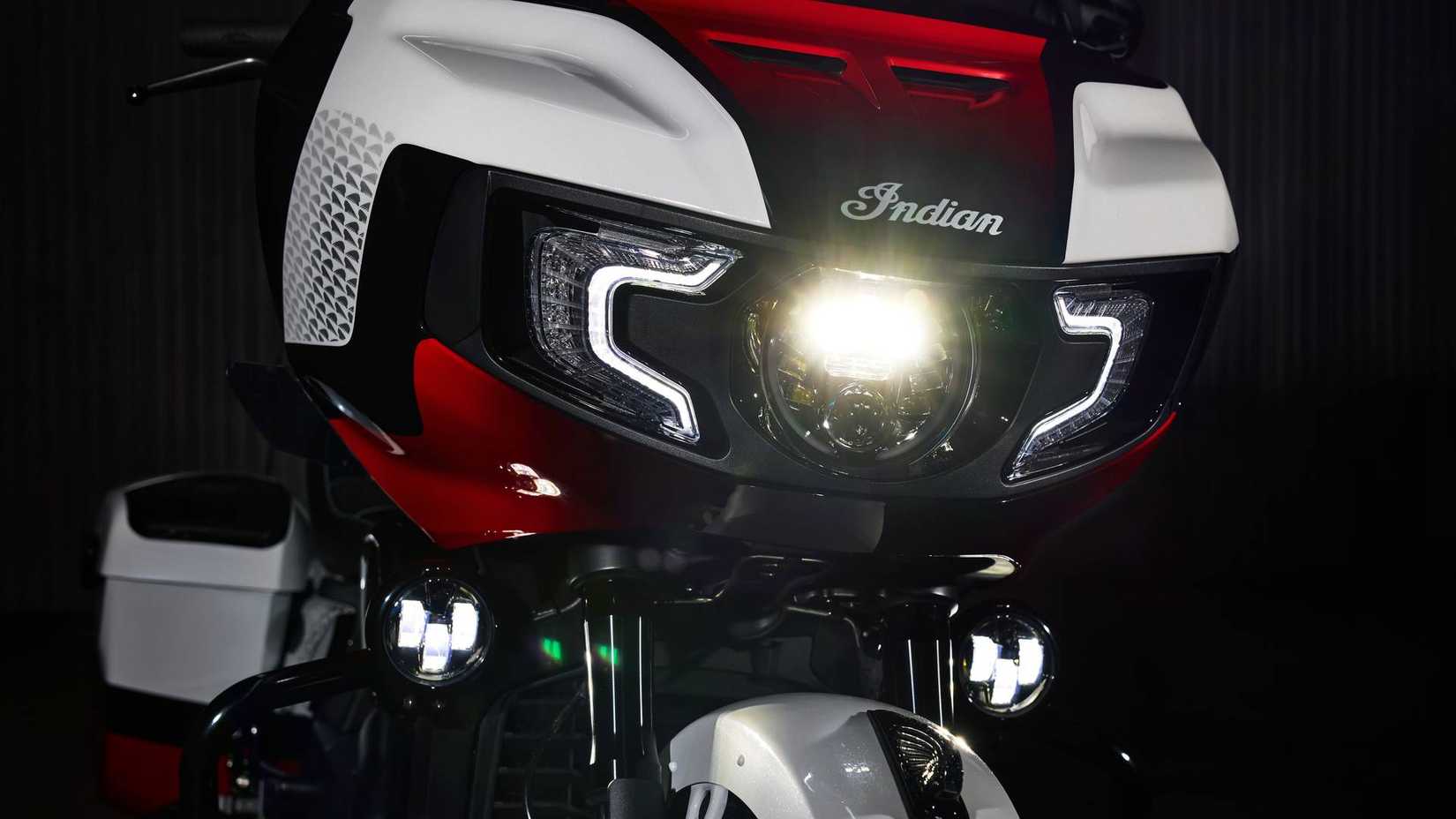
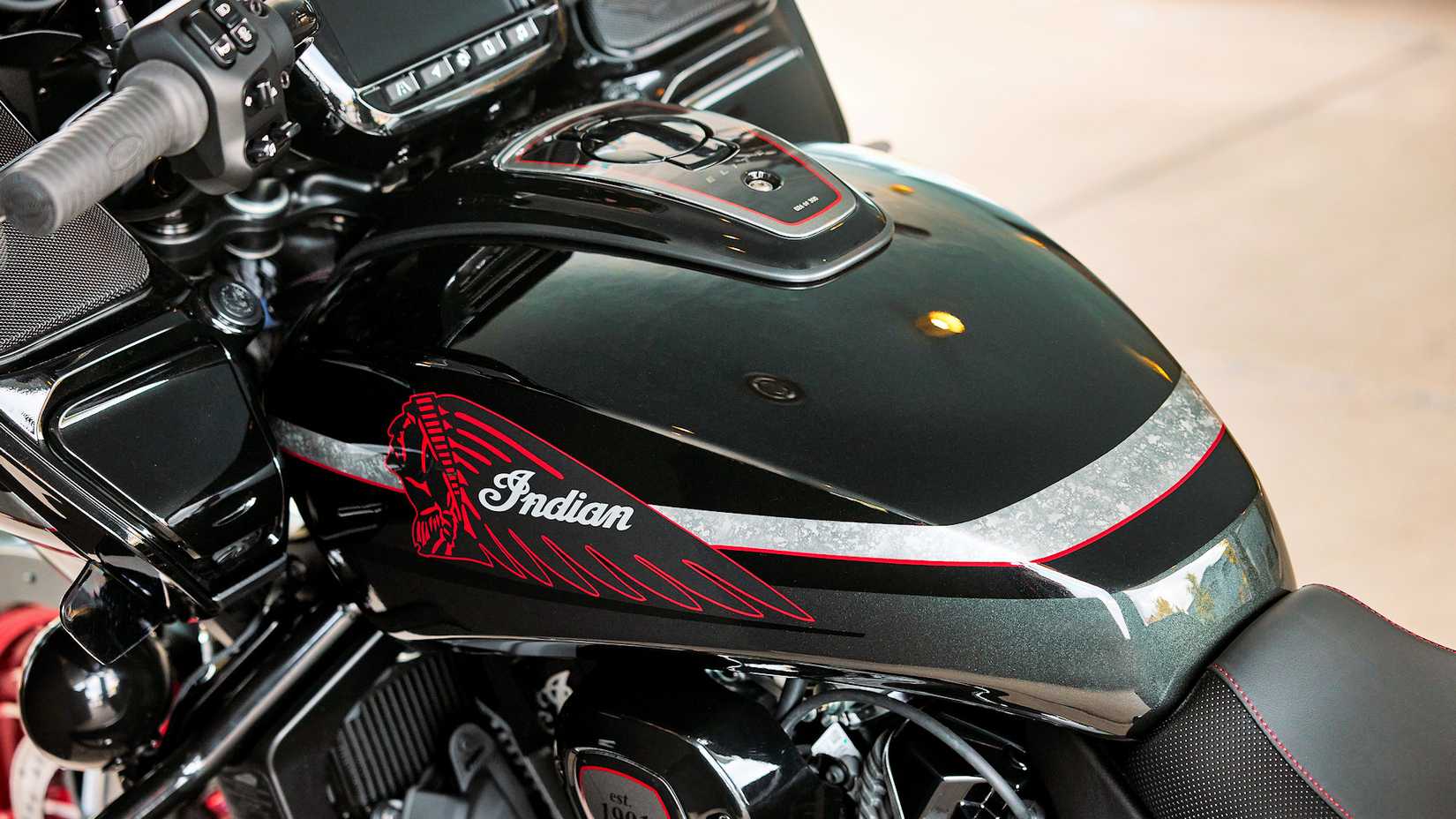
The Indian Challenger Elite clearly sits at the center of that overlap. Priced at $39,999 in the US, it tops the Challenger range as a limited-production flagship. Its distinctive paintwork, colour-matched details, special badging, premium trim and numbered status clearly target collectors, but the significant hardware below prevents it from becoming a standard bagger wearing expensive formal clothes.
The Elite uses a frame-mounted fairing, remote-locking hard saddlebags, a power-adjusted tinted windshield, adjustable fairing vents, heated grips, passenger floorboard, keyless ignition, tire-pressure monitoring, and more than 18 gallons of storage. The color-matched stitched seat and illuminated details handle the visual theater, while the six-gallon fuel tank gives it the capability expected from a motorcycle to cover serious distances.
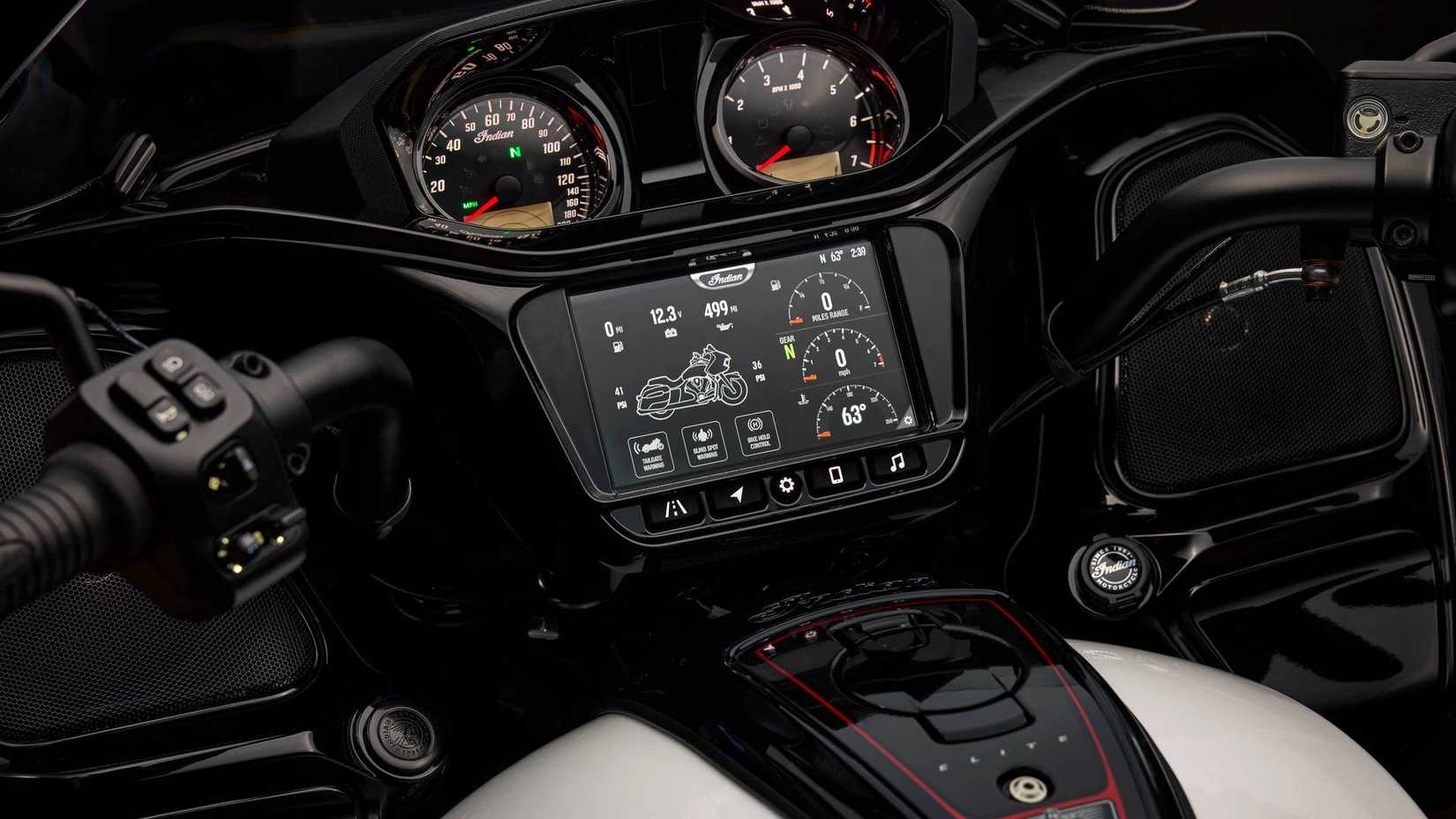
Its seven-inch touchscreen runs the Indian Ride Command system, which brings Bluetooth connectivity, customizable display, navigation, Apple CarPlay integration, live traffic and weather overlays, vehicle information and connected services through a factory-installed telecommunications unit. A 400-watt powerband audio system uses four 100-watt speakers, making this one of the rare performance machines where the soundtrack doesn’t necessarily have to come from the exhaust.
PowerPlus 112 brings race-bred muscle
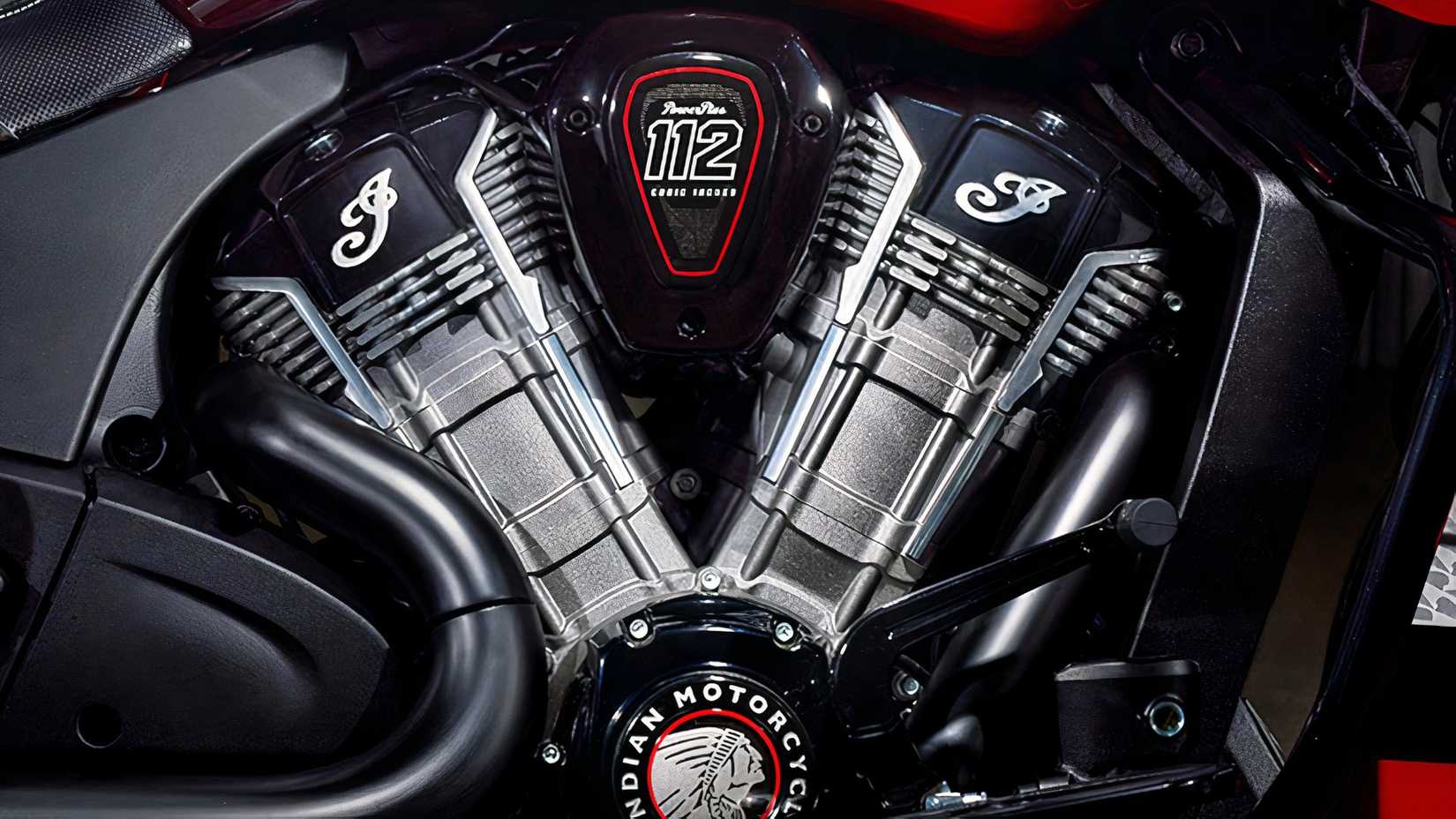
At the heart of the Challenger Elite is the Indian liquid-cooled PowerPlus 112 V-twin. Displacing 112 cubic inches or 1,834 cc, it produces a claimed 126 horsepower at 5,500 rpm and 133 pound-feet of torque at 3,600 rpm. It uses a six-speed transmission with dual 52-millimeter throttle bodies, an 11.4:1 compression ratio, a wet assist clutch, and driving the rear wheels via a belt.
The Indian connects the engine directly to the PowerPlus platform that won the 2024 MotoAmerica King of the Baggers championship, and the relationship is not difficult to understand. This is a relatively high-revving American V-twin that places more emphasis on sustained performance than the comfortable, air-cooled character traditionally associated with heavyweight cruisers.
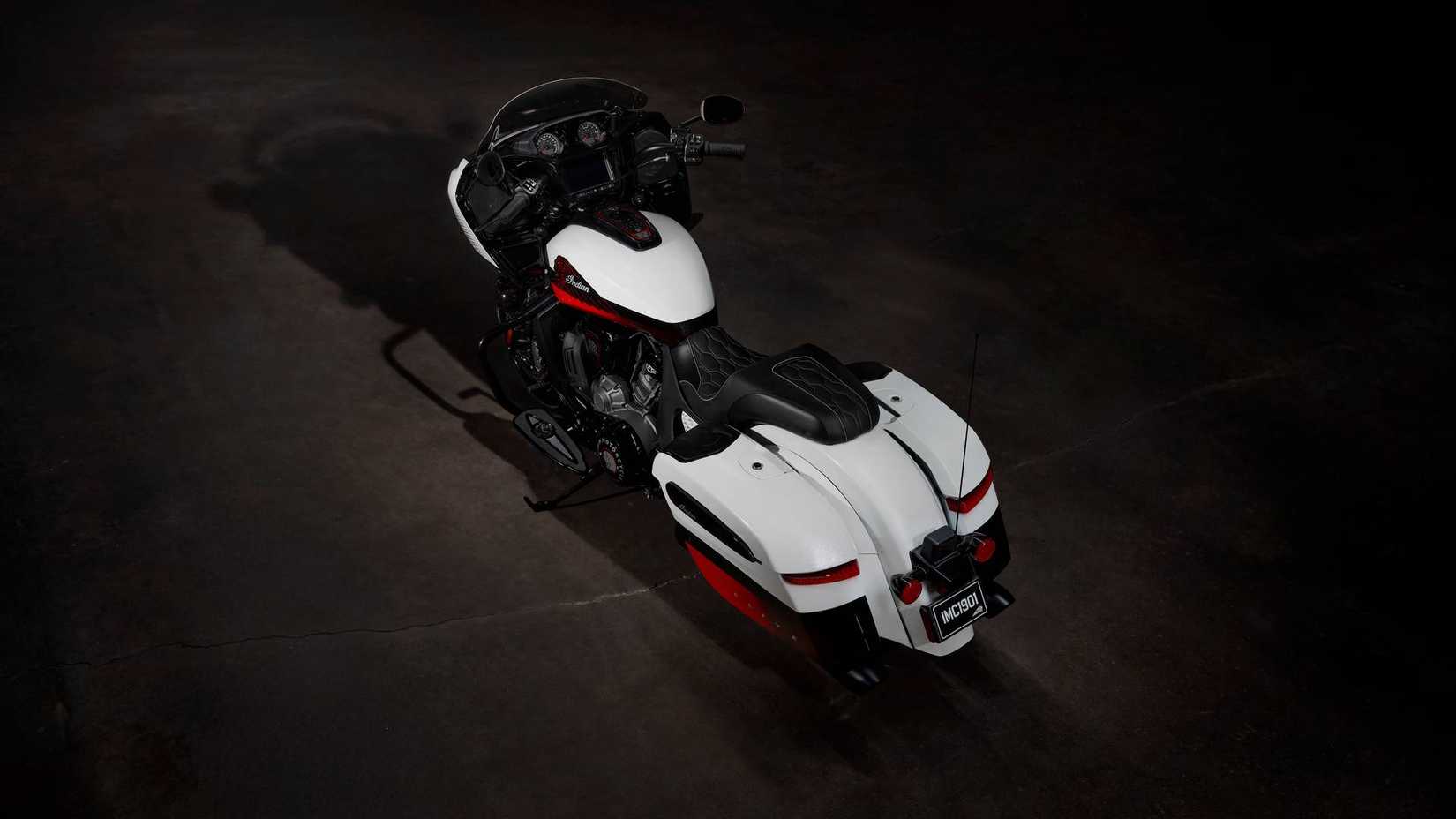
The numbers are important because the Challenger Elite has a lot of motorcycles to go around. Its running-order weight is around 864 pounds, yet coming 133 pound-feet low in the rev range means the rider won’t have to abuse the gearbox to make progress. Roll-on acceleration should be immediate, overtaking requires little preparation, and the bike can build speed with the quiet authority expected from a premium grand tourer.
Nearly $40,000 motorcycle still to be understood
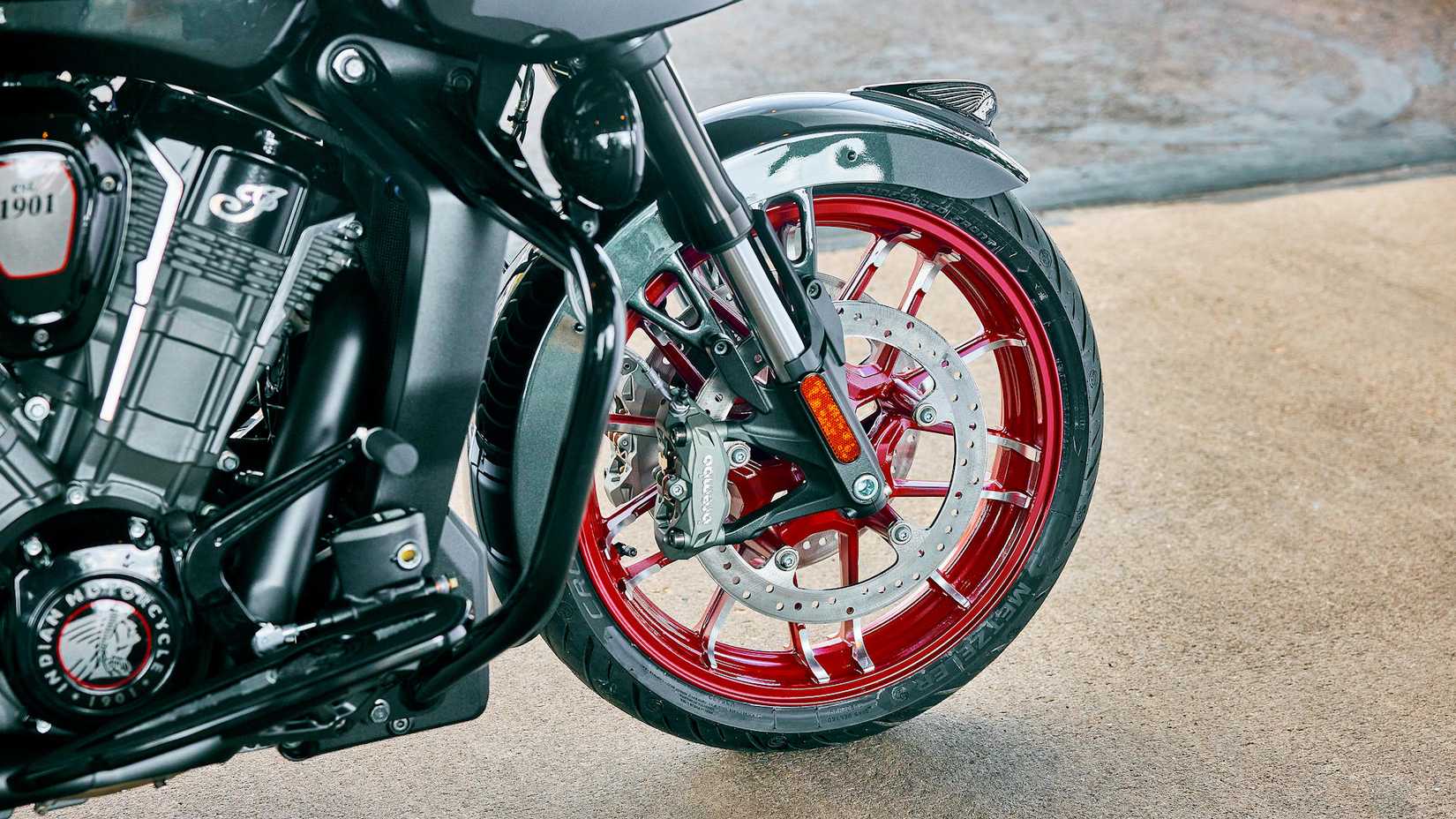
The Challenger Elite’s chassis gives that engine a suitably serious base. An inverted fork manages the front end, while an electronically adjustable Fox rear shock lets the rider change preload without reaching for the tools. The motorcycle offers a lean angle of 31 degrees, a 65.7-inch wheelbase, a low 26.5-inch seat and 5.4 inches of ground clearance, balancing accessible ergonomics with enough cornering capability to support its performance-bagger ambitions.
Radial-mount Brembo front calipers grip dual rotors, backed by standard ABS and the Indian SmartLine system. A six-axis Bosch inertial measurement unit allows the motorcycle to provide drag-torque control as well as lean-sensitive traction control and braking assistance. Three selectable ride modes alter throttle response, giving the rider a meaningful way to tone down or speed up the engine’s behavior.
The Elite buys premium specification, detailed paintwork, high-end audio, additional technology, exclusive trim and the satisfaction of owning the most elaborate version of the Indian fixed-fairing performance bagger. This won’t make mathematical sense to every rider, but flagship motorcycles rarely exist to conquer spreadsheets. This makes sense for someone who already wants a Challenger and doesn’t want to add factory options piece by piece over the next five years.
The real value lies in how little the rider has to sacrifice.
The Challenger Elite won’t hide its mass in a parking spot, and it won’t turn like a middleweight naked bike when the road gets increasingly tight. It also lacks the spacious trunk and complete isolation of a full-dress luxury tourer. Instead, it occupies an increasingly desirable niche between those extremes, offering ample touring capability without resigning to a life of straight roads and conservative throttle inputs.
This may be the strongest argument for its price. Buyers get integrated accessories without giving up meaningful cornering clearance, a commanding riding position without having to settle for vague steering, and luxury equipment without having to accept a weak engine. The chassis-mounted fairing, adjustable suspension, powerful brakes and electronic safety systems reduce the effort required to manage such a large motorcycle.
Performance, in this context, is no different from luxury. Generous torque makes two-up overtaking a breeze. Steady handling reduces fatigue when the road becomes technical. Strong brakes reduce the stress involved in slowing hundreds of pounds of motorcycle, rider, passenger and luggage. Even electronic rider aids exist not just to add features to the brochure, but also to reduce the demands on the machine in situations where its size might otherwise be intimidating.
Source: Indian Motorcycle