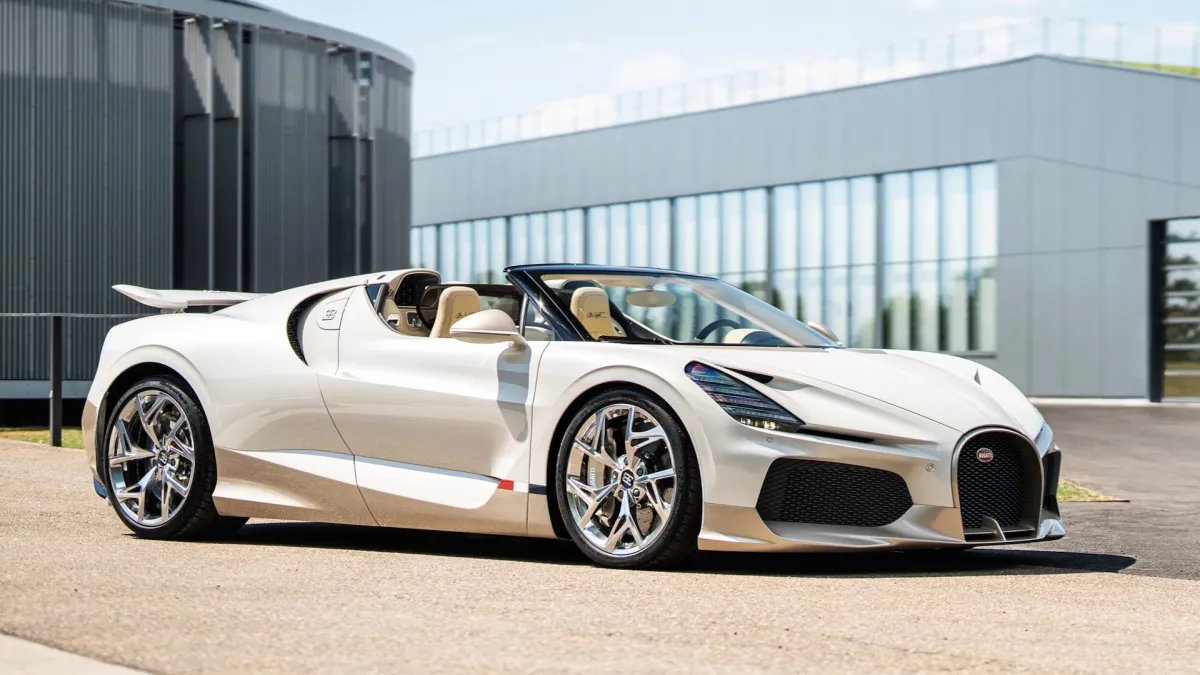
The literal engine that propelled Bugatti out of the history books and into the modern world of record-breaking supercars is no more. On Thursday, Bugatti announced that the final W16 Mistral has left the factory, marking the end of production of the unique engine used in every Bugatti since the brand’s revival by Volkswagen Group at the turn of the century.
Like that revival, the quad-turbocharged 8.0-liter W16 was the brainchild of former VW Group CEO Ferdinand Piëch, who also oversaw the group’s purchases of Bentley and Lamborghini. According to the official story, even before deciding to revive Bugatti, Pitch dreamed up a giant engine while riding a Shinkansen high-speed train across Japan, sketching a naturally aspirated 18-cylinder behemoth made from three VW VR6 blocks.
It wasn’t easy to talk to Piech about anything, but it’s good that someone here tried. After VW bought the rights to the Bugatti name (following a failed revival attempt that produced the EB110 and canceled EB112 sedans), the goal was to slap a horse-collar grille on a car with 1,000 metric horsepower. The complex W18 would have displaced 6.2 liters and made only 547 hp, so it was swapped out for the forced-induction W16 design that was first tested in 2001.
That engine powered the Veyron to production-car speed records in both early 16.4 form (253 mph) and later Super Sport guise (267 mph). A heavily updated version powered the Chiron to its collection of records, including a 304-mph top speed for the specially developed Super Sport 300+ version, which broke the 300-mph barrier for production cars.
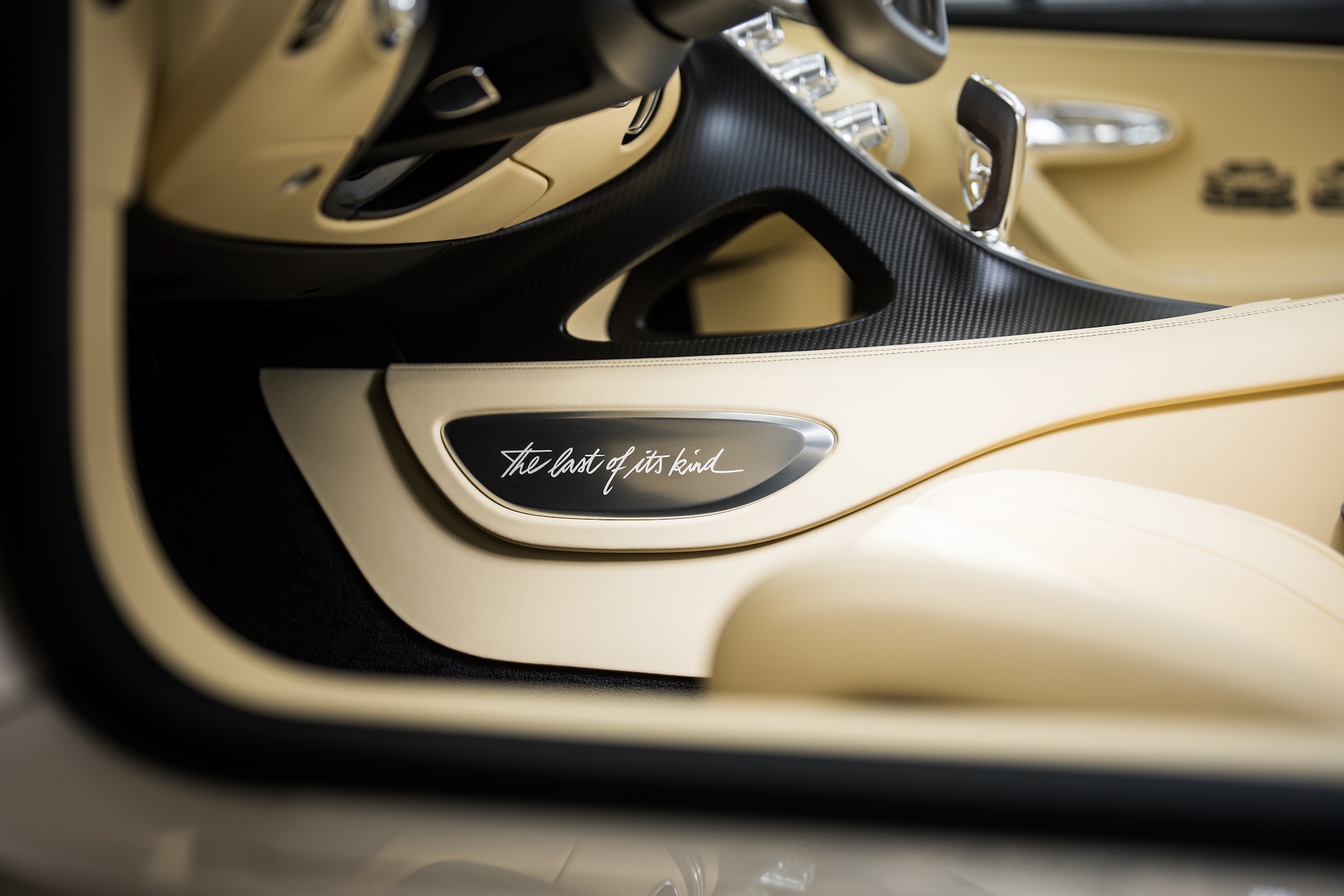
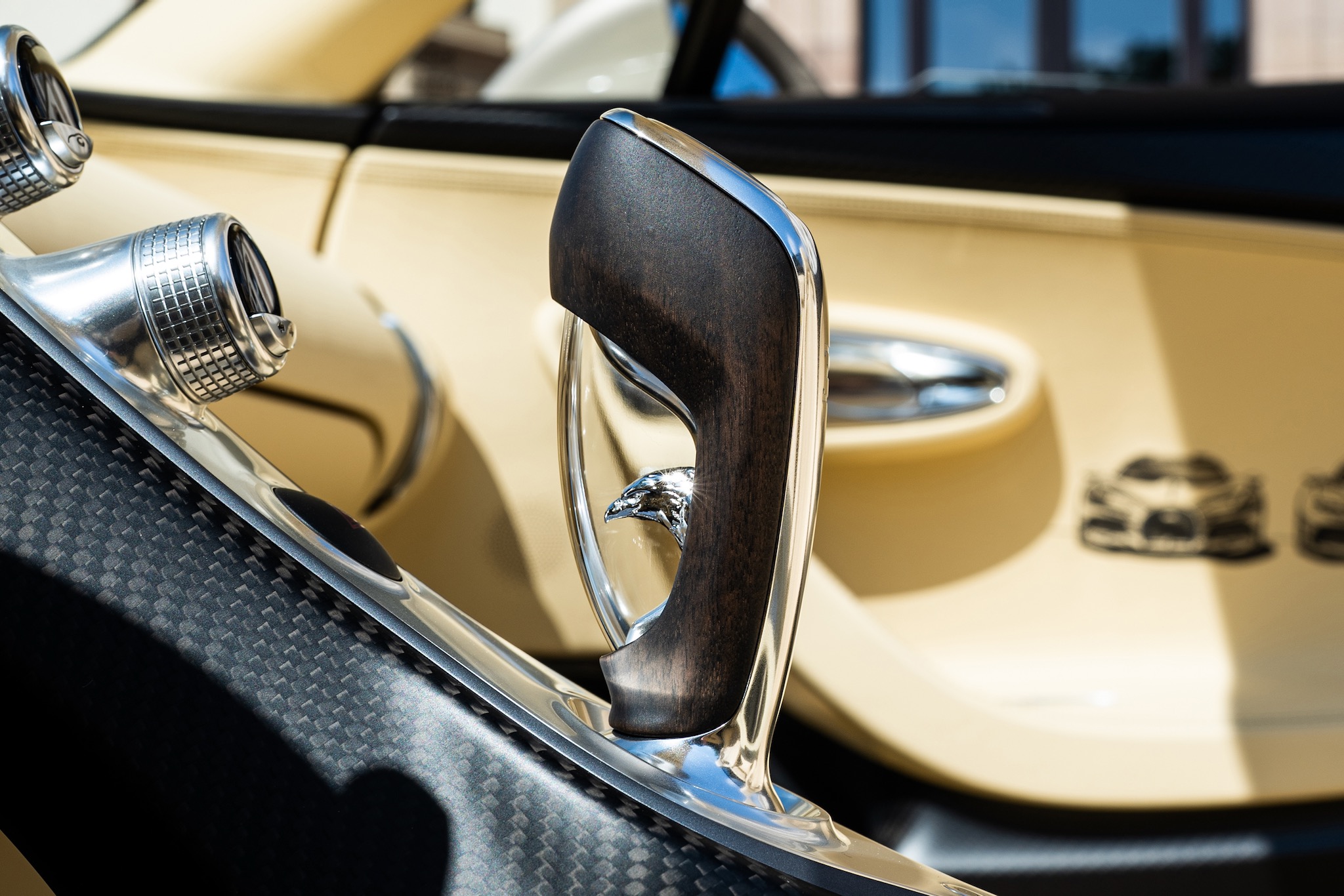
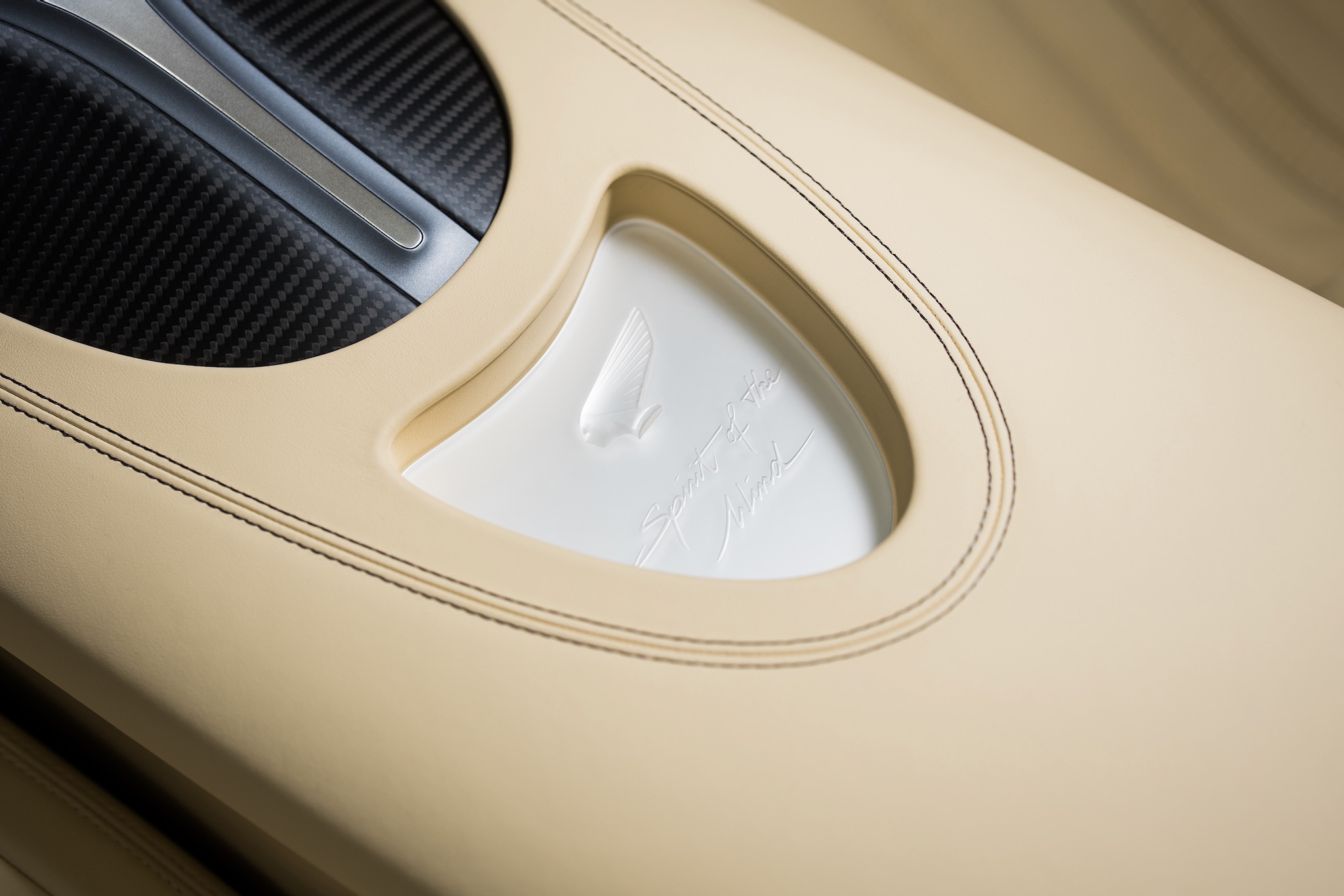
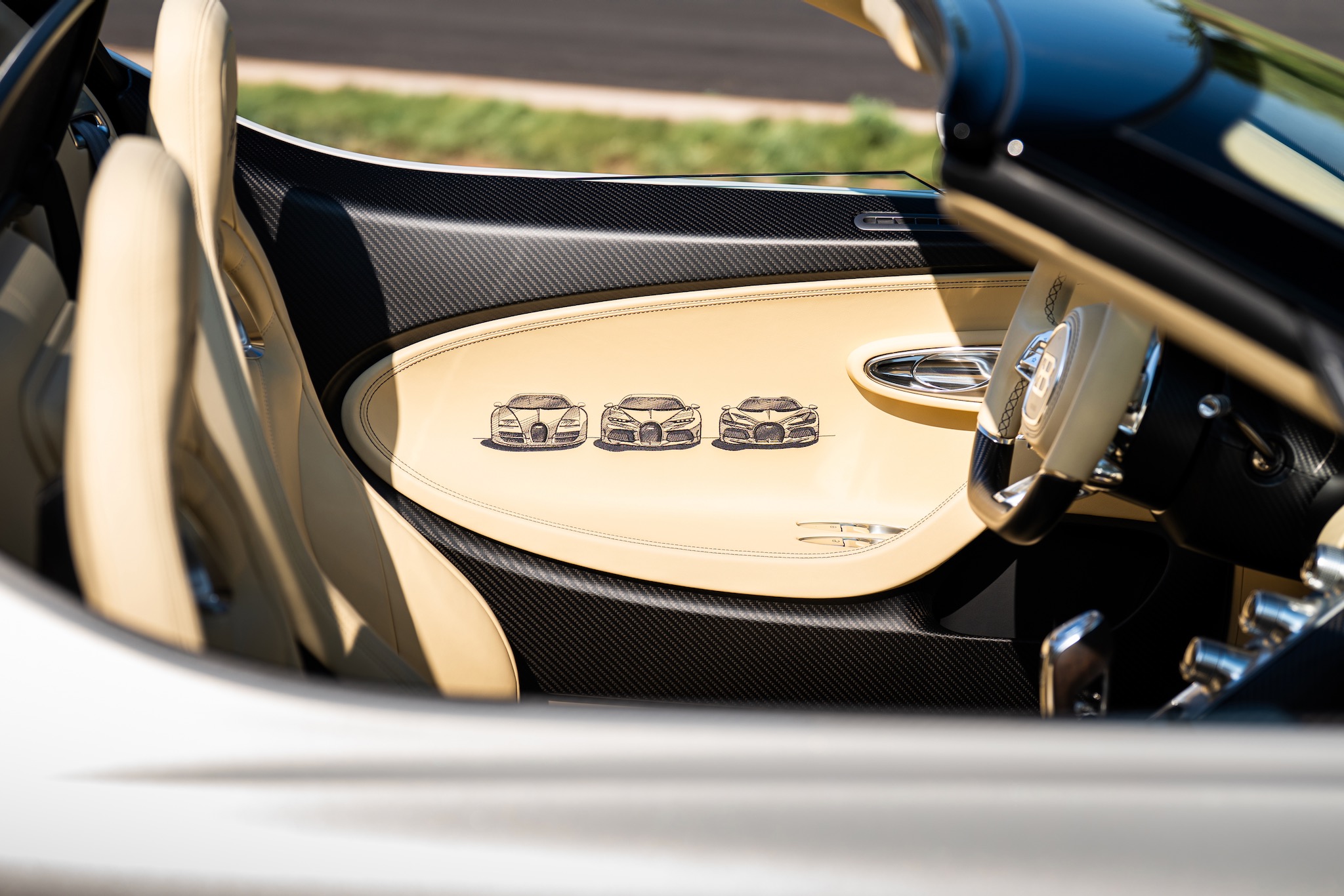
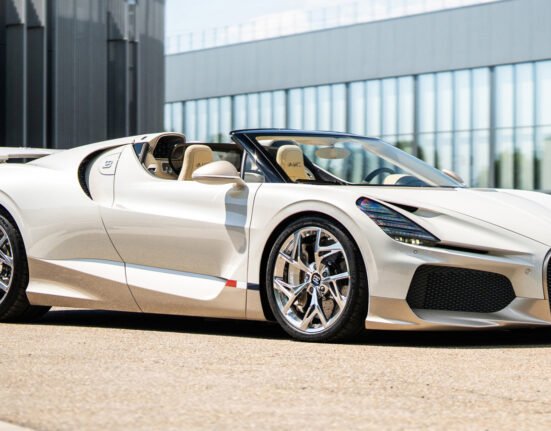
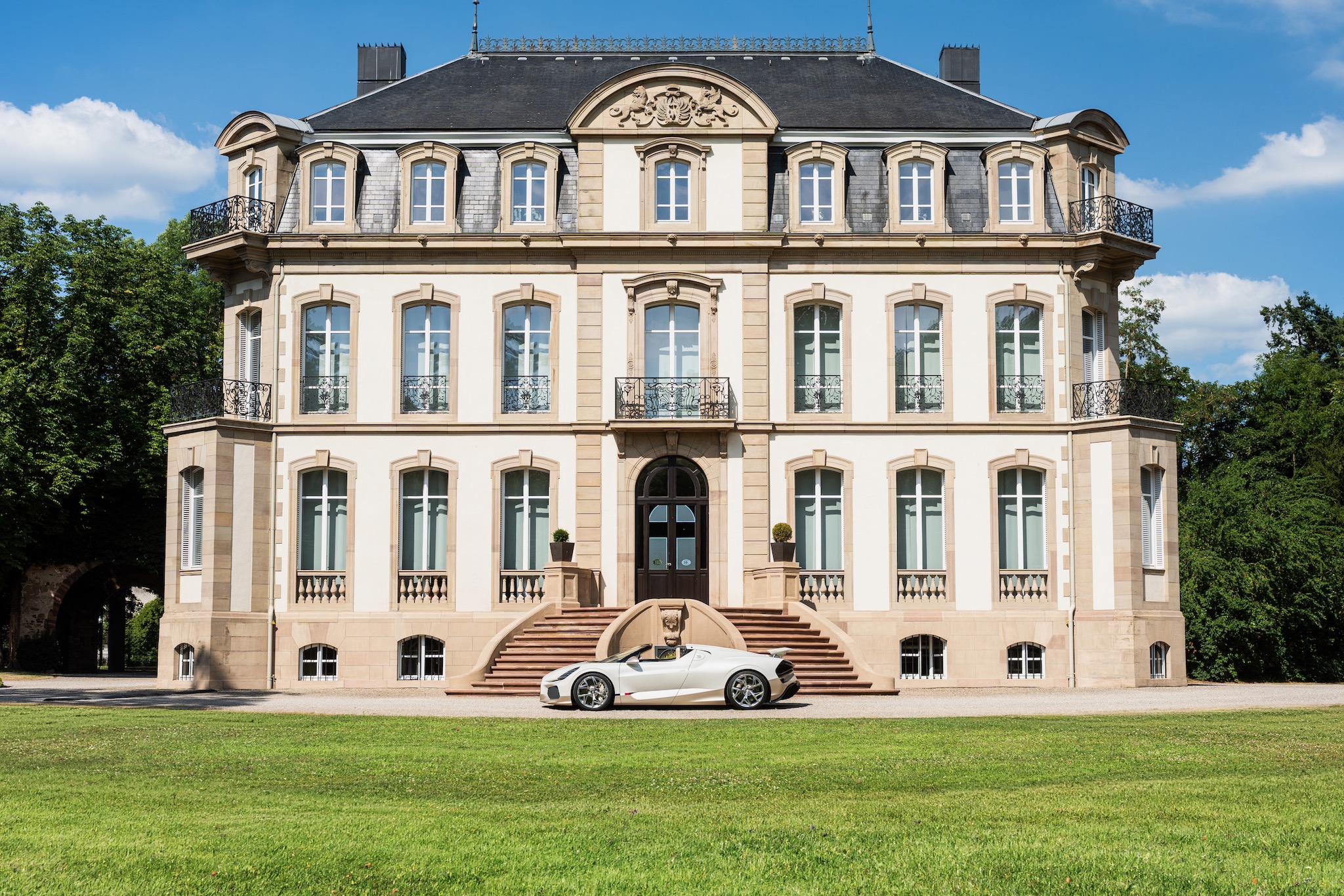
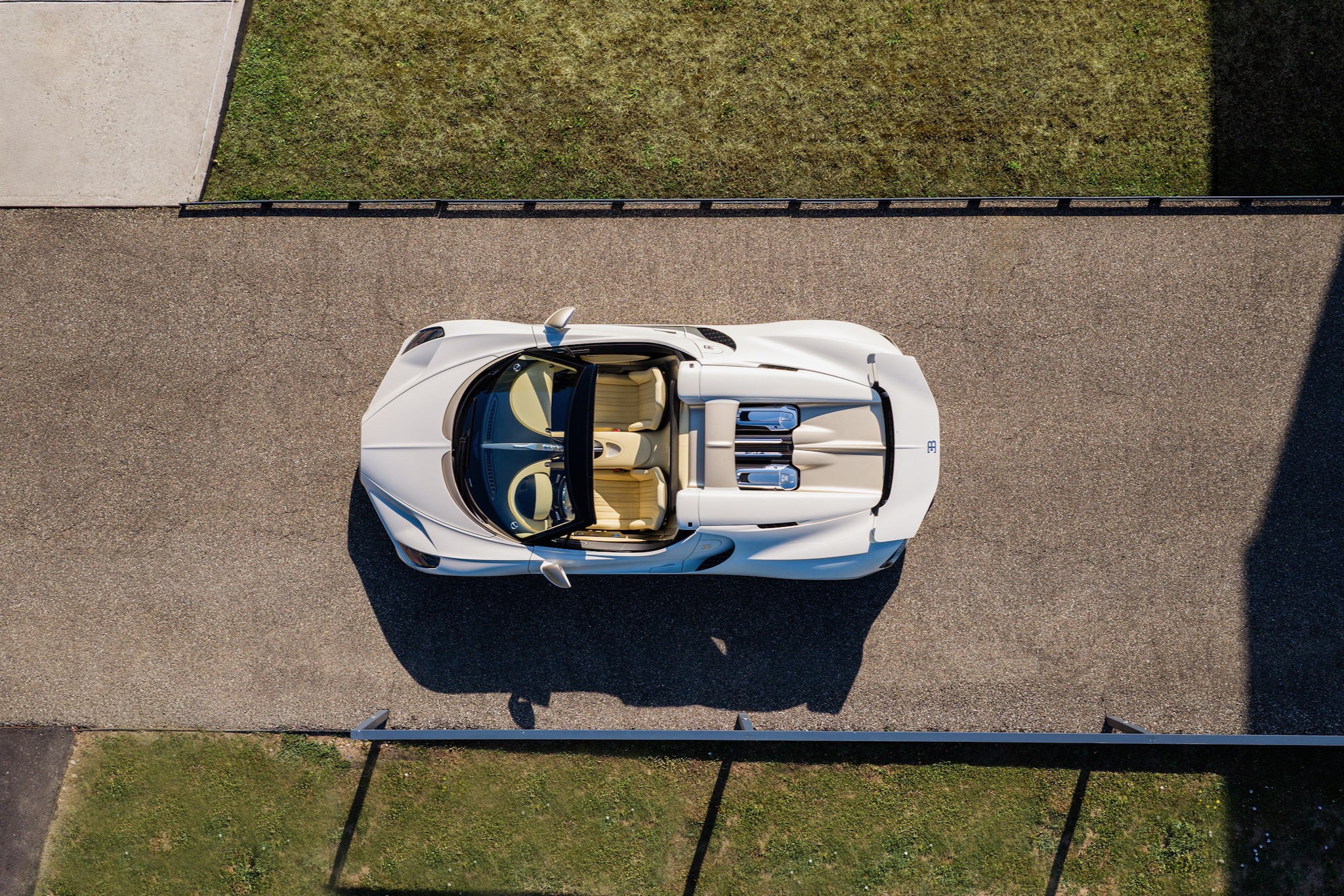
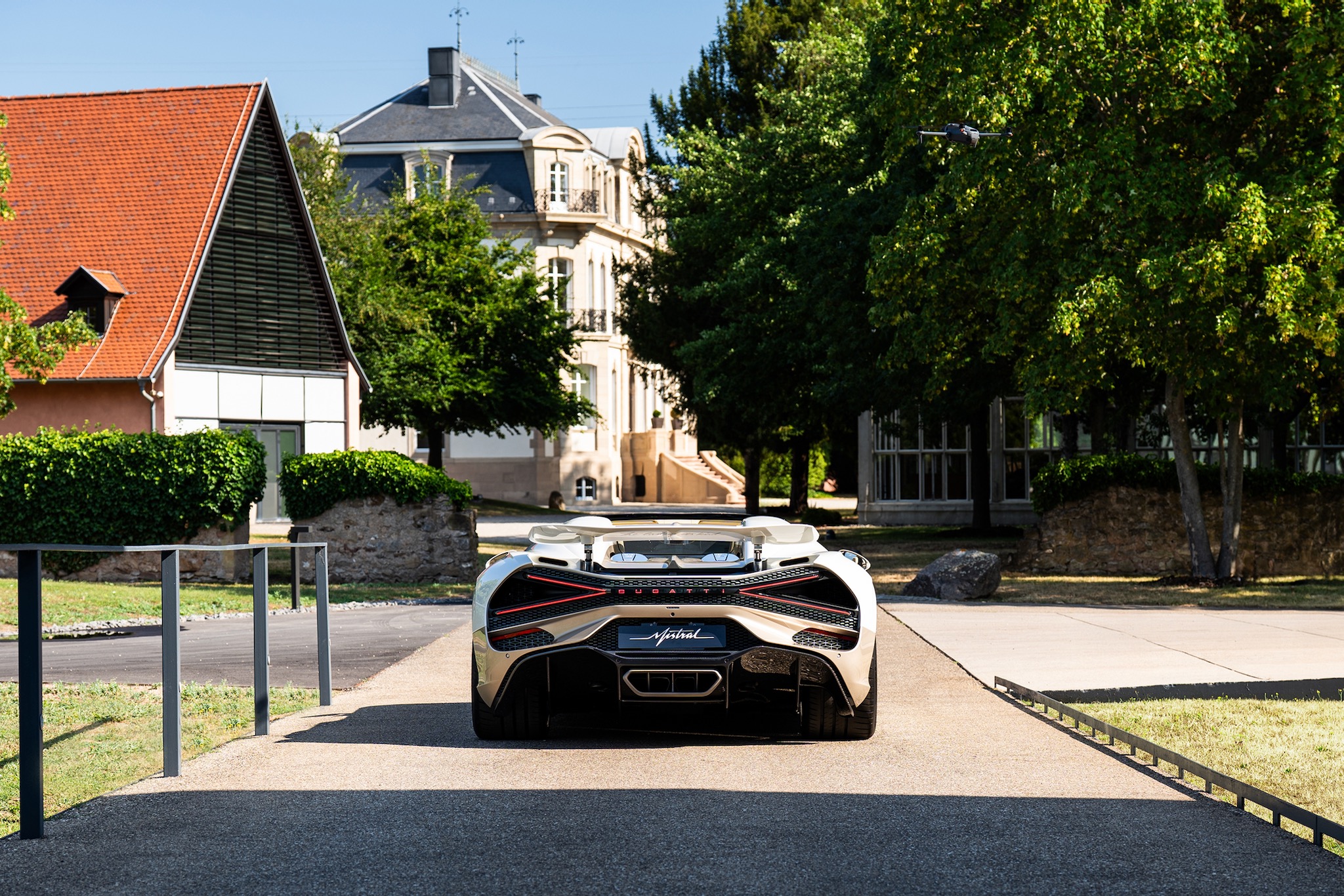
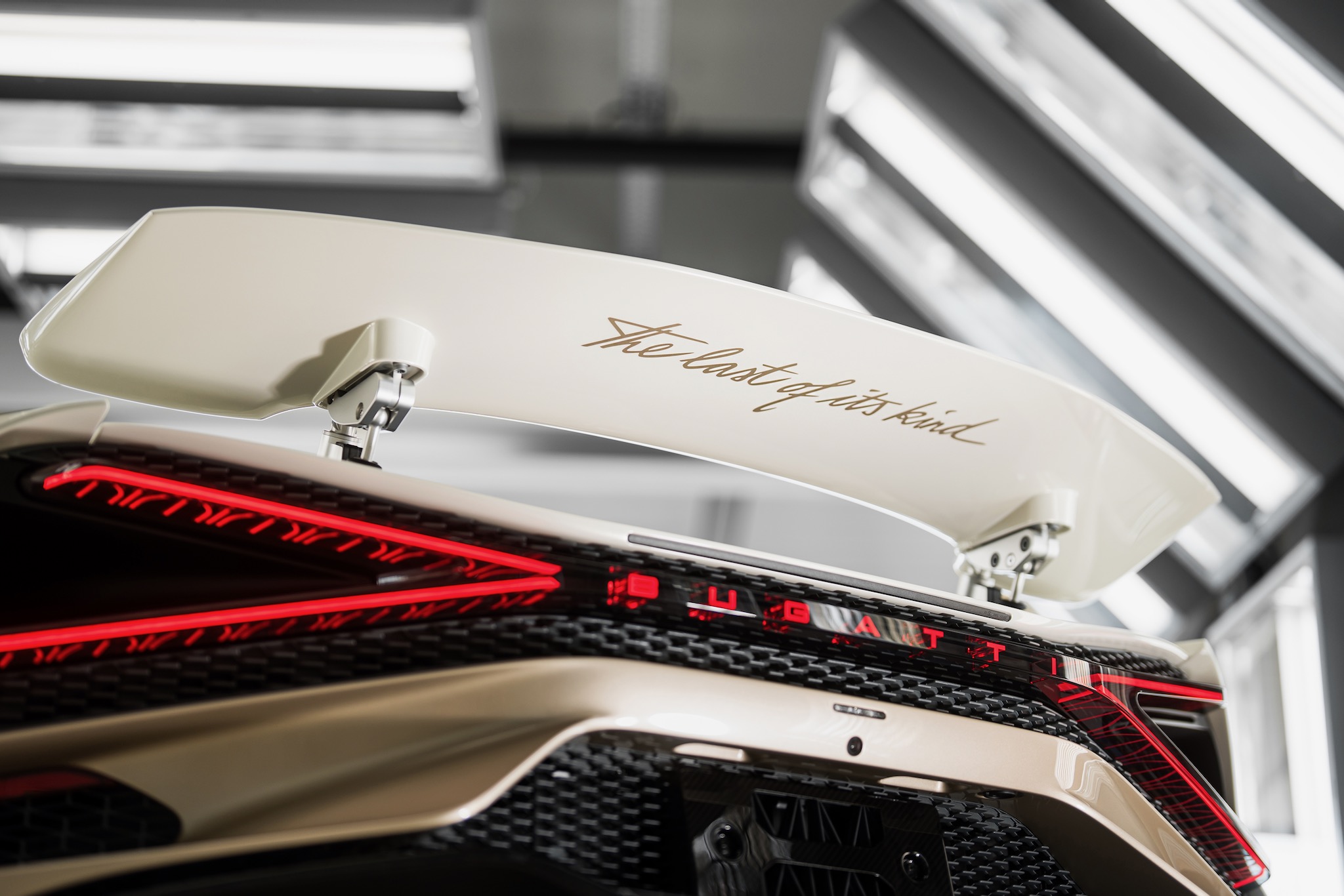
Bugatti didn’t plan to build a Chiron Roadster, but the automaker never misses an opportunity for a high-dollar, limited-edition model. So to give the W16 a proper farewell, it launched a crash development program to create the Mistral. The $5 million roadster debuted at the 2022 Monterey Car Week, and set a new speed record for open-top cars (282 mph) in 2024, powered by a 1,578-hp version of the iconic W16. The first of 99 customer cars was delivered in 2025. The last of those cars wears a subtle two-tone livery of pearl and sparkle paint, complete with “Last of its Kind” script, and a dashboard plaque marking it as the last W16-powered Bugatti.
The division between one era and another is rarely so neat. Just days before the last Mistral was completed, Bugatti held a ribbon-cutting ceremony for La Manufacture, the factory that will build its next supercar. The Bugatti Tourbillon still has 16 cylinders, but they are now arranged in a more traditional “V” rather than the “W” layout that was once a VW Group calling card, at the behest of CEO Mate Rimac.