
Athleisure is everywhere in 2026, and much of it isn’t very stylish. But 100 years before joggers and performance fleece, men had their own version of “sport meets style,” and it was much more rugged: tennis whites.
Before there were dress codes, white was a status symbol, a laundry bill, and, as it turns out, a really bad idea for anyone planning on breaking a sweat.
Why tennis started as a rich man’s game – and why it had to be white
In the early 20th century, tennis was not a sport but a class marker. It was played almost exclusively by the wealthy in private clubs and on the manicured lawns of country estates in Britain, the United States and Germany, at a time when leisure itself was a luxury that few could afford.
Lawn tennis evolved from earlier stick-and-ball games, but it inherited something more specific from the Victorian era: a code of etiquette that directly linked the way you dressed to your social standing. White became common for two reasons, one practical and one social.
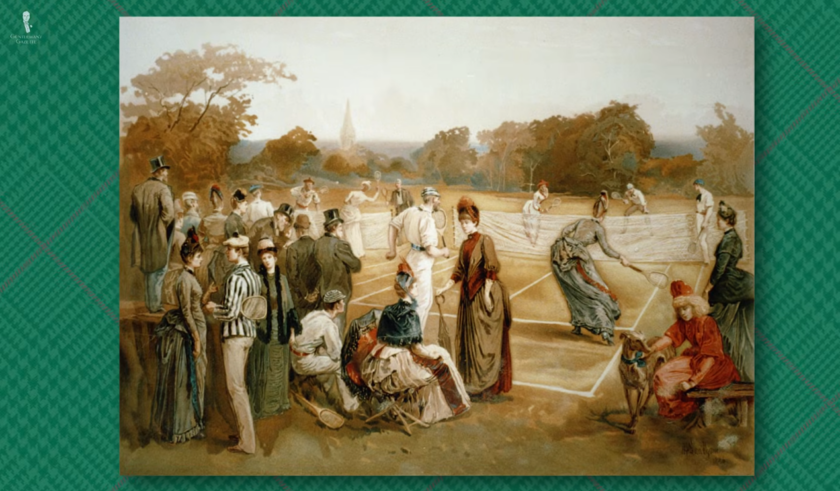
Practically speaking, it reflects heat on sunny courts and helps hide sweat stains. This was murder to remain socially clean. This was decades before washing machines were common in most homes, so wearing white meant either spending one’s time on laundry (a time the rich didn’t have to spend on chores) or paying someone else to do it.
Somehow, a spotless white dress quietly announced that you could buy it. Blue-collar workers avoided white clothing altogether because it appealed to the upper class: it showed dirtiness, and therefore money.
Never miss a party…good for the nerves like celery.
F. Scott Fitzgerald, Gatsby Girls

Tennis doubled as a sport as well as a social occasion, a reason to gather with friends on a private lawn, which reinforced the role of the dress code as a signal to members only.
How the men’s tennis whites evolved, decade by decade
turn of the century formality
Early tennis attire was closer to formal daytime clothing than to sports: white flannel trousers, long-sleeve shirts, and often a jacket or sweater on top, sometimes also a hat.
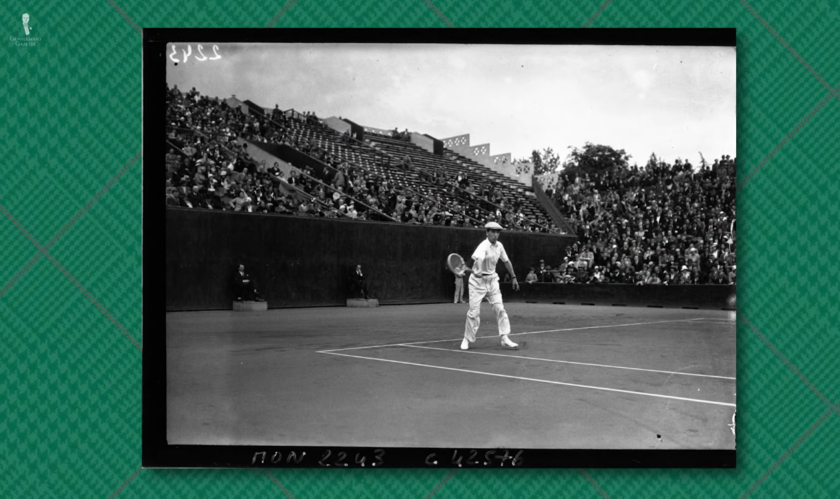
Showing bare arms on the court would have been as inappropriate then as appearing in underwear today. Manners matter as much as the game.
1920s and 30s: Tennis becomes athletic
As the sport became more competitive, clothing began to become looser. The structure and weight of shirts decreased, sleeves became shorter and jackets became less common between matches.
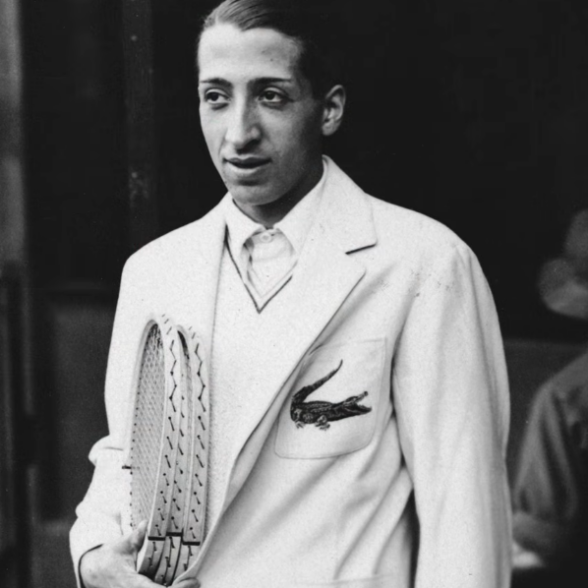
Are Lacoste Polo worth it?
Mid-century: Winning celebrations begin
By the mid-20th century, shorts had become the standard, colors became a little softer, and cuts allowed for true range of motion – a tacit acknowledgment that long wool flannels were never really practical for playing sports in the heat.
This period also saw The rise of synthetic fibersIt was marketed at the time as a “miracle fabric” for drying faster than cotton or wool. However, white remained non-negotiable regardless of the content.
1970s: Color finally arrives (almost everywhere)
It was not until the 1970s that most tournaments dropped the white requirement entirely, as television sponsorships and brand recognition pushed players toward bold colors, stripes, and logos on the new synthetic fabrics.
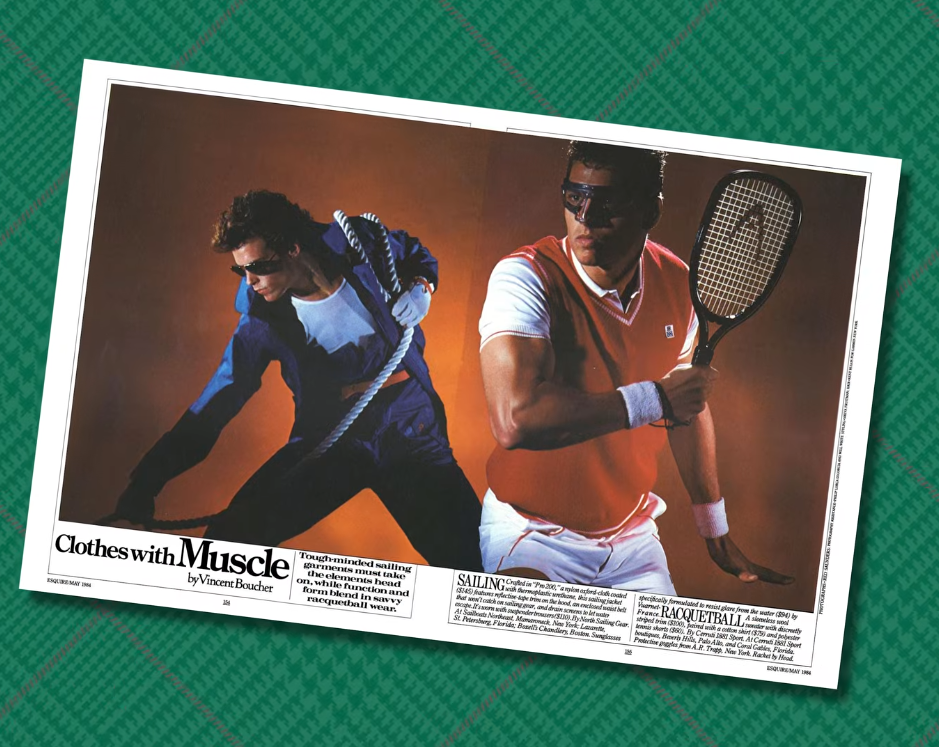

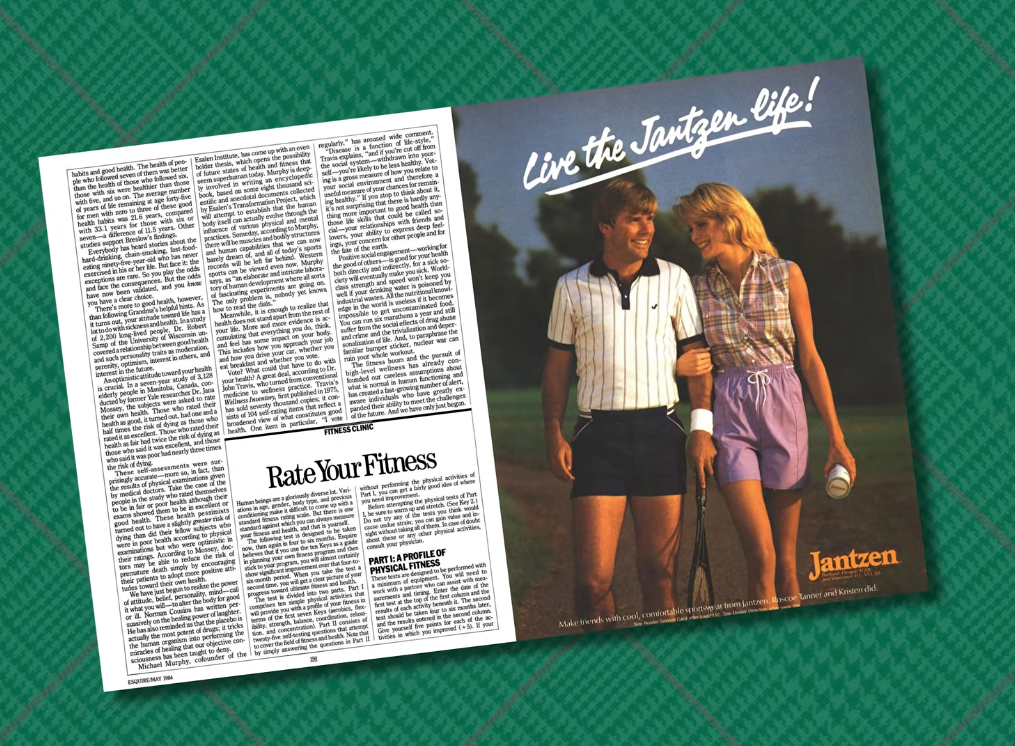
One major exception was this line: Wimbledon.
Why Wimbledon still needs white, and why an American brand runs the show
Wimbledon’s white dress code is one of the last surviving fragments of the sport’s original class-driven etiquette, and is still strictly enforced today. There is little expectation of who will wear the tournament clothes: Ralph Lauren, an American label, Has been the official outfitter of Wimbledon since 2006 And now the role is entering its third decade.
He is the only designer to achieve this title in the history of the tournament. The brand’s vision relies on the club’s signature purple and Green Rather than reinvent the look, pairing lightweight cotton pleated trousers with a bold striped blazer is reminiscent of early tennis clubwear.

We put traditional tennis whites to the test
History is one thing; Actually playing in this thing is a different thing. So we did – an entire match in period-accurate tennis white, tracked in a real court session at about 75°F (24°C) with 65% humidity.
The first outfit consisted of tailored trousers paired with a poplin cotton shirt and a heavy woolen tennis sweater – this was what players of the period wore between matches, apparently for warmth. In the summer heat, this did the opposite of its job: sweat became visible almost immediately, and it became worse as the match progressed.

Swapping poplin shirts for pique-knit polos made a notable difference: the slightly raised knit fabric kept the fabric away from the skin and hid sweat far better than knitted cotton, although it was unclear how much of it was knitted, with one player running hotter than the other.
Switching to full wool flannel trousers and a wool sweater for the second set, paired with a pair of canvas court shoes which were also popular at the time, did not make things dramatically worse than the cotton dress, which was a bit of a surprise in itself.
Learn how to wash and maintain wool sweaters
What didn’t change was the verdict: whether cotton or wool, traditional looked the part of kit and provided a level of sweat that no amount of “it hides stains” could completely hide.
outfit rundown
Along the way a modern auxiliary equipment was introduced into service: A Fort Belvedere Reversible White Leather BeltTechnically designed for summer trousers rather than the tennis court, it’s called for double duty – and it’s worth checking out if you want a versatile, warm-weather leather piece with genuine reversibility built-in.
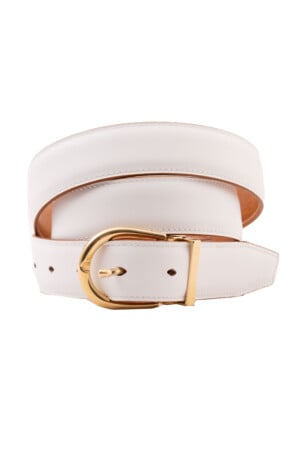
Fort Belvedere
White boxcalf and undyed natural veg-tan leather belt
style decision
The whites of tennis earned their reputation honestly: the silhouette, history and quiet formality are still evident more than a century later. What doesn’t last is practicality: Heavy Natural fibers and full coverage were never really designed for playing physical games in the summer heat, and a few sets are enough to prove it.
The lesson for dressing today is not to recreate the entire kit; It’s about borrowing the right pieces – a well-cut polo, the right shade of white, maybe a tennis sweater over the shoulders instead of the court – and leaving the wool flannel to history.
what to look forward to

Men’s Tennis Clothing, Shoes & Apparel

Men’s Shorts Guide for Summer

How to wear white as menswear?