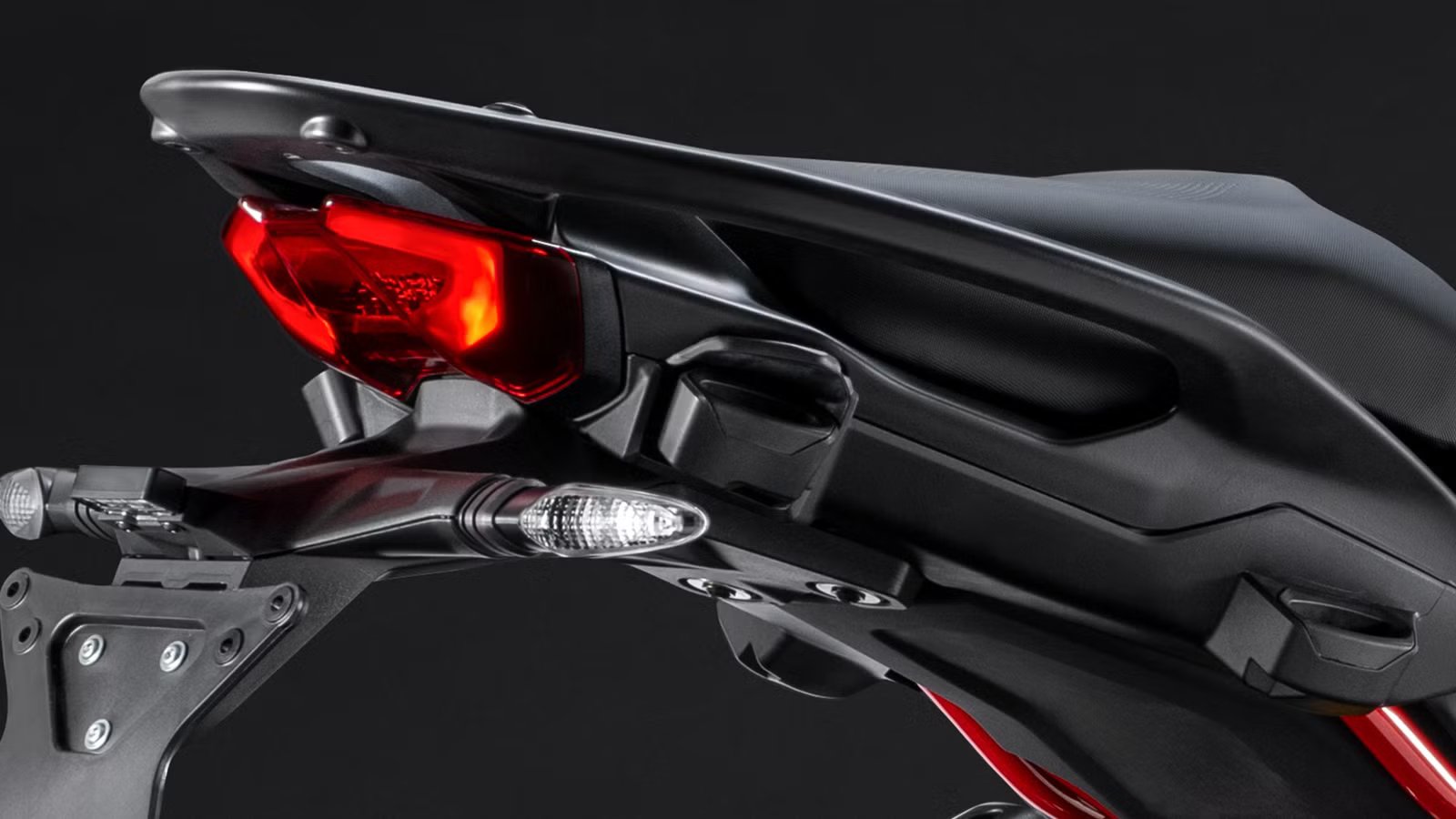
Almost as a response to the superbike-obsessed generation before us, today’s most popular motorcycles are entirely practical machines. Modern ADV and crossover-type touring bikes all offer a different mix of on-road and off-road performance. For most of us who can realistically only afford to own and ride one motorcycle, this kind of versatility is attractive. Add to this the ability to handle the daily commute, and we have a winning formula. In 2026, Ducati has also joined the party, with an almost perfect example of the surprisingly practical ADV Tourer.
Ducati’s charm now comes with added practicality
Ducati built a reputation for producing some of the most incredible, exotic superbikes in the industry. Boring things like reliability and everyday usability were rarely part of the conversation, let alone part of the development process. Thus, a similar negative sentiment towards the brand was also established, leading to many customers being disappointed with these exotic machines.

All this changed when the VW Group stepped in. The Germans added a touch of practicality to the brand without removing the key elements that make the bike so special. This union that seemed so unlikely in the beginning has worked out very well, and has given us some incredible bikes that are really reliable, yet still offer Italian charm. Of all the more practical models, it’s the latest crossover that really stands out.
The Ducati Multistrada V2 offers a unique blend of luxury and everyday practicality
MSRP: $16,995 – $19,995

As is the case with almost every Ducati currently on sale (with the possible exception of the Scrambler range), the Multistrada V2 demands a premium. It’s not a model that provides the kind of value to potential customers that you can get elsewhere, but it does provide a certain level of quality that you can’t get anywhere else. Unlike Ducati motorcycles of the past, which relied heavily on their exotic nature for sales, the modern Multi offers exemplary build quality, numerous electronic features and a reliable modern V-twin.
A new V-twin desmo brings long service intervals without the worries
Power: 115 hp

With so many brands switching to parallel-twin, we’re grateful Ducati is still willing to invest in a V-twin like this. Naturally, the 90-degree V-twin, or “L-twin” if you prefer, is as much a part of the brand as its red color. Apart from the engine configuration, this is a completely new engine. Well, there’s always the possibility that there will be some teething problems, but at the same time, this is a thoroughly modern lump, and if it’s anything like the other new Ducati engines, it should be perfectly reliable.
break with tradition

This is the lightest V-twin engine ever made by Ducati, and a small, but significant contributing factor is the use of valve springs. Desmodromic valves were used in every “L-Twin” ever produced by the Italian manufacturer, and it marks a break from tradition that many Ducatisti would not have seen coming.
For those interested, there are still other models that use desmodromic valve trains, but for engines destined for street use, variable valve timing makes more sense in terms of efficiency and usable real-world performance. For those looking for a race engine, this may not be the best platform. Even though there is no end in sight to the metallurgy, valve float is still a possibility, and in a heavily modified Italian V-twin engine, it is more likely.
You get what you pay for with the Multistrada V2

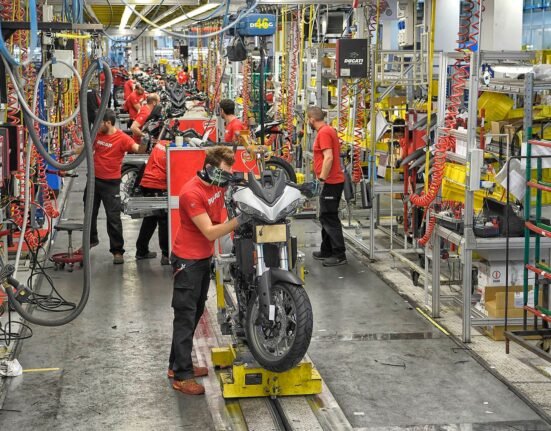
The biggest difference between what you’re actually paying for with any Ducati is the simple fact that these bikes are still put together by humans. Naturally, there is some level of mechanization added to the process, but for the most part, these are still machines made by people. This human element doesn’t make a big difference on paper, but in reality, it imbues each bike that rolls off the assembly line with a little “soul.” While this has always been an important point of difference for the brand, in an age where machines are virtually taking over almost every aspect of our lives, this human element is worth paying for.
There is no dearth of modern technology

The more affordable base model is almost identical to the V2 S except for the S model’s Skyhook semi-active electronic suspension. This is one of the most sophisticated suspension setups on the market, and although it takes away all the hassle of dialing in the suspension, it will add potentially costly failure points later in life. While it may not be a popular opinion, the conventional suspension on the base model will be more than enough for most riders.
It’s fully adjustable, and as long as you’re willing to put in the time and effort, it won’t make the bike any less fun to ride. That’s largely a guarantee thanks to its sporty lightweight aluminum chassis. Although going off-road is a possibility, partly due to it being lightweight, it certainly won’t be why you’re buying the bike.
In terms of electronic features, neither bike will leave you wanting more. Both bikes come with cruise control, lean sensitive traction control, cornering ABS, a quickshifter, a 5-inch TFT dash, ride modes and an adjustable windshield. Like other crossovers or long-rounders, it doesn’t come with luggage as standard, and you’ll have to pay extra if you want color-matched saddlebags.
At this price, there’s no denying the fact that there are many more powerful bikes in the market that offer better value. What you get here is a do-it-all crossover that offers a level of luxury that is largely unmatched. It comes with a certain charm that other non-Italian brands cannot easily replicate.
CHASSIS, SUSPENSION, AND WEIGHT SPECIFICATIONS
|
The wheels of the aircraft |
aluminum monocoque |
|
front suspension |
45mm fully adjustable USD fork, electronic/manual compression and rebound damping (6.7-inch travel) |
|
rear suspension |
Fully adjustable monoshock, electronic/remote spring preload adjustment (6.7-inch travel) |
|
weight |
445/439 pounds (no fuel) |
Source: Ducati