For one mother, an ordinary Wednesday with her daughter means constant vigilance and gratitude for the moments that go right.
Estimated reading time:4minutes
My alarm rings on what should be a typical Wednesday morning. But a typical day is a lucky one for us: no hospital trip, no seizure accident, or, worst of all, losing our daughter to sudden unexpected death in epilepsy. Truth be told, I was already awake at 5:15 a.m., hoping for a “decent day.”
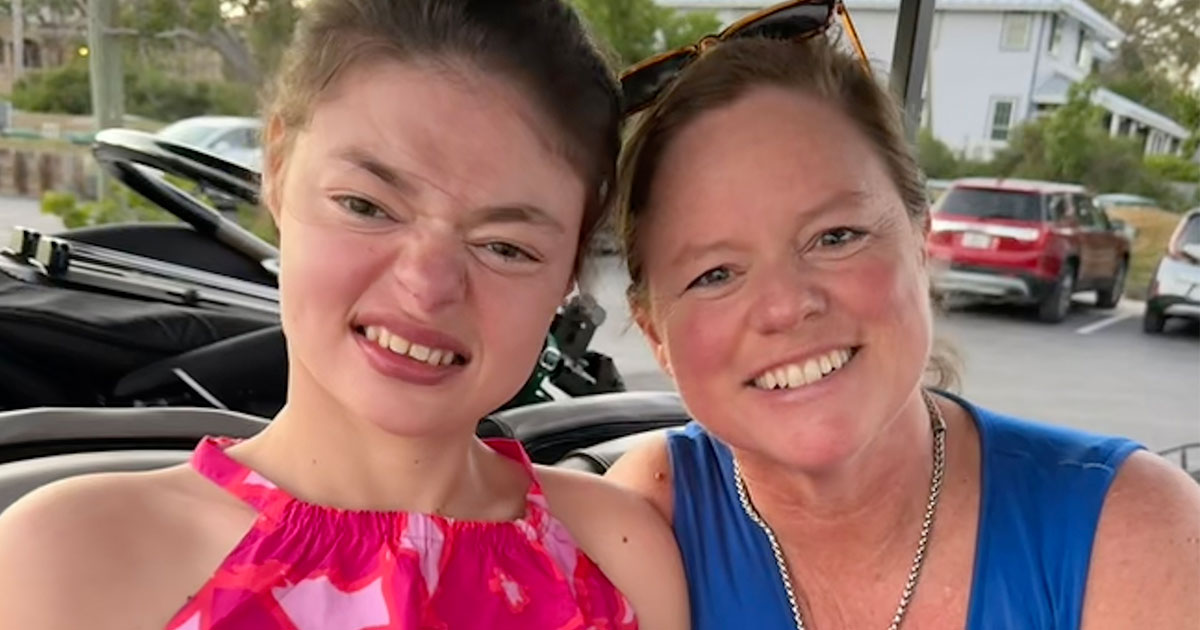
This is life with Lennox-Gastaut syndrome (LGS), a rare, treatment-resistant epilepsy that develops in young children and often leads to lifelong disability. Lili, our 25-year-old daughter, began seizing at 6 months old; the diagnosis became LGS by age 3. Despite years of treatments, specialists, and clinical trials, she still has more than four seizure types a day, and safety is our top priority.
A morning of small reliefs
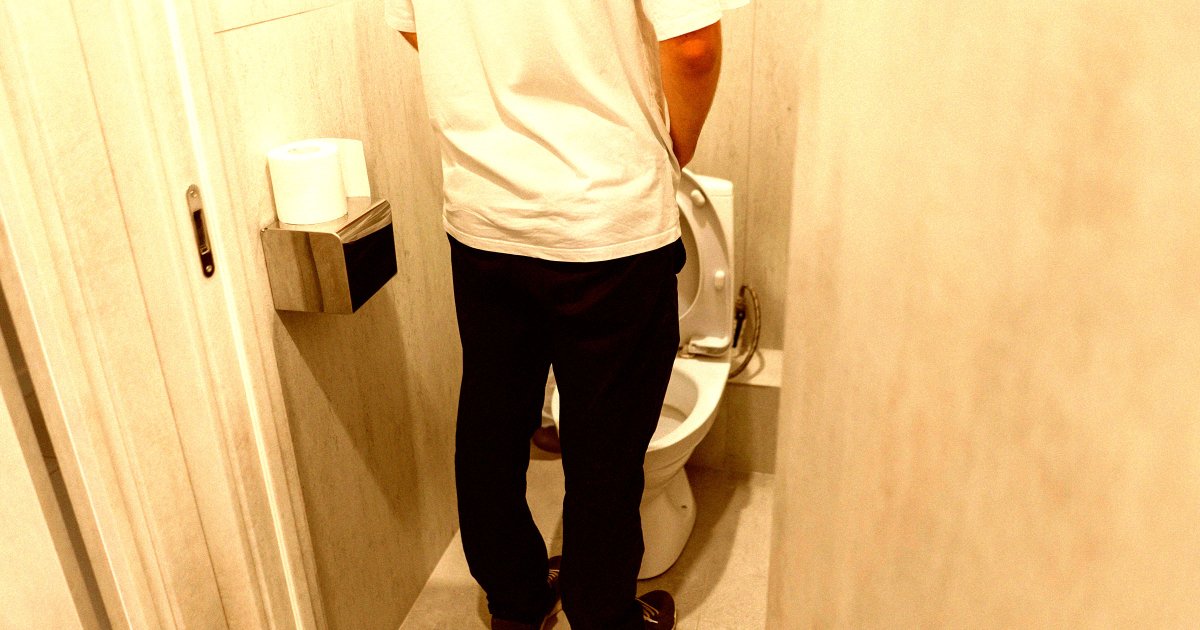
I hear Lili’s night nurse singing to wake her, and I sigh in relief, knowing she’s OK. Medication has to be on time, and she needs help with every movement, since a seizure can drop her without warning. Even the bathroom requires another set of hands.
I quickly meet Lili and her nurse in the kitchen. I feel so lucky to have nurses helping with her care. My husband and I are not getting any younger, so staying up all night is really hard. Their help is a blessing. Lili looks exhausted, and the nurse reports seizures overnight. After two recent hospitalizations and a loss of seizure control, overnight seizures have become our new normal, and I find myself lowering my standards and thinking, “Well, she’s alive, and we have this morning together.”
Lili and I get through breakfast easily. She perks up a bit as I feed her bites of pancake while watching her puppy bounce around the kitchen. I make a mental note of her smile, since it doesn’t come often. More medication, and she’s ready to rest again. I keep her seizure monitor on while I catch up on chores. Twenty-five years of listening to your child seize in her sleep teaches you to know every sound that matters.
When plans change in an instant
Lili’s amazing day-shift nurse arrives to take over her care so I can run to my physical therapy (PT) appointment. Years of lifting her and sleeping upright in a chair at her bedside have left my back in pain. Just as I arrive at PT, I receive a call from one of Lili’s doctors; they want an X-ray done stat. I race back to the house and find the gas tank empty. The one rule I swore I’d never break in case of emergency. Today, I broke it. The afternoon disappears into appointments and calls, but tonight there’s no emergency room trip. We’re home, and Lili gets her favorite thing: a bubble bath with music playing.
Finding joy in the little things
The little things become monumental when you live with a child who has LGS. It’s all so complicated yet so simple. A simple bubble bath, and Lili is happy.
LGS has taught me not to sweat the small stuff, because I count on the good moments. After dinner and two more rounds of medication, Lili is back in bed, breathing steadily on the monitor.
As we end our day, I’m grateful to lay my head on my pillow and quietly say to myself, “Well, today was a ‘decent day,’ and hopefully many more to follow.”
Why this story matters
The LGS Foundation estimates that about 50,000 people in the United States and 1 million worldwide are living with LGS. Seizures like Lili’s are often resistant to medication, so treatment focuses on managing their frequency and severity. For more information, please visit lgsfoundation.org.