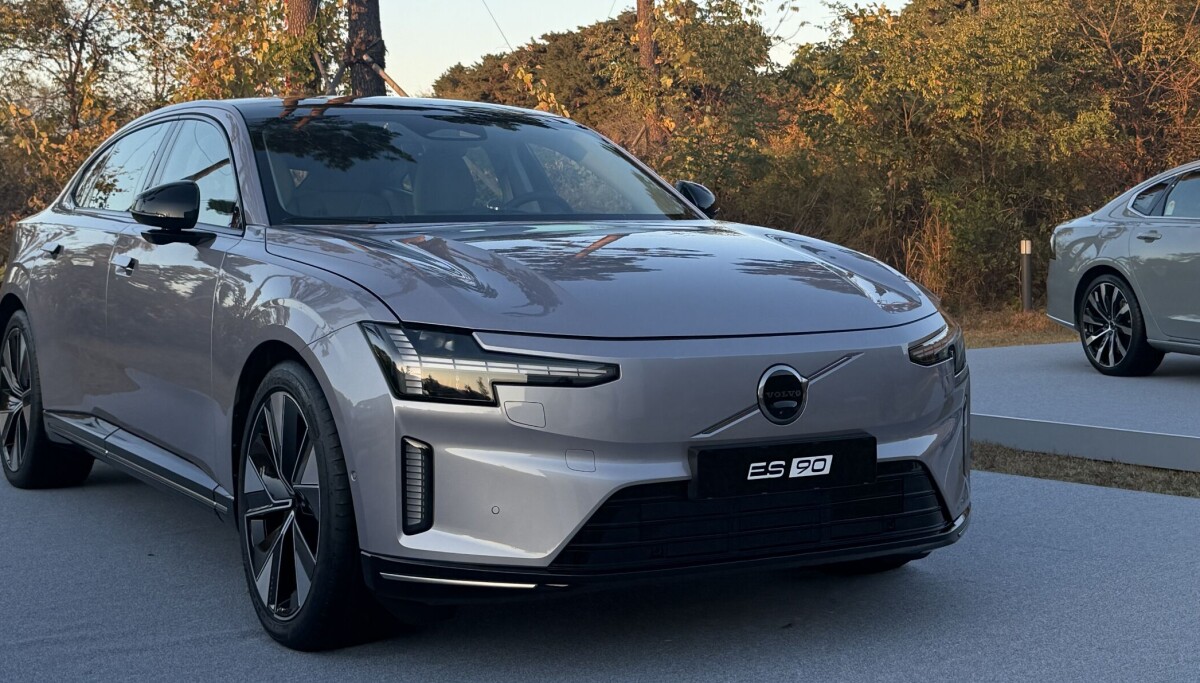
Gangwon — Stuck choosing between a sedan and an SUV? Volvo built a car for exactly that dilemma — the ES90
The Swedish automaker has priced the ES90 in Korea at least 50 million won ($37,500) below what it charges in other major markets — so low that the company’s Korea chief says it is “selling at a loss.”
The price wowed the Korean press, but my first thought was more skeptical. Why would anyone sell a car at a loss, unless something was missing or key features had been stripped out for Korea? I put the ES90 to the test on a 126-kilometer (78-mile) drive from Sokcho to Gangneung, Gangwon.
-
Selling at a loss: Volvo launches ES90 in Korea at the world’s lowest price
-
Europe’s carmakers defend their territory at the Paris Motor Show. China is already inside the gates.
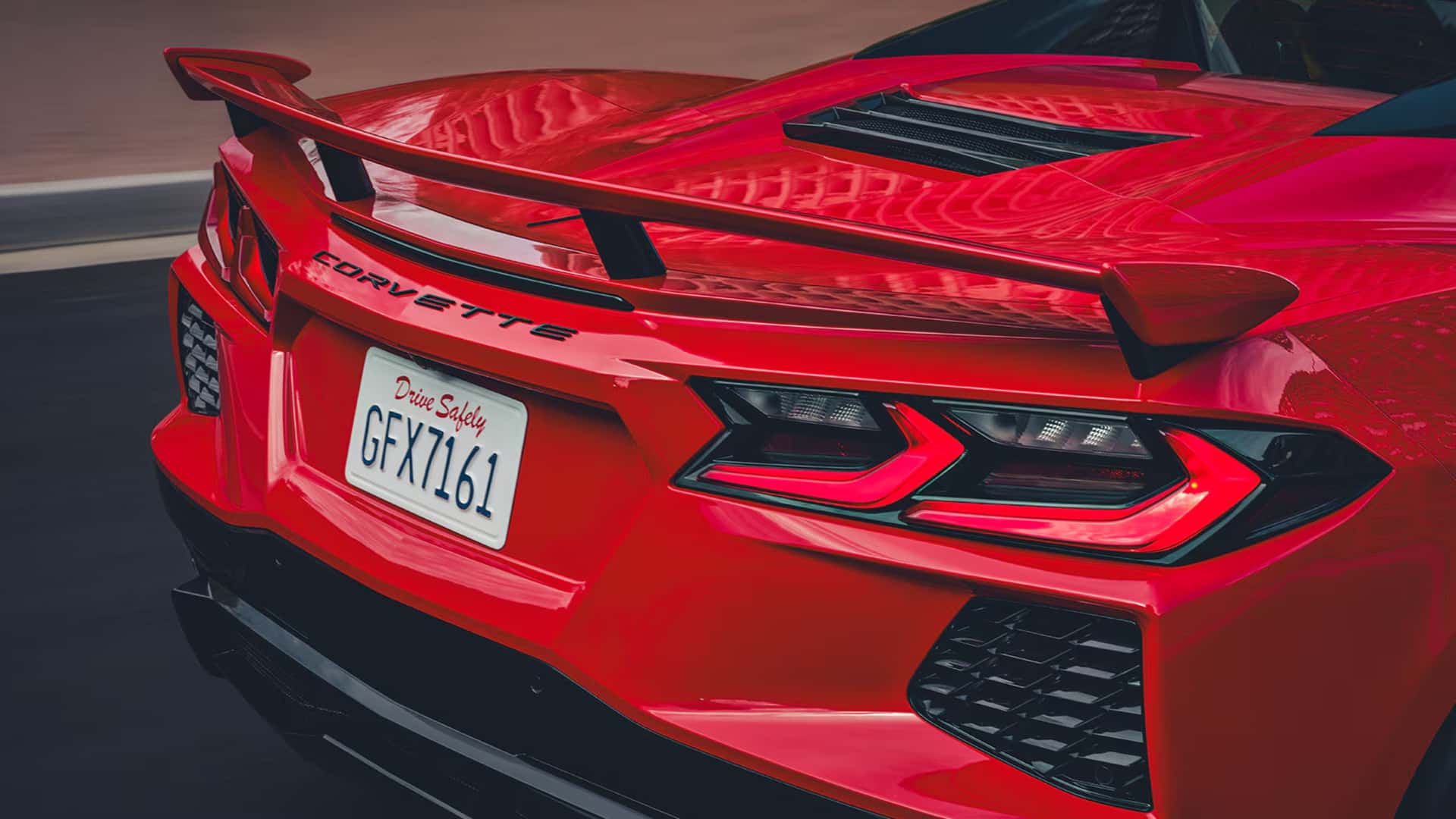
One look at the ES90 and it’s clear why Volvo calls it neither a sedan nor an SUV, but a new class altogether. In place of a traditional three-box sedan, Volvo went with a coupe-like liftback and raised the body above its rivals. It measures 5,000 millimeters (197 inches) long, 1,940 millimeters wide and 1,545 millimeters tall, which makes it about 100 millimeters taller than Volvo’s own S90 sedan.
For all that height, its drag coefficient is just 0.25, the lowest of any Volvo production car, which means more range on a charge and less wind noise in the cabin.
But that shape comes at a cost. When I settled into the driver’s seat and glanced at the rearview mirror, the rear headrests had squeezed the view down to a sliver.
I could make out the car behind me, but little else. Maybe it was the price of that coupe-like roofline. Experienced drivers will adapt, but I suspect beginners will find it nerve-racking.
Once I got moving, the outside world all but disappeared. Barely any road or wind noise reached the cabin. The moment I pressed the accelerator, the ES90 lunged forward, and it was quicker than I had expected. Even at 150 kilometers per hour (93 miles per hour), to me, it felt more like 90 kilometers per hour in my own car.
Given its raised body and 2,405-kilogram curb weight, I braced for body roll in the corners. It never came. In and out of bends, I never felt the car’s height or heft getting in the way.
What the ES90 lacks is personality. If you want a ride that is quiet, safe and still quick, it is your car, but if you’re after dynamism or fun, this isn’t.
Topping with a 92-kilowatt-hour battery, the electric sedan can travel up to 462 kilometers on a single charge, with a rated efficiency of 4.5 kilometers per kilowatt-hour (2.8 miles per kilowatt-hour). After driving about 60 kilometers myself, my dashboard read 17.4 kilowatt-hours per 100 kilometers, or roughly 5.75 kilometers per kilowatt-hour, nearly 30 percent better than the official figure.
My biggest gripe, though, is the very thing Volvo is proudest of: the screen. Almost everything runs through the central display, from the side mirrors and head-up display to the climate controls.
This may look sophisticated, but I found it frustrating to dig through menus for functions I should be able to reach without taking my eyes off the road.
The trunk opens hatch-style and holds 409 liters (108 gallons), which expands to 1,445 liters with the rear seats folded. There is also a 27-liter frunk under the hood.
Prices start at 72.9 million won, which Volvo says is more than 50 million won below European pricing. With Seoul’s EV subsidy and tax benefits, buyers can drive one home for as little as 70.8 million won.
In Korea, a country so smitten with SUVs that it could fairly be called an “SUV Republic,” the ES90 makes a strong case for the sedan, or at least for something close to one. Volvo seems to know it. That may be why it picked this car to win market share, even if every sale costs it money.