In an age when entertainment is increasingly defined by algorithms, content libraries, and audience retention metrics, a new company is positioning itself as a direct response to the status quo.
Rendezvous is more than a production company, media enterprise or film fund. It is the foundation of a new entertainment ecosystem built on the belief that modern entertainment has become creatively risk-averse, algorithm-driven and, most importantly, disconnected from the human experience.
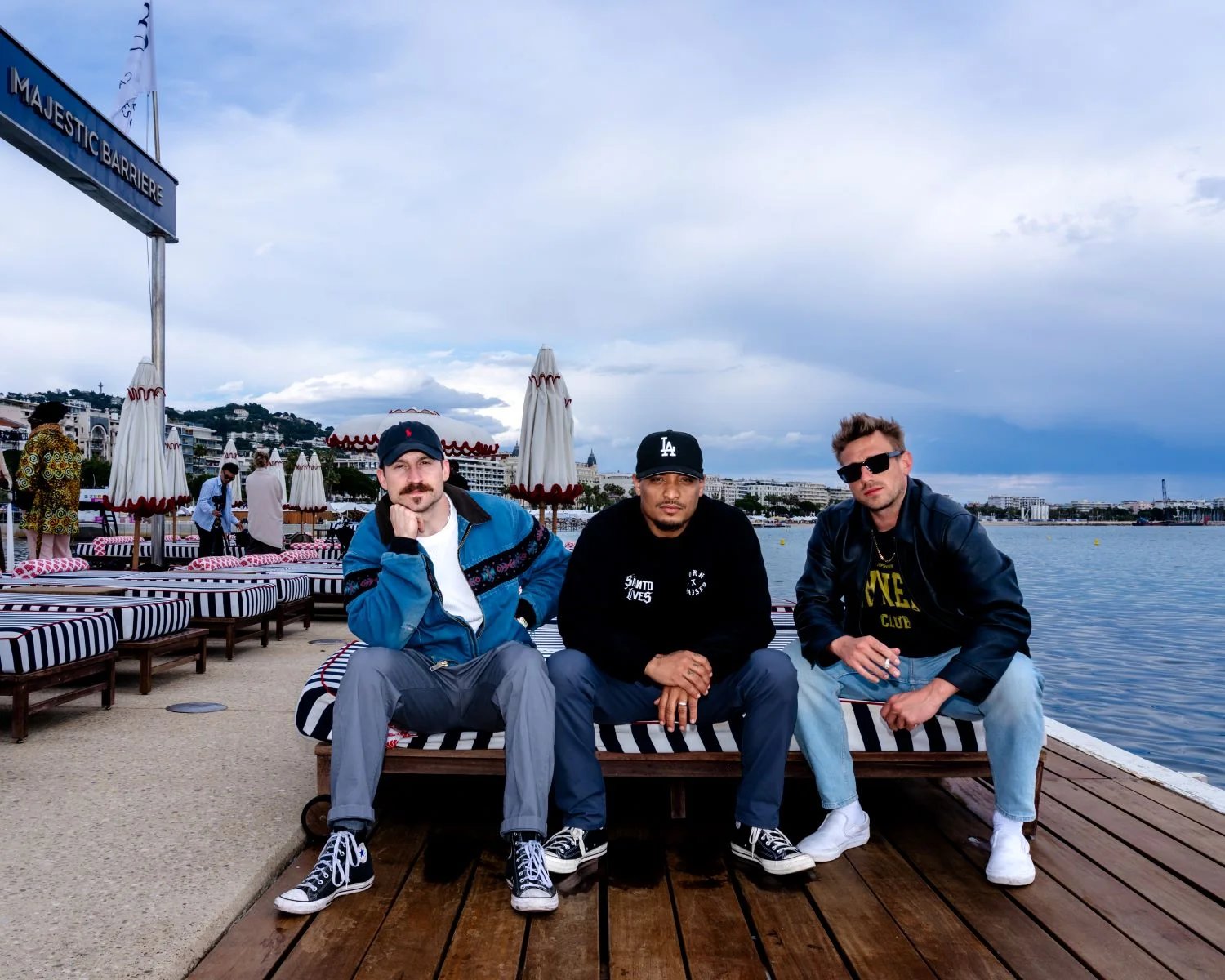
Founded by filmmakers Michael Perrone, Chris De La Rosa, and Slater Wayne, Rendezvous sets out to create a vertically integrated cultural platform where artists and audiences can once again create real communities around storytelling. The company’s ambitions extend far beyond traditional Hollywood structures, to include original film investments, comprehensive cinema destinations, technology platforms, live events, hospitality experiences and production services.
At a time when audiences have access to more content than ever, yet often feel less engaged with it, Rendezvous believes the future belongs to companies that understand culture, identity and community, not just distribution.
Through a slate currently in development, the company has positioned itself as a catalyst for a new generation of storytelling, empowering filmmakers whose voices and perspectives are often ignored by the traditional studio system. The founders argue that many of today’s most compelling stories never progress beyond development because they do not fit within the increasingly narrow parameters of market-tested entertainment.
Rendezvous aims to change that.
At its core, the company exists to reinvigorate film, transforming cinema from a content to be consumed to a culture to be experienced. By protecting elements that the entertainment industry has gradually abandoned, including taste, identity, artistic authorship, and meaningful human connection, Rendezvous seeks to be the fulcrum between film and finance that many independent filmmakers believe is missing.
Rather than treating films as products designed solely for consumption, the company sees storytelling as a cultural force capable of bringing people together. It’s a philosophy that informs every aspect of the business, from development and financing to events, hospitality and audience engagement.
Michael Perron: the creation of a cultural institution
As co-founder and CEO, Michael Perrone serves as the driving force behind Rendezvous’s long-term vision.
A filmmaker, entrepreneur and creative strategist, Peron has spent years at the intersection of cinema, culture and technology. Through Rendezvous, he has sought to create a company that blends original filmmaking with hospitality, live experiences, and digital innovation.
Driven by the core belief that storytelling should be felt rather than merely consumed, Perron champions experiences rooted in culture, emotion and human connection. Under his leadership, Rendezvous has begun to develop an entertainment ecosystem that extends beyond traditional production models, to include original film financing, immersive cinema centers, global cultural activism, and emerging technology initiatives.
For Perrone, the future of entertainment belongs to companies that understand not only content but also identity. He believes audiences are increasingly looking for experiences that reflect who they are, what they value and the communities they want to connect with.
His vision extends far beyond making successful films. It is about building a sustainable cultural institution capable of redefining the way stories are discovered, experienced and shared in the modern age.
Chris De La Rosa: Defining Culture
As Co-Founder and Creative Director, Chris de la Rosa is responsible for shaping Rendezvous’s cultural identity and artistic vision across every platform.
A multidisciplinary creative whose work draws inspiration from cinema, music, fashion and contemporary culture, De La Rosa approaches storytelling through a broader lens than traditional entertainment marketing. Their philosophy is rooted in the idea that the most influential brands don’t just create content, they create worlds.
From campaign development and experiential activations to cinematic world-building and creative partnerships, De La Rosa’s work is guided by a commitment to creating moments that are both visually impactful and emotionally resonant.
Under his creative leadership, Rendezvous has developed an identity that seeks to blur the boundaries between entertainment, lifestyle and culture. The company sees itself not just as a studio but as a cultural brand capable of influencing how audiences experience stories on and off the screen.
De La Rosa believes the future of entertainment belongs to brands that inspire participation rather than passive consumption. Through their work, Rendezvous aims to establish a bold and unmistakable presence at the forefront of contemporary culture.
Slater Wayne: Building infrastructure for growth
While creative vision often attracts attention, sustainable growth requires operational discipline. This responsibility lies with co-founder and chief operating officer Slater Wayne.
Wayne brings an execution-focused approach to the rapidly growing Rendezvous ecosystem. With experience in production logistics, creative development and organizational expansion, he is instrumental in transforming ambitious ideas into sustainable enterprises.
At Rendezvous, Wayne oversees strategic growth initiatives, operational systems, and the development of infrastructure that the founders believe will create a new era of entertainment. His ability to navigate both creative and business environments has made him the structural backbone of the company as it grows into a global platform.
Focusing on sustainable growth, operational excellence and long-term impact, Wayne is committed to ensuring that Rendezvous is not only culturally impactful but built to endure.
betting against the algorithm
Rendezvous enters the industry at a time when audiences are demanding more than content libraries and recommendation algorithms.
People are searching for meaning, curation, identity and authentic experiences. The founders believe that the future of entertainment will not belong to the companies with the largest databases. This will belong to companies that understand the culture before they understand the culture.
For decades, major entertainment platforms have trained audiences to consume endlessly while feeling less and less engaged. Rendezvous aims to reverse this completely.
This is not disruption for the sake of disruption. This is a direct response to an industry that has become too comfortable mistaking convenience for artistry and scale for taste.
The company argues that the next generation of entertainment businesses will not be built in boardrooms by executives studying retention metrics. These will again be created by creators, communities and organizations willing to take emotional risks.
In a world where technology is increasingly shaping culture by promoting homogenized content consumption, Rendezvous aims to reshape the industry from the ground up by giving filmmakers more artistic freedom. It represents a philosophy that rejects the notion that one model can be suitable for every creator or every audience.
The founders believe that storytelling thrives not through formulas but through personality, experimentation, and personal vision.
Whether through original film financing, immersive destinations, hospitality ventures, live cultural events, or futuristic technology platforms, Rendezvous is striving to build an entertainment company designed for a different era, where audiences are treated not as data points but as participants in culture.
The company may be young, but its ambitions are substantial.
At a time when many are questioning where entertainment will go next, Rendezvous is betting that the answer lies not in producing more content, but in creating more meaningful experiences.
If the last decade was of platforms, the founders believe the next decade could be of culture.
And Rendezvous intends to be at the center of that conversation.