Published July 10, 2026 03:04 pm
I arrived in Kalispell, Montana and I needed a plan. Originally, I intended to go backpacking in Glacier National Park with my partner. However, due to a permit issue – read: I found out we didn’t have one – we needed to find an alternative.
Luckily for us, a friendly local suggested we try a trail called Stall Creek in the nearby Ten Lakes Wilderness Study Area. It was about an hour’s drive north, on the Canadian border, opposite the town of Whitefish. Atop Staal Peak is a historic fire lookout cabin that backpackers can stay on a first-come, first-served basis, locals said. The best part was that it was an area where there were almost no tourists. Hence, the chances for us to get a cabin were high.
That last part sold me. We loaded up the truck and headed north toward the Ten Lakes Wilderness Study Area and the Stall Creek trailhead.
Ten Lakes Area: Public Lands in the Far North
Preserved since the 1960s, Ten Lakes Scenic Area Kootenai National Forest covers 14,945 acres—smaller than its more famous, million-acre neighbor, Glacier National Park. The use of vehicles and equipment is strictly prohibited in this area, so you will not encounter any type of OHV. Because this is a wilderness study area within a national forest, you don’t even need a permit to camp overnight.
I visited in June, when daylight lasts until late evening, and humidity is high in the temperate rainforest inland of the region. Below treeline, vegetation is dense, almost impenetrable, with western redcedar and hemlock trees, devil’s thumb bushes, skunk cabbage, and ferns. Mosses and lichens carpet rocks and tree trunks, and mushrooms grow out from their bases. The air is thick like inside a greenhouse.

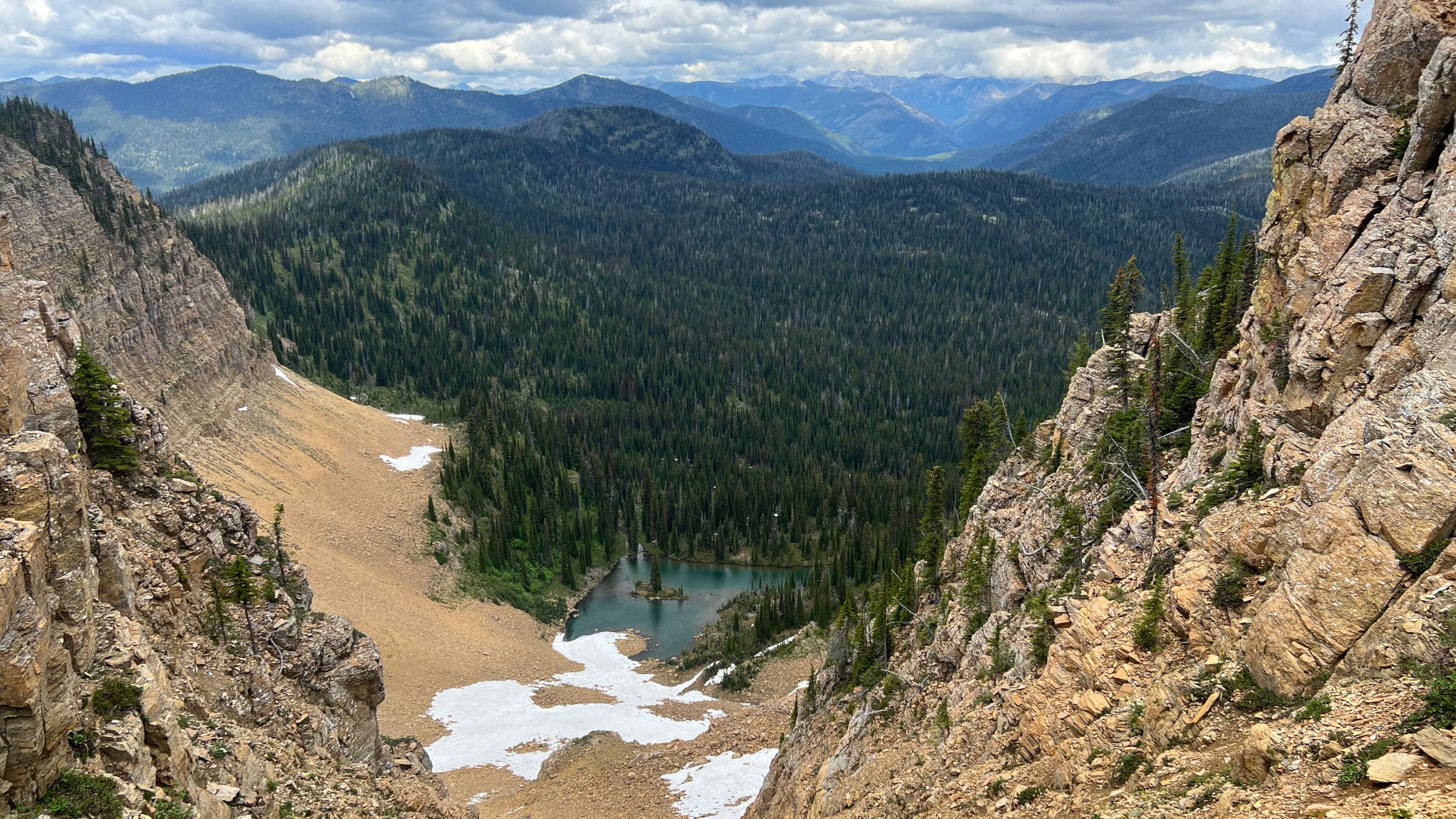
Above the treeline, you’ll get spectacular views of the Whitefish Mountains, stretching north to Canada and south to the town of Whitefish. The peaks, valleys, scallops and cirques were carved millions of years ago by giant glaciers that have long since retreated or melted completely.
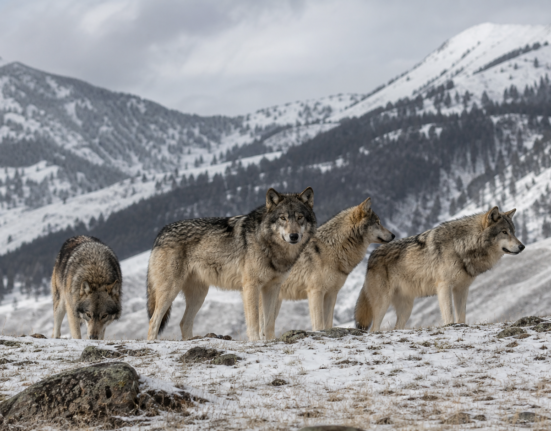
Ten Lake is also home to a variety of wildlife – both large and small. Grizzly bears, white-tailed deer, moose, pronghorn, cougars, lynx and wolverines roam the backcountry. Backpacking in the area requires bear canisters and bear safety practices.
There are more than 10 lakes here. Almost every cirque has its own alpine lake, stocked with cutthroat, rainbow and brook trout.
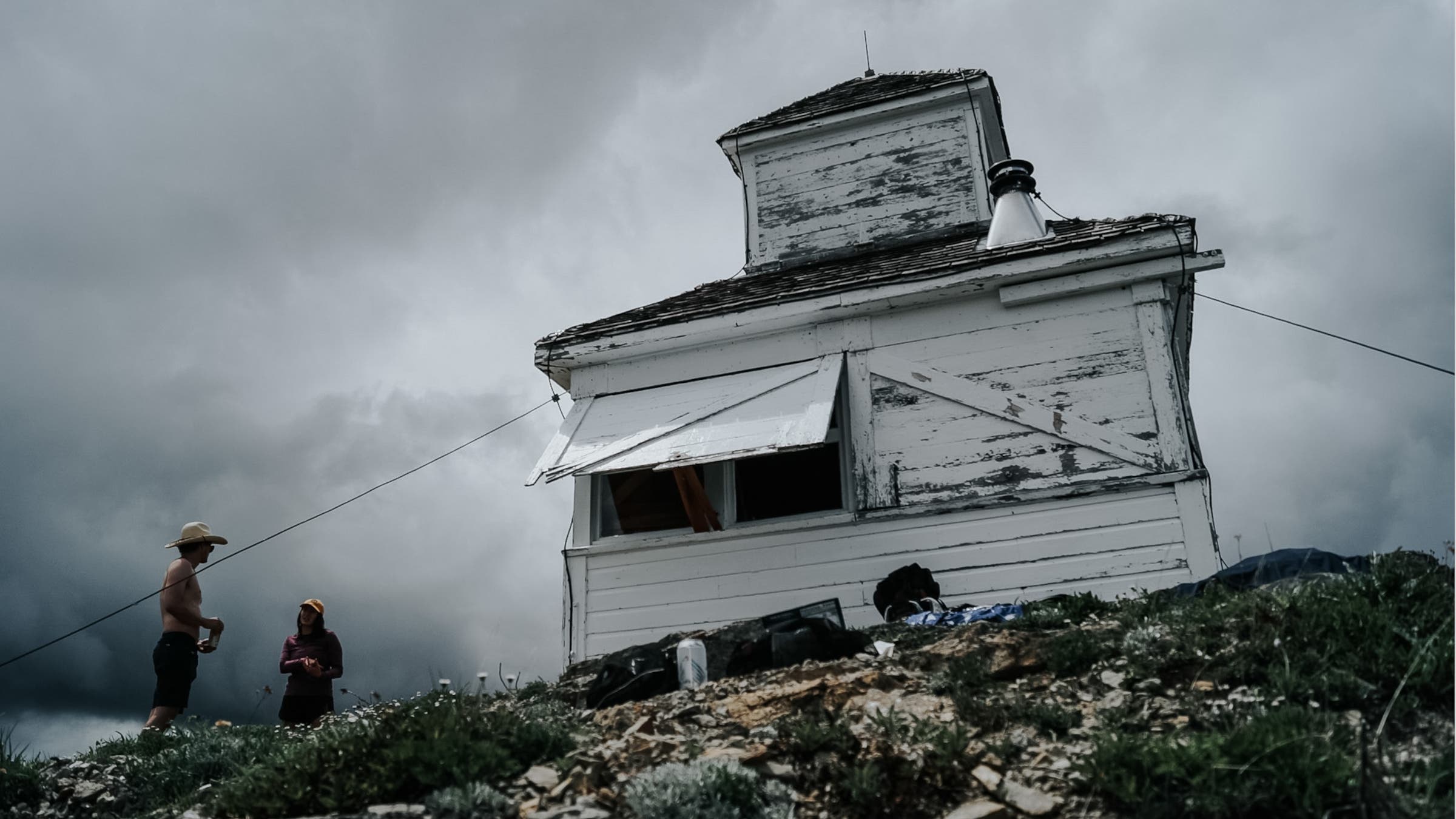
Hike to Staal Peak Fire Lookout
The Stall Creek trailhead is 9 miles to the fire lookout. However, there are other ways you can combine it to create a longer itinerary (more on these in the next section), and others you can explore.
Knowing we only had a 4.5-mile hike to the lookout, we started around noon (big mistake). The hike starts in the rainforest and climbs up, passing through the trees to reach rocky slopes, giving sweeping views of the surrounding mountains. With an elevation gain of 2,440 feet, it’s a challenging trail, and I sweated a lot. Afternoon storms are common in the area, so check the weather and start your hike early if there’s a chance of rain.
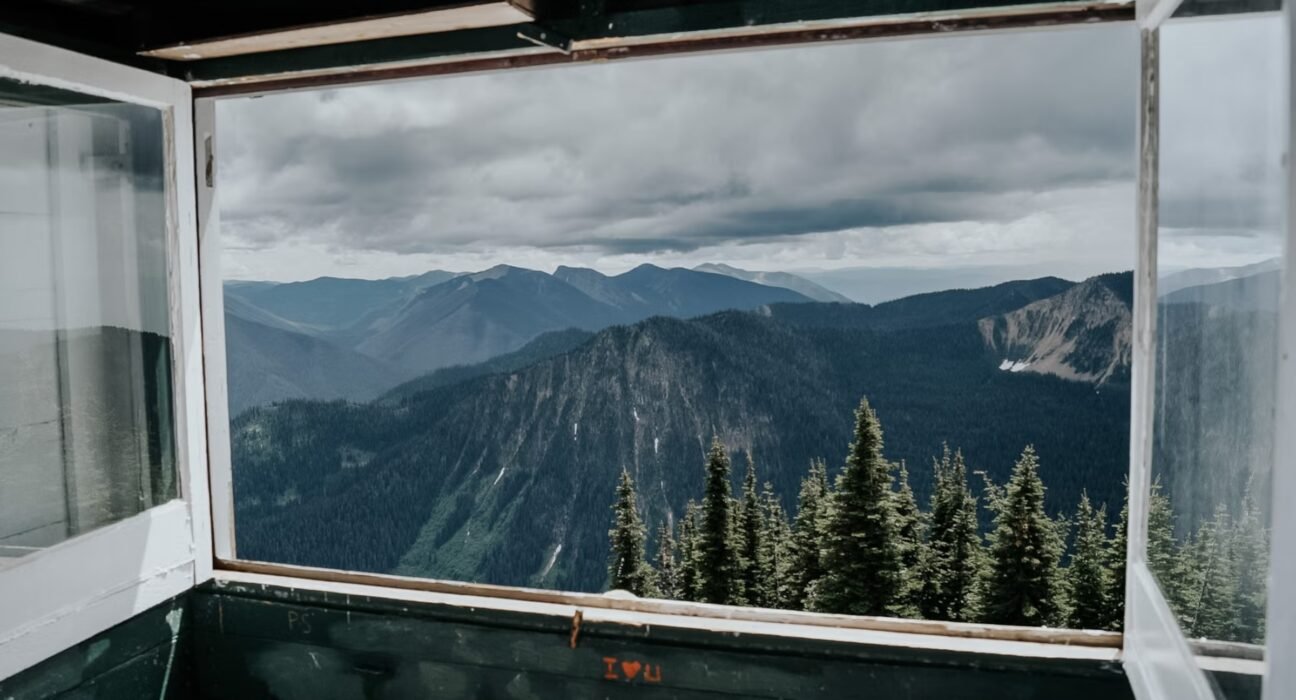
If you’re hoping to sleep in on a fire watch, it’s a good idea to get an early start anyway. It is a small, simple structure built in 1926, and was in use until the 60s. Since then, it has become a landmark for day trippers and a sleeping spot for backpackers. It has a desk shelf, large open windows, a loft and two sleeping platforms. As my local Kalispell friend mentioned, it is available for camping on a first-come, first-served basis.
Because we were in no rush to get there, another group of hikers (the only other group I saw on the trail all day) trailed us by only a few minutes. We stopped anyway, and had some short conversation, ate some snacks and enjoyed the gorgeous views of the west. To the north, the Canadian border is less than 10 miles away.
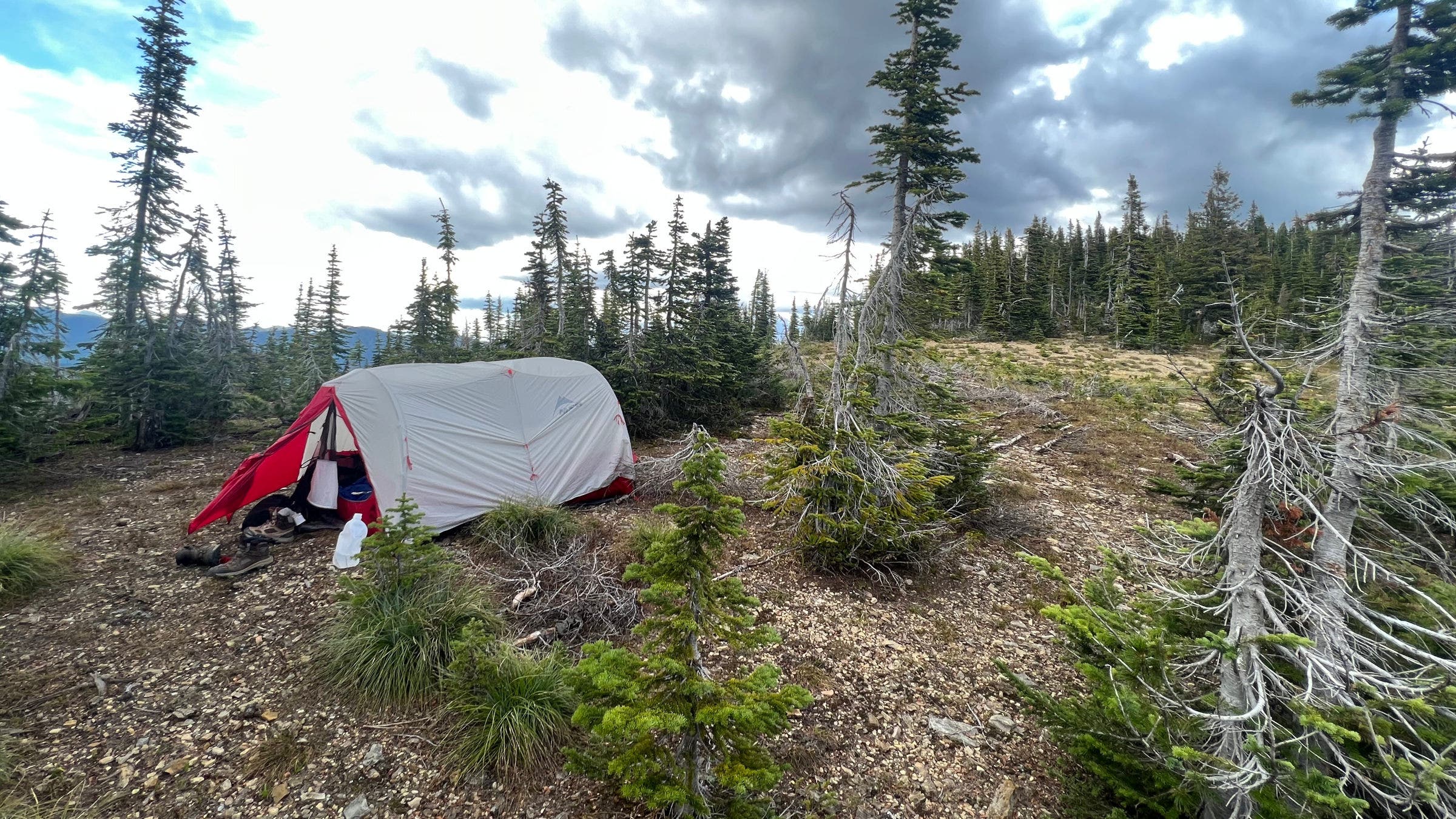
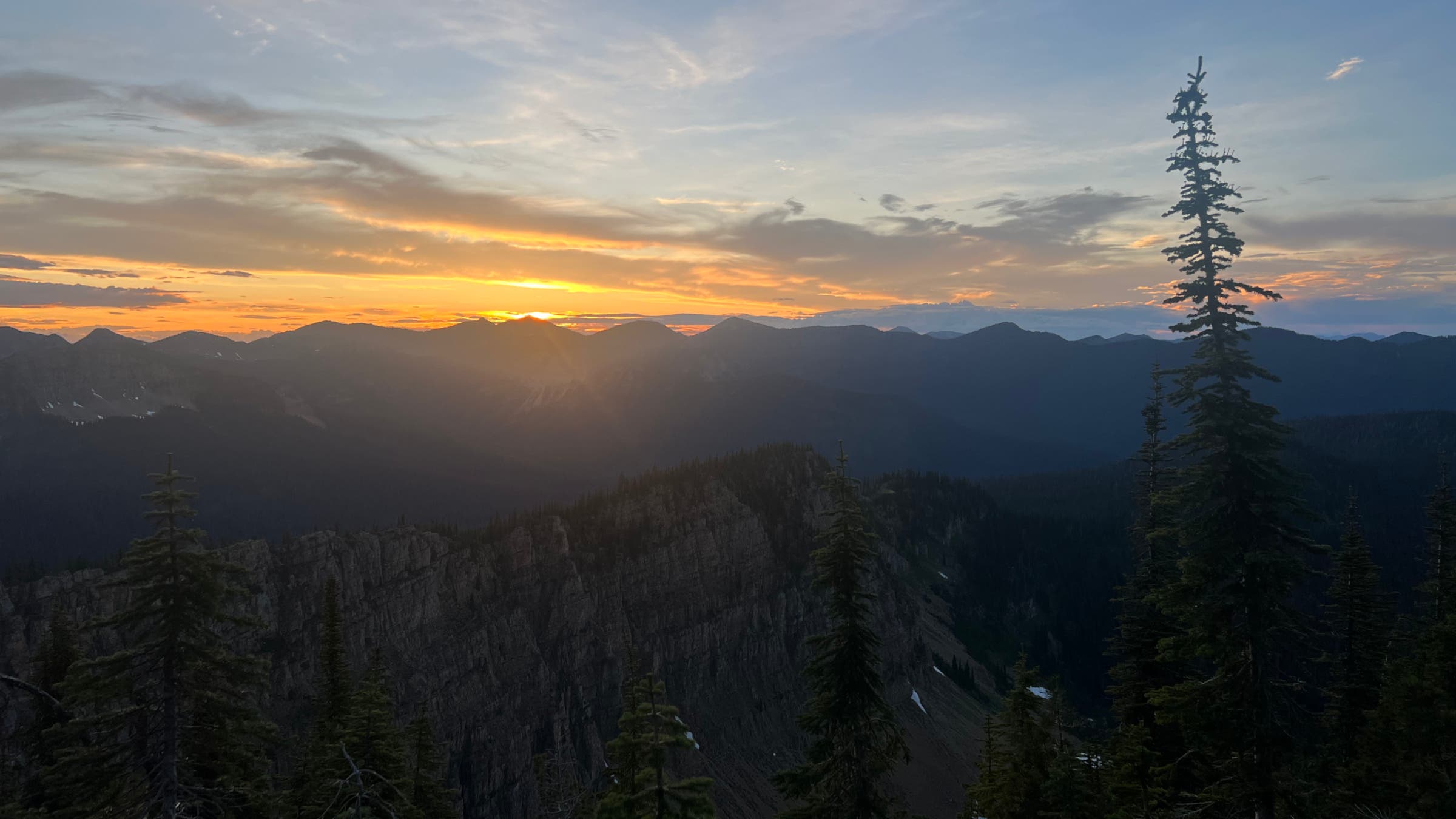
I was disappointed that we missed sleeping at the lookout, but, thankfully, as a Wilderness Study Area, individual camping is allowed. We found a good spot to watch the sunset, set up camp, found a spot away from the tent for our meals, and set up a third spot to cook dinner (security and all that).
Due to the long summer days in this part of America, the slow sunset lasted about an hour. It didn’t get completely dark until after 10pm – an ideal bedtime to curl up in the tent with your books and fall asleep.
Other trails in the Ten Lakes area
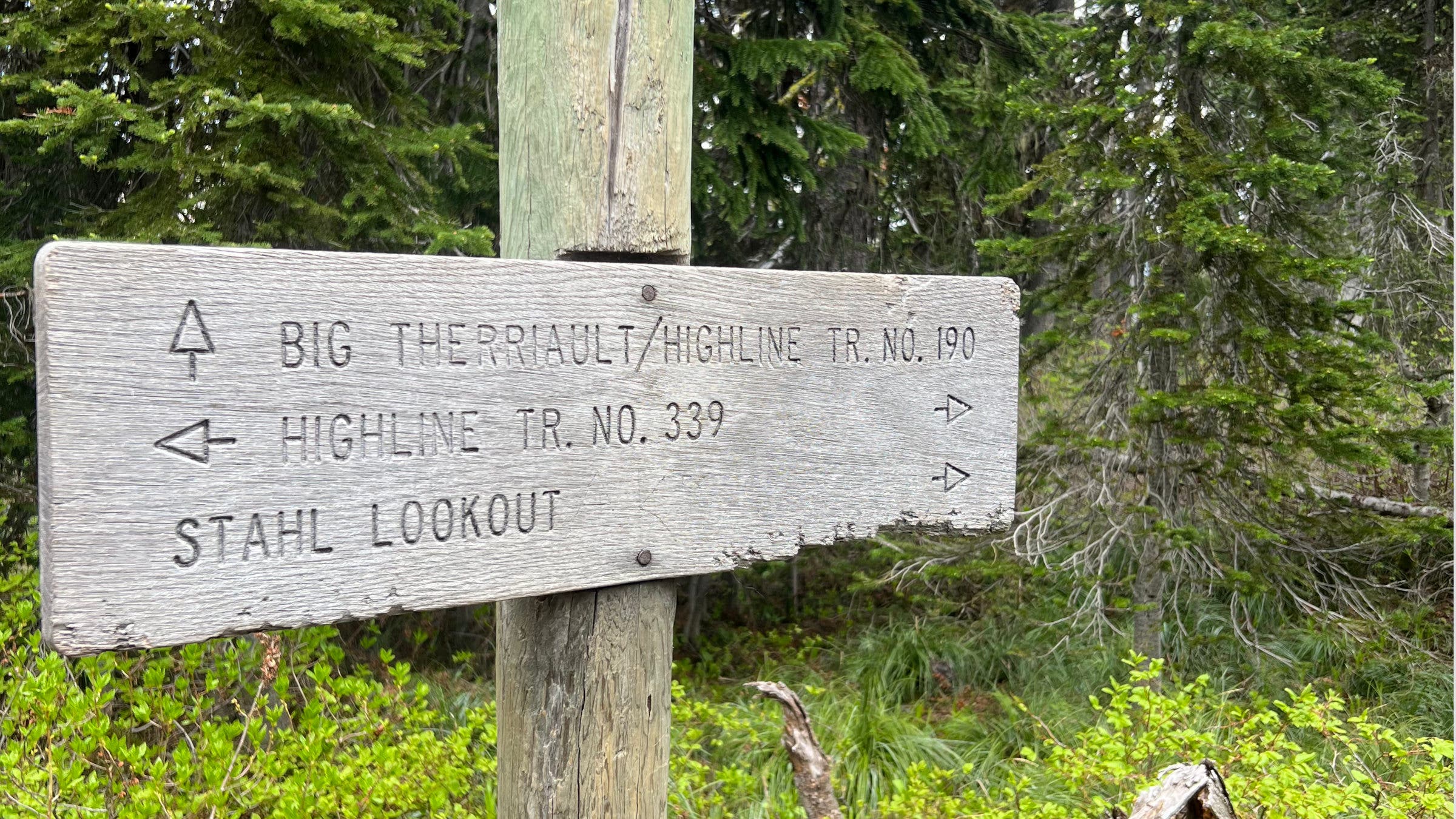
If you want to extend your backpacking trip into the 10 Lakes Wilderness Area, you have options. The most important of these is the Pacific Northwest Trail (PNT), which passes just west of Stall Peak and continues north to the Canadian border, before crossing into Idaho and eventually Washington. You can easily access this trail from Stall Peak (in fact, if you access Stall Peak from the west trailhead, you will be hiking on the PNT for a short time).
You can also connect with the Theriault Pass Loop Trail from Big Theriault Lake, a 4.9-mile trail that actually starts on the PNT just west of Stahl Peak. It descends from Theriault Pass to Big Theriault Lake, circles the lake, and then climbs back up to the PNT. You can possibly start your hike at this lake for a different viewpoint to the Stall Peak Fire Lookout.
If you want to visit the less popular Little Theriault Lake from Staal Peak, head west, stay on the PNT and proceed past the turnoff for Big Theriault Lake. Continue on the PNT until you see the turnoff for Little Theriault Lake on the right and get off.
Both Big and Little Theriault Lakes have established campgrounds with potable water, vault toilets, and food storage boxes.
Best time for hiking
Summer (June to September) is the best time to visit the Ten Lakes Wilderness Study Area. This part of Montana receives a lot of snow in the winter. It would not melt completely until June, and if it were a big year, parts of the trail could remain covered until July.
We were really lucky with our timing. June is the earliest month to trek here, as snowfall is almost certain. During my walk I could see snow, and crossed a small portion of it, but never a hindrance. If we had tried to do the hike in May, this probably wouldn’t have happened.
July and August will be hot and humid, but with little chance of snow. September is a good time to visit this region, as temperatures become cooler. However, you won’t have that long sunset that lasts until 10 p.m.