We may receive commission on purchases made from links.
Molds are everywhere and can grow wherever there is moisture, heat, and a food source. They can move just as quickly and unexpectedly into your home and cause damage to your car. And when you really think about it, car interiors provide the perfect environment for mold spores to grow and form those nasty clumps of white, green, or black colonies on your ride’s dashboard, seats, door panels, roofs, and carpets.
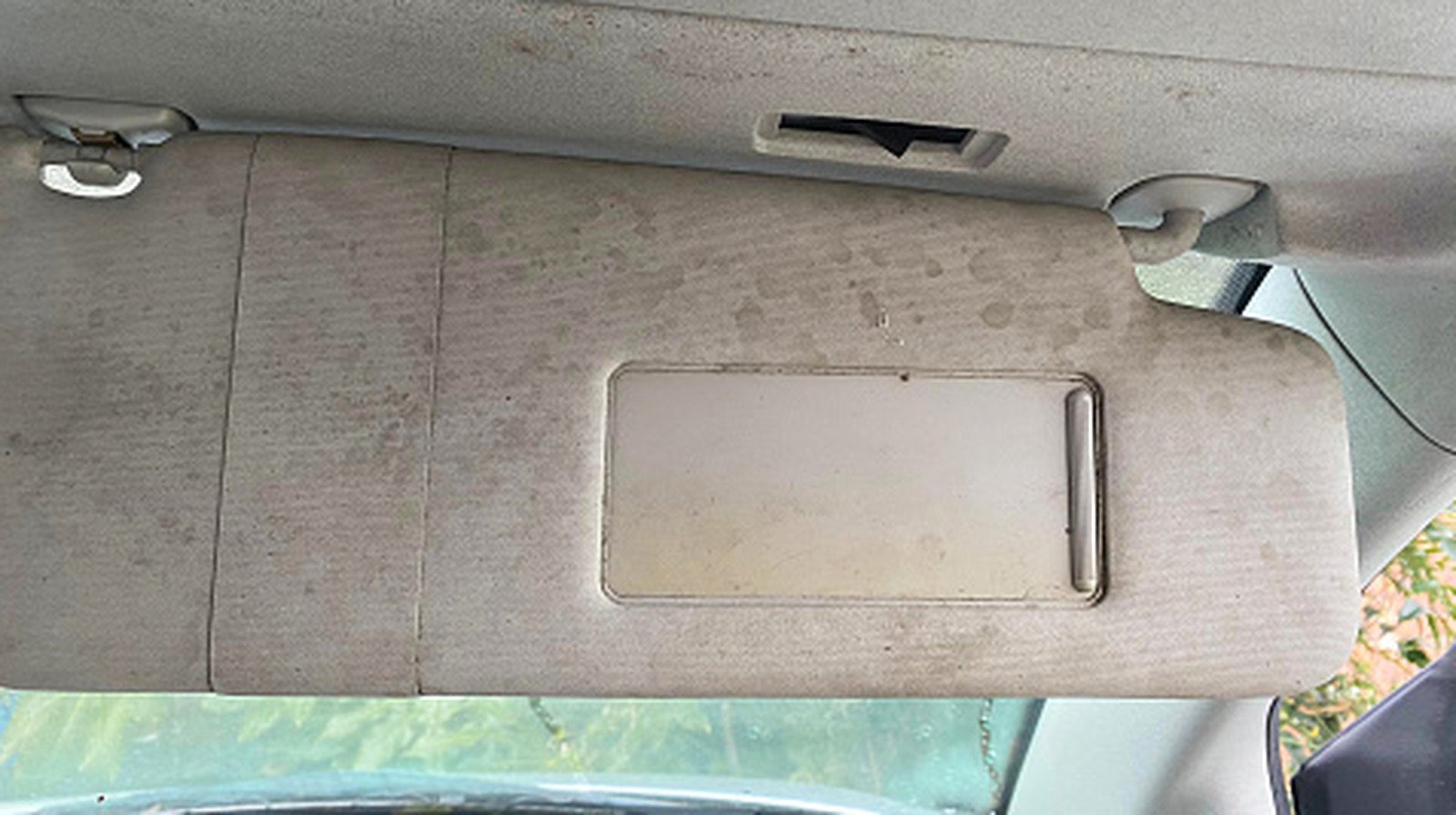
Mold spores are microscopic and not visible to the naked eye, making them almost impossible to quickly identify and attack with cleaners and towels. The good news is that a fungal infection will leave both visible and non-visible signs. In the absence of white, brown or black spots, the most obvious sign of mold is an offensive, earthy, musty smell coming from behind the seats, carpets or dashboard, which hits you most when you turn on the A/C. The smell is reminiscent of caked socks inside a wet, dirty shirt, or sneakers left in the trunk.
If the foul smell doesn’t set off alarm bells, persistent sneezing, coughing, wheezing, sinus infections, skin rashes and eye irritation will. If you experience them only when you’re inside the car, these symptoms may indicate mold growth. Other than this, Centers for Disease Control and Prevention (CDC) points out that exposure to indoor mold can cause upper respiratory tract infections (in otherwise healthy individuals) and the development of asthma in some children. Fortunately, preventing mold is as easy as ridding the cabin of excess moisture, but fighting it is more than just vacuuming and eliminating it.
Regular cleaning prevents mold
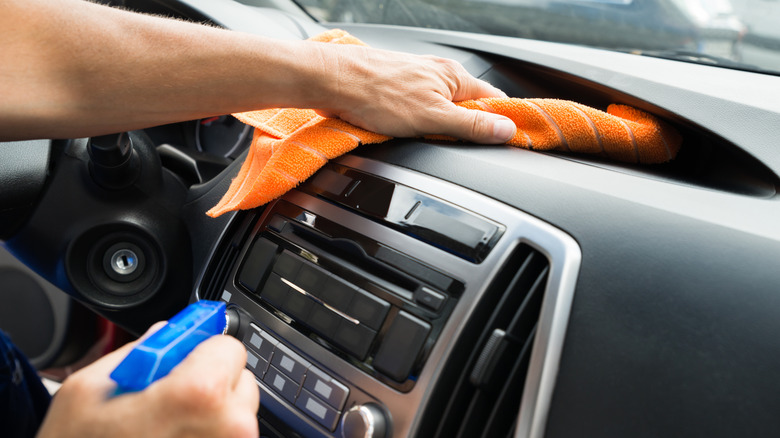
Regular vacuuming, mopping and cleaning of carpets, seats and your car’s interior in general is the most effective way to prevent mold growth. Mold spores need just a little moisture to grow, they feed on organic materials like paper, cloth, wood, soil, dead skin cells, hair and pet dander. In case you haven’t noticed, all organic matter can be found inside a car, so a clogged sunroof drain, a window left open in the rain, moisture from wet shoes, or a drink spilled on the carpet are the final ingredients for an inevitable mold infestation.
Removing organic matter and moisture from the cabin will stop the mold spores from dying. Firstly, clean and dry liquids spill immediately. Allowing them to soak into carpets and seats will cause the liquid to seep deeper into the fabric, making them harder to clean, taking longer to dry, and causing fungus to grow faster. Make a habit of vacuuming floors, carpets, mats and seats to get rid of organic materials that mold spores can grow on. Use anti-mold cleaners such as Concrobium Mold Control To clean visible mildew stains and prevent them from coming back. When doing this, spray the liquid directly, let it soak in for a few seconds, and wipe off the excess with a damp microfiber towel.
Meanwhile, foul smell coming from car A/C is a sure sign of mold and mildew. First check the cabin filter and replace it if necessary, as a bad old filter may cause foul smell. If that doesn’t work, have the A/C checked by a professional.
The right tools will combat mold growth
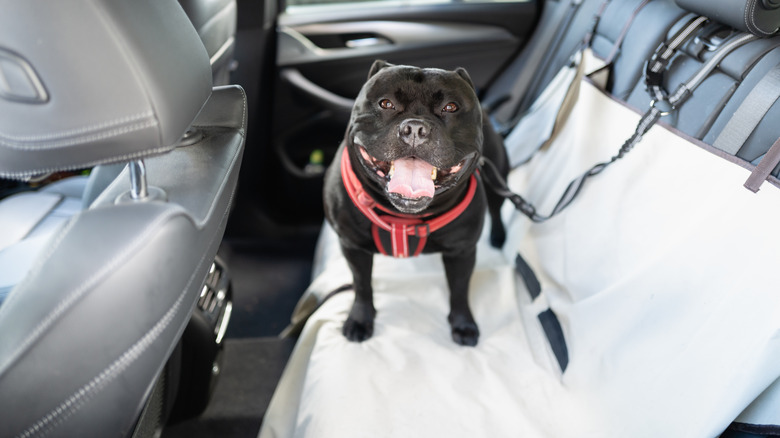
Regular cleaning and disinfecting will go a long way in fighting mold growth. Additionally, using seat covers and rubberized floor liners will help fight mold growth. Remember the part about mold spores needing food and moisture to grow? If you cut down on what you feed them, you won’t have to deal with a nasty (and possibly expensive) infestation later on.
Seat covers are removable, easy to clean, and can protect the factory fabric or leather from spills, scratches, and mildew spores. School-going, frequent driving or family vehicles carrying pets are ideal candidates for seat covers. Or use a waterproof pet hammock such as Mancro Dog Seat Cover To protect factory upholstery from dirt, pet hair and mud.
Meanwhile, rubberized floor liners are non-absorbent and can trap moisture, water, mud and snow, helping prevent stains on carpet. They are also easier to clean than cloth or fabric mats because you can hose them off and/or wipe them dry with a cloth, leaving no chance for mold spores to settle and grow in wet carpets.