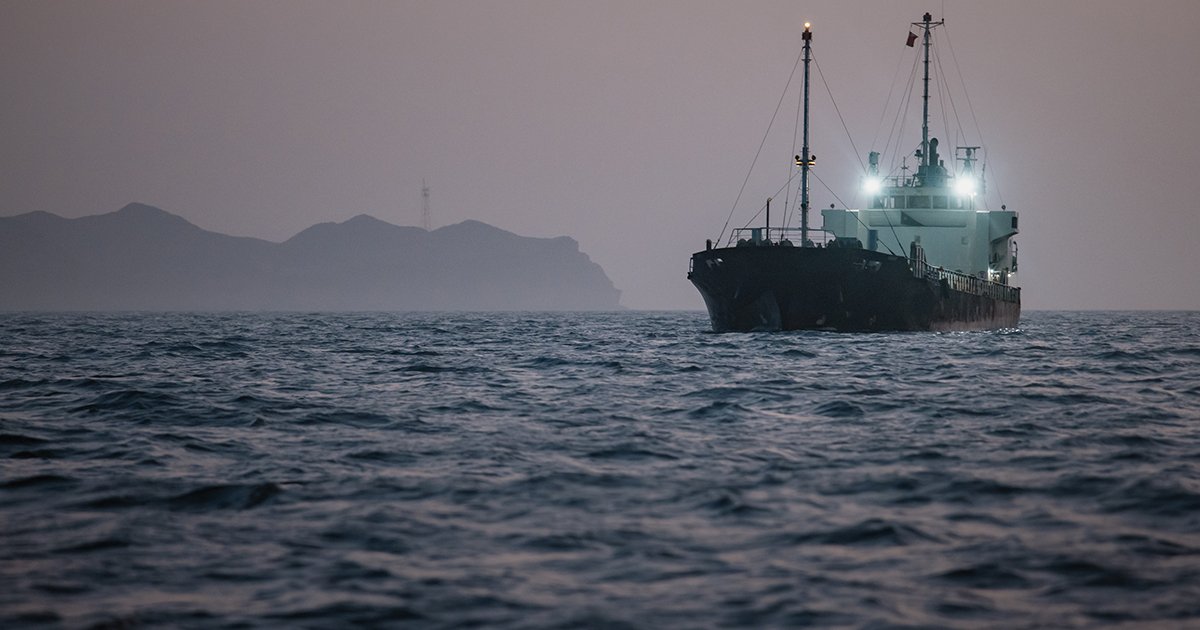
A tanker moored near Port Sultan Qaboos in Muscat, Oman, on June 21. (Elke Scolliers/Bloomberg)
key takeaways:
- A surge in oil cargoes through the Strait of Hormuz, reopened following the US-Iran deal, has triggered oversupply and weak markets across Europe and Asia.
- Excess supply from Middle Eastern exports and weak Chinese demand have pushed prices lower, with Angolan crude selling for about $10 below Brent and prices falling below $75.
- Markets now face the prospect of continued oversupply, although low global inventories and restocking requirements may absorb some of the excess and leave the system vulnerable to new disruptions.
Key parts of the oil market have been hit by sudden supply shortages as cargo flows through the Strait of Hormuz surge following a US-Iran deal to open the waterway.
Even before the deal, a combination of strategic inventory releases, a decline in demand from top buyer China and the exit of a large number of tankers in the “dark” from the Persian Gulf had contributed to slightly oversupply in some key markets, traders said.
Now, markets across Europe and Asia are weakening as buyers find themselves inundated with offers for cargo. In one of the most dramatic examples, Angolan crude – a grade usually snatched up by China – is selling at the biggest discount in more than a decade, sometimes changing hands at around $10 a barrel below the global dated Brent benchmark. More broadly, traders say some Chinese refiners are actually offering oil cargoes for sale, contrary to the normal flow.
The discount in Angola shows how the global physical oil market has gone from being tight to flashing signs of oversupply in just a few months. Middle Eastern crude has been trading bearish since mid-month, indicating oversupply, and the global Brent benchmark reversed course on June 24, as benchmark prices fell below $75 a barrel for the first time since the war began.
“You actually get a discount on buying a barrel now versus yesterday because of the weakness of the Asian pressure on Middle Eastern grades,” Dan Struyven, co-head of global commodities at Goldman Sachs Group Inc., said in a Bloomberg TV interview. “Reopening is going well and fast.”
In early April, the price of Dated Brent, the world’s most important physical oil benchmark, hit a record high above $140. The surge was caused by panic buying by processors around the world due to the Iran war. Now, the value of that same gauge has almost halved and is close to the same level it was at when the war began.
The decline brings back the possibility of a significant oversupply that was expected to dominate oil markets this year, with the International Energy Agency last week predicting a significant surplus in 2027. Still, much of the oil market’s success in solving the supply disruption problem through the Strait of Hormuz has come at the expense of inventories that will need to be replenished, potentially sucking up some of that oversupply.
Even before the US-Iran interim peace deal, millions of barrels per day had quietly begun entering global markets, with supplies from the UAE and Kuwait and the help of the US military.
The United Arab Emirates in particular increased dark shipments sharply during the war, and the IEA estimated this week that its total oil exports reached about 85% of pre-war levels by early June, before the agreement to more formally reopen the strait.
Before the US-Iran deal was signed, at least one trader actively involved in dark transit said privately that they were withdrawing from the complex and expensive trade because the oil was not needed.
For the last few days, the flood of trapped oil is also coming out. Iran shipped 30 million barrels to Asia before the US issued a 60-day license to allow it to sell oil on the international market, while companies that had not previously transited the waterway – including Saudi tanker giant Bahri – are busy freeing stranded barrels.
In recent weeks, the UAE has sold about 60 million barrels of crude produced inside the Persian Gulf in a series of tenders for the coming months, each time putting further pressure on Middle Eastern oil prices.
As a result, millions of barrels are now headed to Europe that would normally be destined for Asia. At least six supertankers carrying a combined 12 million barrels of crude from the United Arab Emirates and Oman are scheduled to reach Europe next month, Bloomberg previously reported.
Nigeria’s giant Dangote refinery also took shipments from the United Arab Emirates for the first time, showing how the supply increase is being met by new markets.
Of course, dangerously low reserves levels in some parts of the world make markets extremely sensitive to shocks and fresh disruptions.
US crude inventories, including strategic reserves, are currently at the lowest level since 1984, while stockpiles at the key pricing center of Cushing are also near operating minimum levels. The result was that US prices became stronger relative to the rest of the world, reducing demand for exports.
Elsewhere, however, signs of short-term weakness abound.


Eaton’s Jason DiNardo and Leah Bogle address common misconceptions about automated manual transmissions and examine what today’s drivetrain service environment requires. Tune in by going above or RoadSigns.ttnews.com.
The North Sea market was trading at a discount to Brent futures this week – a sign that supply is abundant in the region that sets the global benchmark. Selling of derivative contracts has been dominated by trading houses and physical oil companies in recent days, according to data compiled by Bloomberg.
Angolan grades, which are often “medium density” crude – and resemble the flood of barrels coming out of the Persian Gulf – have been particularly depressed.
“Asian refineries are already well-supplied through August, and the quick barrels released from the Strait of Hormuz should add to the balance without adding to China’s demand,” said June Goh, a senior oil market analyst at Sparta Commodities.
Written by Alex Longley, Yongchang Chin, Sherry Su and Archie Hunter