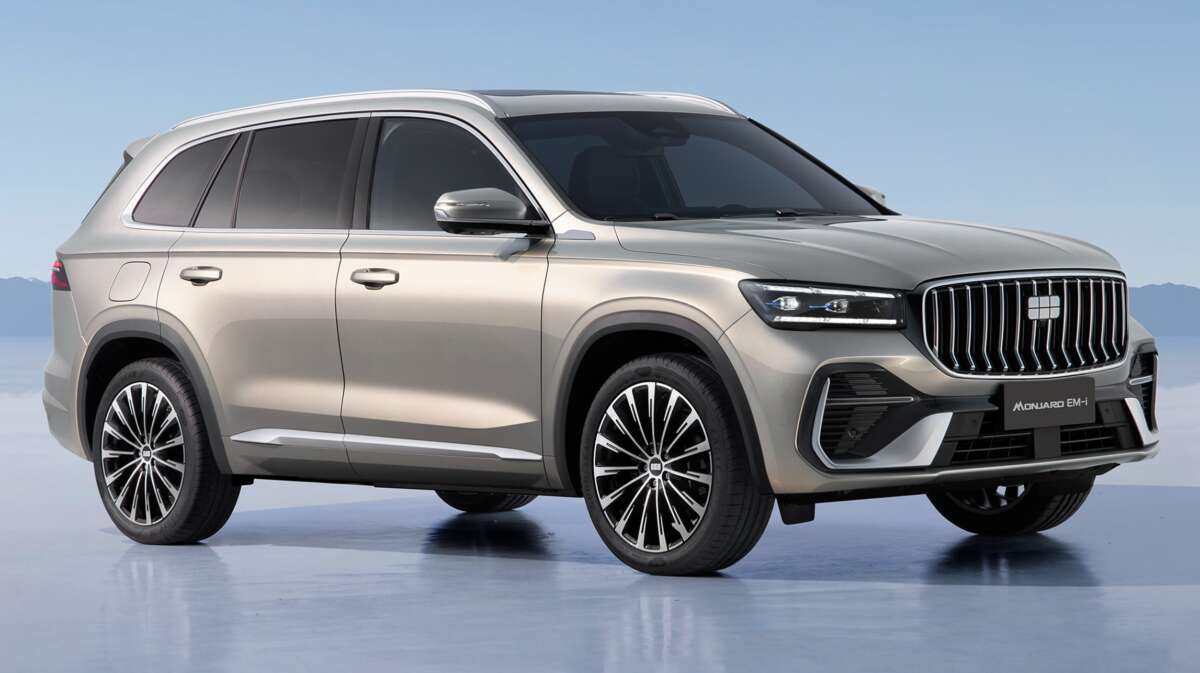
Chinese carmakers are preparing to export around 12 million vehicles in 2026, according to an industry forecast. Behind that ambitious target is a problem at home: domestic passenger-car retail sales fell 22% in the first nine months of the year, while factories have enough capacity to build far more cars than local customers are likely to buy.
China has become one of the world’s strongest producers of electric cars, batteries and plug-in hybrids. Yet a fast-growing manufacturing base does not guarantee that every factory will find buyers. Increasingly, Chinese automakers need customers in Europe, South America, Southeast Asia and other markets to keep their production lines busy.


Figures from the China Passenger Car Association show that domestic passenger-vehicle retail sales dropped to 13.46 million units during January-September 2026, a fall of 22% from the same period a year earlier. September alone saw retail sales decline by 28%, to around 1.6 million vehicles.
These are retail sales to customers within China
These are retail sales to customers within China. The broader wholesale figures, which include vehicles shipped for export, tell a less severe story. Official industry data show that Chinese passenger-vehicle wholesale sales declined 6.1% to 19.96 million units in the first nine months. Mixing the two measures would make the market look either healthier or weaker than it actually is.
The sharp retail decline has several causes, including weaker consumer confidence, high fuel costs and a comparison against last year’s buying rush ahead of changes to incentives. At the same time, shoppers have an extraordinary number of models and brands to choose from, so an individual manufacturer can struggle even when its products are competitive.


According to research cited by The Wall Street Journal, China’s light-vehicle factories have combined annual capacity of around 63 million units in 2026. This is more than three times the number of vehicles domestic customers are expected to buy this year. Capacity is not the same as actual production, but the gap shows why manufacturers are under pressure to fill plants with overseas orders.
The electric-vehicle boom attracted investment from technology companies,
The electric-vehicle boom attracted investment from technology companies, established carmakers and local governments. By the end of 2025, China had 143 electric-vehicle brands that had sold at least one vehicle, according to consultancy AlixPartners. Not all of them have a realistic route to profitability.
One striking example is Skyworth Auto. Its main plant was described in 2021 as capable of making 1,00,000 cars annually, but the company sold just 660 vehicles in China during the first nine months of 2026. Such figures explain why overseas sales can look attractive even to companies with very little demand at home.

Companies with underused plants have two immediate choices: reduce output or try to sell more vehicles through discounts. The second route has led to a punishing price war. Consultancy AlixPartners estimates that vehicle prices in China have fallen by almost 20% since the beginning of 2023. Industry profit margins were down to about 3.6% in the first eight months of 2026.
Lower prices are attractive to buyers, but they
Lower prices are attractive to buyers, but they make life difficult for manufacturers and their suppliers. A company can sell more cars and still earn less money if discounts outweigh the benefit of larger volumes. Smaller manufacturers may find it especially hard to finance new models, service networks and warranty obligations.
Local authorities can also be reluctant to let a struggling carmaker close. Factories provide employment, tax revenue and business for component suppliers. This has helped keep additional capacity in the market instead of allowing weaker manufacturers to exit quickly.

The contrast is clear in the latest export figures. China exported around 7.07 million passenger vehicles between January and September, up 75% year-on-year, according to the passenger-car association. The broader total, including commercial vehicles, was 8.205 million vehicles, up 65.8%, according to official industry data. Those are different categories and should not be compared as though they measure the same thing.
Chinese brands can offer export customers competitive prices
Chinese brands can offer export customers competitive prices because of large production volumes, strong battery supply chains and rapid development of new cars. Their electric vehicles and plug-in hybrids often include equipment that costs substantially more on rival products. This gives them a genuine advantage, quite apart from the need to use spare factory capacity.
Exports also spread investment costs across more cars. A platform developed for China can be sold in multiple countries, while a popular export model can keep a plant running even if domestic deliveries slow. However, freight costs, import duties, local regulations and warranty support mean a car cannot simply be shipped abroad and sold at its domestic price.

The export drive will increase pressure on established Japanese, Korean and European manufacturers. China’s carmakers are already selling in markets where these brands once faced less competition, and their growing volumes could bring more aggressive pricing and faster upgrades to batteries, infotainment and safety equipment.
The situation is more complicated locally
The situation is more complicated locally. Chinese-owned MG operates here, and BYD sells electric cars, but import duties, investment rules and local manufacturing decisions affect which models arrive and what they cost. Consumers should not assume that every inexpensive car sold in China can be offered here at a similarly low price.
There is also a long-term ownership question. A competitive launch price matters, but so do service facilities, spare parts, software support and resale value. Brands that enter a market mainly to absorb excess production still need to prove that they will support their vehicles for many years.
China’s automotive exports are rising because its companies can build capable cars at competitive costs. They are also rising because the domestic market cannot absorb everything its factories are equipped to make. Both reasons matter, and together they explain why Chinese manufacturers are so determined to find buyers abroad.