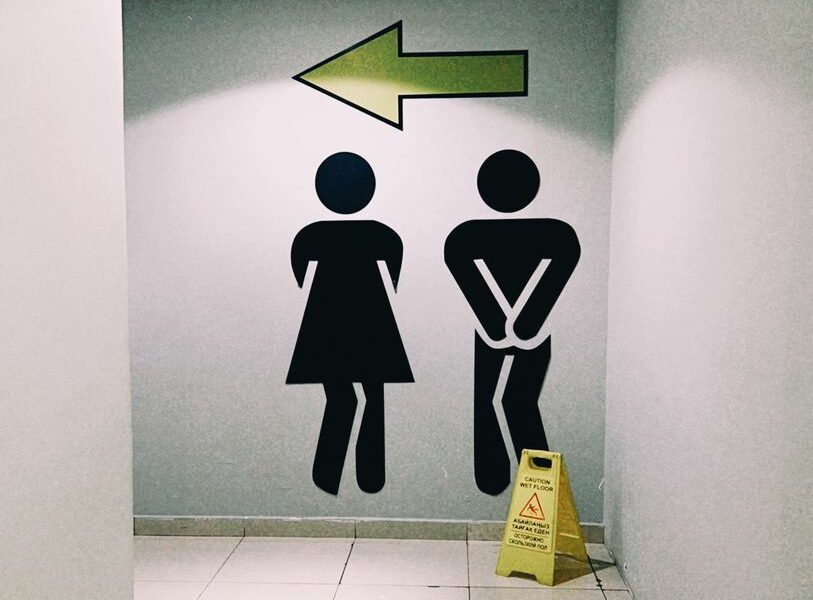
A Common Yet Unspoken Challenge
Urinary dribbling after urination is a reality for many men, yet it often remains hidden in both conversation and public infrastructure. While incontinence is typically imagined as a severe condition requiring nappies, many experience more subtle symptoms, such as a few stubborn drops escaping only once they’ve left the urinal. For these men, personal hygiene products like continence pads can become a necessity.
A recent Finnish study involving more than 4,000 men aged 30 to 80 revealed that 58% experienced dribbling after urinating. Notably, more than 40% of men in their thirties faced this issue, and the proportion rises to around two-thirds for those aged 60 to 80. For older men, about one in four said these leaks ended up wetting their clothes.
The Search for AnswersAnd Discretion
Despite the prevalence, South African men seem reluctant to seek out information or assistance. While Google searches for pelvic floor health have increased by 40% in the past year, searches specifically about dribbling remain rare. This suggests a silence not only in conversation but also online. Embarrassment and social stigma mean that many men do not even research the problem, let alone discuss it openly.
Why Does Dribbling Happen?
Medical experts explain that urinary dribbling isn’t always caused by weak pelvic floor muscles. Dr Jonathan Redelinghuys, a medical doctor and psychologist, highlights that prostate issues are frequently the main cause. An enlarged prostate may prevent full bladder emptying, while prostate surgery can sometimes damage the nerves or urinary sphincter, leading to leakage.
After prostate surgery, the struggle can persist. One American study found that 11% of men used more than one continence pad daily a year after surgery, while a Swedish study reported 14% of men remained incontinent a year after having their prostates removed. These figures underscore incontinence as a legitimate medical issue, not a minor nuisance.
Public Toilets: A Design Blind Spot
As the numbers suggest, many men rely on pads and other continence products throughout their dayoften encountering difficulties when using public bathrooms. Women’s toilets routinely have sanitary bins inside the cubicles for discreet disposal, but men’s restrooms rarely provide similar facilities.
Charl Broodryk of Nuwkem Hygiene says, “There is often nowhere appropriate to dispose of these products, and that can be embarrassing and undignified.” The lack of facilities forces men to flush used padsrisking plumbing issuesor leave the cubicle with the item in hand to discard it in public bins.
A simple disposal bin in men’s restrooms could provide privacy and dignity for those managing incontinence.
The Consequence: Dignity Lost
The absence of private disposal facilities in men’s bathrooms is not just inconvenient; it can feel humiliating to those who must manage continence products away from home. Many men avoid seeking medical help, hoping incontinence will resolve itself, but only a small fraction receive corrective procedures even years after persistent symptoms. According to Dr Redelinghuys, embarrassment remains a barrier to open discussion and treatment.
“Men are often reluctant to discuss bladder problems, and some delay seeking medical help. Providing appropriate facilities acknowledges that these conditions exist and that the people living with them deserve dignity.”
Rethinking Public Restrooms
Broodryk urges facility managers to reconsider how they equip men’s bathrooms: “Nobody would question the need for sanitary disposal facilities in women’s bathrooms. Yet men who need exactly the same level of hygiene and privacy are often overlooked.” He points out that adding discreet bins to men’s cubicles would not require significant renovations.
The call for change extends to shopping centres, airports, hospitals, workplaces, and any place with public toilets. Updating facilities to meet the real needs of users, including men managing incontinence, is a matter of basic dignity and equality.
- Many men experience post-urination dribbling, including those as young as their thirties.
- Few public bathrooms offer private pad disposal for men.
- Stigma and lack of facilities can discourage men from seeking help or managing their condition discreetly.
Advocates believe that a simple changeinstalling private disposal bins in men’s restroomscould dramatically improve the quality of life for countless men who quietly cope with incontinence every day.
Follow Joburg ETC on Facebook, Twitter, TikTok and Instagram
For more News in Johannesburg, visit joburgetc.com
Durban Hospital Adopts AI Technology to Enhance X-Ray Safety and Efficiency