There’s a certain point where “smart” products stop being so smart, and start getting pretty annoying. A smartwatch tells you to stand up. Your car tells you to stay in your lane. Your phone asks you to take off your headphones. And if a newly published Polaris patent ever becomes reality, your helmet could be next in line.
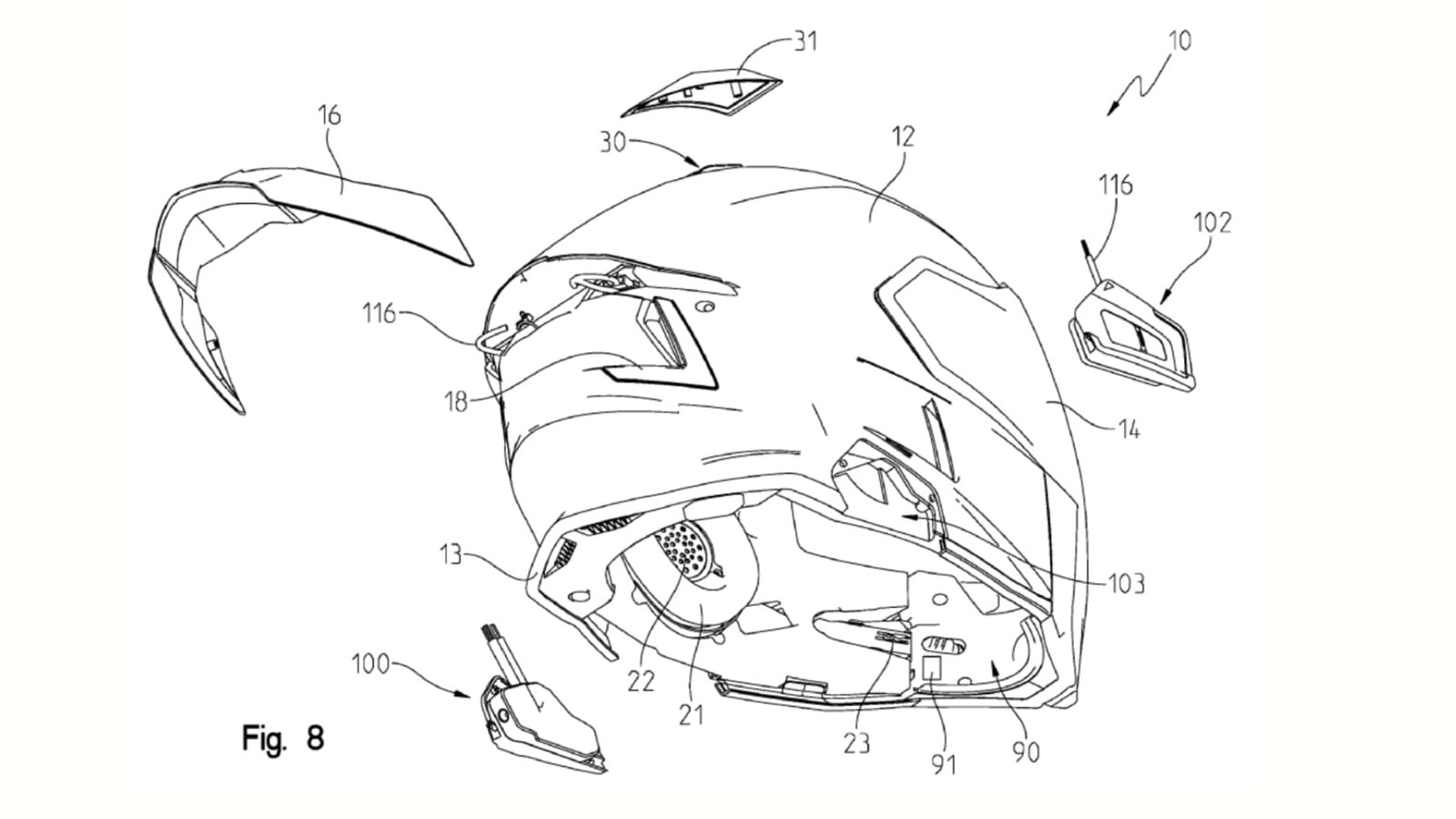
At first glance, some ideas make perfect sense. The patent describes a modular smart helmet packed with GPS, radio, biometric sensors, communications hardware, lights and removable electronic modules. Riders can communicate over the mesh network, coordinate group rides, control accessories, and even operate some vehicle functions directly from a helmet-mounted button. This is all fair enough. Riders already use Bluetooth communicators, action cameras, navigation systems, heated gear and connected apps. Combining some of those functions on a single platform isn’t really a huge leap.
but if you dig a little deeperYou’ll notice that the patent is starting to get a little more ambitious.
Photo by: Polaris
One section describes a fatigue-monitoring system that tracks head motion, acceleration, rider biometrics, and vehicle suspension activity to calculate how much total energy Polaris delivers. The idea is to determine how physically taxed a rider is over time. Accumulate enough virtual fatigue points, and the system starts issuing warnings. Ignore those warnings, and things could escalate further.
According to the filing, the helmet may request confirmation that the rider is alert and paying attention. If the rider does not respond within a certain time frame, the system may alter the vehicle’s behavior, potentially limiting performance or reducing speed. Somewhere in the future, your helmet may decide you’ve had enough fun for one day.
And I think this is where things get interesting. On the one hand, anyone who has spent an entire day traversing desert trails, snowmobile routes, or rough backcountry terrain knows that fatigue is real. When riders are tired, dehydrated, or determined to run one more mile before heading back to camp, they are not always the best judges of their condition. Technology that identifies situations before they become dangerous has obvious appeal.

Photo by: Polaris
On the other hand, many experienced riders would probably argue that they don’t need a helmet to determine when to back off. The idea of a machine interpreting your heart rate, head movement and suspension data before concluding that you’ve reached your daily enjoyment quota may not be universally welcomed. Most riders are perfectly capable of recognizing when they are tired, and some may consider this another example of software creeping in places it wasn’t invited.
The same tension is visible elsewhere in the patent. Polaris Group describes a ride tether system that can monitor how far riders have strayed from the designated leader. It discusses synchronized helmet lighting, vehicle control functions mapped to helmet buttons, and communications networks that effectively turn each rider into a node in a rolling data network. One feature also proposes a virtual boundary around the group leader, triggering an alert when riders stray too far from the group.
The patent also includes a number of smaller ideas that are easy to imagine producing. Heated breathable boxes can prevent the microphone from freezing in cold weather. Wireless-powered heated visors can eliminate some of the wiring that comes with existing heated shield systems. Modular electronics pods could allow riders to add features only when they really want them, rather than paying upfront for everything.
Photo by: Polaris
Of course, patents are not product announcements. Many patented ideas never leave the drawing board. But patents often offer a glimpse of how a company sees the future.
It’s also worth remembering that Polaris isn’t just an automobile manufacturer. The company also owns Klim, one of the biggest names in premium motorcycle and powersports riding gear. So if a version of this technology ever escapes the patent office and hits store shelves, there’s a good chance it may come with a Klim logo instead of a Polaris badge.
Whether riders really want a helmet that monitors fatigue, manages group rides, controls vehicle functions, and potentially tells them when it’s time to slow down is another question entirely. Some of these features solve legitimate problems. Others risk sounding like technology in search of a purpose.
And that’s what makes this patent so interesting. It’s not just a “smart” helmet. It’s a vision of a future where helmets will become just another computer in the vehicle ecosystem. The question is whether riders will see this as progress, or whether they’ll decide the best safety system is still between their ears.