
UAE camping guide: Best places, rules, permits and essentials
Experienced campers explain how to prepare, stay safe and protect natural surroundings
Dubai: UAE’s camping season is approaching and now is a good time to start planning an outdoor getaway, whether it’s a night beneath the stars in the desert, a mountain retreat or a weekend by the coast.
But before packing your tent and heading out, there are a few things to consider. Not every location allows camping, some sites require advance bookings, and even experienced campers can overlook important safety precautions.
With advice from experienced camping guides and mountain leaders, here’s everything you need to know about camping in the UAE, from permits and essential equipment to the best places to pitch your tent.
When is the best time to go camping in the UAE?
The ideal camping season runs from November to March, when cooler temperatures make outdoor activities more comfortable.
Do you need a permit to camp in the UAE?
Not every camping trip requires a permit, but the rules depend on where you plan to stay.
According to George Kfoury, founder of Arabian Wanderers, short overnight desert camping trips in Dubai generally do not require prior permission. However, beaches, nature reserves and managed campsites may have specific restrictions or approval requirements.
“For a simple overnight camping trip, you don’t always need a permit,” Kfoury said, advising campers to check the regulations for their chosen destination.
He also recommends obtaining permission before camping on private land and respecting signs prohibiting camping. For beginners, established campsites with easy road access are a safer option than venturing deep into remote desert areas.
What should you pack for a camping trip?
According to Kfoury, first-time campers often underestimate how much equipment they need, particularly when it comes to staying warm overnight.
Your camping checklist should include:
-
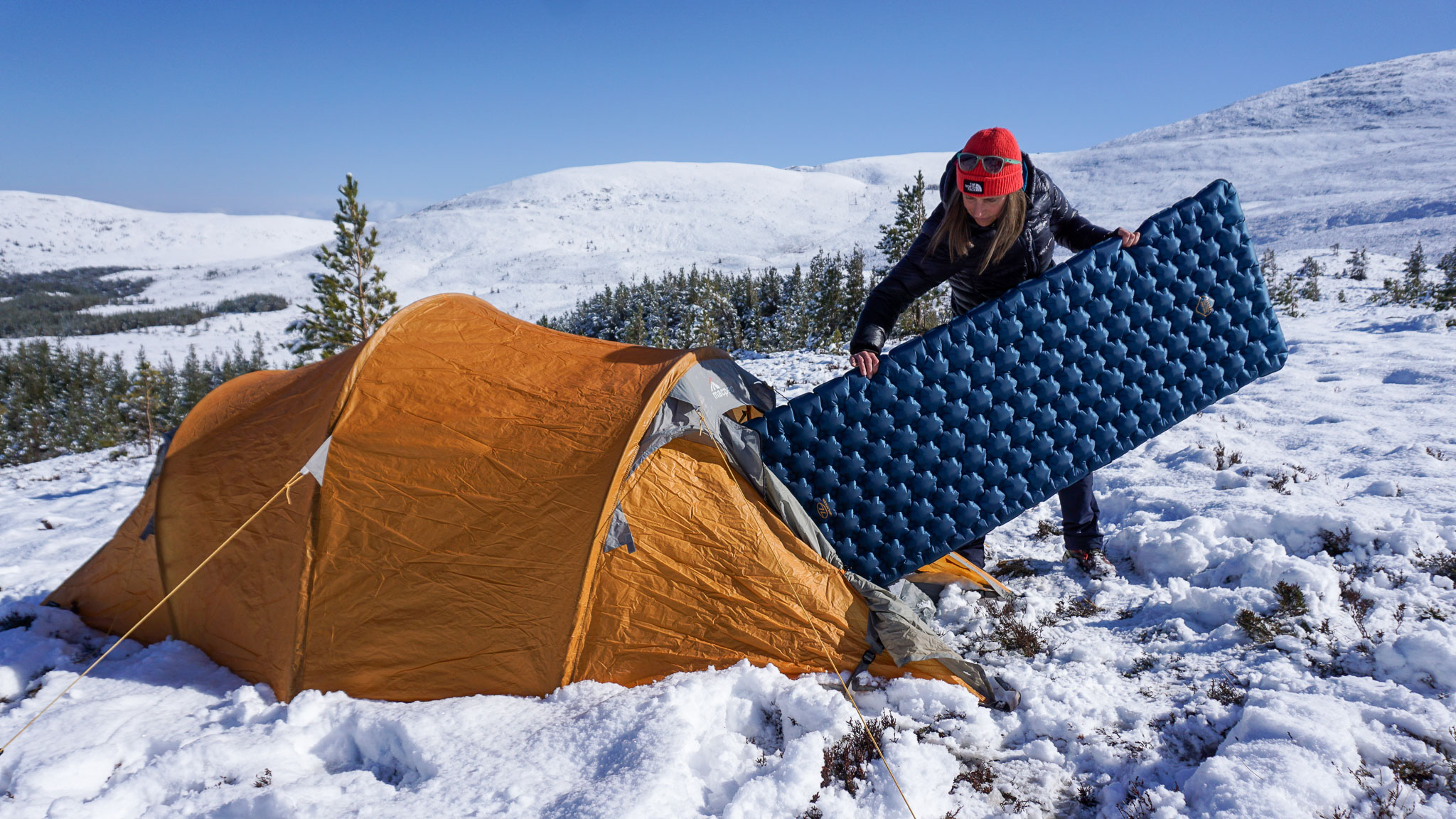
Shelter and sleeping: A suitable tent, mattress, sleeping bag and warm layers.
-
Food and water: Sufficient drinking water, meals, snacks and a cooler.
-
Safety: A first-aid kit, torch or headlamp, and fully charged power bank.
-
Navigation: Offline maps and a clear route to your campsite.
-
Clean-up: Rubbish bags to collect and carry out all waste.
For remote desert trips, Kfoury recommends an appropriate 4×4 vehicle, desert-driving experience and recovery equipment. Beginners should travel with experienced drivers and inform someone of their location and expected return time.
If you do not own camping equipment, organised camping or glamping experiences offer an alternative, with tents and other essentials arranged in advance.
Campfires and barbecues: What are the safety rules?
A barbecue may be part of the camping experience, but careless fire handling can lead to injuries and environmental damage.
Kfoury warns against lighting fires directly on the ground, placing them too close to tents or leaving burning charcoal unattended.
-
Use a raised fire pit or designated barbecue area.
-
Keep flames away from tents, dry vegetation and other flammable materials.
-
Have water and a fire extinguisher nearby.
-
Never burn charcoal or use a barbecue inside a tent.
-
Extinguish fires completely before sleeping or leaving.
-
Dispose of cooled ashes responsibly rather than burying them in the sand.
Always check local fire restrictions, particularly during windy conditions or when temporary bans are in place.
Camping responsibly: How to protect the environment
Nasar Husain, an operations manager and expedition leader at Greenway Adventures and certified mountaineer emphasises that enjoying the outdoors comes with a responsibility to protect natural habitats, respect wildlife and minimise the impact on other visitors.
“Nature is not a place to leave our mark; it is a place to appreciate and protect,” he said. Here are some of his key recommendations for a responsible camping trip.
1. Choose your campsite carefully
Husain advises campers to choose stable ground, preferably within an established camping area, and avoid dry riverbeds, valleys and flood-prone locations.
Flash floods can occur even when it is not raining directly at the campsite. “Where you pitch your tent matters just as much as how you camp,” he said.
Campers should also check weather conditions, wind exposure and possible evacuation routes, while keeping access roads and trails clear.
2. Follow theLeave No Trace (LNT) principle
Everything brought into a campsite should leave with you, including food scraps, tissues, cigarette butts and packaging.
Husain recommends carrying separate bags for general waste and recyclables, using reusable containers and avoiding unnecessary single-use packaging.
Food waste should never be left behind, even if it is biodegradable, as it can attract animals and disrupt natural ecosystems. “If you bring it into the wilderness, take it back with you,” he said.
3. Keep noise and lighting to a minimum
Loud music, shouting and powerful lighting can disturb wildlife and spoil the experience for nearby campers. “One of the greatest gifts of the outdoors is its natural silence,” Husain said.
He recommends keeping conversations and music at a reasonable volume, particularly at night and early in the morning.
4. Respect wildlife and natural habitats
Campers should avoid setting up tents across animal trails, watering points or wildlife movement routes. Husain advises visitors never to feed, chase, touch or disturb wild animals, particularly around nests and breeding areas.
Food should be stored securely, and campers should avoid damaging trees, vegetation, rocks or other natural features. “Wildlife should never have to change its natural behaviour because of our presence,” he said.
5. Respect local communities and other visitors
Responsible camping also means respecting the people who live near popular outdoor destinations.
Avoid blocking access to homes, farms, roads and emergency routes. Keep vehicle noise to a minimum and seek permission before camping on private or community-managed land.
Campers should also respect cultural sites, local customs and protected-area regulations. As he puts it, “Responsible adventure includes the people who live in and around the wilderness.”
10 best places to go camping in the UAE
From serviced family campsites to remote mountain plateaus, the UAE offers camping options for different experience levels. Faisi Shalmani, founder of AFT Mountain Adventures, certified mountain leader and founder of AFT Mountain Adventures, recommends the following destinations.
-
Suhaila Lakes, Hatta, Dubai –A peaceful lakeside camping spot surrounded by mountains, ideal for families and beginners.
-
Jebel Jais, Ras Al Khaimah –Known for its spectacular mountain panoramas, cooler temperatures and sunrise views, Jebel Jais is ideal for a high-altitude escape.
-
Wadi Shawka, Ras Al Khaimah –An accessible mountain valley popular for hiking, camping and family outings.
-
Masfout Camping Huts, Ajman –A quiet mountain retreat near Al Jazer Dam, offering a convenient introduction to camping for families.
-
Jebel Hafit Desert Park, Al Ain –Camp beneath the towering Jebel Hafit mountain, surrounded by desert landscapes and ancient archaeological sites.
-
Fujairah Adventure Park, Fujairah –A mountain getaway combining camping with outdoor activities, hiking trails and family-friendly facilities.
-
Hatta Wadi Hub Camping Grounds, Dubai –An excellent beginner-friendly option, with easy access to mountain biking, hiking and other outdoor adventures.
-
Mleiha National Park, Sharjah –A desert destination surrounded by dunes, rocky mountains and archaeological sites, particularly appealing to stargazers.
-
Wadi Sana–Wadi Sidr Plateau, Fujairah –A scenic mountain plateau offering panoramic views, beautiful sunsets and a more secluded wilderness experience.
-
Saraya Islands, Ras Al Khaimah –A coastal escape featuring sandy shores, sea views and a dramatic mountain backdrop.
What to know before your first hike in the UAE
Umm Al Quwain sets new rules for winter camping permits

From Jebel Jais to Hatta: Best UAE outdoor adventures

RAK Police release key camping safety guidelines
Related Topics:
UAE weatherUAE landscapes
Get Updates on Topics You Choose
Jebel Hafeet: Al Ain’s mountain of sunsets and memories
How to see snow in Abu Dhabi, plus a new autumn camp

Beyond Jebel Jais: 5 outdoor adventures to try in RAK
Jebel Jais gets an 80km trail for multi-day adventures