A recent charging limit activated by an over the air (OTA) update ahead of a safety recall highlights how manufacturers can intervene in vehicle operations and has raised questions about the growing ability of manufacturers to alter how vehicles operate remotely.
This comes after Volkswagen activated a battery care mode to charging to 80% on select Volkswagen ID 7 models ahead of a recall to ensure that the components in the battery met quality standards.
Ensure you always get Fleet News insight. Make us your preferred
Volkswagen said it had communicated with retail customers for whom it held contact details, added information to relevant brand websites and worked with fleet companies to notify them in advance of the recall and temporary charging restriction.
The intervention demonstrates how OTA technology can allow manufacturers to respond to potential safety issues without requiring an immediate visit to a dealership or a stop-drive recall.
However, it also highlights the growing influence manufacturers can have over vehicles once they have left the factory, particularly as connected technology becomes increasingly common across the automotive industry.
The Association of Fleet Professionals (AFP) has previously commented on the issues of OTA software updates reducing the capabilities of vehicles and the challenges this causes for fleet operators who aren’t informed unless told by drivers.
Operations can be negatively affected
For fleet operators, a restriction on charging capacity will have implications on available range, journey planning and vehicle utilisation.
The impact will vary depending on the vehicle’s role but businesses relying on vehicles for high-mileage or time-sensitive duties could face greater disruption.
The case raises questions about how manufacturers assess the operational implications of remote restrictions, and what support is available to businesses where a vehicle’s usability is temporarily reduced.
OTA updates offer more than just restrictions
As vehicles become increasingly connected, OTA updates are playing a greater role in how manufacturers maintain, improve and manage the vehicles. The technology can be used to deliver software improvements, address faults and introduce new functionality without requiring a vehicle to visit a workshop.
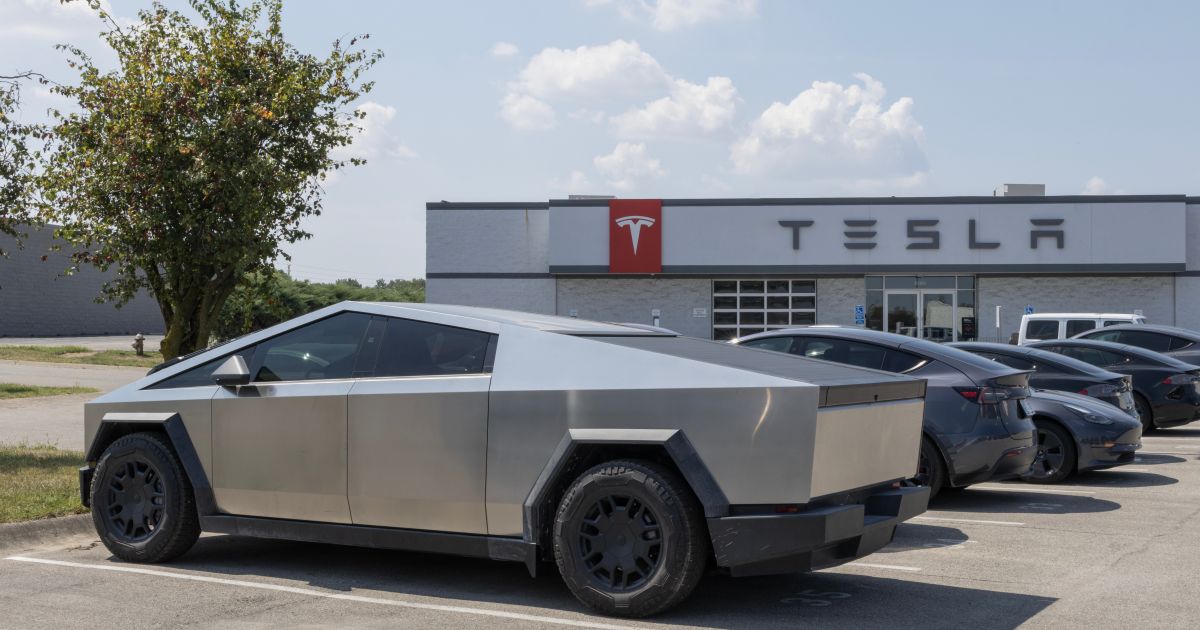
Tesla was the first brand to introduce OTA updates back in 2012, and the technology has now been adopted by most mainstream manufacturers. Renault, for example, is launching a line of ‘software-defined vehicles’ that can be updated remotely with new technology much like a mobile phone.
For fleet operators, understanding how and when manufacturers remotely alter vehicle functionality – and how those changes are communicated and resolved – is an increasingly important consideration as for the industry.