It was new, it was daunting, it dared to go where others hadn’t. And it was a smashing success.
Published: Oct 26, 2026 5:44 pm
Overhead, helicopters buzzed about, dipping and swerving for better TV camera angles. Below, 2,090 runners surged toward their starting position on the Staten Island side of the Verrazzano-Narrows Bridge.
This was the morning of October 24, 1976, and the start of something big: the first New York City Marathon to trace a long, winding path through all five city boroughs.
In my view, it was the most important marathon ever held. Why? Because it unleashed the pent-up power of urban running.
It established a new blueprint that changed the very course of running.
Sure, the first Olympic Marathon in 1896 was significant … with its 17 starters. Sure, the first Boston Marathon in 1897 was big-time… with its 15 runners.
But now, in New York, in 1976, we have 2,090 eager participants. In his forthcoming book, The Invention of Running, literature professor and running historian Roger Robinson writes: “The race is miraculous. The spectacle has never been matched by any other activity, and is never to be forgotten. It creates a new art form, the image of a massed field of runners on some iconic setting—Verrazzano Bridge or Sydney Harbor, or Les Champs d’Elysees, or the Colosseum.”
Yeah, that’s what I’m talkin’ about.
Or as longtime marathon commentator and essayist Toni Reavis observes: “The 1976 marathon transformed running from a niche pastime for dedicated iconoclasts into a major urban, cultural celebration. It showed how a mass running race could unite a city and lift civic spirit.”
The Doors Swing Open
Sure, the 5-borough marathon featured a highlight duel between Olympic champion Frank Shorter and Bill Rodgers, 1975 Boston winner and the contender. That’s what first attracted the media’s attention.
And the script played true, as Rodgers won with an impressive 2:10:10. He soon became “King of the Roads.”
But half a century later, Rodgers sees clearly that larger forces were at work. “The 1976 marathon was the breakthrough race for our entire sport,” he notes. “It opened the doors to the modern era of marathon participation by including everyday runners and making us much more of a family sport.”
Let’s look at what happened in New York in 1976, what preceded it, and how marathon races have changed.
The first New York City Marathon was held in Central Park in 1970 with 127 runners. The event lasted another five years, peaking at 534 participants in 1975.
The Bicentennial Unleashes A Marathon Unlike Any Other
The next year, a small group of New Yorkers hatched a far bigger plan. As with much of New York’s vaunted history, the marathon’s “Founding Fathers” represented a wondrous hodgepodge of backgrounds: politicians, real-estate developers, media types, and runners of every race, faith, and profession.
Each played a different and crucial role. Together, they were far more powerful and convincing than they were individually.
It was America’s Bicentennial year, 1976, a cause for celebration. However, New York itself was on the verge of social and economic collapse. Nothing seemed to be working right. The city needed a new and spectacular “can-do” event.
Goodbye Central Park marathon. Hello Staten Island, Brooklyn, Queens, Bronx, and Manhattan. All for one, and one for all.
The Founding Fathers thought this would be a one-time affair. They had no inkling of the sweep of what they created. But the idea had legs—thousands of them, then millions.
Once unleashed, the urban marathon couldn’t be contained. Shouldn’t be contained. Bring the marathon to the people!
Before 1976, Marathons Hid In the Woods
Before 1976, distance running happened out of sight, out of mind. Starting around the mid-1800s, the British ran “hare and hounds” races in dense parklands. The first Olympic Marathon started near coastal Greece, far from its finish in Athens. Ditto for the Boston Marathon, which began in rural Ashland (later Hopkinton) and didn’t see Boston for 21 miles.
The six NYC Marathons from 1970-1975 were confined to the leafy road loop inside Central Park. Nobody in New York knew a marathon was taking place—only the runners themselves and a family member or two.
No one recognized that New York’s streets could offer a nearly endless performance stage like the famous Broadway theaters just a few blocks from Central Park.
Not until 1976. And after.
Chicago came next. In 1977, the first marathon drew a starting field of 4,200 runners. What? Are you kidding me? In the middle of meat-and-potatoes Chicago Bears territory?
In subsequent years, the Chicago Marathon suffered a few bumps, but its upward trajectory endured. This year the event attracted more than 55,000 runners. Its elite races were deep, fast, unpredictable, and thrilling.
The Urban Marathon Spreads To London And Berlin
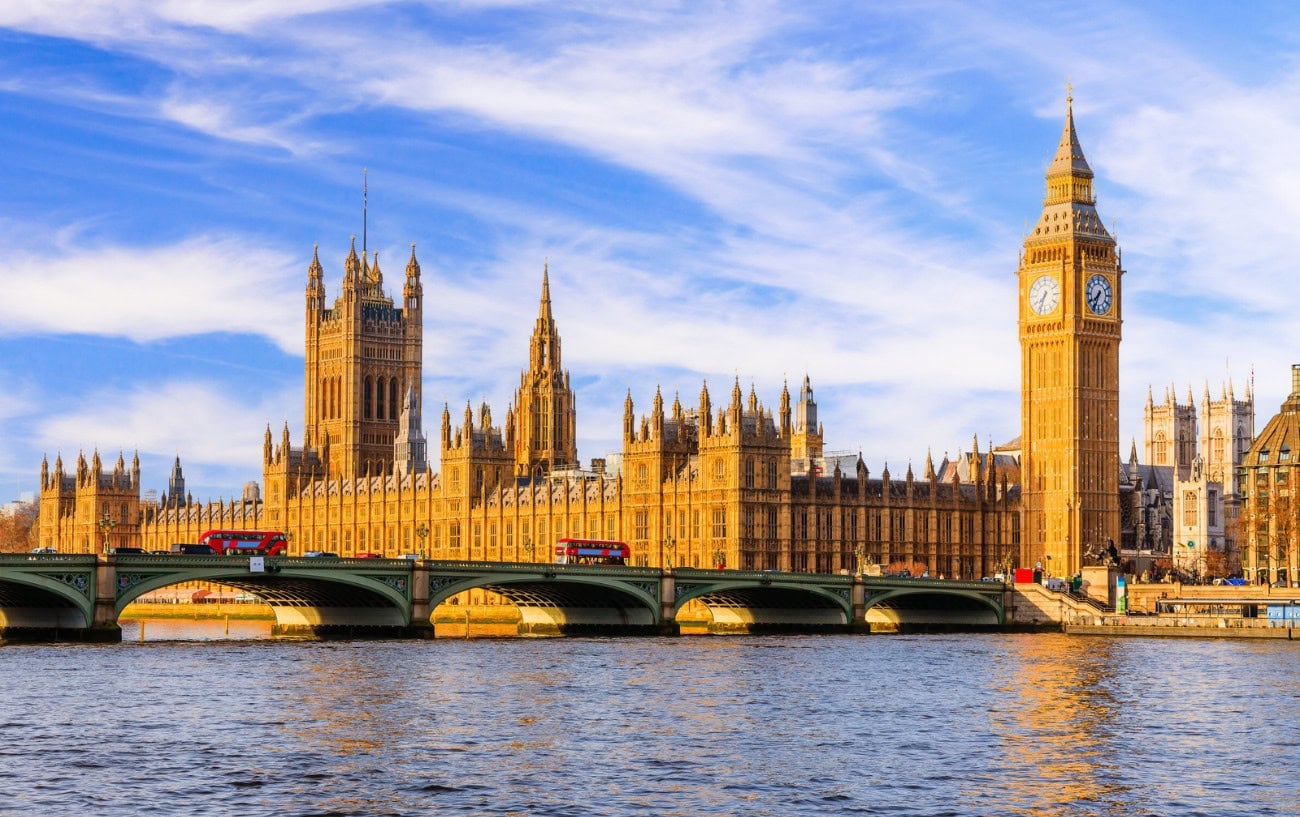
In 1979, England’s Chris Brasher was the first to put words to the new urban marathon phenomenon. An Olympic steeplechase gold medalist and one of several pacers in Roger Banister’s historic first sub-4 mile of 1954, Brasher decided to run New York that fall. Back home in London, he gushed in The Observer newspaper that he had just participated in “the greatest folk festival the world has seen.”
Brasher added: “To believe this story, you must believe that the human race can be one joyous family, working together, laughing together, achieving the impossible.” Then he wondered if London had “the heart and hospitality to welcome the world” to a similarly triumphant event.
A reasonable question. Brasher co-founded the first London Marathon in 1981. How should we assess its outcome?
Maybe you’ve heard that next April 24 and 25 London will present “The Double”—back-to-back marathons with 50,000 runners each day. I’d call that a smashing dose of heart, hospitality, and welcome.
Berlin hosted an annual marathon beginning in 1974. It wandered through the Grunewald forest region far from the city center.
Sound familiar? By 1980, it was attracting a paltry 294 runners. Also familiar.
The next year, race founder Horst Milde moved the event to busier city streets. Result? The field increased by more than 10-fold.
On September 30, 1990, three days before German reunification, a revised Berlin Marathon course ran through the Brandenburg Gate for the first time. The field size exploded another 10-fold to almost 25,000. Since then, Berlin has been consistently regarded as one of the world’s biggest, best, and fastest marathons.
The Whole Urban World Is Running
You know the rest of the story. The Abbott World Marathon Majors now dominate marathon running: Boston, New York, Chicago, London, Berlin, Tokyo, Sydney, and Cape Town. And this is just the tip of the iceberg. Huge, thriving marathons take place in hundreds of other great global cities.
Here’s the underlying factor we’ve missed for too long. Cities offer little outdoor recreation. In the hinterlands, you can hike, camp, fish, hunt, bike, and more. Fly kites if you want, or try orienteering.
In urban centers, not so much. Especially given the busy, fast pace of city dwellers. They don’t have time for leisurely pursuits. They demand a big bang for the buck.
That’s what running provides. It’s always available, low cost, and delivers more health/fitness benefits per minute than anything else.
Cities run on running. Urban marathons, virtually unknown a half century ago, are the present and future of running.
And it all began in New York on October 24, 1976—the most important marathon ever.
Join 300,000+ runners in RunClub
Free training plans for every distance, a daily running game, exclusive coaching content, and a real community of runners. Create your free account in 20 seconds — no card.
‘;
pfOverlay.addEventListener(‘click’, function(e){ if (e.target === pfOverlay || e.target.closest(‘.rc-news__pf-close’)) pfOverlay.style.display=’none’; });
document.body.appendChild(pfOverlay);
}
pfOverlay.querySelector(‘.rc-news__pf-body’).innerHTML = r.data.html;
pfOverlay.style.display = ‘flex’;
}).catch(function(){});
}
root.addEventListener(‘click’, function(e){
var a = e.target.closest(‘.rc-news__author’); if (!a) return;
e.preventDefault(); openProfile(a.getAttribute(‘data-user’));
});
// Reply targeting (composer lives outside the re-rendered box).
var pill = document.getElementById(‘rc-artc-reply-pill’);
var pillName = document.getElementById(‘rc-artc-reply-to’);
var input = document.getElementById(‘rc-artc-input’);
var formEl = document.getElementById(‘rc-artc-composer’);
function setReply(pid, name){ replyParent = parseInt(pid,10)||0; if (replyParent && pill){ if (pillName) pillName.textContent = name||’comment’; pill.style.display=”; } if (input) input.focus(); }
function clearReply(){ replyParent = 0; if (pill) pill.style.display=’none’; }
var rcx = document.getElementById(‘rc-artc-reply-cancel’); if (rcx) rcx.addEventListener(‘click’, clearReply);
box.addEventListener(‘click’, function(e){
var b = e.target.closest(‘.rc-news__reply-btn’); if (!b) return;
setReply(b.getAttribute(‘data-parent’), b.getAttribute(‘data-name’));
if (formEl) formEl.scrollIntoView({block:’nearest’});
});
// Show-all (load the full thread).
box.addEventListener(‘click’, function(e){
var s = e.target.closest(‘.rc-artc__showall’); if (!s) return;
s.disabled = true;
post(‘mh_artc_thread’, {post_id:postId, sort:currentSort, all:1}).then(function(r){ if (r.success && r.data.html) box.innerHTML = r.data.html; }).catch(function(){ s.disabled=false; });
});
// Sort tabs.
Array.prototype.forEach.call(document.querySelectorAll(‘#rc-artc .rc-news__sort’), function(tab){
tab.addEventListener(‘click’, function(){
var ss = tab.getAttribute(‘data-sort’); if (ss === currentSort) return;
currentSort = ss;
Array.prototype.forEach.call(document.querySelectorAll(‘#rc-artc .rc-news__sort’), function(t){ t.classList.toggle(‘is-active’, t===tab); });
post(‘mh_artc_thread’, {post_id:postId, sort:currentSort, all:1}).then(function(r){ if (r.success && r.data.html) box.innerHTML = r.data.html; }).catch(function(){});
});
});
// Composer: emoji (all) + member image upload + submit.
var msg = document.getElementById(‘rc-artc-composer-msg’);
var mediaIds = [];
if (formEl){
var emojiBtn = document.getElementById(‘rc-artc-emoji-btn’);
var emojiPop = document.getElementById(‘rc-artc-emoji-pop’);
var emojiLoaded = false;
if (emojiBtn) emojiBtn.addEventListener(‘click’, function(){
if (!emojiLoaded){ emojiLoaded = true;
var sc = document.createElement(‘script’); sc.type=’module’; sc.src=’https://cdn.jsdelivr.net/npm/emoji-picker-element@1/index.js’; document.head.appendChild(sc);
var picker = document.createElement(’emoji-picker’);
picker.addEventListener(’emoji-click’, function(ev){
var u = ev.detail && ev.detail.unicode; if (!u) return;
var s0 = input.selectionStart||0, s1 = input.selectionEnd||0;
input.value = input.value.slice(0,s0) + u + input.value.slice(s1);
input.focus(); input.selectionStart = input.selectionEnd = s0 + u.length;
});
emojiPop.appendChild(picker);
}
emojiPop.hidden = !emojiPop.hidden;
});
var preview = document.getElementById(‘rc-artc-media-preview’);
var attachBtn = document.getElementById(‘rc-artc-attach-btn’);
var fileInput = document.getElementById(‘rc-artc-file’);
function renderPreview(){ if (!preview) return; preview.innerHTML=”; mediaIds.forEach(function(m){ var d=document.createElement(‘div’); d.className=’rc-news__pv’; d.innerHTML=’

‘; preview.appendChild(d); }); }
if (attachBtn && fileInput){
attachBtn.addEventListener(‘click’, function(){ fileInput.click(); });
if (preview) preview.addEventListener(‘click’, function(e){ var x=e.target.closest(‘.rc-news__pv-x’); if (!x) return; mediaIds=mediaIds.filter(function(m){ return String(m.id)!==String(x.getAttribute(‘data-id’)); }); renderPreview(); });
fileInput.addEventListener(‘change’, function(){
var files = Array.prototype.slice.call(fileInput.files||[]); fileInput.value=”;
files.forEach(function(file){
if (mediaIds.length >= 4) return;
var ph = document.createElement(‘div’); ph.className=’rc-news__pv is-loading’; ph.textContent=’…’; preview.appendChild(ph);
var fd = new FormData(); fd.append(‘action’,’mh_newsroom_upload’); fd.append(‘nonce’,upnonce); fd.append(‘file’,file);
fetch(ajax,{method:’POST’,body:fd,credentials:’same-origin’}).then(function(r){return r.json();}).then(function(r){
ph.remove();
if (r.success){ mediaIds.push({id:r.data.id, url:r.data.url}); renderPreview(); }
else { msg.className=’rc-news__composer-msg is-err’; msg.textContent=(r.data||’Upload failed.’); }
}).catch(function(){ ph.remove(); });
});
});
}
var btn = formEl.querySelector(‘.rc-news__send’);
var authorEl = document.getElementById(‘rc-artc-author’);
var emailEl = document.getElementById(‘rc-artc-email’);
formEl.addEventListener(‘submit’, function(e){
e.preventDefault();
var content = (input.value||”).trim();
if (!content){ msg.className=’rc-news__composer-msg is-err’; msg.textContent=’Write something first.’; return; }
var payload = {post_id:postId, content:content, parent:replyParent, sort:currentSort, all:1};
if (authorEl) payload.author = authorEl.value;
if (emailEl) payload.email = emailEl.value;
if (mediaIds.length) payload.media = mediaIds.map(function(m){ return m.id; });
btn.disabled = true; msg.className=’rc-news__composer-msg’; msg.textContent=’Posting…’;
post(‘mh_artc_comment’, payload).then(function(r){
btn.disabled = false;
if (r.success){
input.value=”; clearReply(); mediaIds=[]; if (preview) preview.innerHTML=”;
box.innerHTML = r.data.html;
msg.className=’rc-news__composer-msg is-ok’; msg.textContent = r.data.approved ? ‘Posted.’ : ‘Posted — awaiting moderation.’;
setTimeout(function(){ msg.textContent=”; }, 5000);
} else {
msg.className=’rc-news__composer-msg is-err’; msg.textContent = (r.data || ‘Could not post.’);
}
}).catch(function(err){ btn.disabled=false; msg.className=’rc-news__composer-msg is-err’; msg.textContent=’Error: ‘+err.message; });
});
}
})();