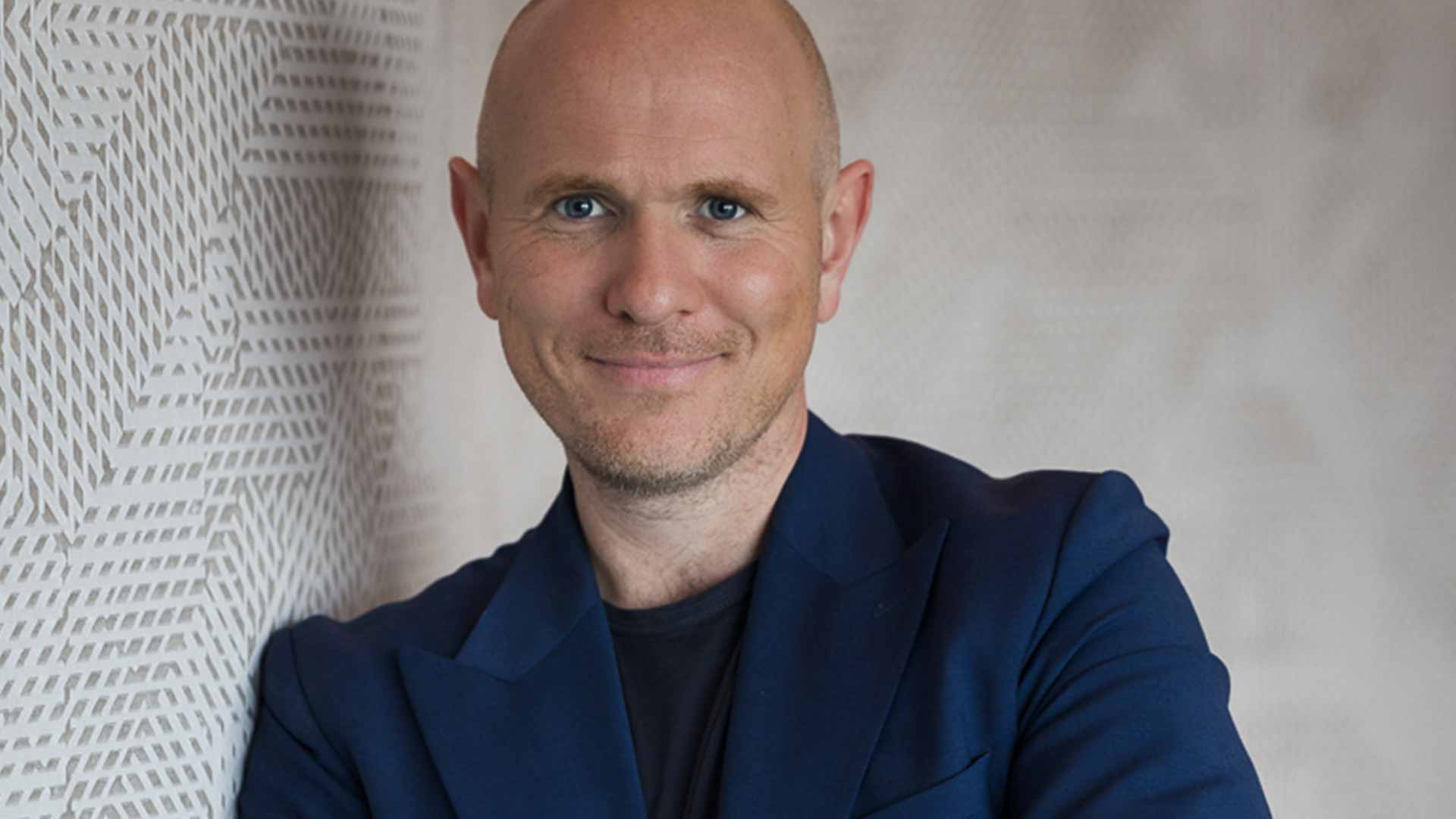
The chief executive of High Line Publishing and former managing director of Hodder & Stoughton Oliver Malcolm appeared on the TRIGGERnometry podcast on 17th October, where he spoke on the number of women working in publishing, DEI efforts, and monoculturalism in the industry, among other topics. Malcolm left Hodder & Stoughton suddenly in 2024. Malcolm appeared on TRIGGERnometry – self-described as a “free-speech YouTube show and podcast” – alongside the hosts; author and commentator Konstantin Kisin, and author and comedian Francis Foster.
On the podcast, Malcolm spoke about the rise of romance and romantasy, “the new form of romance” and how it, in his opinion, has had “a huge bearing on the mix of staff” in the trade, which he claimed has entrenched a “monoculture”. Women make up 68% of the UK book publishing workforce and 68% of booksellers in the UK retail trade, according to figures from the Publishers Association Workforce Report 2024 and the Booksellers Association Annual Membership Workforce Survey for 2023-24.
He said: “Publishing has always been slightly more on the left liberal side […] It is a problem when the publishing industry and the thoughts and teams within that are almost like an Islington dinner party.”
He also described the book trade as “the Guardian, the Guardian, the Guardian, the Guardian” and said “it’s got worse and worse and worse because of the nature of the markets that are doing well”.
Because what’s happened, rapidly in some ways,
“Because what’s happened, rapidly in some ways, is that, for example, romantasy or the new form of romance is doing so well. And so what publishers do is that they have to chase the market. And that can have a huge bearing on the mix of staff […] But what if the net bearing of that is that it’s no longer representative of the public or the readership? What happens if in time that stops young boys wanting to read?” he said.
“You ultimately end up getting the same publishing experience or the same sort of censorious behaviours no matter who your originating publisher is. And I find that obviously deeply disturbing. And it was becoming more disturbing the deeper into my career I got.”
He said the “large wealth gap between those at the top at publishing and those at the bottom” is also contributing to the “monoculture”.
“Once you get to the top, and I had a huge privilege to do that – I was the pig in the trough and you chomp at your swill and you enjoy your swill, but then if you want to appease the young staff coming through, it’s much easier to appease them with things which have no commercial bearing on the actual business and ensures that you continue to get rewarded handsomely. And so in some ways, caving into staff on some of these smaller issues, and maybe not even debating them, is much easier than saying no.”
Continues…