| Update:
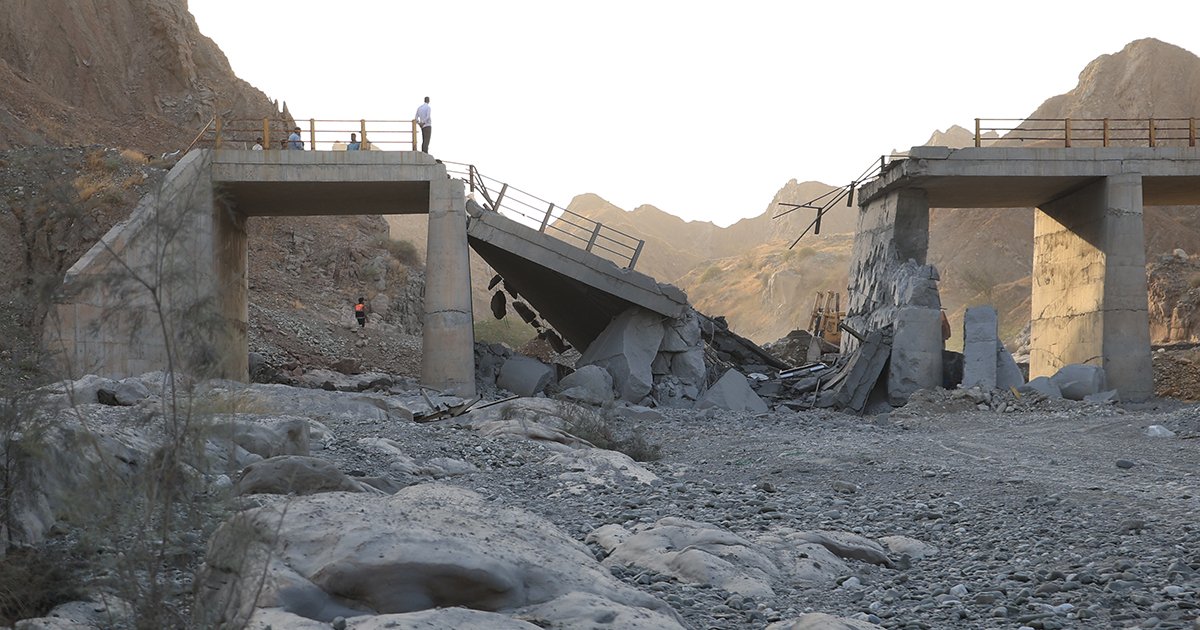
People stand on a bridge destroyed after an attack in Hormozgan province in southern Iran on July 18. (Amirhossein Khorgoui/Iranian Student News Agency via AP)
key takeaways:
- Oil prices climbed as the US announced another round of strikes targeting Iran for the 10th consecutive night.
- Iran’s interior minister traveled to Pakistan, the main mediator for talks, but it is still unclear whether a new agreement will be reached.
- World stocks mostly rose on July 21 and US futures gained.
NEW YORK – More profits for makers of computer chips and other winners of the artificial intelligence boom are sending Wall Street higher July 21.
The gains came despite oil prices rising higher and Brent crude above $90 a barrel due to continued strikes between the United States and Iran. It rose 2.2% to $91.17, down from $72 earlier this month, roughly before the war with Iran broke out.
Read more: Goldman says Brent could rise above $120 if Hormuz disruption continues
Early on July 21, Iran attacked another tanker in the Strait of Hormuz, a vital waterway for global oil and gas transportation. America announced another round of attacks targeting Iran for the 10th consecutive night. Iran is retaliating against US attacks targeting US allies in the Middle East.
As the firing between the US and Iran escalated, Iran’s interior minister traveled to Pakistan, the main mediator for talks, but it is still unclear whether a new agreement can be reached.
“There is some hope for an easing of tensions between the US and Iran,” ING commodity strategists Warren Patterson and Eva Manthey wrote in a July 21 note. “This will not be an easy task. Major differences remain between the US and Iran.”
Today at 4 pm ET, the US military launched a new round of strikes against Iran at the direction of the Commander in Chief. These strikes are designed to further reduce Iranian military capabilities used to attack commercial shipping in the Strait of Hormuz. – US Central Command (@CENTCOM) 20 July 2026
The rise in oil prices raises the risk of inflation rising again, as it was slowing more than economists expected. This could result in pressure on the Federal Reserve and other central banks to raise interest rates, which would slow the economy and lower the prices of stocks and other investments.
He said the naval blockade against Saudi Arabia by Yemen’s Iran-backed Houthis increases the risk to oil supplies.
The S&P 500 rose 0.5%. As of 9:35 a.m. Eastern time, the Dow Jones Industrial Average was up 219 points, or 0.4%, and the Nasdaq Composite was 0.8% higher.
AI stocks were once again at the center of activity, rising for the second consecutive day after falling last week.
After soaring high on a surge in investment in AI chips and data centres, they have come under pressure in recent weeks over concerns that they have invested too much. There are also growing concerns that AI investments could decline if they do not generate as much profit and productivity as promised.
Micron Technology jumped 7.8% and gained 1.9% from a day earlier, paring last week’s 13.3% decline.
Nvidia added 1.5% after disclosing it owns 9.3% of the stock of Dutch AI cloud company Nebius. Nvidia and Micron were the two strongest forces lifting the S&P 500.
The yield on 10-year Treasuries rose to 4.62% from 4.60% at the end of July 20 and was just 3.97% before the war with Iran started.
On Wall Street, stronger-than-expected profit reports from big U.S. companies helped stocks rise despite additional pressure.
3M climbed 8.7% after topping analysts’ expectations for both profit and revenue in the latest quarter. It also raised its profit forecast for full year 2026.
Hasbro jumped 11.6% after the toy maker said its Magic: The Gathering game topped $500 million in revenue in a quarter for the first time. It also raised its revenue forecast for the year.
They helped offset the decline for Danaher, which fell 13.9%, although it also topped analysts’ expectations for profit and revenue. Analysts pointed to its forecast for the summer as an underlying measure of revenue growth, which was slower than Wall Street had expected.

Alex Fraser from Cox Fleet discusses how fleets should respond when a roadside breakdown occurs, testing their safety, compliance and customer service systems simultaneously. Tune in by going above or RoadSigns.ttnews.com.
Companies are under pressure to deliver strong growth in profits and revenues because their stock prices have gotten so high. Despite the recent volatility of AI stocks, the indices are still near their records.
Stock markets overseas, with indices in Europe mostly mixed amid minor fluctuations. The United Kingdom’s FTSE 100 rose 0.2% as new Prime Minister Andy Burnham hosted his first cabinet meeting.
Shares rose higher in Asia. South Korea’s Kospi jumped 3.6% on strong gains in its two leading stocks. Samsung Electronics and SK Hynix have both been big beneficiaries of the AI boom, and the Kospi is up 60% so far this year, although it declined 20% in July.
Tokyo’s Nikkei 225 climbed 3.3% after returning from a July 20 holiday, while the index in Shanghai rose 1.8% and Hong Kong lost less than 0.1%.
AP Business Writers Chan Ho-Him and Matt Ott contributed to this report.