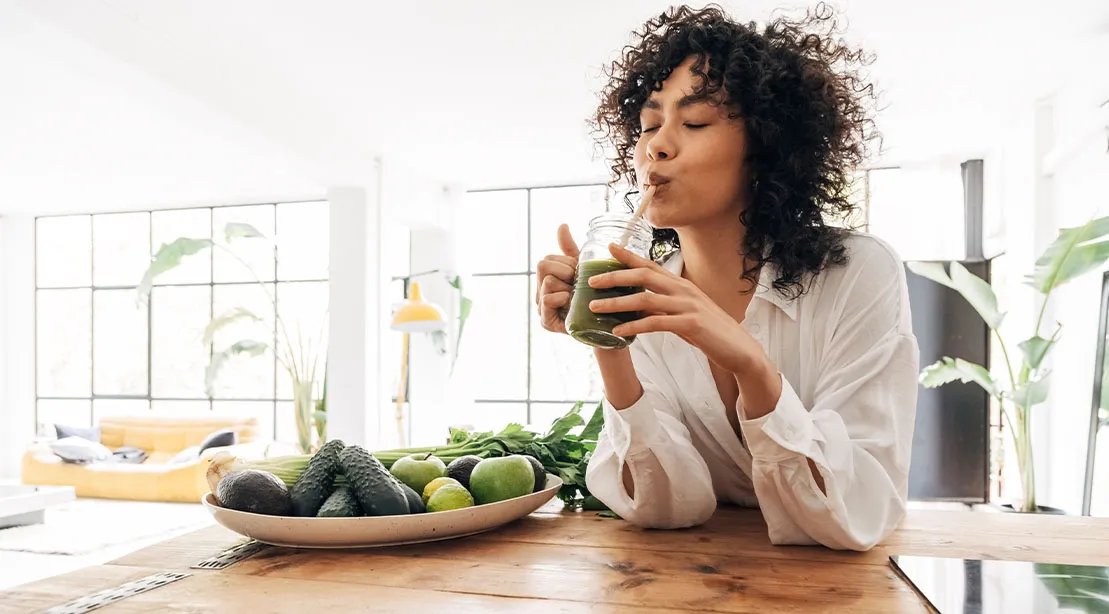
Now that flip-flop season is in full swing, you may be giving your blender a tough workout on the daily basis. Done correctly, smoothies will not only help you deal with the heat; They’ll also fill your body with the nutrients you need to bounce back from training or jump-start your day. That’s why he’s become a hero to so many gym bros.
Smoothies, or protein shakes, if that’s your term of choice, are one of the easiest and most versatile things you can make. But a few wrong steps can quickly ruin a super-nutritious and equally delicious muscle-shaping drink. Done wrong, a blender drink can go from nutrition hero to problem child.
Here’s how to make a better smoothie from the blades to the top.
How many calories should a protein shake contain?
If you’re on a calorie deficit from your training, it’s perfectly acceptable to drink a few more calories. But you still need to be aware of how much energy your daily smoothie is providing; This may surprise you. A few tablespoons of peanut butter, two scoops of protein powder and full-fat yogurt can add up to a big calorie boost. This is especially important because liquid calories are less satiating than solid calories, so 500 calories from a smoothie won’t satisfy your hunger like 500 calories from a solid meal. In general, a smoothie shouldn’t exceed 400 calories, with a little more wiggle room if you’re drinking it as a meal replacement or immediately after a calorie-crushing hero workout.
Why Aren’t Bananas the Best Smoothie Ingredient?
It makes sense why bananas are a favorite smoothie ingredient for so many people. They blend easily into drinks, add sweetness, and help make smoothies deliciously creamy – especially when using frozen bananas – and are relatively inexpensive compared to other fruits. But using them in your blender drinks may also have a dark side.
Researchers at the University of California, Davis found that adding bananas to smoothies that also contain berries can dramatically reduce the body’s ability to absorb flavanol antioxidants present in a variety of foods, including blueberries, blackberries, grapes and even cocoa. Flavanols are naturally occurring plant compounds that are associated with several health benefits, such as improving heart function. The problem is that bananas contain high levels of an enzyme called polyphenol oxidase, which can rapidly reduce the amount of flavanols your body absorbs. Who knew?
The point is not that banana is an unhealthy ingredient for your protein shake. The more specific lesson is that bananas may not be the best choice when you want to maximize the important flavanols you absorb from a mixed drink. Fruits with low polyphenol oxidase activity include pineapples, oranges and mangoes.
How to Balance Protein, Carbs, and Healthy Fats in a Smoothie
A well-crafted smoothie should be macro-balanced and not just skewed toward protein or carbs. This means you want to include ingredients that provide you with healthy amounts of all three macronutrients. So for carbs fruits, vegetables, dried fruits and oats; Things like flax, hemp seeds, nut butters, or avocado for healthy fats, and yogurt, protein powder, ultra-filtered milk, or cottage cheese for muscle-building protein. Now that’s a recipe for a satisfying drink.


Choosing the Best Protein Powder for Your Shake
Take a look at the label on almost any protein powder and you’re bound to find some ingredients that aren’t protein. Namely, emulsifiers—ubiquitous food additives including gums—are now found in most protein powders. These are added to help improve mixing of the powder with liquids and extend shelf-life. But it’s worrying to see research showing that over-exposure to these food additives can lead to disruption of the microbiome, as well as an increased risk of health conditions including diabetes, heart disease and some cancers.
It’s probably not a concern if the emulsifiers you eat come from a scoop or two of protein powder, but perhaps if you’re already getting them from other foods like protein bars, salad dressings, and bread you’re headed into the emulsifier red zone. Luckily, you can find brands of protein powder that have included these additives in some of their products. These include Drink Wholesome, Naked Nutrition, Equip and Momentus. It can be hard to find plant-based protein powders that aren’t made with emulsifiers.
Add a pinch of salt to recovery smoothie
It’s a good idea not to overdo your salt intake, but adding a pinch of white crystals to your recovery smoothies can serve a purpose besides making them more delicious. The sodium present in salt can help with water retention, which, in turn, helps with rehydration efforts after finishing a sweaty workout. Water likes to follow the electrolyte sodium present in the salt. The more you sweat, the more you may benefit from consuming some sodium after a workout. You don’t need a lot; Just adding 1/8 teaspoon to the smoothie mix should be enough. Keep in mind that if you’re adding ingredients that contain salt, such as cheese, you don’t need to add more.

Best Vegetables to Add to Protein Shakes
We overlook that smoothies can be a sneaky way to eat extra vegetables, something most people need to eat more of. And of course an easy way to prepare them for consumption. Everything from spinach to cauliflower, carrots to cooked beets can work well in protein shakes. You can also use frozen vegetables for this purpose, which makes the whole process more convenient and gives a cool edge to your smoothie. Perhaps adding raw vegetables to smoothies makes them even more nutritious.
A study in journal Food Chemistry It has been determined that pureeing raw spinach can release more antioxidants from the leaves. And when paired with delicious ingredients like frozen berries, spices, and cocoa powder, they won’t make your shake taste like salad. Of course, this won’t work if your idea of a smoothie is just protein powder and water poured into a shaker cup.
How extra sugar can turn a healthy smoothie into a calorie bomb
Fruit, honey, dates, juice and sugar-sweetened dairy-free milk can all be mixed into a blender drink that’s not too far off from liquid candy. In general, aim to mix no more than two sugar-containing items, even if those sugars are naturally present, such as in fresh fruit. In fact, the fruit should provide almost all the sweetness needed. If you’re mixing in yogurt or non-dairy milks like almond or soy, be sure to use unsweetened varieties.
Health benefits of adding spices to smoothies
What’s the best way to make drinking smoothies more exciting? Raid the spice drawer. Spices like cinnamon, cloves, ginger and even a little cayenne pepper can not only transform a smoothie from meh to wow, but they’re also a surprise source of concentrated antioxidants that can give your creamy drink even more health-boosting powers. Now how easy was that?

Berry Cheesecake Smoothie Recipe
This protein-packed drink not only tastes dessert worthy, but it also follows our rules for preparing an alternative smoothie.
- 3/4 cup milk of choice
- 3/4 cup cheese
- 1 scoop vanilla or plain protein powder
- 1 tablespoon almond butter
- 1 teaspoon maple syrup or honey
- 1 teaspoon lemon peel
- 1/4 teaspoon almond extract (optional)
- 1/4 tsp ginger powder
- 3/4 cup frozen blueberries or blackberries
Place all ingredients in the order listed in a blender and blend until smooth.