Keith Lusher 07.16.26

New World screwworm has returned to the United States, prompting an aggressive response from federal and state officials as infections are confirmed in Texas and New Mexico.
Parasitic flies are a legitimate concern for livestock farmers, veterinarians, and wildlife managers. Its larvae feed on the living tissues of warm-blooded animals and, if left untreated, infection can cause serious lesions and even death.
But as worrying news continues to spread about this insect US Department of Agriculture New World is also working to separate the facts from some of the misconceptions surrounding screwworm.
The USDA has confirmed dozens of infections in the United States, with almost all cases recorded in Texas and one in New Mexico. So far, confirmed US infections have included livestock and pets, with no confirmed cases reported in wildlife.
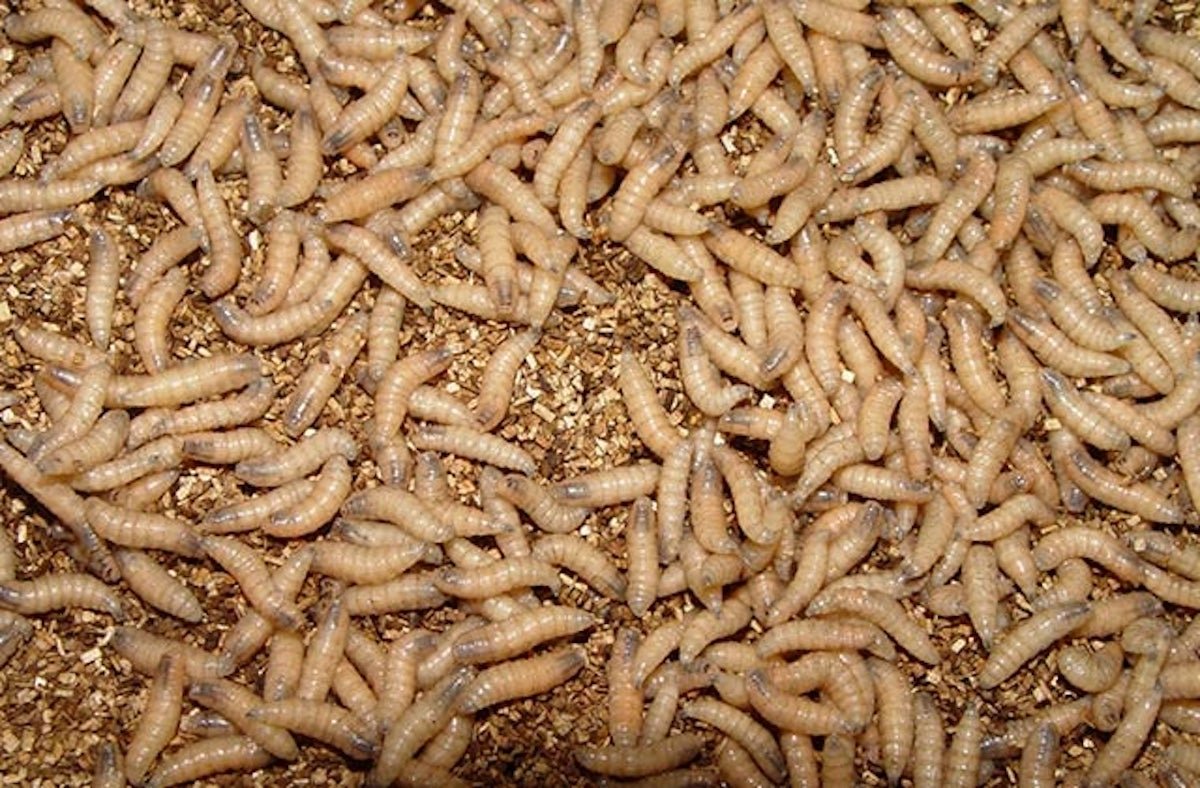
The New World screwworm, or Cochliomyia hominivorax, is not actually a worm. The name refers to the larval stage of a fly the size of a common housefly.

Infection begins when the female fly lays eggs in an open wound or exposed part of the body. The eggs hatch into larvae which penetrate the wound and feed on living tissue. After about seven days, the larvae drop to the ground, burrow into the soil and eventually emerge as adult flies to continue the cycle.
Unlike an infectious disease, New World screwworm does not spread directly from animal to animal or from animal to people. Each new infection begins when the female fly lays eggs on a suitable host.
The USDA also emphasizes that New World screwworms are not considered a food-safety issue. It is not spread through meat, poultry or dairy products.
While the number of confirmed US cases is relatively limited, recent developments in Central America show why officials are taking this pest seriously.
with researchers Wildlife Conservation Society Evidence of screwworm infection has recently been reported in wildlife within Central American forests. The cameras, originally installed to monitor illegal cattle movements, have reportedly captured jaguars, pumas, tapirs, deer, white-lipped peccaries, porcupines and other wildlife with lesions linked to the parasite.
Researchers believe that livestock movement, especially cattle transported illegally across borders without health inspection, has helped the screwworm move rapidly northward through Central America.
The insect crossed the Darien Gap in 2022 and eventually moved north through Central America and Mexico. Experts say the speed of that movement suggests that infected animals carried by people have played an important role in carrying the parasite over long distances.
This presents a different challenge than preventing adult flies from gradually expanding their range.

The United States eradicated New World screwworms decades ago through sterile insect techniques, one of the most successful pest-control programs in history. Scientists breed and sterilize the flies before releasing them into areas with wild screwworms. When sterile males mate with females, no offspring are produced, ultimately leading to population decline.
The same strategy is being adopted again.
Millions of sterile flies are being released as part of the current response in the southwest and Mexico, while officials work to expand production capacity. A new facility recently opened in Mexico, and additional sterile-fly production capacity is planned in Texas.
The USDA says its response also includes trapping, animal inspections, wildlife monitoring and surveillance along the U.S.-Mexico border. Mounted inspectors known as “tick riders” patrol border areas to detect and treat stray animals that could potentially carry the parasite.
For pet owners, early detection is one of the most important preventions.
Signs of possible infection include wounds that get worse instead of healing, visible larvae or egg masses, swelling, foul-smelling drainage, and changes in the animal’s behavior. Officials recommend regularly inspecting wounds of livestock and pets and contacting a veterinarian if infection is suspected.

Not every worm found in a wound is a New World screwworm. Botflies, blowflies and other species can cause similar infections, and the USDA says identification by an entomologist is necessary to confirm a case.
The return of New World screwworm is a developing animal-health issue that officials are closely monitoring, particularly because of the potential impact it could have on livestock and wildlife if the insect becomes widely established.
At the same time, the current situation is still being actively controlled and monitored. For most Americans, the most useful response is to follow confirmed information as the situation develops, rather than assuming that every new case indicates a nationwide outbreak.
The threat is real, but so is the reaction.

keith lusher
Keith Lusher is an award-winning outdoor journalist who lives in Covington, Louisiana. He owns and operates NorthShoreFishingReport.com and writes a weekly outdoors column for the Slidell Independent Newspaper. He also writes for the St. Tammany Parish Tourism Commission’s VisitTheNorthshree.com. He is the former host of The Northshore Fishing Report radio show and is on the board of the Louisiana Outdoor Writers Association. Keith contributes to numerous publications both online and in print and is proud to promote the unique fisheries of South Louisiana. To contact Keith email: keithlusherjr@gmail.com