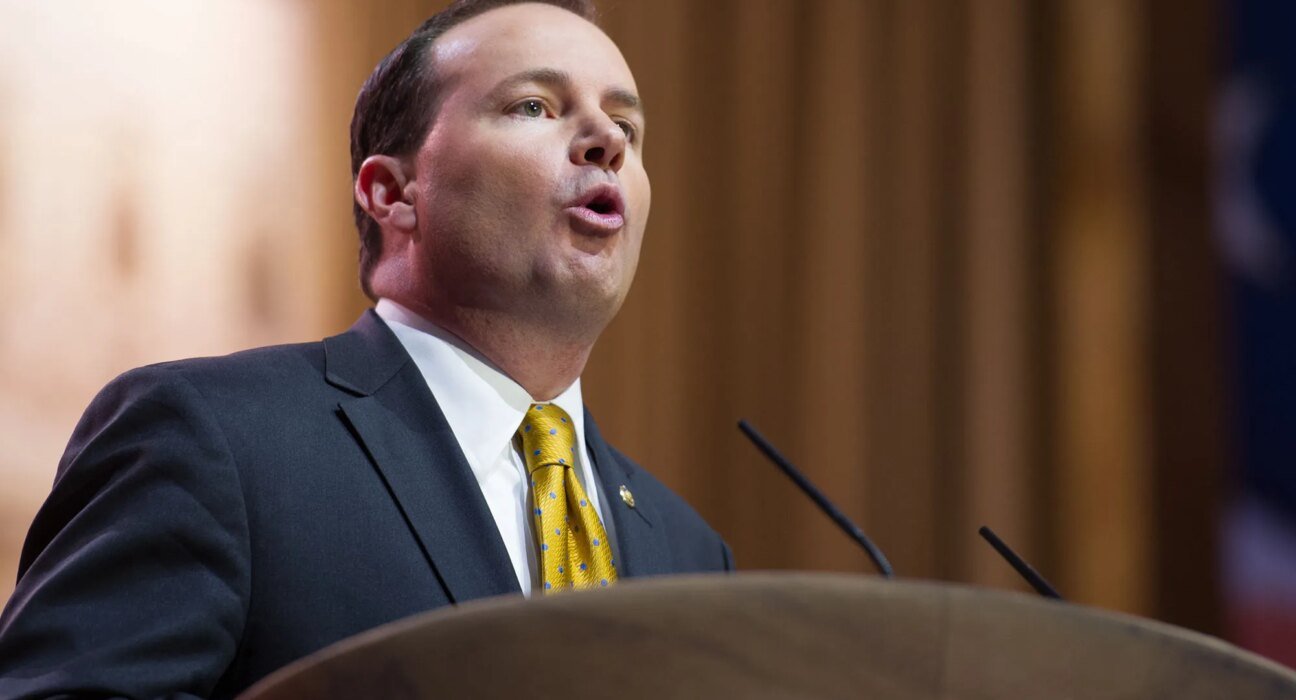
U.S. Senator Mike Lee has argued for years that selling or transferring federal public lands could help address housing costs in the West. Then on June 22, he voted against a bipartisan housing package aimed at increasing supply and improving affordability.
passed by the senate 21st Century Roads to Housing Act By a vote of 85-5. Lee, a Utah Republican, joined Senators Ron Johnson of Wisconsin, Rand Paul of Kentucky, Rick Scott of Florida and Tommy Tuberville of Alabama in voting numbers.
This bill is not a public land bill. It is a housing package intended to cut red tape, increase housing supply, lower costs, and update federal housing programs. The final version also includes language limiting purchases of single-family homes by large institutional investors.
The next day the House passed the bill 358–32.
Lee’s office defended my vote In a June 22 statement, it described the bill as “flawed” and said it would expand federal involvement in the housing market. Lee said Congress should reduce the federal government’s role in housing policy, cut federal spending, and continue deporting people in the country illegally.
Lee’s public lands housing pitch
In June 2025, Lee was released Senate Energy and Natural Resources Committee reconciliation textWhich included a mandatory public land sale provision. The committee framed the plan as a way to “unlock underutilized federal lands for affordable housing.”
The proposal faced opposition from conservation groups, hunters, fishermen and some Western Republicans. The original version would have required the sale of lands managed by the Bureau of Land Management and the Forest Service. After the Senate parliamentarian ruled against the motion under reconciliation rules, Lee tabled it. He later removed the land-sale language from the package.
Lee has also promoted it house actA separate bill that would allow states or local governments to purchase certain BLM parcels at reduced prices to address housing shortages. His office says the bill would require at least 85% of acquired land to be used for residential purposes and related community needs, with a density requirement of at least four homes per acre.
Housing and conservation advocates have pushed back against widespread public-land disposal as a form of housing reform, especially when the proposals lack implementable affordability requirements. A coalition of housing, conservation and community groups released the Common Ground Framework in April, calling for infill development, zoning reform, community-based development and strict affordability guardrails for any targeted use of public lands.
Housing bill also hits the White House wall
chairman Initially Congress was called To pass the housing package. But, after receiving approval from both houses, he canceled a planned signing ceremony and refused to sign it until lawmakers moved on to a separate voting bill, the Save America Act.
A few days later, Trump dismissed the housing bill as a “big yawn”. Said He had not decided whether he would sign it or not. If he does not sign or veto it within 10 days, excluding Sundays, the bill can become law even without his signature.
Why should public land users care?
Lee’s No The vote did not stop the housing bill. It passed both houses overwhelming Bipartisan support: Senate 85–5 and House 358–32.
But it puts his public-lands pitch in a clearer light. He argues that the sale of federal lands will help reduce housing costs in the West. When Congress presented him with a bipartisan housing bill without the sale of public lands, he voted no.
The cost of housing continues to weigh heavily on many Western communities. But the sale of public lands is permanent, and it affects hunting and fishing access, wildlife habitat, grazing, recreation, and the local economies associated with those places. analysts have has been shown tremendously Selling public land will not solve the housing crisis.
When Lee was given the opportunity to move the needle on the housing crisis facing Americans, he made his priorities clear. Turns out, the housing portion of his prices was negotiable. There was no sale of public land.